
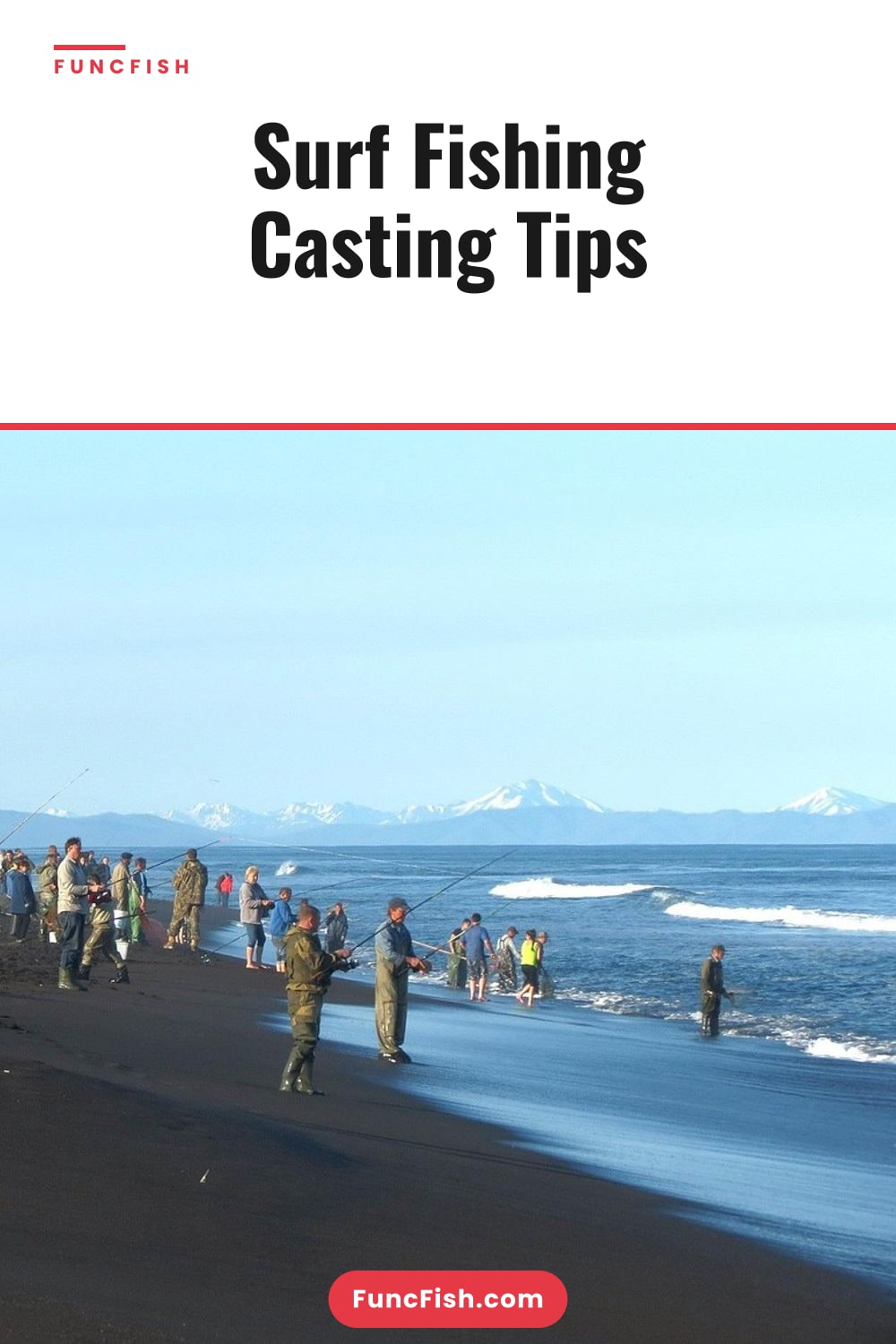
Standing in the ocean surf up to your knees while the wave move against your legs is the experience that makes those early morning alarms worthwhile. Reeling in a ten-pound striped bass or a six-pound blue is the outcome that you envision when you cast that fishing line out into the white foam of the water. When casting, it may seem like nothing could go wrong.
The reality of casting the fishing rod, however, often occurs after the cast. In some instance, your cast may not reach far enough into the water; in others, the wind may tangle your line; in still other cases, your hook may even land in the grass behind you. Surf fishing require more precision than power.
The length of the fishing rod, combined with the placement of your feet and the agility with which you release the fishing line all make up only some of what goes into a solid fishing cast. The following tips will help. The currents in the ocean shifts, the wind changes, and the fish move according to the tide.
Each of these elements affects your ability to place your cast where the fish is biting. If you learn how to cast effective into surf, all these changing variables make it possible to catch more fish even when things is working against you. These tips have been gathered from many years of trial and error on many different beaches.
Each of these tips address a small change you can make that will enhance your casting ability so that you deliver bait exactly where it needs to be. Each of these habit, when mastered, allows you to feel at home on any beach and transforms you into a surf fishing expert. The first thing youll notice about your casting is that your stance matter very much.
Essential Tips For Better Surf Casting
1. Proper Stance
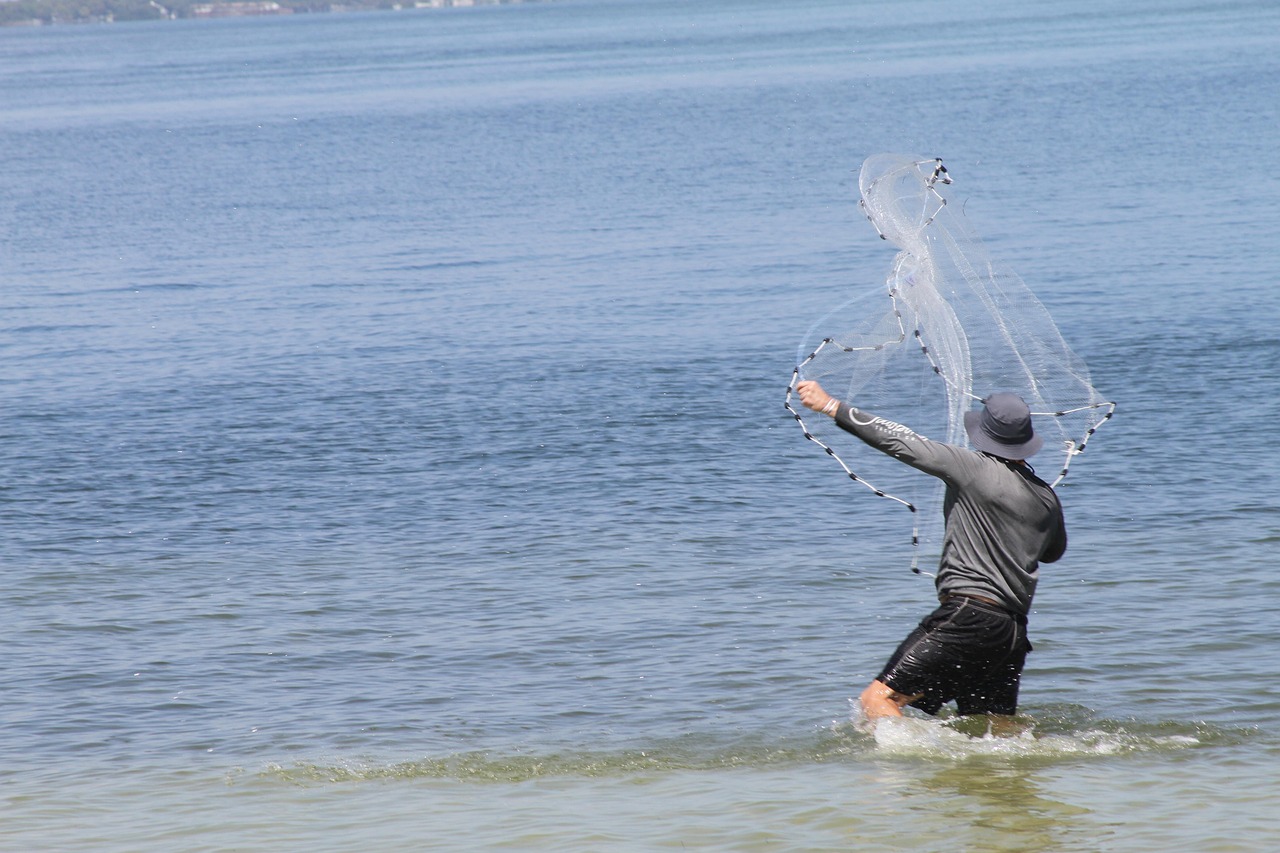
Plant your feet at a width equal to your shoulders, and place your dominant foot slightly toward the back. The same stance is necessary when making a back cast; keep your knees soft, allow weight to shift from back to front, and dont be afraid to maintain balance when a wave tries to move you sideways. You’ll find that this stance allows you to generate more force while using less effort.
2. Correct Grip
After stance comes grip. It’s best to hold the fishing rod as if you were shaking hands with a friend; firm but not clenched. Depending on whether you’re using spinning or conventional gear, either your thumb or finger should rest on the spool or just above the reel seat for maximum control.
If you’re gripping too tightly you’ll tire quick; too loosely and you’ll be fighting with control over your cast. You have to find a middle ground, as if the rod were an extension of your arm rather than a club you’re swinging. Timing while casting seems like a very small detail until you’re in the middle of a rhythm on an empty stretch of beach while the sun emerge over the horizon.
3. Timing Your Cast
You want to be able to load your rod during the backswing at the same time as a wave’s pulling back out to sea. Then, release your cast as the next wave starts to crest so that your lure or bait ride the energy of that incoming wave. The best casters use their rod.
4. Loading the Rod
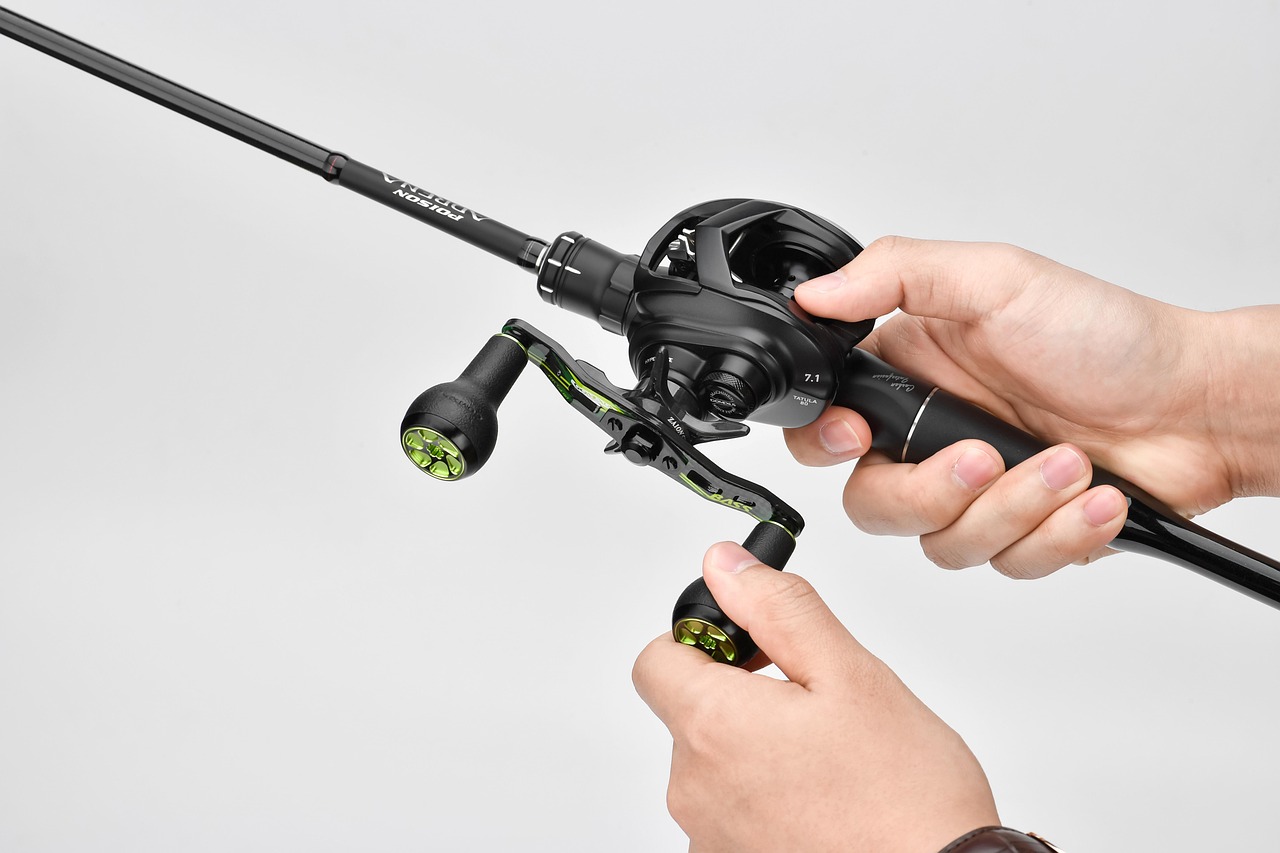
Instead of just muscle, on casts so they get more bend in their rods and utilize that stored energy during their cast. This technique works well especially with longer surf rods (in the nine-to-eleven-foot range). The extra length provides more leverage, and doesn’t require you “swing” it like a baseball bat.
5. Release Point and Control
This technique might seem second nature; however, people often overlook aspect of surf casting and dont realize how much they can change their results by looking at factors like casting into the wind, across it, or with it. You want to choose a cast release point along your rod so that you have maximum control over your line. Spinning gear will have different release points than conventional reels that require you to use your thumb on the spool.
Choosing this spot is almost instinctual after a while, but usually sees the end of a ten o’clock position during a forward swing.
6. Accuracy Over Distance
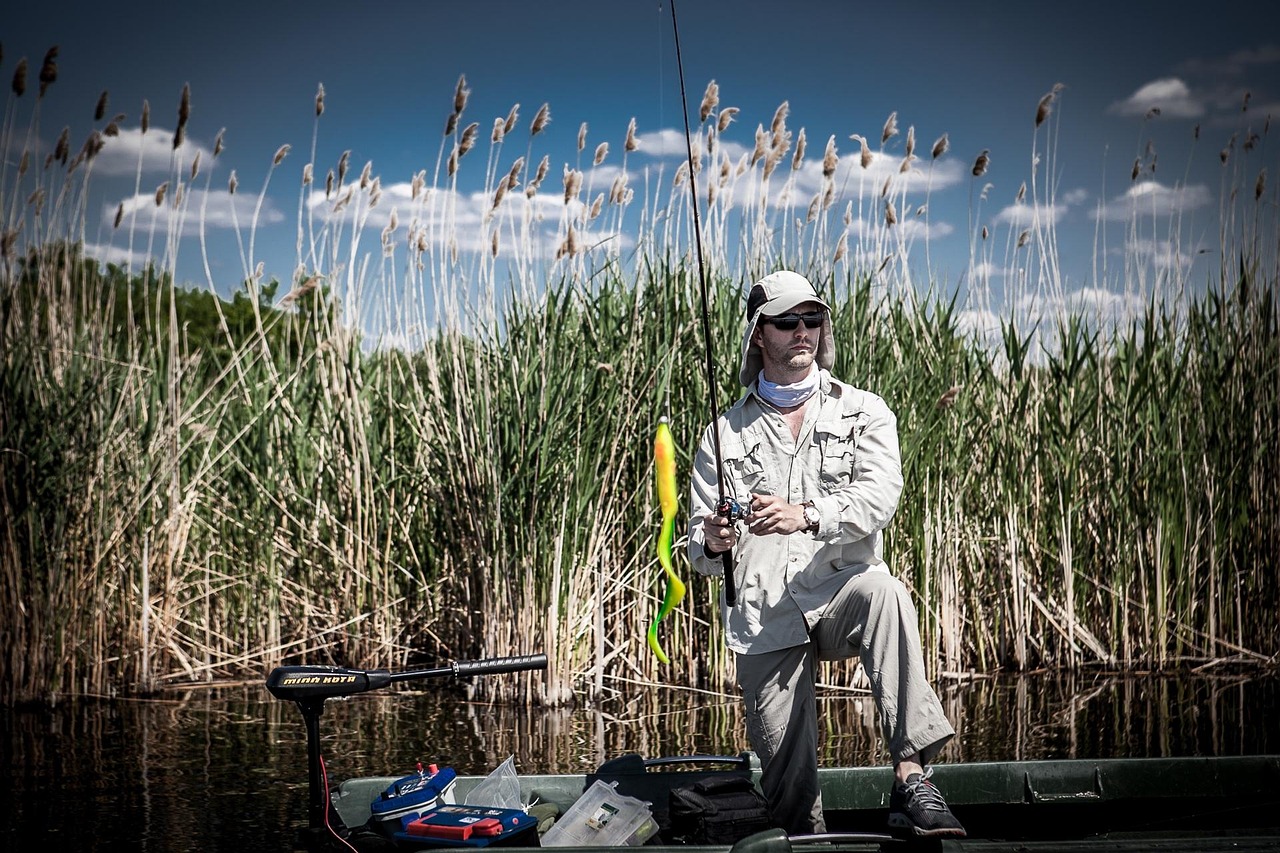
Casting distance seems like an obvious goal for beginner anglers, but its not just about distance, its about accuracy. If you want to catch more fish, or improve your surf fishing in general, look for ways to accurately place your cast where you think most of those fish hang out.
Once you’ve gotten accurate casts down, its time to focus on retrieving your lure. For most type of fish out in surf areas, you’ll want to imitate a baitfish fleeing so they’re enticed enough and feel confident chasing after your lure. You’ve made an excellent cast, now its time to pull a perfect one-in!
7. Lure Retrieval
Some fish prefer a steady motion while others require more twitching. You’ve delivered on distance and accuracy; now see if you can match that when retrieving it! Finally, let’s talk about follow-through.
8. Follow Through
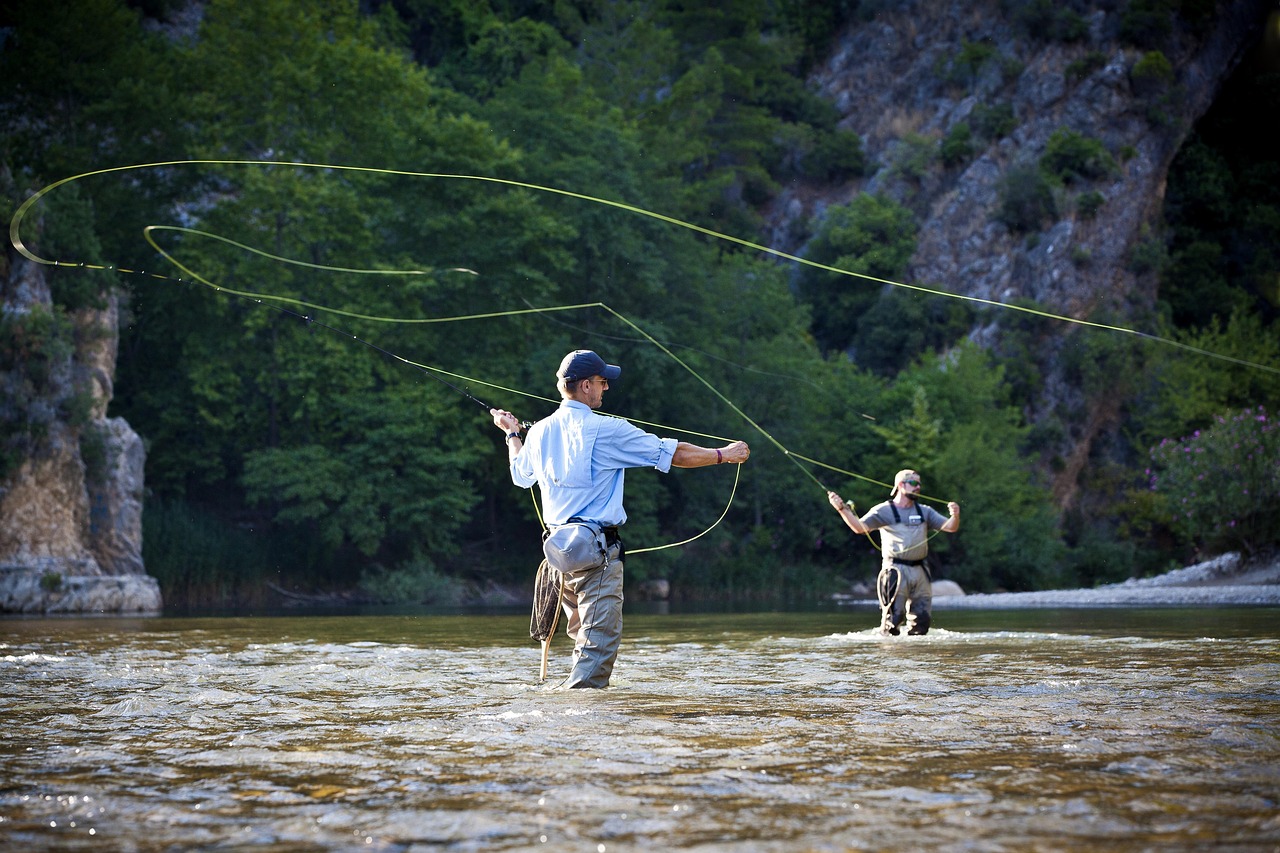
Good casters tend to finish their casts with their chests facing their target and their rods pointed at the water where they lands their lures. This follow-through keeps energy moving in one straight line rather than allowing momentum being pulled back towards them at last second. Poor fishing line lengths tend to come from people not paying attention to their follow-through movements, which shortens casting distance and creates slack in their line.
Fishing can seem like an easy-to-learn sport; however, once out on the water you realize how much effort and skill it take for success as an angler. Every step will help condition you towards becoming a better surf fishing expert so do your best to commit each step to memory before trying it out on your next surf outing! The next time a person stands at the edge of the surf where the horizon turns pink, a person should run through a mental checklist.
A person should ensure that their feet is planted on the sand, that the fishing rod is loaded, that the wind is accounted for, and that you will properly release the bait into the air. After completing this mental checklist, a person can allow the lure to fly into the water where the fish are waiting to be caught.