
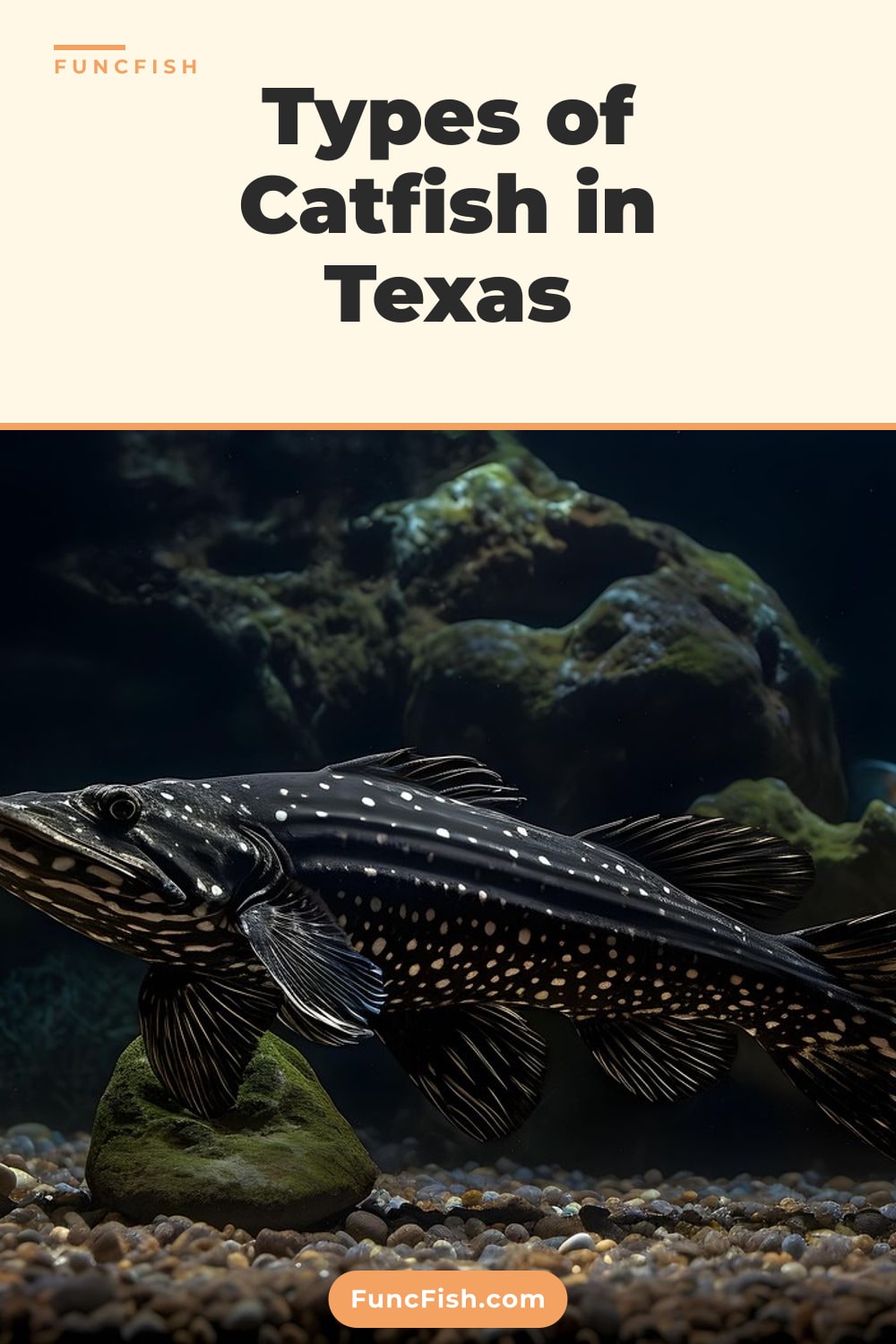
The rivers and lakes of Texas contain a great variety of whiskered fish. Many anglers in Texas refer to all whiskered fish as catfish. However, there are several different species of catfish that lives in Texas waters, and the different species vary in size, temperament, habitat, and eating quality.
If you know which species of catfish you are seeking to catch, then your fishing experience will be different than if you were fishing for one of the other species of catfish. Thus, by learning about the different species of catfish that live in Texas, you will have a better chance of catching the species you seek on your next fishing trip, and you will find your next fishing trip to be more interesting. Within Texas there are many different types of environments, from the muddy bayous areas to the reservoirs with gravel bottoms.
Each of these different environments contain certain types of catfish, but do not contain others. By becoming familiar with each of these environments, you can better target the specific type of catfish that you desire to catch. Thus, by reading the information that follows about the different types of catfish that live in Texas, you will have a better understanding of which habitats to target for which type of catfish you wish to catch.
Common Types of Catfish Found in Texas
1. Channel Catfish
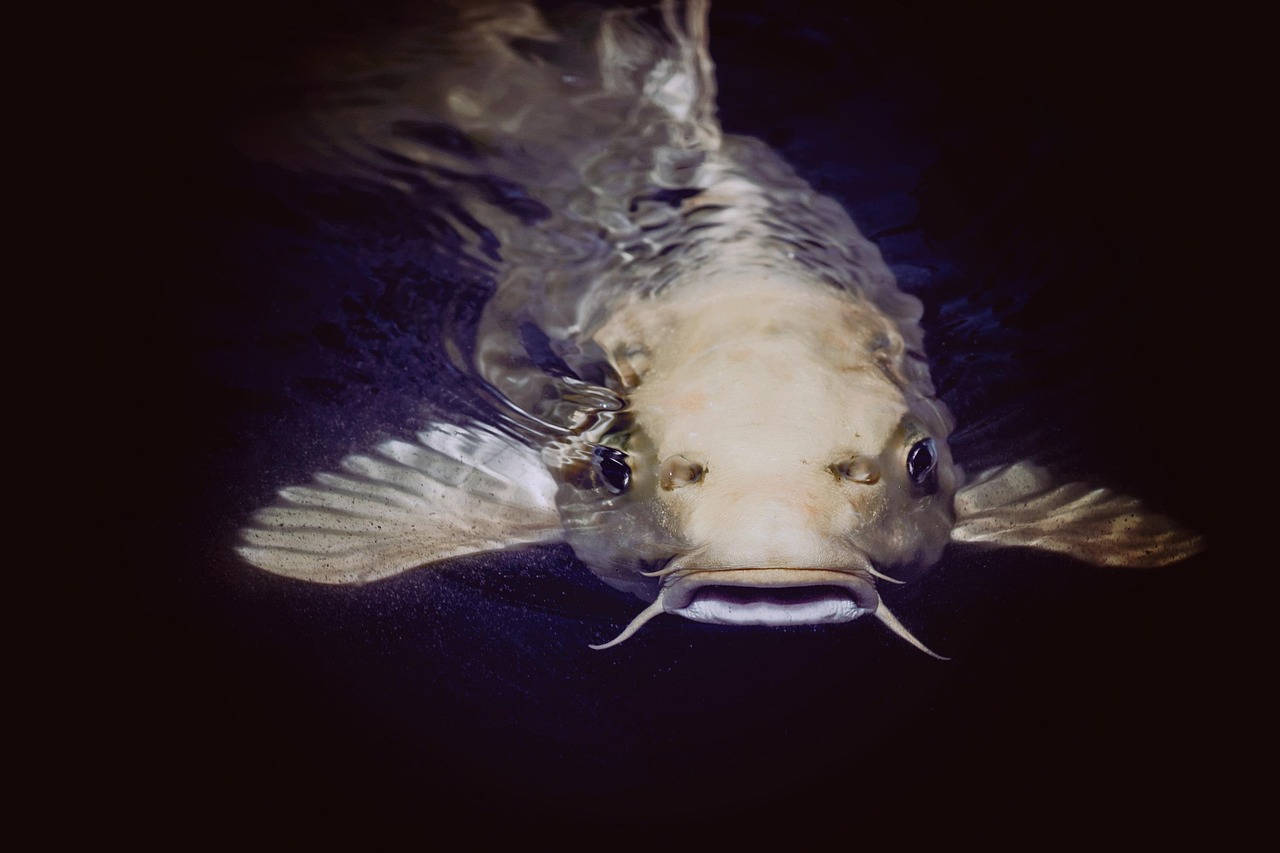
Channel catfish is the most widespread form of catfish that lives in Texas. Channel catfish is also the most adaptable type of catfish to live in different areas of Texas. You can identify channel catfish by its slender body, deeply forked tail, and black spots on its silvery body.
Channel catfish can be found in a variety of habitats in Texas, such as farm ponds and reservoirs. Channel catfish are able to live in warm water habitats, and they are able to live in areas with low levels of oxygen in the water. Channel catfish will eat a variety of foods, such as chicken liver, shrimp, and stink bait.
The flesh of channel catfish is mild and flaky if the fish is kept cold and cooked while it is fresh. Thus, channel catfish is the most common type of fish that is featured in fish fries throughout the state.
2. Blue Catfish
Blue catfish can reach weights of over 100 pounds, and the largest populations of blue catfish live in rivers such as the Brazos, Colorado, and Red rivers.
You can identify blue catfish by its flat head and its blue-gray color on its back. Blue catfish prefer areas of strong currents in their habitats, and the larger blue catfish prefer to live in deep waters. Blue catfish will hunt for other types of fish in their habitat.
Thus, anglers can use fish such as cut shad or bream as bait for these types of catfish. Anglers in Texas catch channel catfish as the most common catfish species, but the catch of a fifty pound blue catfish is a lifetime memory for many anglers. Furthermore, blue catfish that are over thirty inches in length may contain higher levels of mercury in their bodies.
Thus, consumption advisories should of been reviewed before consuming large quantities of blue catfish.
3. Flathead Catfish
Flathead catfish have a more distinct appearance than some of the other types of catfish found in Texas waters. Flathead catfish have massive mouths, tiny eyes, and rounded tails.
Flathead catfish prefer to live in areas of heavy structure in their habitats. Flathead catfish grow to be over one foot in length and begin to eat only carnivore diets at this size. You can catch flathead catfish with live bait such as sunfish or shiners.
Since flathead catfish use their sense of feel and smell to find its food, it is best to fish for flathead catfish after the sun sets. The flesh of flathead catfish is firmer and sweeter than blue or channel catfish. Thus, serious catfish eaters may choose to fish for only flathead catfish each season and to only target the larger fish species.
4. Yellow Bullheads
If you go to the southern or easter parts of Texas, you will eventually find the yellow bullheads. Yellow bullheads are a smaller type of catfish that rarely weigh more than two pounds. Yellow bullheads have a uniform color of olive-brown with pale bellies.
The tail of a yellow bullhead has a rounded end, similar to flathead catfish, but the body of the bullhead is chunkier. Yellow bullheads are able to live in stagnant water with muddy bottoms. Thus, yellow bullheads are able to live in roadside ditches, small creeks, and oxbow lakes.
Children who use cane poles and night crawlers can catch yellow bullheads by the dozen when fishing during the summer. While not considered a highly valued fish because of its size and fight, it does have a mild flavor that is good to eat if cleaned properly. Additionally, indicator species use yellow bullheads for water quality in their habitats.
5. Black Bullheads
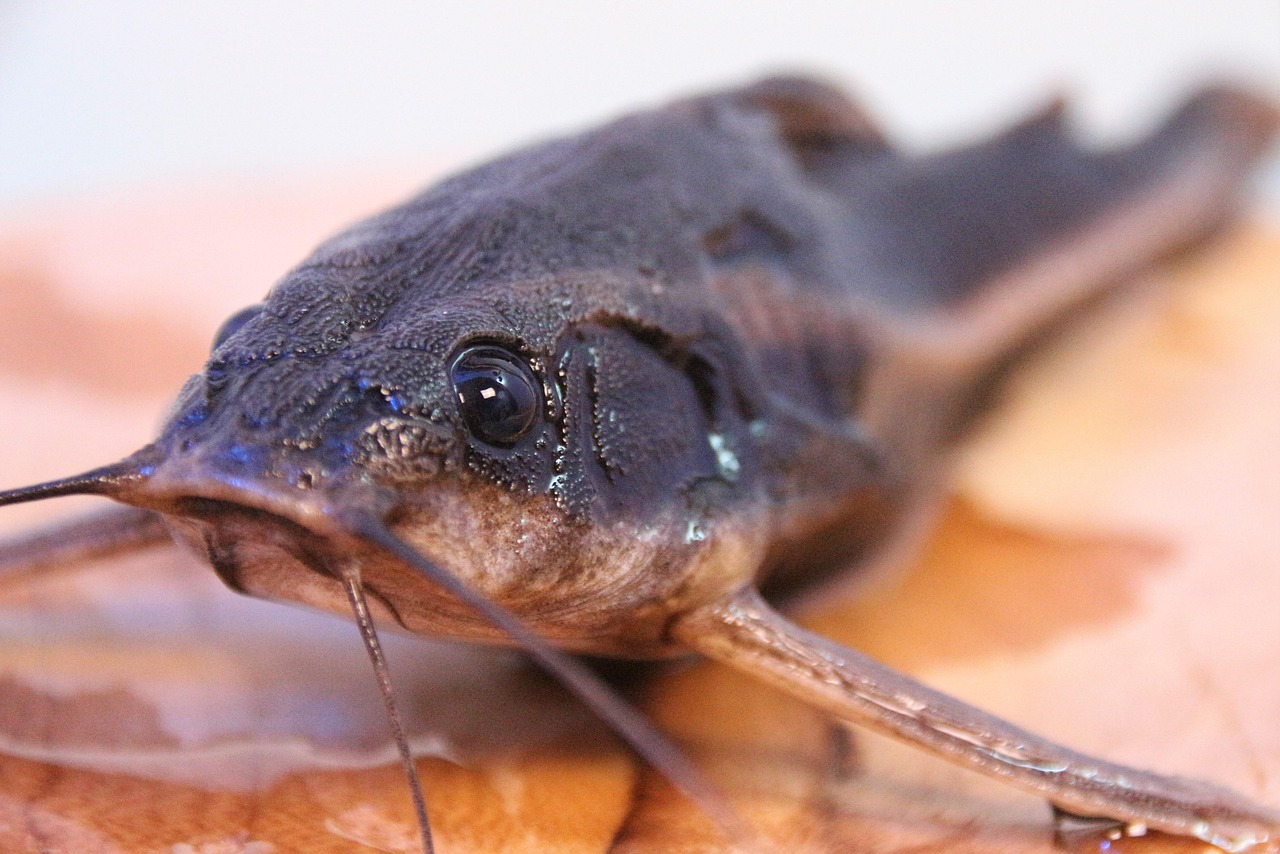
Black bullheads live in the same general areas as the yellow bullhead, but prefer water that is slightly cooler and clearer. You can easily identify black bullheads by the black color of the chin barbels of the bullhead compared to the pale barbels of yellow bullheads. Additionally, black bullheads have anal fin rays that number between seventeen and twenty-one compared to the eighteen of yellow bullheads.
Like yellow bullheads, black bullheads are small fish that do not interest many anglers using rods and reels. However, black bullheads do play an important role in their habitats in that they eat at the bottom and help to clean up leftover bait that is discarded by other fish. In addition to the different types of catfish described in this article, blue and channel catfish species can cross breed.
6. Catfish Hybrids (Channel-Blues)
People refer to these cross-bred species of catfish as catfish hybrids or channel-blues. These cross-bred catfish tend to grow faster than channel catfish, and they have a more intense fight when being reeled in. However, they are just as willing to bite at bait as channel catfish.
The hatcheries stock these cross-bred catfish into many of Texas lakes. Thus, there are more channel-blues in many of these lakes, and they reach the catch size of anglers more quickly than most other types of fish. These cross-bred catfish have the body of a channel catfish, but they have bluer color throughout their bodies and their tails are not as deeply forked as channel catfish.
Thus, the popularity of channel-blues has increased many fishing tournaments to include separate categories for these types of fish. In many of the urban lakes stocked with fish, the fish that is caught that is not of the typical species is likely a channel-blues catfish.
7. White Catfish
White catfish live in the lower parts of the coastal rivers of Texas.
White catfish are not as large as blue catfish, but they are chunkier than channel catfish. White catfish have white chins and squared-off tails. Unlike most other catfish species, white catfish can live in brackish water.
Thus, they live in the lower parts of the rivers where the salinity of the water is higher. There are fewer white catfish than three of the main catfish species of Texas. However, it is still a bonus for anglers to catch white catfish.
Because white catfish eat crustaceans, pieces of shrimp or crab are the best types of bait. While the average size of white catfish is small, they are more interested in the action than in the size of the fish. Thus, both children and beginning anglers enjoy fishing for white catfish in the tidal creeks.
Catfish species abound in Texas waters. Each species of catfish has its own unique features, habitat, and preferences for food. Thus, the next time you go to the water to fish for catfish, take a moment to inspect the tail, color, and barbels of the catfish that you catch.
Not only will you have a better understanding of the type of catfish you catch, but you may even be able to find the exact type of catfish that you were looking for.