
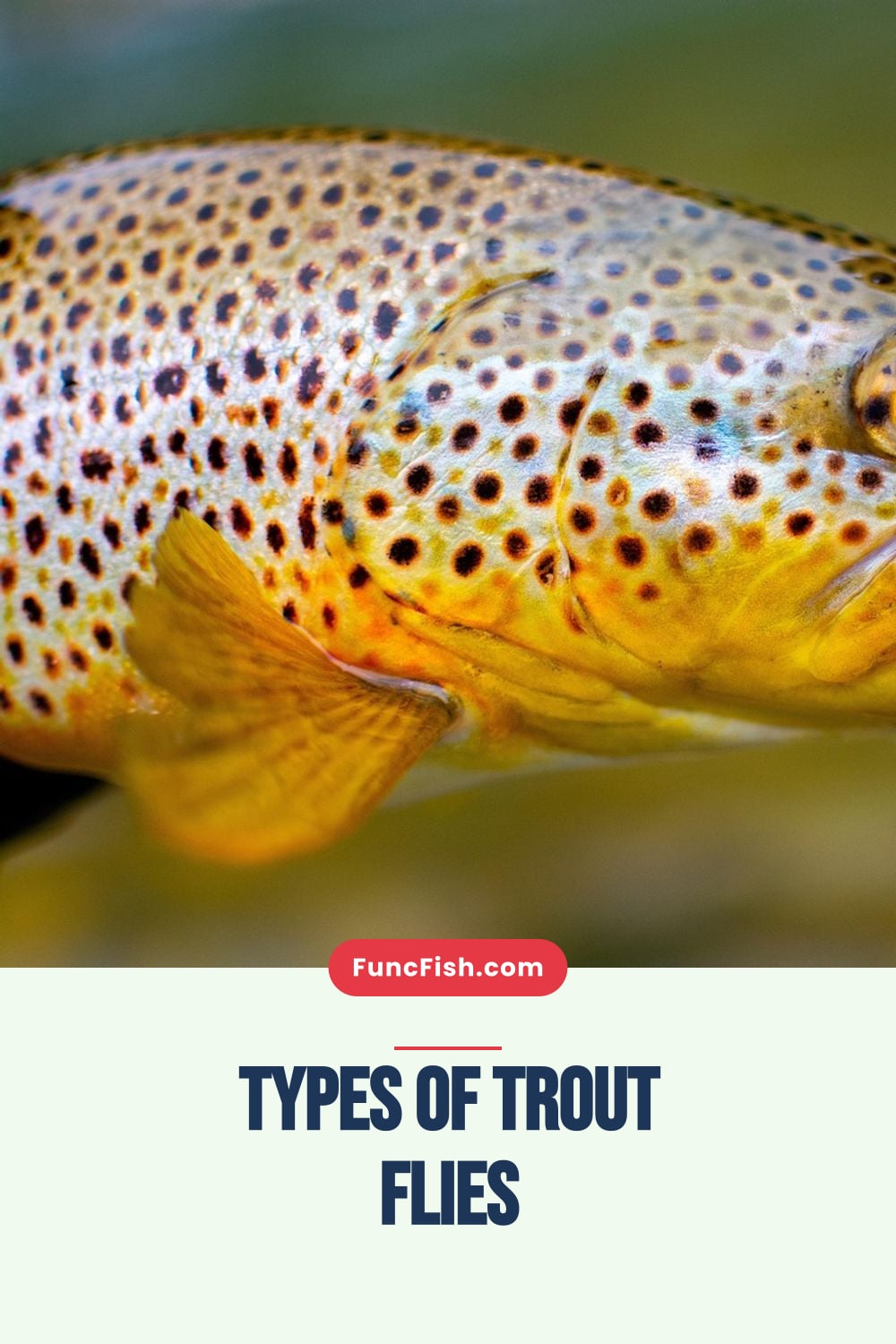
Trout flies is important to fly fishing because trout flies allow anglers to connect with trout flies in a direct way. When trout rise to a trout fly that you present to the water, you are not just attempting to land a trout. You are attempting to mimic the trout’s environment in order to provoke a feeding response from the trout.
If you choose the correct type of trout fly, the trout will take the bait. If you dont, then you are simply casting your bare hook into the water. By understanding the main types of trout flies, you can eliminate the guesswork involved in fishing for trout, and effectively turn your casting into fishing as a form of hunting.
The river contains a story that the use of insects, baitfish, and crustaceans that lives within the river’s environment relays to the angler. Each type of trout fly mimics a portion of that story that the river presents to the angler. Learning the various categories of trout flies does not require anglers to memorize the different types of trout flies, but does require anglers to understand the different environments and features within the river so that they can have the proper fly ready in anticipation of trout taking that type of bait.
Trout flies can be broken down into five main categories: dry flies, nymphs, emergers, streamers, and terrestrials. Each category of trout fly has a specific use and benefits certain trout species in particular fishing environments. Dry flies get their name from the fact that they float upon the water’s surface so that trout can readily view the dry flies.
Five Main Categories of Trout Flies
1. Dry Flies
Dry flies usually mimic insects that have just emerged from the water, or insects that are laying there eggs in the river. Flies like Adams flies or Elk Hair Caddis are examples of dry flies. These flies are cast upstream and watched throughout their drift to ensure that they remain on the water’s surface and accurate in their travel.
Trout typically only take dry flies when there are insect hatches occurring in the rivers, since dry flies are used to bait trout when they are searching for food upon the surface of the water. Dry flies require a great degree of finesse when first casting them into the water; any drag upon the line by the fly will startle trout, but the explosive rise of the trout after a successful drift indicates the success of the dry fly casting.
2. Nymphs
Nymphs are used because they catch the most trout of any type of trout fly. This is due to the fact that the majority of trout feed upon insects that drift a few inches from the bottom of the river. Examples of nymphs include beadhead Pheasant Tail flies and Hare’s Ear nymphs, both of which mimic mayfly and caddis larvae. These flies are usually fish beneath an indicator, or in a tandem rig with another dry fly.
Trout takes nymph flies in a more subtle fashion than other types of trout flies; anglers feel the slight hesitation or tick in the fishing rod when trout take the flies. Nymph fishing requires patience of the angler, as well as an understanding of how to effectively drift nymph flies in the water; nymph fishing does not require much skill in casting flies into the river. Once anglers learn how to read the speed of trout movement within the river, nymph fishing can be very effective during the spring through fall seasons.
3. Emergers
Emergers are trout flies that exist in between nymphs and dry flies, and represent trout flies that are used to mimic insects during their emergence from their nymph phase. Emerger flies such as CDC Emerger or RS2 flies mimic insects that are in the midst of emerging from their nymph phase and struggling to extract themselves from that exuvia. Emerger flies have a benefit in that they are versatile flies; they can be fish alone during an insect hatch, or you can fish these flies as a dropper bait behind a dry fly.
Trout typically take these types of flies rather than dry flies. Many anglers ignore emergers when fishing. However, these types of flies can be very helpful when fishing on a difficult day for trout when other types of flies are not working effective.
4. Streamers
Streamers are used to mimic the movement of baitfish, leeches, or crayfish that live within the trout rivers. Flies like Woolly Bugger and Muddler Minnow are examples of streamer flies that are cast into deeper pools or areas along banks where trout congregate. Streamers move water within the fishing area, and the silhouette of the streamer may provoke an feeding or territorial response in trout.
Streamer flies are cast into the water across the river’s current, and retrieved at varying rates. Streamer flies are more effective in areas where the water is high and of off-color appearance in the water. Streamers are also effective during the fall when trout require additional calories to survive the winter.
However, streamer flies require more effort in their initial casting, and may scare trout that are wary of entering the river; however, the take of a brown trout on a streamer fly is an event that is significant and rewarding enough of the effort required by anglers to cast these flies.
5. Terrestrials
Terrestrial trout flies mimic insects that live on land but that fall into the water’s environment. Ants, beetles, grasshoppers, and crickets all fall into the water, especially in the late summer seasons. Examples of terrestrial flies include Foam Hopper or Dave’s Hopper, both of which create a loud splat when they land upon the water surface. These types of flies are effective along banks that contain grass, or on days when the wind carries these insects into the river’s environment. Because terrestrial insects do not have a natural drift in the river, anglers can cast flies with more weight into the water using this type of trout fly.
The splat that terrestrial flies make when they land upon the water may provoke a territorial response from trout that are not necessarily feeding. Terrestrial trout flies are typically used during the hot summer months when mayfly hatches are over and trout begin to become picky in the food that they eat. Each type of trout fly has its own category of conditions and environments in which that type of trout fly will be most successful, as opposed to other categories of trout flies.
Dry flies require that the water is clear and that trout are rising to the flies. Nymph flies are most effective in deeper areas of the river with faster currents. Streamer flies are more effective with larger trout, and in specific locations where these trout exhibit specific behaviors.
Anglers should read the river, the weather, and the calendar to determine which type of trout fly will be most effective in enticing trout to take the bait. By learning of the different categories of trout flies, anglers can effectively reduce the number of different types of trout flies that they must carry with them when they go fishing. To gain proficiency with trout fishing with trout flies, anglers should begin by stocking their tackle boxes with a handful of each type of trout fly.
Additionally, anglers should spend time on the water to observe the type of insects that hatch from the water, or those that fall into the water. During these observations anglers should note when trout will not take certain types of bait, but will take other types of flies that are located nearby. Additionally, anglers should pay attention to the seasons in which they fish, and pay attention to the behavior of trout during spring, summer, fall, and winter months; trout change their focus from dry flies in the spring and summer to the bottom of the water during the fall and winter months.
While the trout flies are all very simple in their components, the understanding of how to use each type of trout fly will be rewarded upon those who dedicate their lives to study of trout and trout flies. The reason for the return of anglers to cold and clear water in their areas each year is due to the presence of trout and trout flies. By choosing their trout flies with intention, and by presenting each of their trout flies with care and precision while fishing, the river and its trout species will reward anglers.