

The rivers and waterways define Arkansas; including the Ouachita Mountains, as well as White River. Bass is at the heart of fresh water fishing, and on those waters you’re going to find them. With such a divers range of water, each day bring something different.
Knowing what’s under the boat determine how you cast. These are major names. The big names is well known for most angler, but there’s a lot more to it than that.
Bass are different species with their own niches and preferences for certain type of baits. For example, knowing how to tell a largemouth in hydrilla apart from a smallmouth on a rocky ledge can saves you time while fishing. Understanding the difference make you go from a blind draw into a targeted hunt.
Here’s a breakdown of main species of bass found in Arkansas waters. They all offer different challenge and require some special tactics to get them to bite. Once you understand those differences, you’ll adapt fast as conditions change.
Top Bass Species Found in Arkansas Waters
1. Largemouth Bass
So when we talk about largemouth bass, there’s a reason. They’re plentiful. They lives on almost all of the state’s water bodies.
Largemouth bass like to be around cover. They’ll tuck into a log or some type of vegetation during daylight hours. Largemouth bass will hold in muddier waters then others can tolerate.
The potential for their size is great with many over 10-pounds being recorded in lakes such as Norfork. Largemouth bass need to be presented to some kind of structure. Largemouth bass are ambush predators that relies on sight and vibration.
In the morning and evenings topwaters does a great job. During the day it’s all about the jigging worms. Their attack is vicious so you get a hard pull on your line right away.
2. Smallmouth Bass
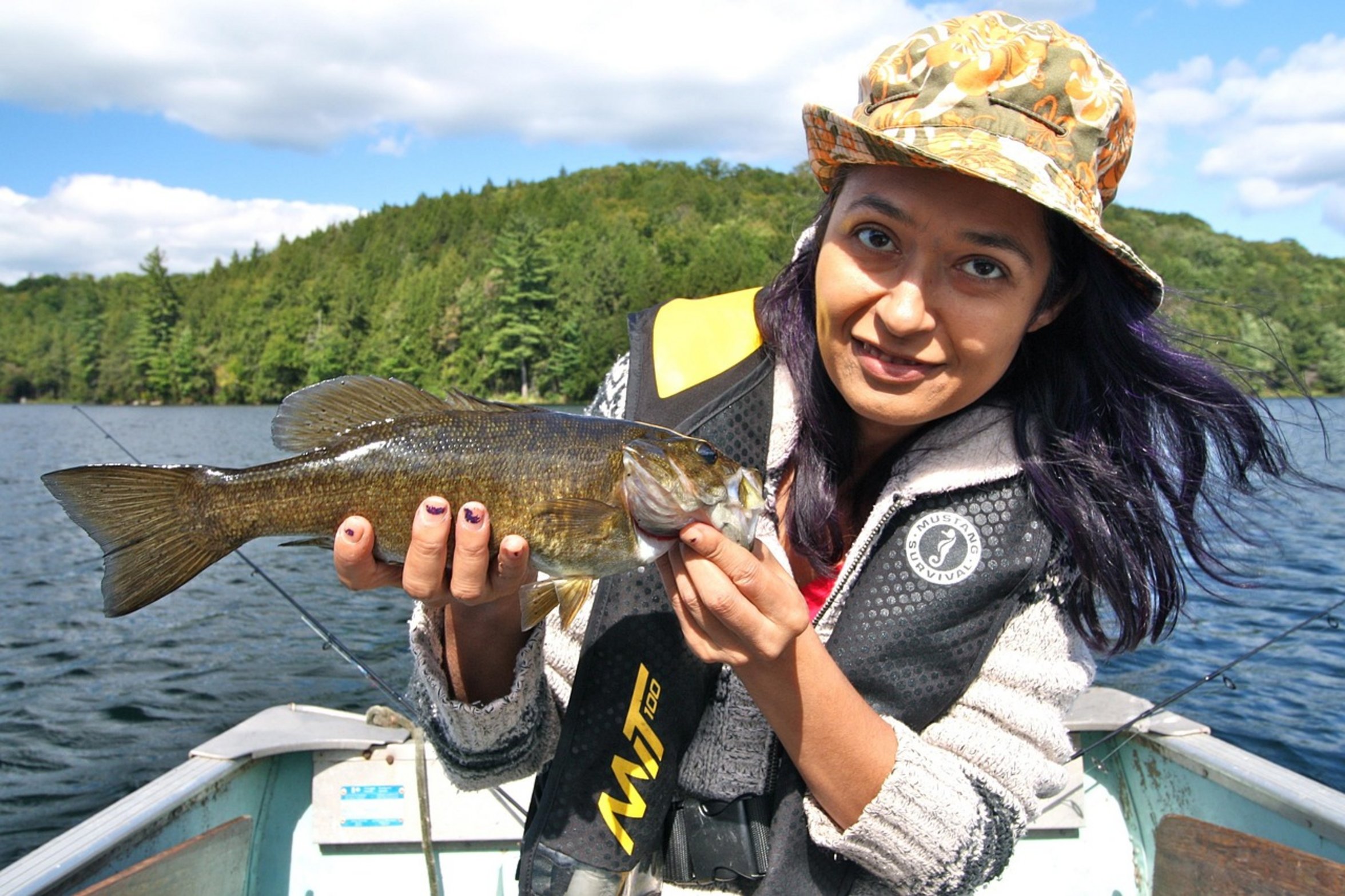
Even though they have predictable habitat preference, fish fight is exciting. This section covers the quality side of Smallmouth Bass. Smallmouth bass represent the quality side of fishing.
Inhabiting cleaner, cooler water in rocky-bottomed environments, smallies is kings of river systems such as Buffalo National River. More athletic than their largemouth cousins, smallies are also built to endure. Strength is a smallmouth’s weapon of choice when swim out from cover.
Smallies fight hard … and well. Smallmouth are more subtle fish, and you need to be too when fishing for them. They lives in clear water, so you don’t want to spook them.
It’s all about imitating their native baitfish. Whether it’s a live minnow or soft plastic lure, the angler who does this right will gets the rewards. The sweet spot on the smallie is firmer than its larger cousin the largemouth.
3. Spotted Bass
Some folks say it’s worth the effort. It was misidentified as Spotted Bass. It is similar to largemouths but different.
It has fewer lateral line scales, and its upper jaw does not protrude beyond the eye. They are found in reservoirs with flowing water elements, like the tail race based off of a dam. They are aggressive and easy to find around spawning time.
When hunting spots, target transitions between standing and moving water. Spinnerbaits and swim jigs is great options because they cover water efficienty: once you find them, you have a good chance at multiple bites from schooling fish. Spots also hug current breaks, making them good bets even in slow-lake conditions.
4. Striped Bass
Stocking programs has made Striped Bass a mainstay on the big Arkansas reservoirs. They are a fast growing species that adapted very well to our inland fisheries as well. Unlike native bass, striped bass is visual hunters that feed actively during low-light periods.
Stripers, however, are primarily visual hunters that feeds actively during low-light periods. Be sure to set your drag correctly because they will burn hundreds of yards of line in short order. For striper, covering water is important and fast.
Planer boards with live bait rigs will allow you to present bait at different levels as you search for the “feeding zone”. When they rise from the bottom and swim around, busting shad on the surface, cast those topwater poppers and put on an air show. Trophy striped bass are a focal point of any angler’s catch.
5. Hybrid Striped Bass
Striped bass add an active aspect to the trip that is very different than the stealthy way native species must be approached. Hybrid Striped Bass (also called wipers or sukkies) are a cross between white and striped bass. The hybrid is grown out fast and used to help ease some angler pressure on over-populated lakes.
Although more like their parents then either pure species, hybrids has aggressive feeding characteristics and tend to hug the shoreline. Artificial baits of many types works well with these wipers, which love to bite. Since they swim in schools rather than alone, you can find wipers by looking for a school moving around the edge of lake.
They use deep diving crankbaits and downriggers. Get your bait down to depth they’re suspended at when it’s hot throughout the middle of the day. They will eat multiple times, which makes them great for beginners and family fishing trips alike.
If you live near a lake with healthy wiper populations, there is so many of them that you’ll never have an empty day out on the water. You should of seen them in action.