
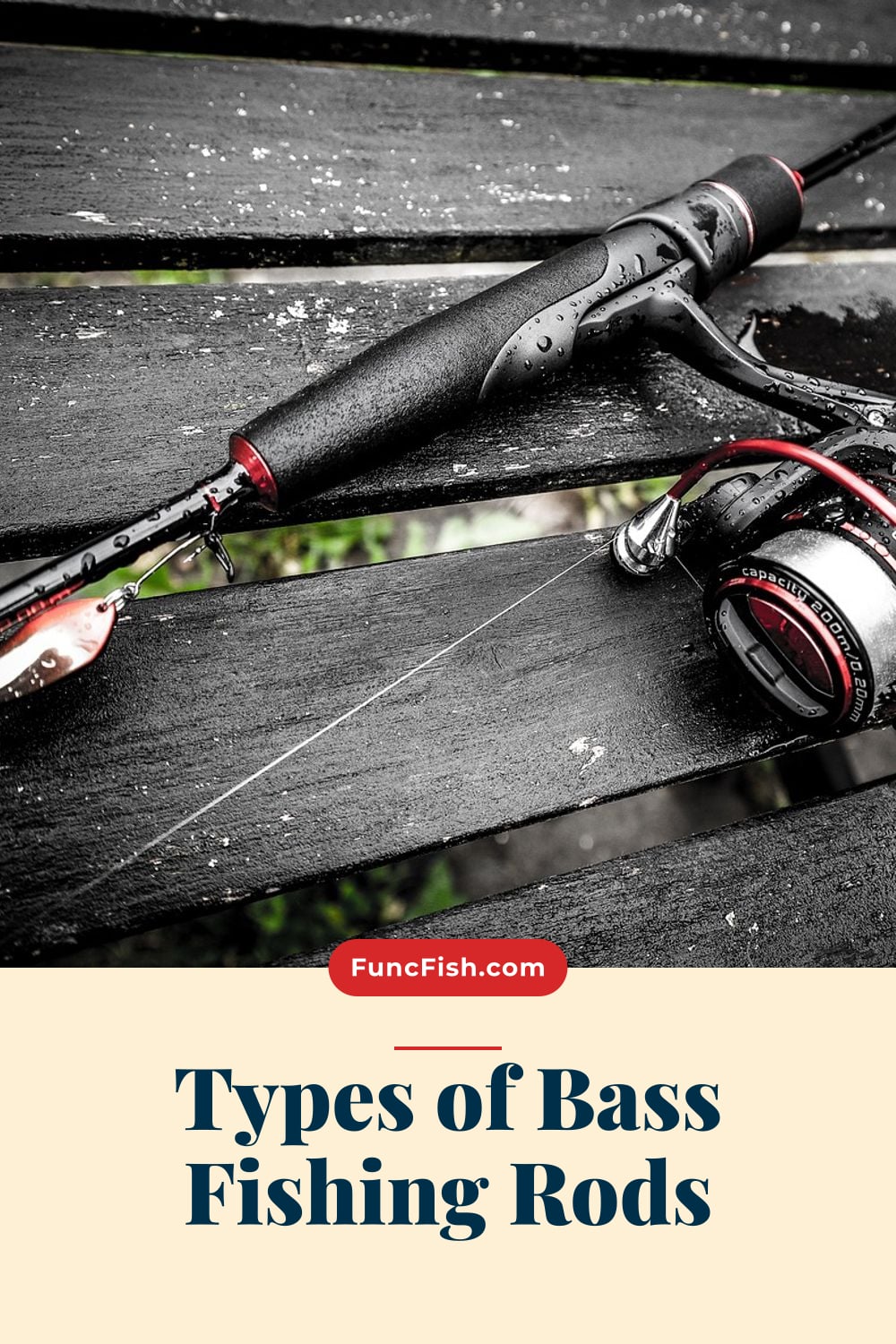
Bass fishing isn’t about luck… It’s about finding a tool for every task. Choosing a rod determine how you’ll pitch a bait.
It also determines if you’re able to raise a big one from the thickest of cover before she breaks off. Rod selection shouldn’t be complicated, but it can be if you don’t know what to look for and just purchase anything shiny. Instead, find a rod that suit your technique and your preferred way of casting.
Blank materials: You need to know about action, power, and blank material. Action is how quickly a rod bend back into shape. Power are how much strength the rod gives you to help control big fish.
If your action and power isn’t correct, you’ll be fighting your rod instead of the fish. Here’s a breakdown of all the main styles of bass rods out now, which ones is best, and when you’d want to use them.
Main Types of Bass Fishing Rods
1. Ultra-light Spinning Rods
Ultra-light spinning rods are the gateway drug for many angler.
These skinny sticks work well for delicate bites, small baits and finesse presentations. You might use this rod for a drop-shot rig or a small jighead with a soft plastic. It works well in clear water around finicky bass.
Its sensitivity is the best. It lets you detect that faint tap when a fish sip your bait from the bottom. And it makes battling lightweight tackle fun.
But what it lacks is any backbone to tear big bass away from heavy cover rapidy. Send a largemouth into a logjam, and chances are you’re in trouble. Use it for pond fishing for smaller fish where there’s no worry of break-offs, or for those smallmouths in rocky river system.
2. Light-Power Spinning Rods
A notch up from ultra-light spinning rods are light-power spinning rods that can absorbs the same finesse tactics as their ultra-light counterparts, but also come into play with slightly bigger baits such as a chartreuse swimbait or a medium-sized worm. For an angler who doesn’t wish to switch back-and-forth between several different rod, this group is often your best bet for all-around usage.
You’ll have plenty of feel to sense those soft bites while retaining enough hooksetting power to drive a hook into moderate vegetation. If you’re flipping heavier frogs on small pads, or using creature baits around laydown timber, it’s a good fit. Usually sporting a more moderate action, these rods tend to deliver a smooth bend that will absorb hard runs by the fish.
A beginner can benefit from its forgiveness when learning how to control their hooksets and line pressure.
3. Medium-Power Baitcasting Rods
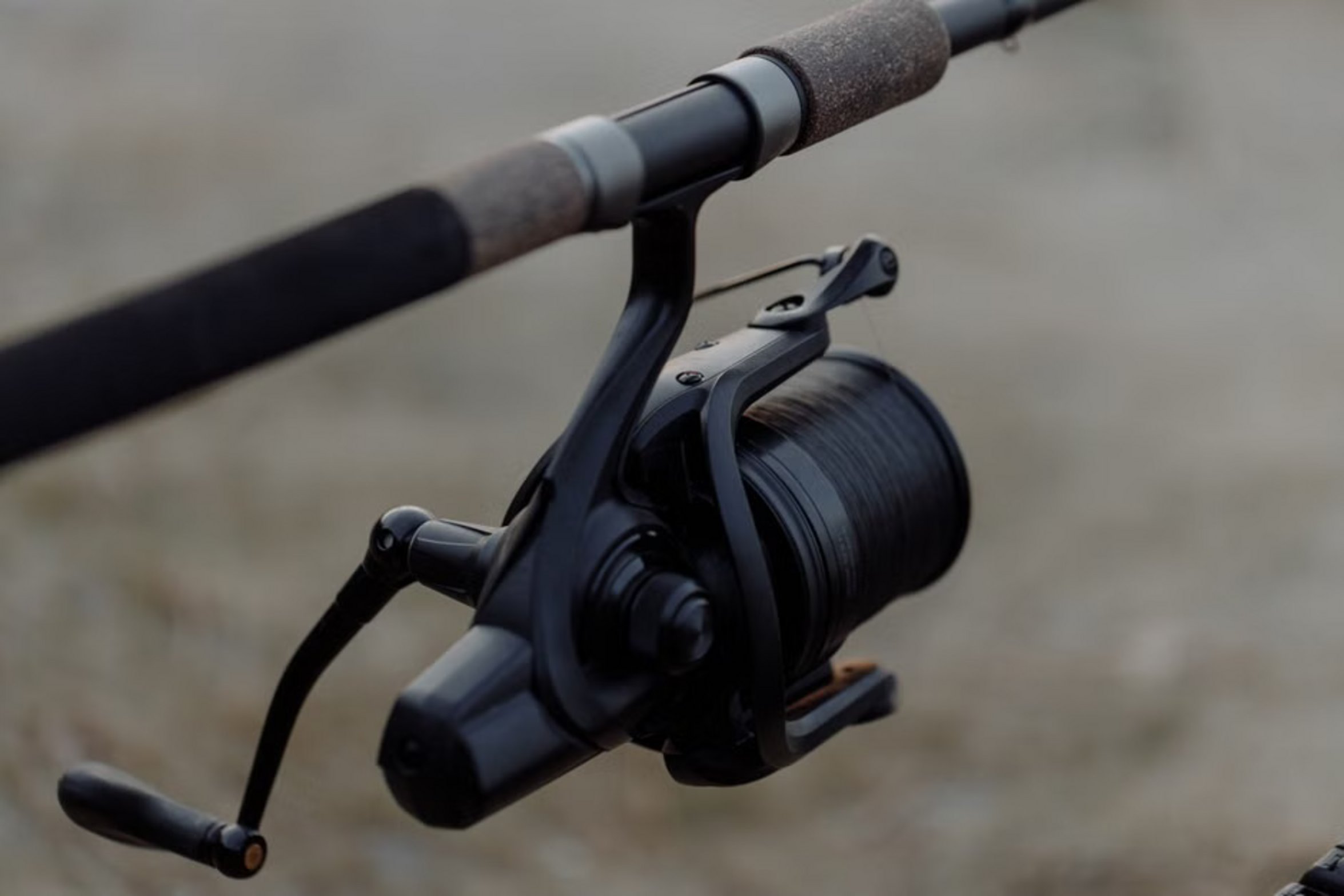
Bass anglers looks to these medium-power baitcasting rods as the workhorse rods of bass fishing. Typically when we hear someone talking about flipping a heavy jig or throwing a big frog around, they are referring to this style of rod.
The baitcast reel offer both braking power and precision when you’re making pinpoint casts to specific pieces of cover. The stiffer backbone let you drive your baits right up into those thick masses of hydrilla weeds or right into the middle of a lily pad mat. It shines with topwater applications where the violent strike demand a forceful hook set instantly.
For jerkbaits and crankbaits, you’ll use this rod to give the lure a good lift so it continues to swim correctly. The rigidity also assist keeping tension on running fish, especially in strong current or deeper water situations.
4. Heavy-Power Baitcasting Rods
A heavy-power baitcasting rod is made for bruiser business.
It has fast action and a stiff blank, meant for punching technical cover or flipping big weights around docks. It is meant for pulling giant largemouth out of thick wadeable cover. The rod will store energy like a spring, lifting them up and out of the water so they don’t get snagged.
It is also for swimbaits and extra-heavy jigs that need a lot of weight to gets down fast. But it’s not finesse. You won’t feel small bites, and if your drag settings are wrong, you’ll break some light line.
If you are confident enough to target trophy fish in heavy structure and willing to risk losing baits, this is your stick.
5. Ice Fishing Rods
Moderate-fast-action casting rods are a happy medium between power and sensitivity. They’re frequently used for more technical presentations, such as NED rigging and drop-shotting, where feeling the bottom contour matter.
When bass dart around structure, they will bend your rod nicely with a smooth cushion that won’t break your line. It is great for fishing along steep banks or in deep water fishing vertically. Though you can still make decent casts, the big plus is control.
Because it has a moderate action, it bends really well to help absorb the shock of hard strikes on wary fish. That’s especially true in cold weather, where bass are sluggish and want a slower retrieve. There are specialty rods for other very narrow areas such as ultra-long distance casting or ice fishing.
Ice rods run anywhere from twenty eight to thirty six inches long. And they’re all compact and short so you can place tiny jigs with precision and increase your sensitivity on small holes. Because you don’t have much room in small openings or even inside tight ice shacks, the short length helps you not have to cast far.
They also has ultra sensitive tips made from high modulus graphite blanks. You don’t make long casts either. Instead you lift and twitch them.
It’s just a totally different technique. Trying to ice fish with a regular bass rod just doesn’t work well. It adds drag and makes it hard to feel.