
A variety of river systems, reservoirs and abundant fishing opportunities makes Missouri one of the nations best freshwater fishing destinations. Regardless of which type of bass you prefer to chase, varying species requires different approaches. Knowing those differences should of changed your technique, lure selection and equipment choices.
Most anglers assume all bass is created equal. This misconception can lead to confusion if a lure work well in clear water but not in dirty water, or on rocky shoreline instead of grassy banks. The key is to cater your game to what fish do, not necessarily where they live.
The Different Types of Bass Found In Missouri Waters
1. Largemouth Bass
Missouri is famous for its largemouth bass which probably means it’s the first type of fish you learned to catch. Largemouth enjoy warm water and prefers to hang out around some sort of cover (fallen trees, weeds) throughout the day. Because of their very large mouths, they will readily consume large pieces of prey.
For this reason, topwater bait are great in both the early morning and late evening. Largemouth live in everything from large lakes like Lake of the Ozarks to small ponds. Wherever you find them, look for areas with heavy wood cover in the form of submerged logs or brush.
The fish will tuck into those spots and ambush their next meal. Just lob a lure toward them slowly and you’re more likely to get bites. They put up an exciting fight and can grows quite large, making them a popular target for fishing in state.
2. Smallmouth Bass
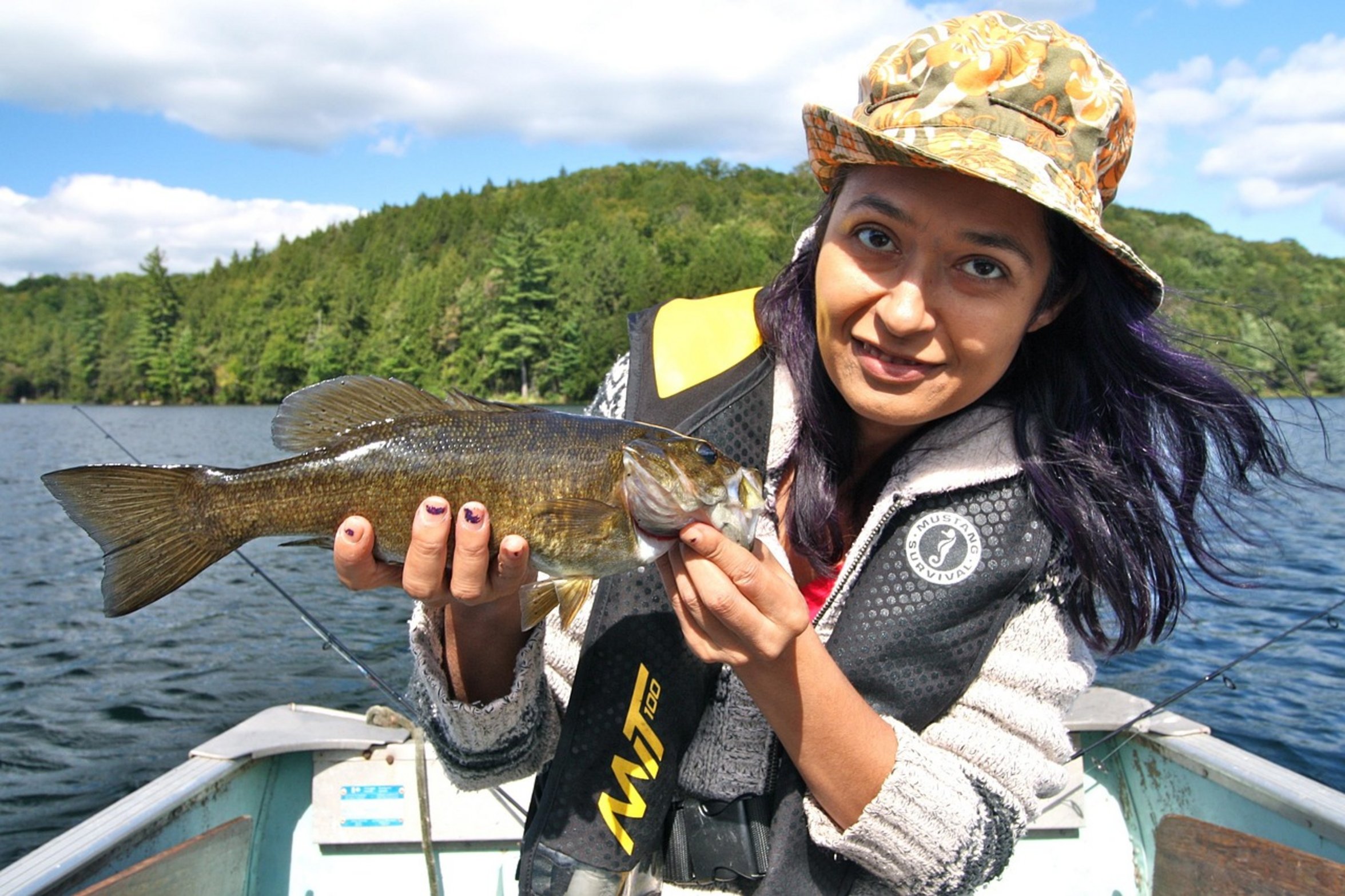
Rather than hanging out on weed cover, smallmouth bass favor rock bottom and clear water. That would be a deeper reservoir with gravel bottom or perhaps a river such as the Current River. Because these are finicky creatures, it takes accurate presentation to hook up.
Unlike largemouth, smallies is more comfortabley in cooler waters. This means fall and spring offer the most consistent action. Experienced anglers know that smallmouth put up better battle than a same-sized big bass does.
When fishing, target underwater humps or nearby drop-offs with crankbaits or jigheads. Because smallies has good eyesight in clear water, patience is required as they’ll shy away from anything appearing unnaturaly.
3. Spotted Bass
Middle Ground are between largemouth and smallmouth.
They are found in many man-made lake throughout Missouri. They are native to rivers such as White River. Look just like largemouth except with distinctive spots down the sides of fish instead of a solid dark color on the side line.
It behaves like largemouth, but prefers a little cleaner water. It will use structure and vegetation as cover. Will eat similar baits than largemouth like spinnerbaits and soft plastics.
So be sure to alternate between types when targeting different species and you’ll be able to pick off some spotted bass too. Spotted bass also inhabit certain lakes with largemouth and will hybridize with largemouth at times. The key is that you fish for these fish exactly like you would largemouth, but pay closer attention to water flow and clarity.
4. Striped Bass
Unlike the other types of black bass, striped bass are unique in appearance, diet and habitat. Striped bass is primarily found in major reservoirs. These reservoirs were stocked with striped bass for sport fishing.
Unlike indigenous bass which like to hide on bottom, stripers roam open water. This behavior makes heavy plug and live bait trolling an extremely effective technique. The best time of day to fish for them is in the evening at dusk as they will come up into shallow water feeding on shad.
They reaches massive size rapidly and put up one heck of a fight. They require heavier line and rods to catch. They are not as abundant than smallmouth or largemouth, but for many anglers, catching a big striper is icing on the cake.
Every species of bass has there own thing. Smallies are technical in clear water. Striped bass bring the big-time excitement out in open water.
Largemouth are all over the place in weedy areas. And spotted bass does a good job adjusting to various conditions. Knowing which species live in the body of water that you plan to fish will help increase your chances.
Knowing what type of structure and water condition are present will allow you to select the right target early on. The more you know about how the fish behave, the less you will guess and the more successful you will be.