
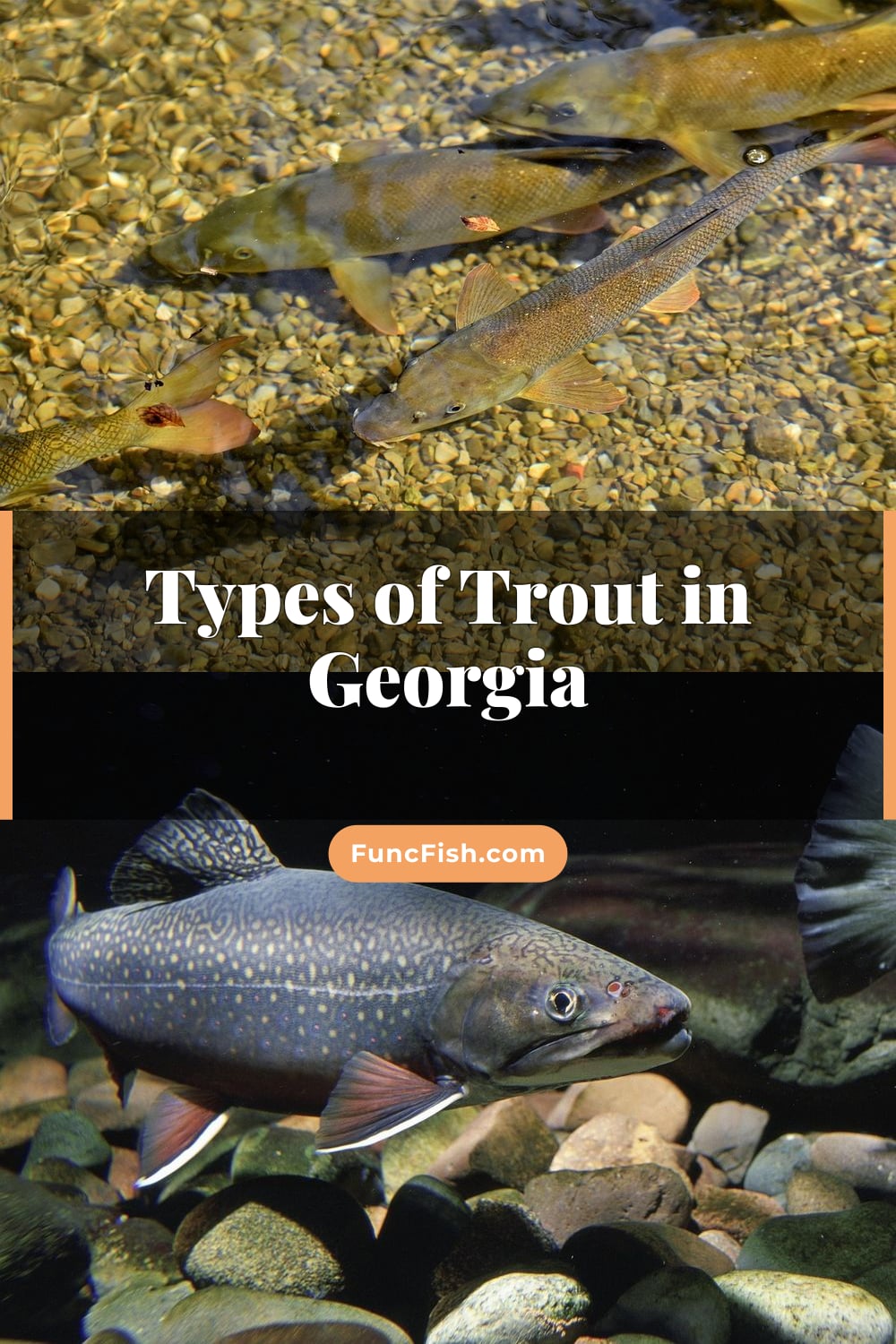
For anglers used to catching bass in warmer southern water, fly fishing for trout in Georgia are a unique experience. For those coming from lower elevations, standing waist deep in cold, crystal clear mountain stream and fighting against rainbow trout is an odd sensation, until you realize that this is what thousands of annual visitors comes to experience in the Blue Ridge Mountains every year. Because of clean headwater streams and strict stocking programs, state has been able to maintain quality regulated fisheries.
You will also find that different fish types will gives you a completely different experience. Each species fights, lives, and feed in its own unique way. Knowing this makes following regulations easier and it will help you increase your success rate.
Main Types of Trout Found in Georgia
1. Rainbow Trout
Certain fisheries is stocked with rainbow trout regularly, while others supports native brown trout. You can pick out the proper spot and the right lure based on knowing difference. Rainbow trout are main species here.
Rivers like the Chattahoochee is dominated by stocked fish, which are mostly rainbow trout. Streams like the Chattooga and Tallulah also mostly gets rainbow trout stockers. Rainbow trout is easily distinguished from other stream species because they has a pink lateral line extending down from the gill area to tail.
They also readily take lures and artificial flies from the bank and anglers love ‘em for that reason. No need for an expensive boat or fancy tackle to go trout fishing. In Georgia, most rainbow trout is stocked as fingerlings or even younger yearling fish.
This means there will be plenty of fish for your cooler, provided you keep eye on surface for those telltale signs of activity. Rainbow trout suspends in deeper water behind riffles where they finds slower water, and in the mornings they frequent feed on midges. Because they’re fairly predictable, rainbow trout provide a great learning experience for folks new to fly fishing.
2. Brown Trout
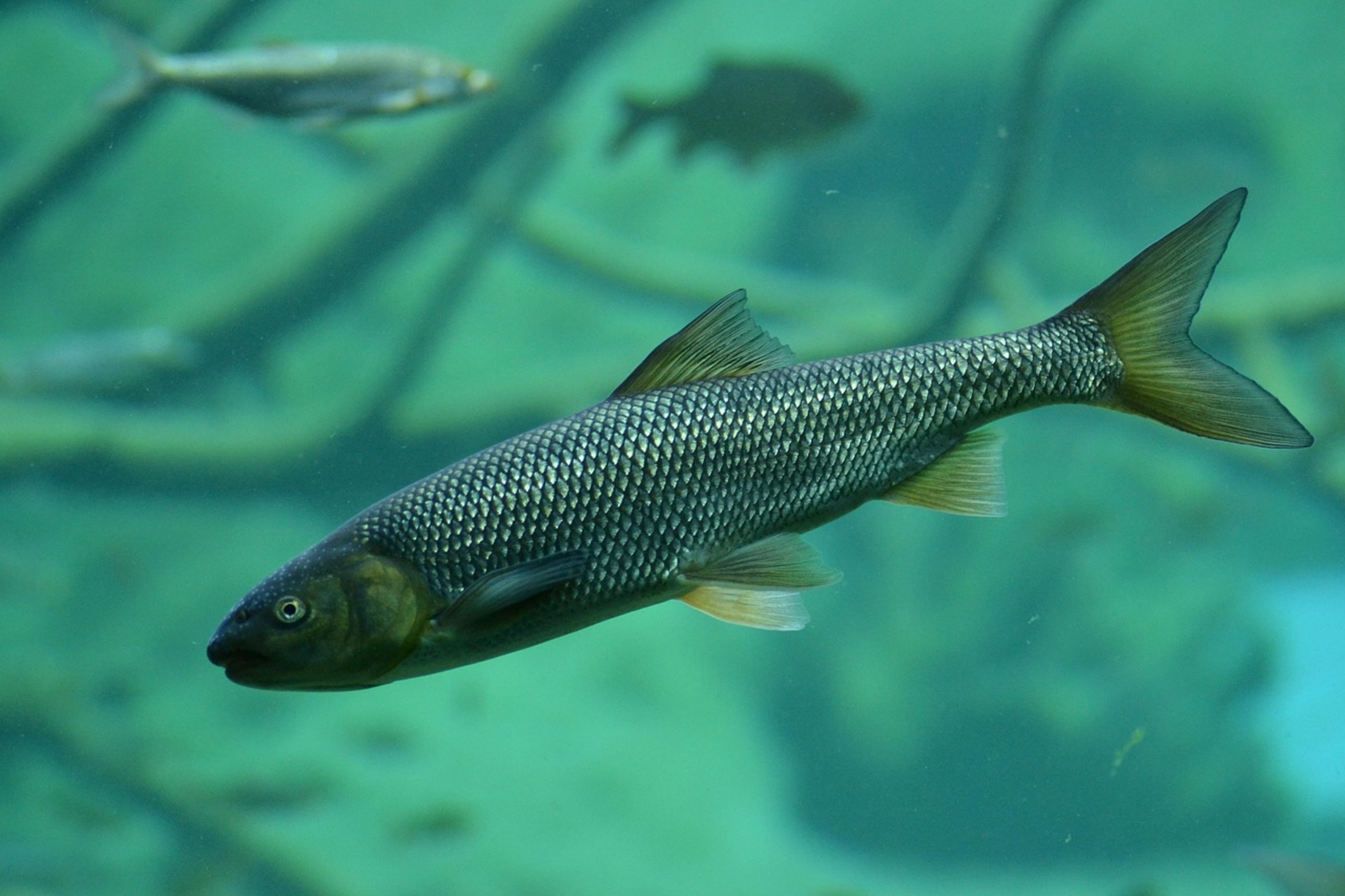
Unlike the rainbow trout, which feed aggressively on artificial flies and lures right from bank, browns is bigger and more wary. Originating from Asia and Europe, brown trout was introduced to many Georgia streams throughout the years. On rivers such as Chatuge and Hiawassee’s tailwater, you’ll encounter these fish in their preferred locations.
They likes the deep, cool sections of rivers. They tend to hold closer to bottom structure in heavy currents where cover is limited. To catch brown trout, patience is key because these fish will pick your offering apart for several seconds before swallowing it whole.
3. Brook Trout
With black spots and orange edges surrounding them, these olive-brown fish match the rocks found on the river bottoms perfect. When you hook one of the older browns, you know you’ve hooked onto something special; they puts up a hell of a battle and fight longer then most freshwater species.
Georgia’s most difficult-to-catch trout species, brook trout, thrive in cold water that is no warmer than 55 degrees Fahrenheit and is rich in oxygen. Global warming has raised the temperature on many mountain waters, pushing brook trout into upper reaches of their habitats. Today, both the Nantahala River and a few tributaries of the Toccoa River holds viable brook trout populations. Not only do they look different (red halo around the white spots), but brook trout also favors smaller mayfly patterns, such as tiny nymphs.
Brook trout inhabit headwaters of small creeks rarely accessed from roads. This makes them more challenging to reach but it provides solitude to those willing to huff-and-puff it back there to enjoy low-pressure days of fishing.
4. Cutthroat Trout
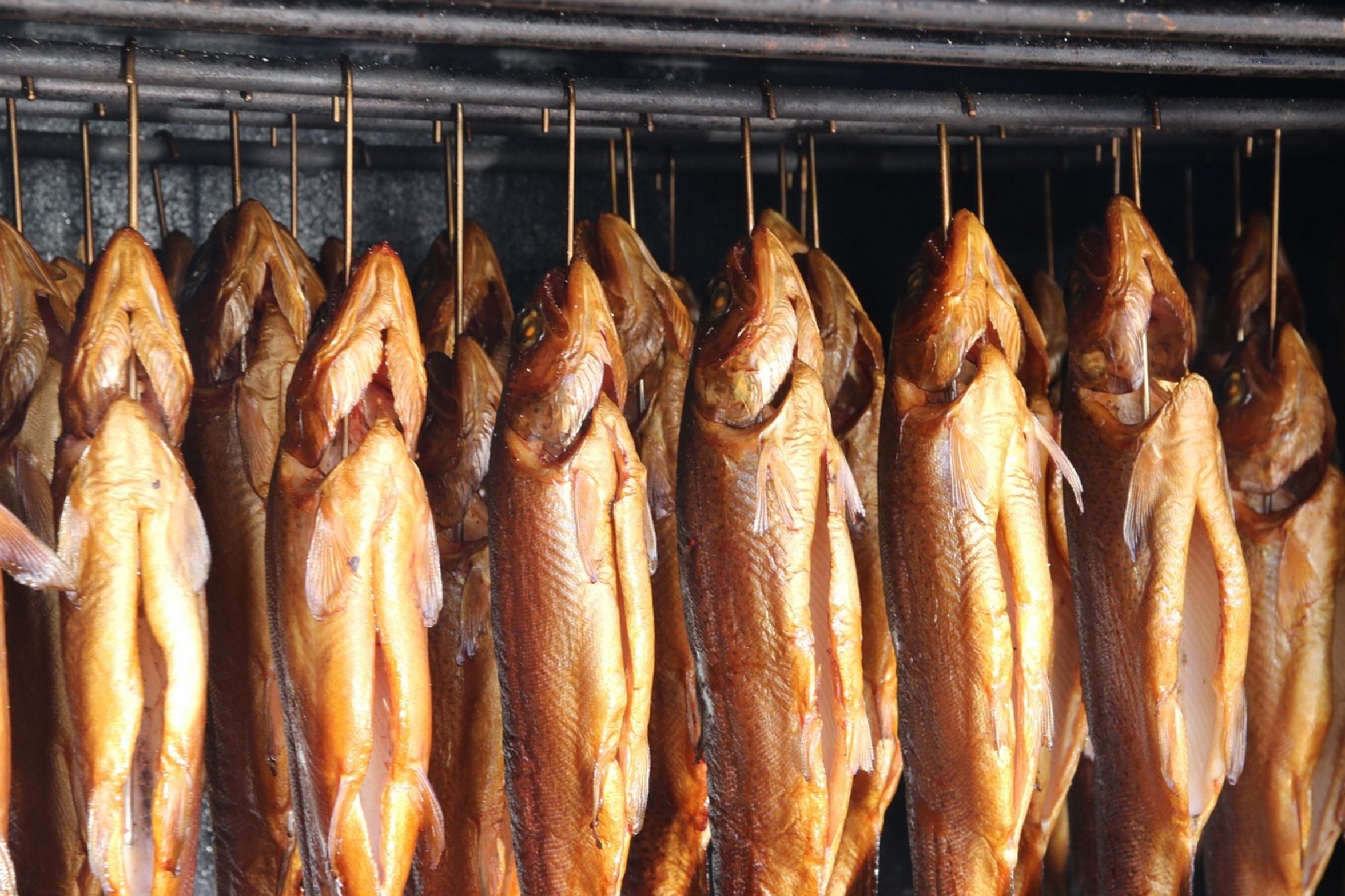
Less often, Cutthroat Trout may also be found on some managed waters but not natural waterways. Cutthroat trout are not native to Georgia. From time to time, they finds their way into private ponds that mimic western lakes or come from hatchery releases. The cutthroat is easy to ID as it will have a red slash below its lower jaw.
While less common then rainbow trout, cutthroat trout offer great table fare and are fighters too. Those who sees them most often catch them in impoundments when manager seeks to increase variety in the food source. Seeing cutthroats on a fish list shows that managers is carefully balancing different fishing opportunities with the protection of native ecosystems.
5. Golden Trout
For the most part, Golden Trout are tournament or ornamental fish and not necessarily targeted by more traditional angler. Native to California, golden trout do best in controlled temperature man-made lakes or other closed systems. If you run into one, they might of been competing in an event or living in state park ponds where they is strictly off limits.
From afar, their beautiful gold side color realy stands out from the usual river colors. Since wild fish are not legally found here, few individual angler target golden trout specifically. However, their existence in these regulated waters shows an effort to promote awareness of the varied salmonid life that can exist while protecting delicat stream habitat.