
Tuna is a diverse food source that contains many different species of fish. The flavor, texture, and fat content of tuna change depending upon the species of tuna that is chosen. Therefore, the species of tuna can be chosen based off the way in which the tuna is to be prepared, or upon the amount of money that is to be spent on the tuna.
Common Varieties of Tuna You Should Know
1. Yellowfin Tuna
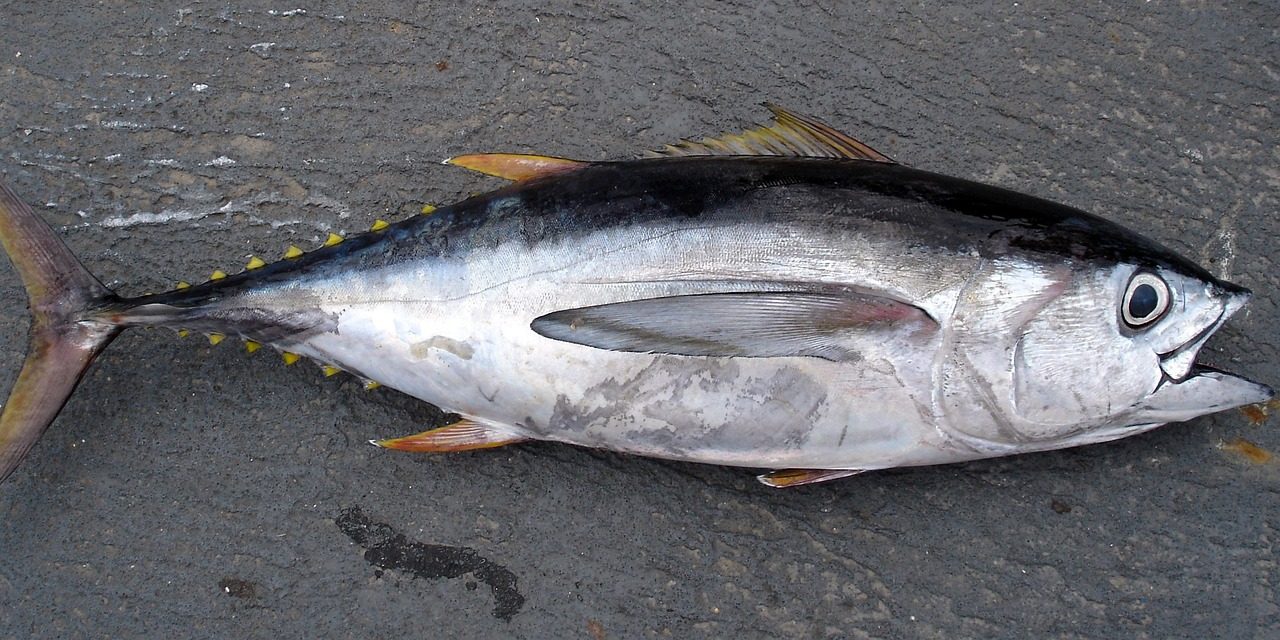
Yellowfin tuna are a common species of tuna that is available in grocery stores. Yellowfin tuna is abundant and relatively inexpensively. Yellowfin tuna contains pale pink to deep red flesh and is lean.
Because it is lean, yellowfin tuna hold its shape when grilled or prepared into a poke bowl. Yellowfin tuna lives in tropical oceans and is available year-round. However, because yellowfin tuna is abundant and fast growing, it is subject to overfishing.
Therefore, you can purchase yellowfin tuna caught with pole and line methods to support better fishing practices.
2. Skipjack Tuna
Skipjack tuna is another of the most common species of tuna. Skipjack tuna is the most common species of tuna used in canned tuna products.
Skipjack tuna is a small species of tuna with dark flesh and strong flavor. Because of the strong flavor of skipjack tuna, it is used in tuna sandwiches with mayonnaise or pickles. Skipjack tuna is a resilient species with rapid rate of reproduction.
However, because fishing fleets catch large amounts of skipjack tuna, fleets often catch other sea animals. To avoid this issue, tuna with sustainability certification is recommended.
3. Bigeye Tuna
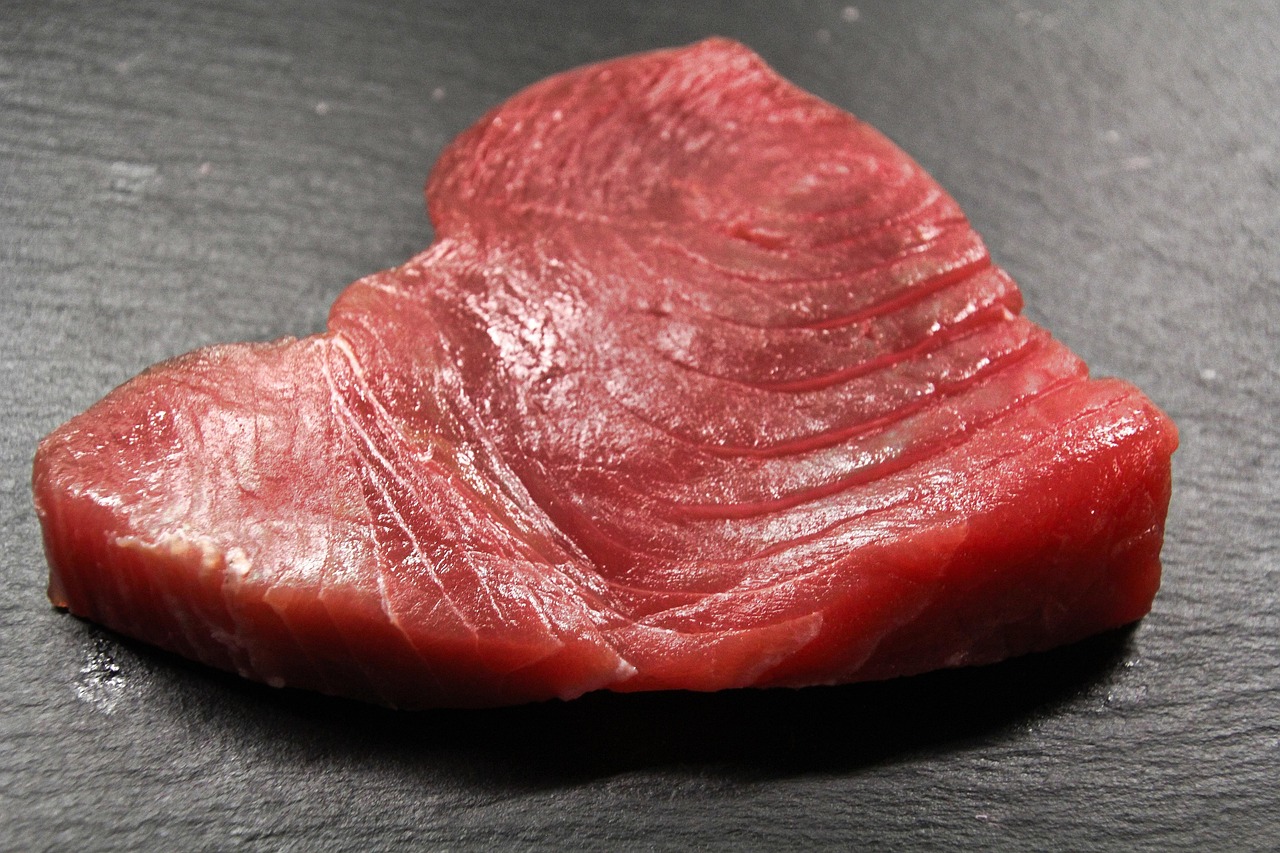
Bigeye tuna is a species of tuna that many chefs reference as ahi tuna.
Bigeye tuna lives in deep and cool water, resulting in its higher fat content compared than yellowfin tuna. Due to the fat content of bigeye tuna, bigeye tuna has a rich texture and is often used in sushi. Bigeye tuna is more expensive than yellowfin tuna, as bigeye tuna is a species that is more difficultly to find.
Additionally, people often prepare bigeye tuna by seasoning the tuna with salt and pepper and searing the fish in a hot pan.
4. Albacore Tuna
Albacore tuna is a species that is often sold as “white tuna” in canned products. Albacore tuna has a mild flavor and light color.
Albacore tuna is a good option for those who dislikes the strong flavor of skipjack tuna. Albacore tuna has a higher fat content than yellowfin tuna but less than bigeye tuna. Albacore tuna can contain high amounts of mercury in the body.
Therefore, it is recommended that individuals eats albacore tuna in moderation, especially pregnant women and young children whose bodies is more sensitive to the effects of mercury.
5. Bluefin Tuna
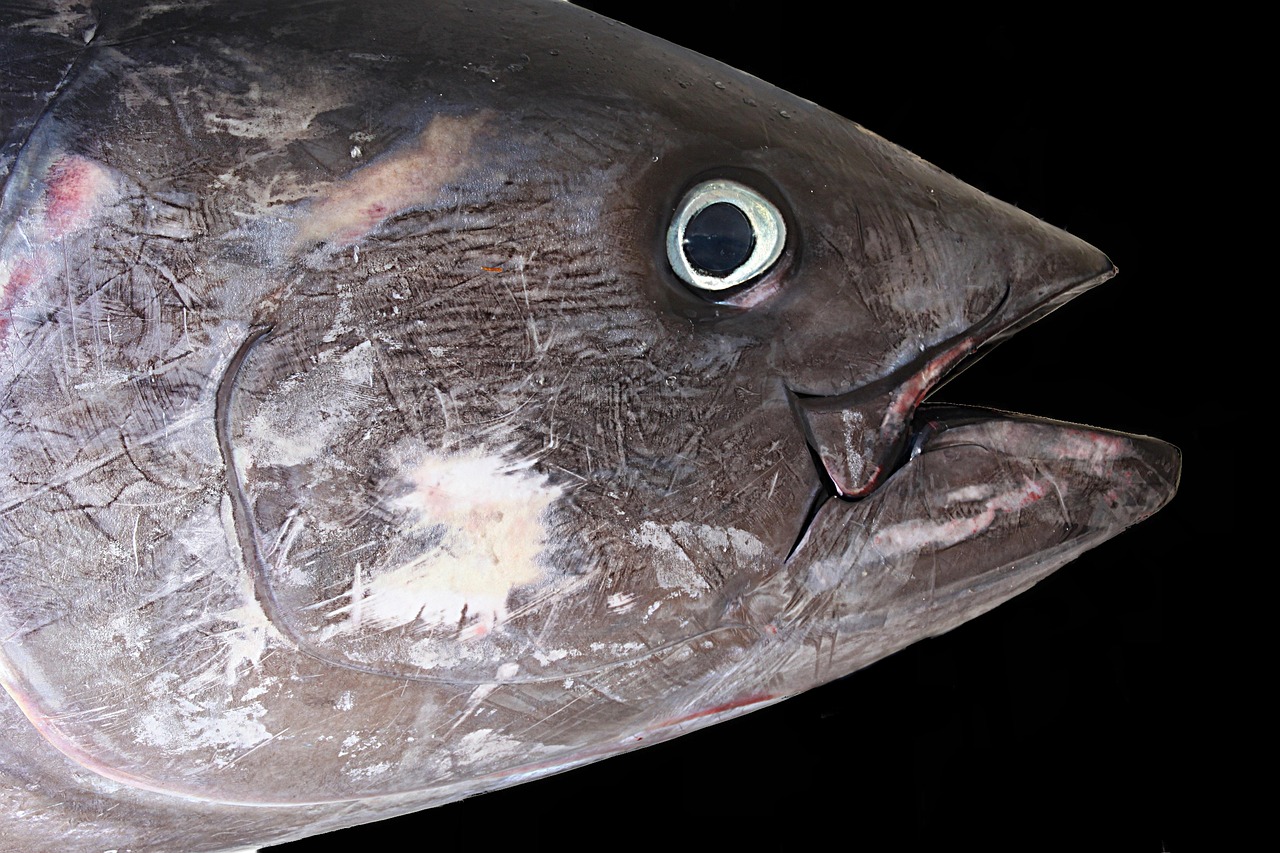
Bluefin tuna is a very large and expensive species of tuna. Bluefin tuna contains three different types of tuna, and each type contain dark red flesh that is high in fat content.
Due to the size of bluefin tuna and the slow growth of bluefin tuna, many species of tuna is at risk of overfishing. Additionally, the fat content of bluefin tuna allow the fish to have a rich flavor and melt easy when consumed. Due to the popularity of bluefin tuna, many governments has instituted strict quotas for the amount of tuna that can be caught.
6. Blackfin Tuna
Blackfin tuna is a small species of tuna that is found in the Gulf of Mexico and the Caribbean Sea. Blackfin tuna has a sweet flavor and is often used in ceviche. Blackfin tuna is a small species of tuna that fishing fleets dont often catch.
Thus, blackfin tuna has a lower environmental impact than other species of tuna.
7. Longtail Tuna
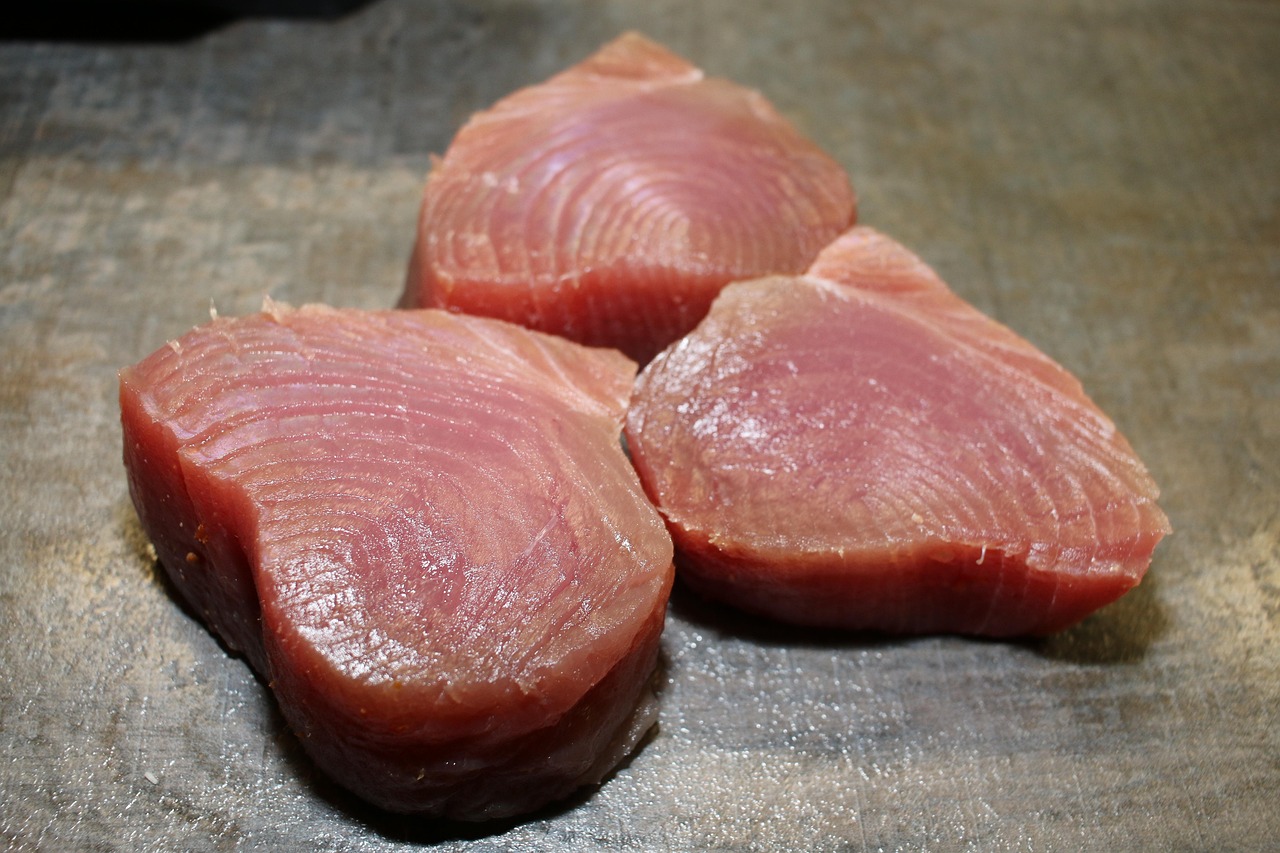
Longtail tuna is a species of tuna that is lean and has a firm texture. Longtail tuna is often used in curries and stir-fries.
Longtail tuna is a versatile fish, but it is not common in markets compared to other species of tuna. When purchasing tuna, consider the occasion for which the tuna will be prepared, the cost of each species of tuna, and the fishing practices that will be use to catch the tuna. For instance, if preparing tuna for an casual meal, skipjack or yellowfin tuna can be purchased.
However, if preparing tuna for a formal meal, bigeye or bluefin tuna can be purchased. Thus, understanding the different species of tuna allow an individual to make a decision as to which species of tuna will best suit there needs.