
A person may feel a sharp and sudden bite under an ice. This type of bite is typically the result of a quick tap on a fishing line from a crappie that is resting on the bottom of a lake. Night ice fishing for crappie transforms a peaceful activity into a magical one when the person who is ice fishing looks at the stars reflecting off the lake’s surface and observes the glow of an LED light in the ice where the fish live.
Crappie seem to rise from the depths of the water when hungry for food because their hunger is greater than when they are active during the daylight hours. Crappie typically behave differntly after the sun set. The crappie angler who understands these behaviors will succeed in reeling in the fish while others fish in frustration and drink cocoa at there trucks.
To be successful in night fishing for crappie, anglers must respect the unique conditions that develops during these periods of darkness. Crappie live in shallower waters on clear nights, and they suspend in the water at different depths. Crappie are also more responsive to these presentations during the night than they are during the day.
Adapting techniques to account for these changes can create a difference between anglers that sit in their truck with nothing to show for their efforts as opposed to anglers that are successfully filling their bucket with fish that average fourteen inch in length. These tips will allow anglers to separate themselfs from the others who find success only occasionally when they fish for crappie during the night. Anglers should begin to adjust their electronics before the last light of the day has faded over the horizon.
Effective Tips for Night Ice Fishing Crappie
1. Adjust Electronics Before Sunset
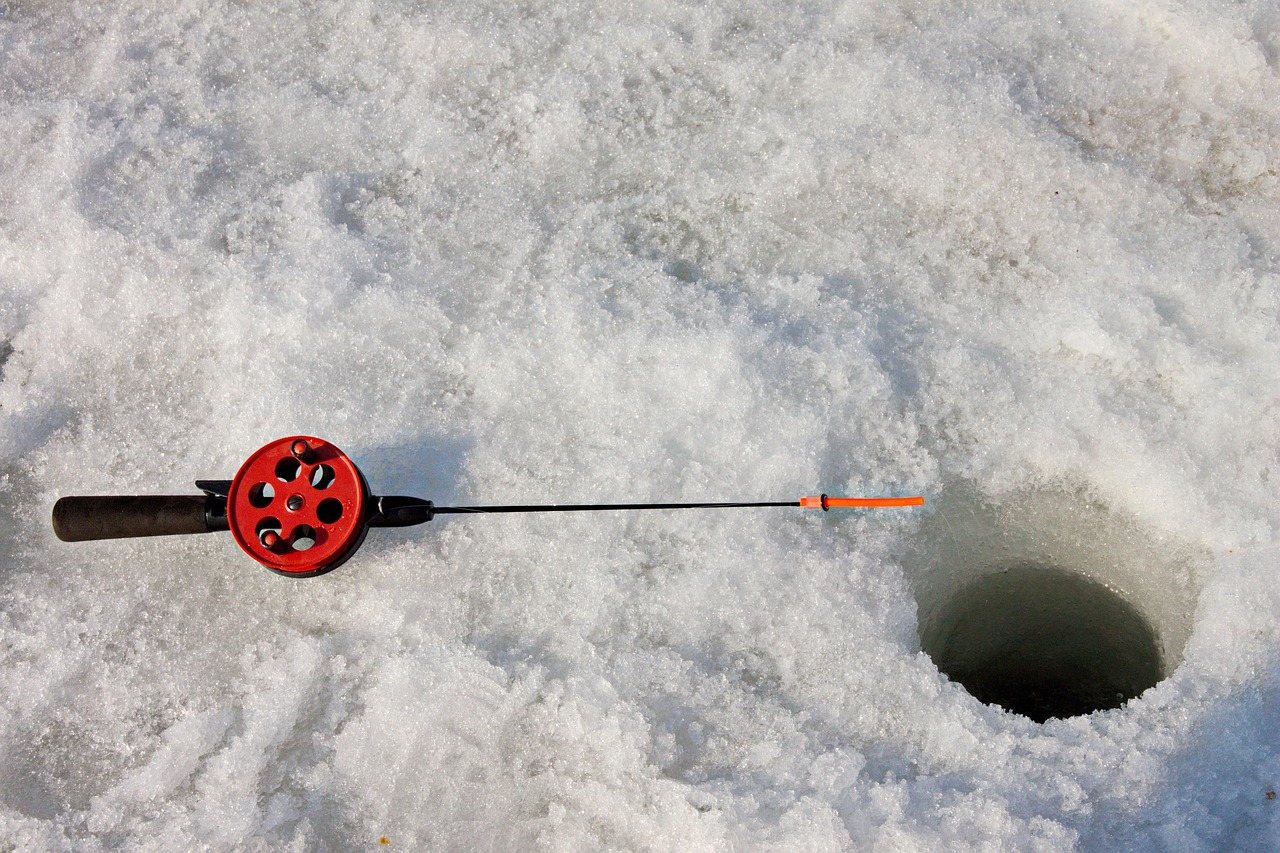
The settings that are effective during the summer may not work well for crappie that live in the lake during the winter months. One way to find the best settings for fishing for crappie during the night is to drop the transducer into the ice hole and spend ten minutes marking the location of crappie at various depths in the water. The angler can use the natural light of the lake as a guide for these observations.
When the angler has completed dropping the transducer into the lake and observing the crappie, they will know which depth settings to use on their electronic device. This effort will prevent the angler from wasting the first hour of darkness when the crappie are active fishing in deeper waters where they cant be observed with the use of the electronic device. The light that is used during fishing for crappie can make or break a successful trip.
2. Use Green LED Lights
A bright white light will scare the crappie fish for thirty yards in every direction. Instead, an angler will clip an LED light of compact size with a green color to the side of the ice hole and point it slightly out from the anglers. Green light penetrates deeper into the water than other colors, and it appears to interest the crappie without scaring them.
Additionally, it is possible that the best fishing trips occur when the fisherman accidentally drops a light into the ice. In these instances, crappie will be discovered in dense groups near the light. The type of jig that is used has more importance after the sun sets.
3. Select Small Tungsten Jigs
The lateral line of crappie is more active after sunset, and it is easier for them to detect shiny objects in the dark. However, overly shiny jigs can scare the crappie during these hours. An alternative is to use a small tungsten jig with a small amount of plastic that glows.
The glow will be of a color such as green or chartreuse that will charge quickly and fade. Additionally, the jig should have the lightest jigging motion possible; the jig should have tiny quivers in the motion that are no bigger than a shiver. These small movements match the way the baitfish that crappie eat twitches when the water temperature are near freezing.
4. Target First Major Breaklines
Location is more challenging to determine during the night hours. Crappie will often travel to flats during the winter months that may not have any feature during the day. The spot that anglers should target are the flats along the first major breakline that exists outside of the spawning areas of crappie; crappie tend to move to shallower waters along these flats to eat the minnows and insects that become active during the night hours.
An effective strategy is to drill a grid pattern across the flat area that is targeted by the angler. If crappie are not being successfully caught in one spot, it is recommended that anglers move to a different spot every twenty minutes. It is possible that while one spot may reveal no crappie, another spot that is thirty yards in distance from the initial spot may contain twenty crappie suspended in the water; these spots will reveal crappie on clear winter nights.
5. Use Four Pound Fluorocarbon Line
The type of line that is used can impact every other decision that an angler makes while fishing for crappie. A four-pound test fluorocarbon line will disappear better in the fishing light than a monofilament line. Fluorocarbon line will also allow anglers to detect bites that may otherwise go unnoticed.
It is best to tie the jig directly to the fluorocarbon line without using any additional line or swivels. Any additional line will impact the fall rate of the bait. Additionally, ice crystals that may form every few hours may nick the line; a nicked line will cause an angler to lose the crappie that was caught.
6. Fish During New Moon Periods
By bringing a small spool of line to the ice fishing spot, anglers can easily retie the line in the case of nicks. The best time of the month to fish for crappie is during periods of the darkest nights of the month; typically during the new moon period. Baitfish feel safer during these times when they travel away from the structures in the lake.
However, if the full moon is bright, crappie may be more active during the time just after sunset and just before sunrise. During periods of bright moons, anglers should use larger baits and perform more aggressive jigging so that the crappie can see the bait. During the pitch-black periods, smaller baits with slower jigging actions should be used so that the crappie can find the bait by feel.
7. Dress in Moisture Wicking Layers
An angler should dress appropriately for winter when they go to fish. Sitting on the ice for two in the morning will lead to the angler losing heat at a rapid rate. Light clothing in the form of thin merino wool closest to the skin; add a fleece garment; wear a windproof shell over the other layers.
Avoid bulky insulated clothing that will cause anglers to sweat while they travel to the fishing spot. Bring chemical hand warmers to place in the angler’s pockets and a rechargeable heated beanie to avoid having the head become the coldest portion of the body. Anglers comfort will allow them to stay on the ice for longer hours; during these hours, crappie typically eat the most.
8. Master the Sideways Hook Set
Hook sets will require practice for anglers who fish for crappie after sunset. Anglers should keep the tip of their fishing rod low and pointed directly at the hole in the ice. By doing this, there will be no slack in the fishing line.
When the angler first feels the faintest tick on the fishing line, they should sweep the fishing rod sideways; doing so will allow for the hook to remain in the mouth of the crappie. An upward motion of the fishing rod can result in the hook being pulled directly out of the crappie; many nice crappie fish are lost during the first few seconds after the crappie is hooked. By practicing this sideways hook set, the angler will typically catch the crappie and bring it to the ice without difficulty.
9. Choose Scented Plastic Baits
Various types of bait may be used while fishing for crappie after sunset. Using live minnows can be effective as bait; however, live minnows require attention so that they are not entangled in the fishing line. Using plastic baits that have been impregnated with scent will typically be more successful than live bait.
Additionally, varieties of plastic baits with a color like motor oil or smoke with a red flake will attract crappie that weigh around two pounds. These types of baits work well because scent trails will help the crappie locate the bait when visibility in the water is nil. Anglers should pay attention to the level of noise that they make while fishing for crappie.
10. Minimize Noise and Conversation
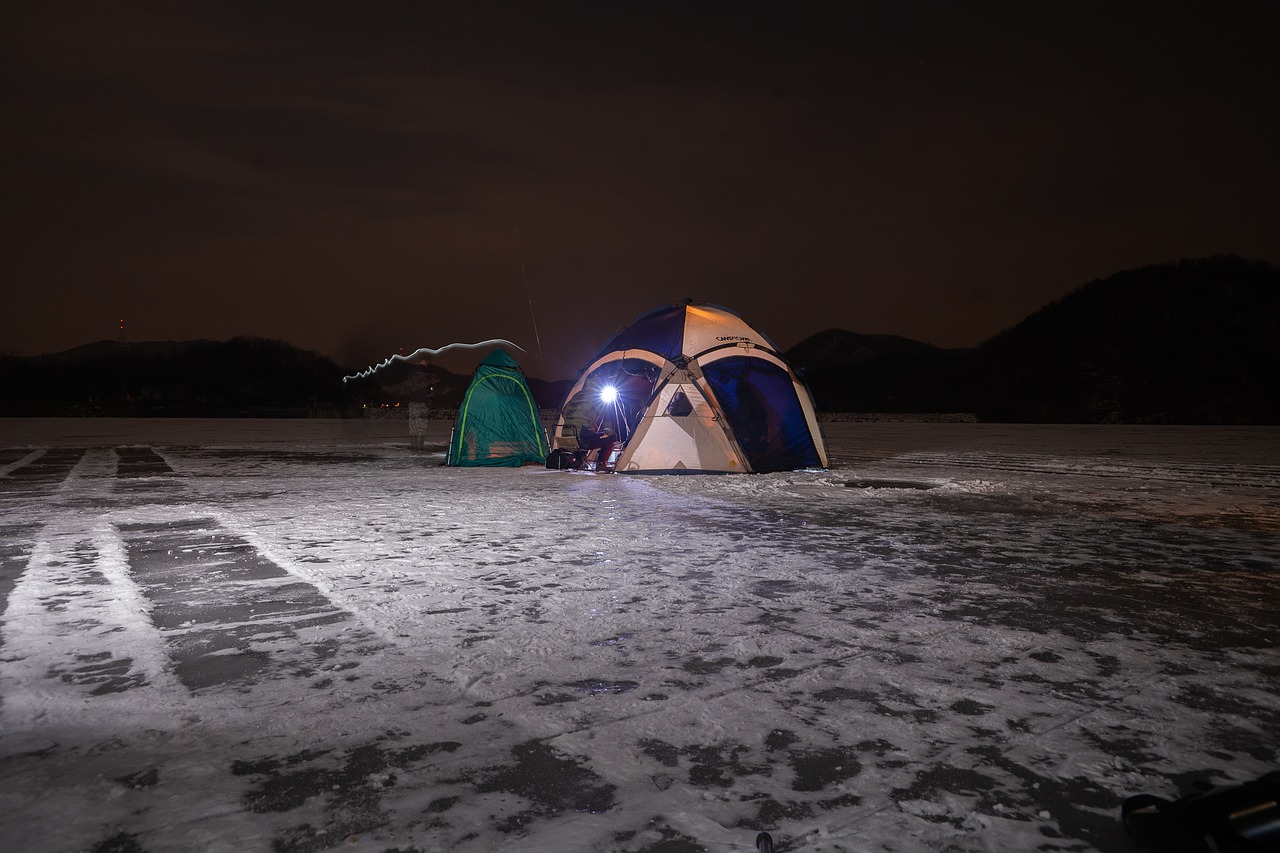
The louder the voices, the farther the sound will travel across the ice and water to the fish. Anglers should keep their conversations to a minimum while they are fishing and move to the least amount possible when they find crappie fish. Some of the best fishing trips will occur when anglers in a group sit quiet and allow the crappie to eat without the noise made by other anglers.
Anglers should pay attention to the weather prior to heading out to the ice fishing spot. Clear winter nights that have a steady barometer typically provide the best ice fishing experiences. Crappie are not fond of sudden changes in barometric pressure and will establish patterns in the water that anglers can exploit who understand their behaviors.
These types of conditions will typically reveal the best fishing opportunities during the winter months for crappie. Nighttime ice fishing for crappie will reward those who are patient and will punish the loud. If anglers understand how to prepare and what types of techniques to use when fishing for crappie after sunset, they will find success with the species.
The crappie are patiently waiting for anglers in the black water beneath their boots. All that anglers must do is meet the fish on their terms and take advantage of the darkness when freshwater anglers will catch the finest eating crappie.