

The rivers and lakes in Illinois contains many catfish that many people misunderstand. While catfish may not receive the same amount of attention from anglers as some of the more glamorous fish in lakes and rivers, catfish will bite when other fish species will not bite. Furthermore, catfish put up a strong fight when you reel them in, and the taste of catfish is often better than many anglers will admit.
If you spend a significant amount of time fishing along the lakes and rivers of Illinois, you will see at least six different species of catfish living in these waters. Each of these species of catfish have their own personality, preferred habitats, and requirements for catching them. The waters of Illinois is diverse and contain species like the Mississippi River and several smaller prairie creek systems.
The variety of these waters allows for the variety of catfish species to live in these area. For instance, some catfish species prefers the deep pools in the rivers, while others prefer to live and hunt for prey in the shallower riffles in those streams. Although most fish of that size can be seen in the water of Illinois, some of the largest catfish species can grow to the weight of many anglers fishing stories.
If you understand which species of catfish live in the waters of Illinois, you can adapt your fishing method to target these species specifically. The following describes the different types of catfish that live in Illinois, from the most common species to those that provide the most intense experience for the dedicated angler. The most common type of catfish that live in the waters of Illinois are channel catfish.
Common Species of Catfish in Illinois
1. Channel Catfish
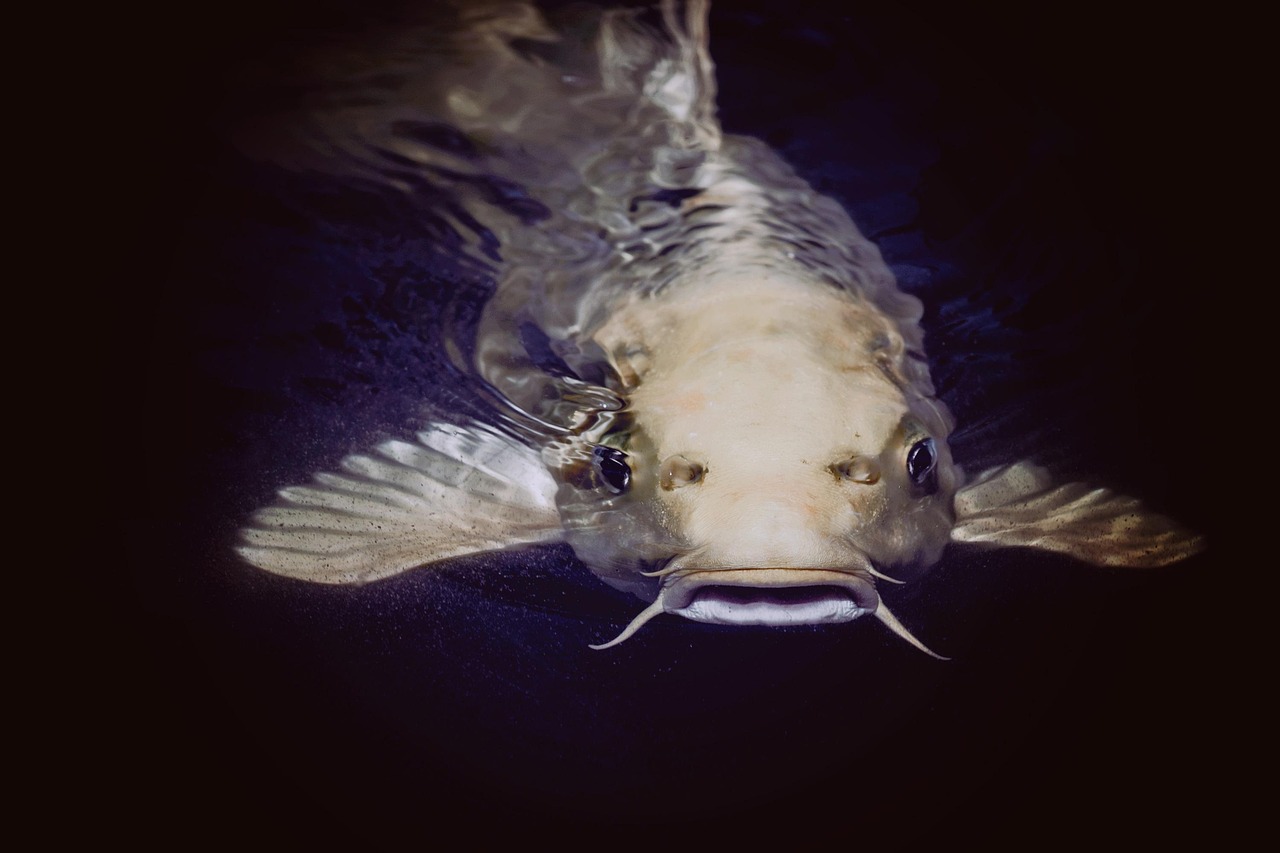
Channel catfish have slender and graceful body, as well as spots on their young fish. Channel catfish have an abundance of habitat in which they live, from ponds to rivers. The weights of channel catfish in Illinois are generally limited to around twenty pounds, although they have a powerful fighting strength and can jump out of the water when anglers reel them in.
Channel catfish can be caught with cut bait, nightcrawlers, or stink bait. Channel catfish will live in the dirty waters that form after rain event, which makes them a good species for beginners to target. Yet despite the species abundance in the waters of the state, the fighting strength of the giant channel catfish make them the top species on this list of catfish.
2. Blue Catfish
Similar to channel catfish, but larger in size, are the blue catfish species. Blue catfish has the same body structure as channel catfish but grow to reach weights of over thirty pounds in areas like the Mississippi and Illinois River. The body of the blue catfish has a bluish sheen to its side, while the tail fin of the catfish has a straight edge to it, as opposed to the channel catfish whose tail fin has a rounded edge.
Additionally, blue catfish species do not contain the spots that are found on young channel catfish. Blue catfish live in deep waters with a strong current. The blue catfish will not be interested in small bait casts into the water, but will target large chunks of shad fish or skipjack.
To catch these fish, anglers must use heavier tackle and have patience when fishing for these species. Many anglers desire to land a thirty-pound blue catfish which is considered a trophy fish in Illinois.
3. Flathead Catfish
Flathead catfish have a somewhat different behavior than other catfish species. Flathead catfish have large heads with a square shape, small eyes, and fighting strength that is powerful enough to swallow basketballs. These fish eat other fish species when they live in the dark of the water; these species have a preference for areas with heavy cover in the water, such as submerged trees, rocks, or bridge pilings. Flathead catfish may be pale yellow or dark brown in color, depending on the water clarity.
To catch these flathead catfish, anglers can place a live sunfish or bullhead fish on a hook and leave the area to darkness in which the flathead catfish will be interested. The fight between the angler and the flathead is often described as a slow and powerful tug of war between the two. Due to the fighting strength of flathead catfish, catfish anglers who are dedicated to catching the flathead species often focus on nothing but flathead catfish.
4. Black Bullheads
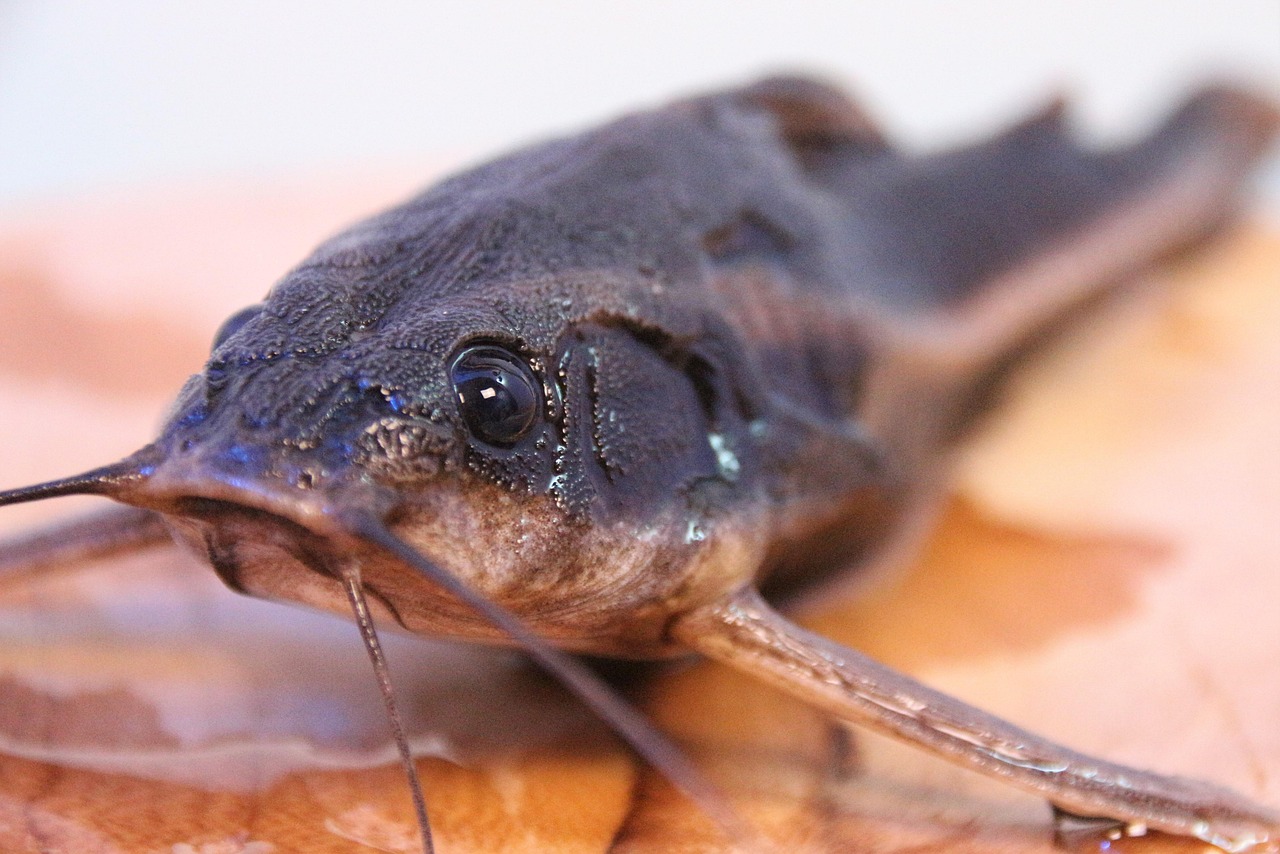
Black bullheads are a small catfish species with a high level of survival in their environment. Black bullheads are dark in color, have sharp spines on their sides that may hurt an angler who hooks the fish carelessly, live in shallow waters, and live in muddy waters. Additionally, black bullheads can live in polluted waters that are difficult for other fish to survive in.
The tail of a black bullhead has a squared-off end to it, like flathead catfish, but the black bullhead weigh much less. Black bullheads will bite on worms or dough balls that are thrown into the water during the daytime. While black bullheads are not a primary food species for many anglers, they are a popular species to catch for children fishing from the shore.
Furthermore, many people enjoy the taste of fresh black bullhead that are fried up and served at fish fries in central Illinois.
5. Stonecats
Stonecats are a species of catfish that many anglers in Illinois may ignore. These species are small, slender fish species that rarely grow larger than ten inches in length.
The stonecat has venomous spines that can hurt an angler who catches the species without care. These species like to live under flat rocks in clear creeks in areas like southern and central Illinois. The stonecats come out of the water at night to hunt for insects that live in the water.
The bodies of stonecats are olive colored on the back and pale on the belly. While other fish species live in the streams of Illinois, anglers often target stonecats when fishing with tiny hooks for bait while fishing for smallmouth bass. Anglers use stonecats as bait for other fish species, as well as using the presence of stonecats to indicate the quality of the water in which they live.
6. Tadpole Madtoms
Tadpole madtoms are one of the species of catfish in Illinois whose bodies are smaller than most other species of catfish in the state. Tadpole madtoms have body structures that are rounded and have heads that appear to be those of tadpoles. The size of tadpole madtom is between three and five inches in length.
Tadpole madtoms live in areas of the water that contain alot of vegetation, such as backwaters, oxbows, or ditches in which tadpole madtoms live. Additionally, like stonecats, tadpole madtoms have venomous spines on their bodies. Tadpole madtoms eat the larvae of insects and crustaceans that live in the same habitats as the tadpole madtom species.
As a result of the importance of tadpole madtoms within the ecosystem of Illinois, despite the lack of interest that anglers has in these species.
7. Brindled Madtom
The brindled madtom is a species that can be found in shallow areas of Illinois streams. The brindled madtom has vertical dark bars on its sides that match the color of the gravel and cobble stones on the stream bed.
The brindled madtom is slightly larger than tadpole madtoms and grows to six inches in length. Brindled madtoms prefer areas with fast-moving water in which there is high levels of dissolved oxygen in the water. After the sun sets, brindled madtoms will come out of their hiding spots under rocks in streams to catch other insects that drift by them.
If anglers encounter a brindled madtom while flipping stones in a stream, especially one that has spring water that feeds it, they have likely found a treasure in the water. Because of the dependency of brindled madtoms on the health of the streams in which they live, these species are more important than their small size might indicate.
8. Mountain Madtom
The mountain madtom is one of the rarest species of catfish that live in the waters of Illinois.
These fish species live in the clear rivers and streams in the southern part of the state. The mountain madtom has two dark saddles across its back. To live in these habitats, the mountain madtom requires pristine waters that contain plenty of cover for the catfish to rest and fish.
Additionally, the water must have a consistent flow. These species become vulnerable if any of these requirements is not met for their survival. Seeing a mountain madtom species indicates the health of that specific creek in which the fish species lives and how many other species live in that same environment.
While they provide little sport or food for anglers, the presence of the mountain madtom species indicates the diversity of catfish species to anglers in Illinois. Catfish fishing experiences are available for anglers of all experience and all levels of mood. Whether you are chasing giant blue catfish along the mighty Mississippi River in Illinois, or pursuing madtom species in a tributary river system that is fed by a spring in the state, or dropping a worm into the water for channel catfish species that live near the fishing dock in Illinois, there is a type of catfish species to catch.
The next time you feel a thump on your fishing line after the sun sets over the Illinois landscape, take a moment to observe the fish you have caught and identify its species. By taking these few moments to observe fish species when you are fishing, you are connecting to the waters of Illinois and the species that has fished for the survival of these anglers for thousands of years. If you go fishing for catfish, ensure that you get your hands a little slimy, and see which species of catfish finds you first.