
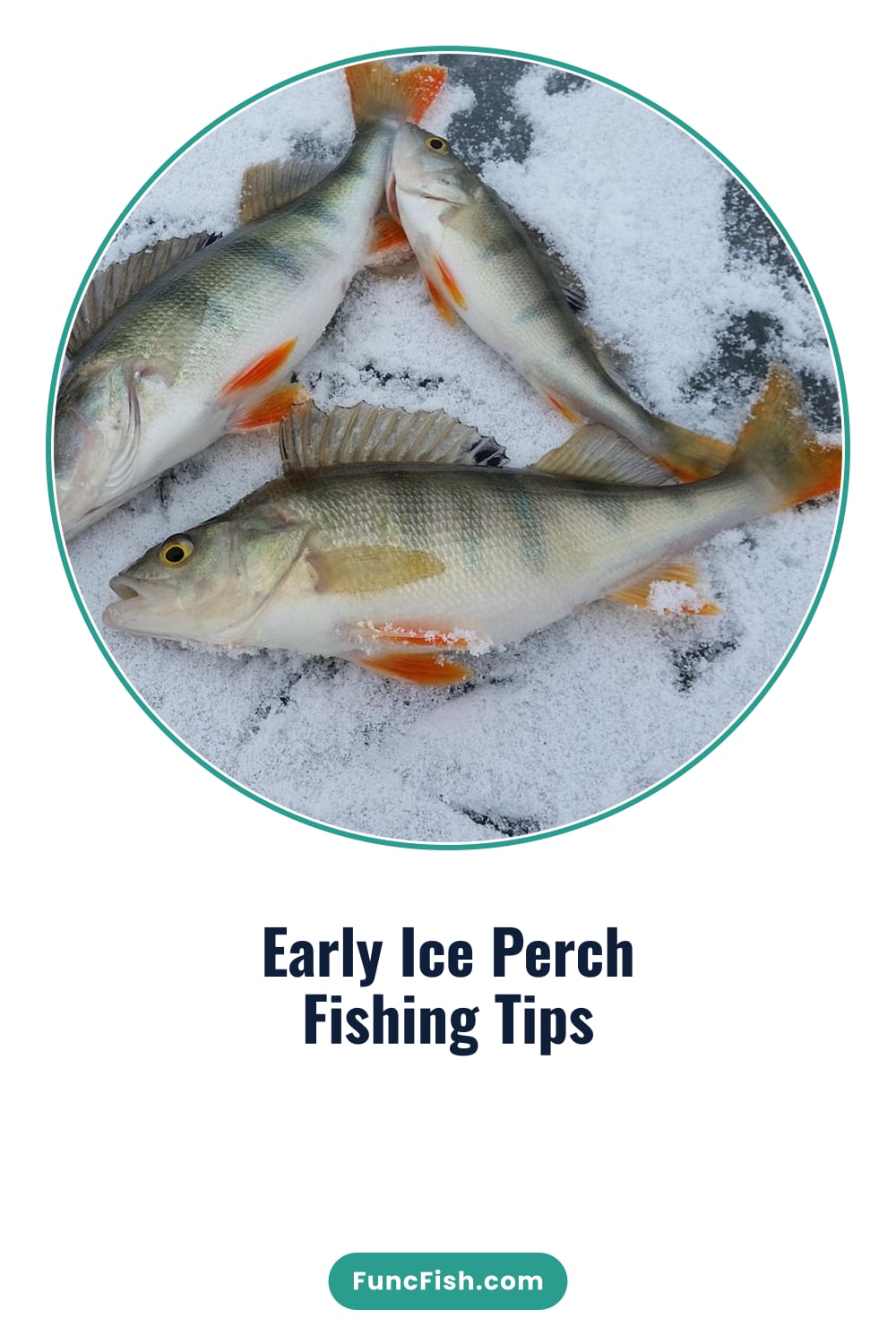
The first thin layer of ice have formed on the lake. Your thoughts have already turned to the plump yellow perch that is in the depths of the lake, waiting for you to find them. Early ice fishing for perch is one of the simplest methods of starting the hard-water season for an ice fisherman.
However, it is also one of the most rewarding methods of starting the hard-water fishing season. The fish can be caught quickly with minimal gear, and the action can be fast enough to make your fishing rods ache from continually resetting tip-ups or jigging them. Yet, success is required to find the perch, and success isnt automatic.
By making a few adjustments to your fishing method for the early stages of the ice fishing season, you will find yourself with a limit of fish that measure twelve inch or better. Below are the lessons that separate the early-ice fishing anglers who consistently find the perch from those who do not. These lessons are the techniques that will allow you to find the perch when the ice is only a couple of inches thick.
These techniques work because the water is still relatively warm with the cold season yet to come, and the perch have not yet become sulkier for the winter. Pay close attention to each of the tips included in this article. By doing so, you will find that the remainder of the winter will be more easier for you.
Best Tips For Early Ice Perch Fishing
1. Locate the Transition Zone
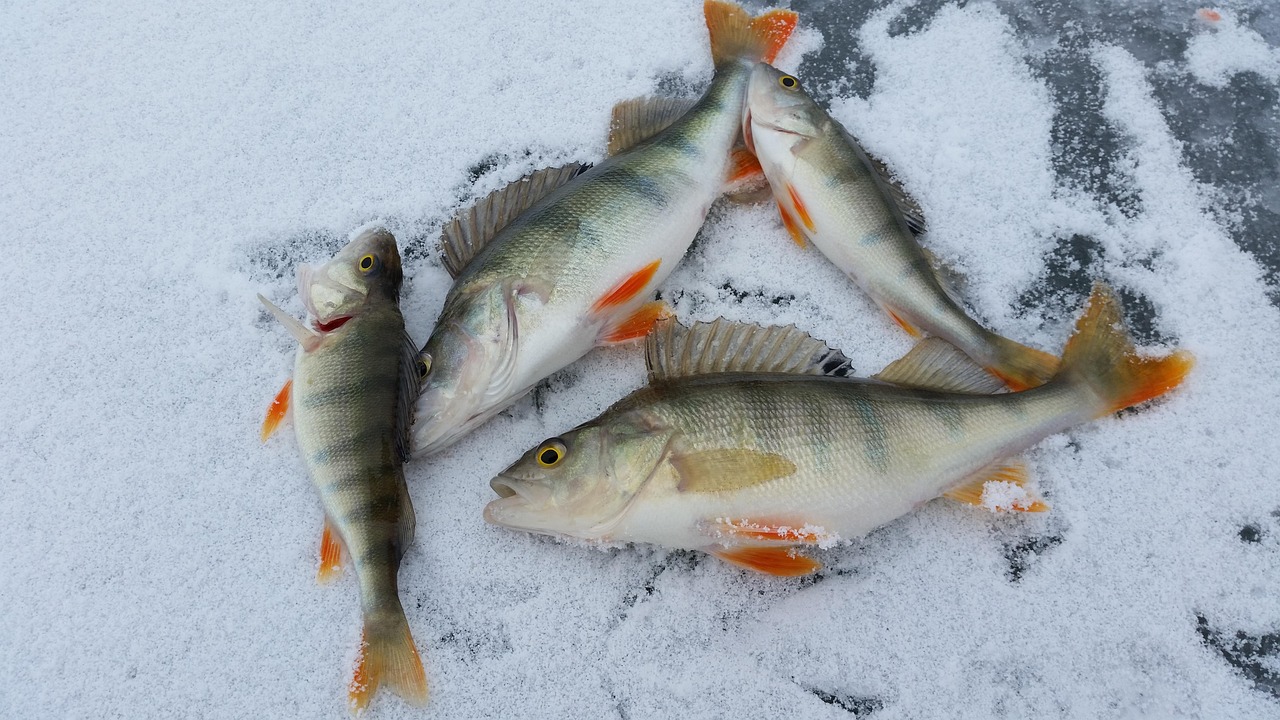
Where you drill your fishing holes is essential to locating the perch during this time of year. The best spots to find the perch are where the green vegetation grows into the lake bed (where the brown bottom begins). The perch will typically still be found in the last remaining areas of cabbage and coontail bed, which can be found between four and twelve feet deep into the lakebed.
Many fish beginners will head to the deep mud flats that are fished in January, but this is a little too early for these spots. Instead, follow the lake bed’s line along the main points of the lake or follow the first area where the lake drops from flat terrain into deeper waters. This area between the two points is the “transition zone” in which the perch will be found.
2. Minimize Noise and Vibration
Where the lake becomes deeper, the perch will begin to move to the deeper portions. How you enter the ice is important. You should walk softly on the snow.
The sound that travels through the thin ice is capable of finding the perch, even if they are located only ten feet from where you enter the ice. A heavy footfall may cause the perch to move fifty yards from where you enter the ice. This is why many experienced anglers will park their snowmachines or four-wheelers a couple of hundred yards from where they will enter the ice.
They will use a sled to drag their fishing rods and gear to where they will fish. This may seem like a small adjustment to your fishing method, but it is one that makes a big difference when fishing during early stages of the season.
3. Use Ultralight Jigging Gear
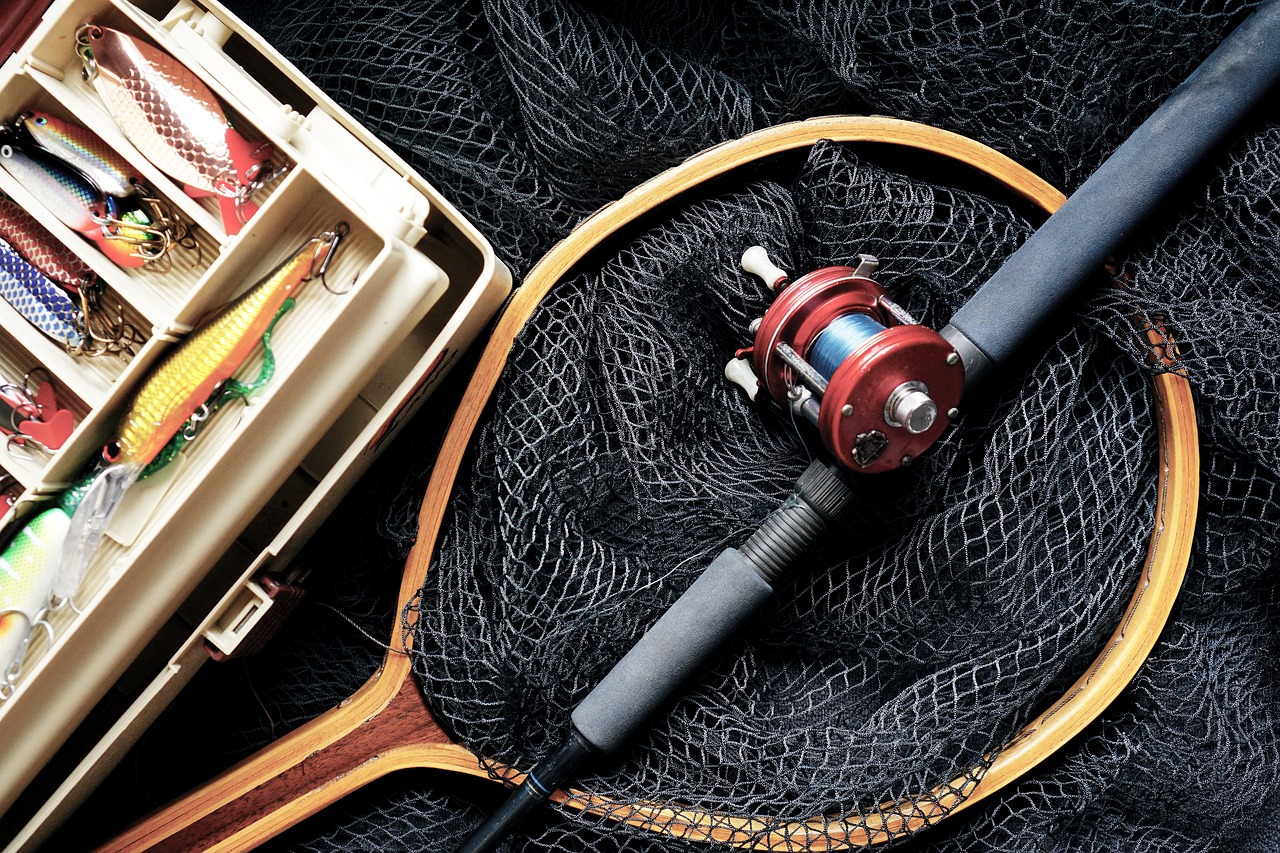
Use an ultralight fishing rod to jig for the perch during early stages of the fishing season.
Most early-ice fishing guides prefer an ultralight jigging rod that is twenty-four to twenty-eight inches in length with a slow action and a noodle tip. For the line, use four-pound test fluorocarbon fishing line. Fluorocarbon line will sink faster and will be nearly invisible in the water, which are two advantages when fishing for perch.
4. Select Proper Line and Jigs
Many anglers will use six-pound test fishing line out of habit, but the extra diameter of the line will mean fewer bites from the perch, who can be quite picky when the ice first forms. Use a small tungsten jig with live bait that is tipped on the jig. Use a 1/32-ounce or a 1/48-ounce tungsten jig in colors like glow red, chartreuse, or purple.
Using a small jig allows you to have control over the jig if you are fishing at twelve feet of depth. Tungsten is preferred over lead because it allows for a smaller profile for the jig. Hook a single lively spike or two waxworms to the jig.
5. Master the Stop and Go Movement
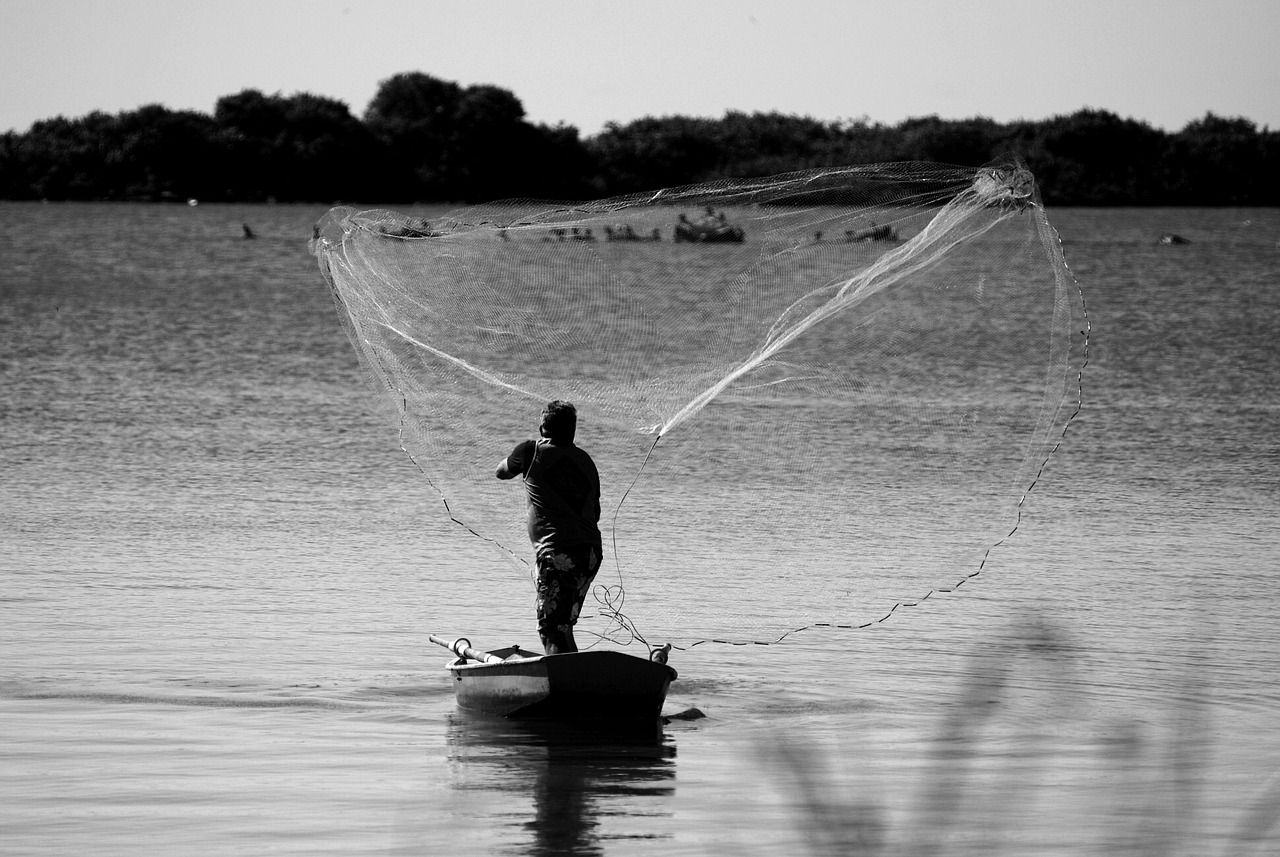
Lower the jig to the lakebed with the jig barely touching the lakebed, then lift the jig six inches. Allow the jig to sit in this position. Perch will typically hit the bait during this pause.
Avoid excessive jigging of the rod; the perch will become used to the movement and will not approach the jig. Use a stop-and-go movement with your jigging rod; most people get this movement wrong in the first couple of weeks of the ice fishing season.
6. Utilize a Flasher Unit
Electronics change the game of ice fishing more than almost anything else.
For early stages of the fishing season, a flasher unit will show you how the perch are positioned in relation to your bait. On some days, the perch may be located two feet off the lakebed, but on other days, the perch may be glued to the lakebed. If you notice a group of perch that rise toward your jig but move away from your jig, this is an indication that you should change the color of your bait or change to a smaller piece of bait.
Without a flasher unit, you are fishing blind. Without a flasher unit, you can waste precious minutes in holes where the perch are not located. You do not need an expensive flasher unit.
A basic model will allow you to double your catch rate.
7. Set Tip Ups in Vegetation
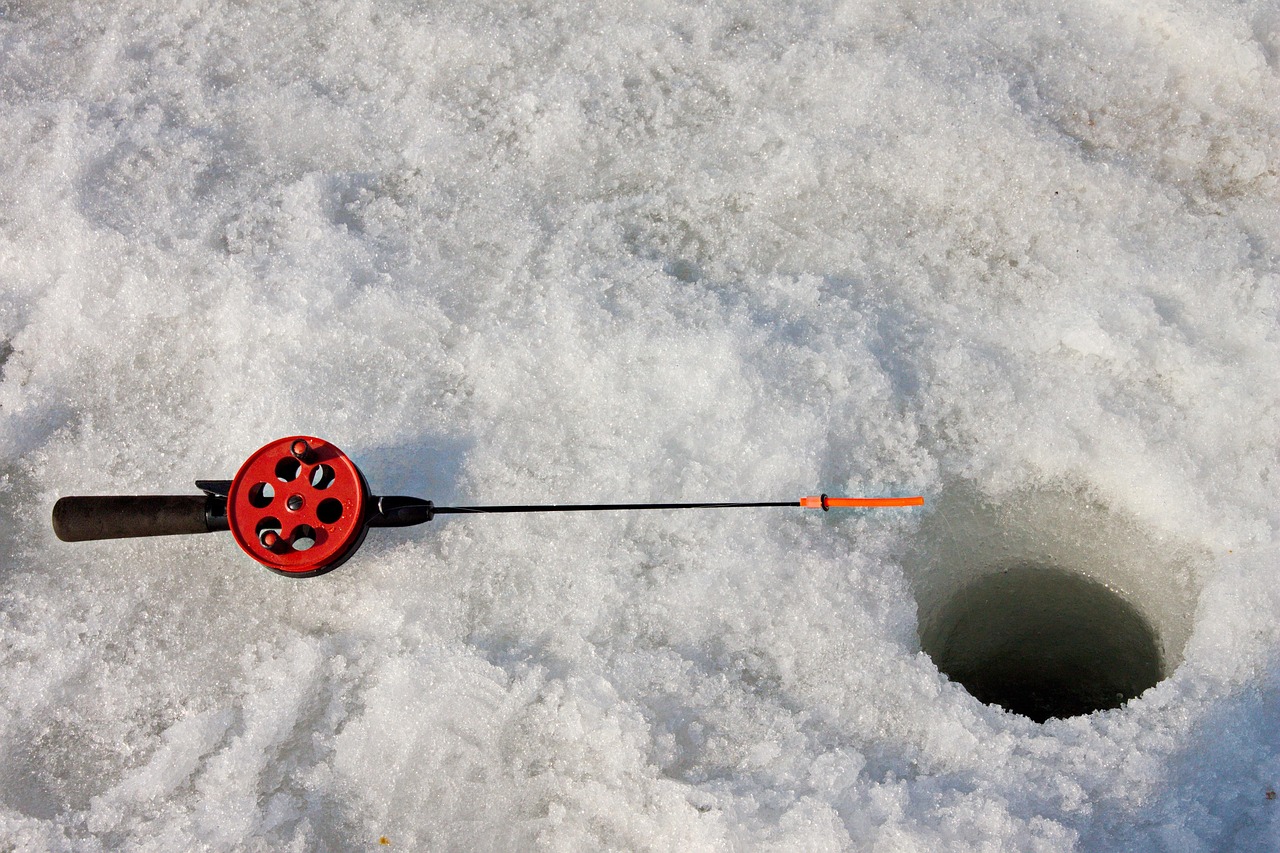
Tip-ups are one of the best tools to use while jigging the area where you find the perch. Place two tip-ups in eight feet of water, two tip-ups in ten feet of water, and two tip-ups in twelve feet of water along the line of green vegetation into the lakebed.
Use a small shiner or fathead minnow that is hooked through the back of the fish. Early-ice perch will chase a living bait that is suspended two feet off the lakebed. Use six-pound test line so a large teardrop weight does not weigh down the minnow.
Heavy sinkers will pin the minnow to the lakebed, causing the perch to not strike at the bait. Allow the flag to trip, but do not head to the spot where the flag is tripping. Perch will play with the bait before they swallow it.
Allow twenty seconds for this play. Head to the spot where the flag is located after twenty seconds, and ease up to the spot. Do not use excessive force to set the hook, as this may cause the minnow to fly free from the perch’s mouth.
8. Manage Light and Shadows
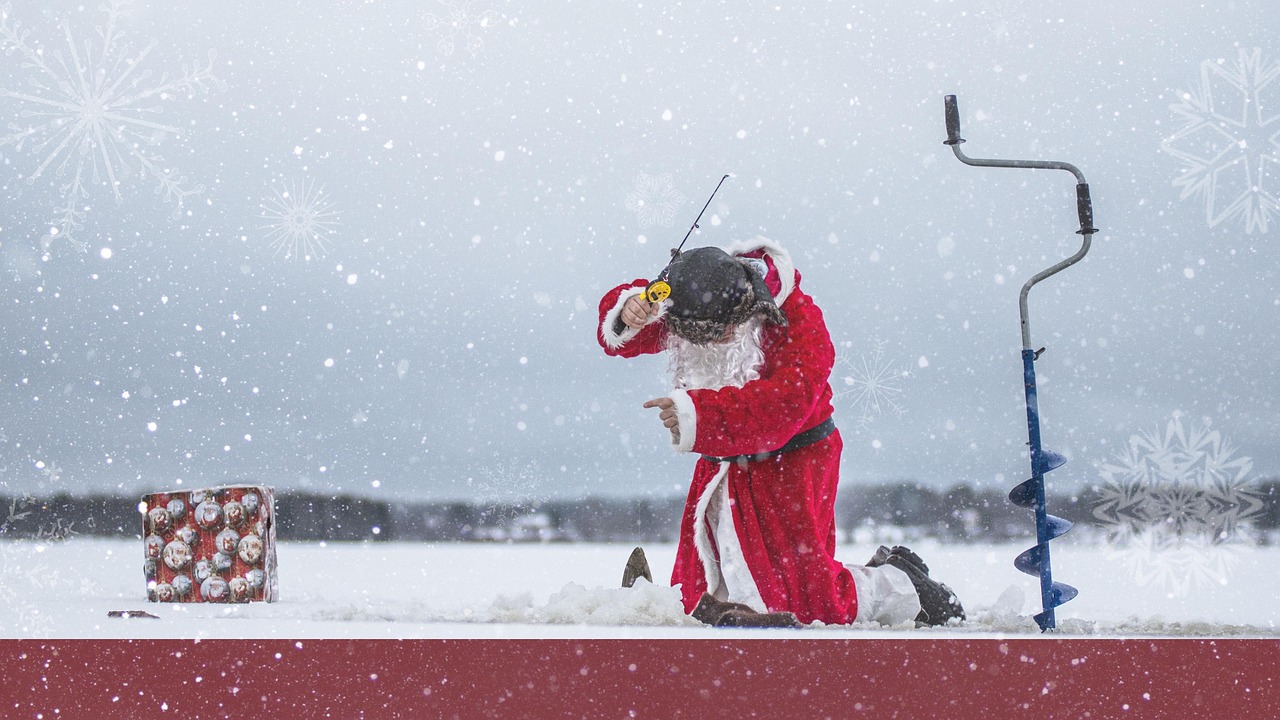
Fish visibility and light levels are two factors in early-ice fishing that should be paid close attention to. On days that the water is relatively clear and there is no snow cover on the ice, the perch can see your shadow or the hole from a distance. Move your portable shelter or bucket so that your body does not block the sun during the day.
On days that are cloudy or when there is snow cover, the perch will feel safer around man-made disturbances. On these days, you can fish more aggressively into the lake. The visibility and light factor determines whether you catch fifty fish one day and none the next, despite the fact that the perch are still in the same spot.
9. Apply Scent to Bait
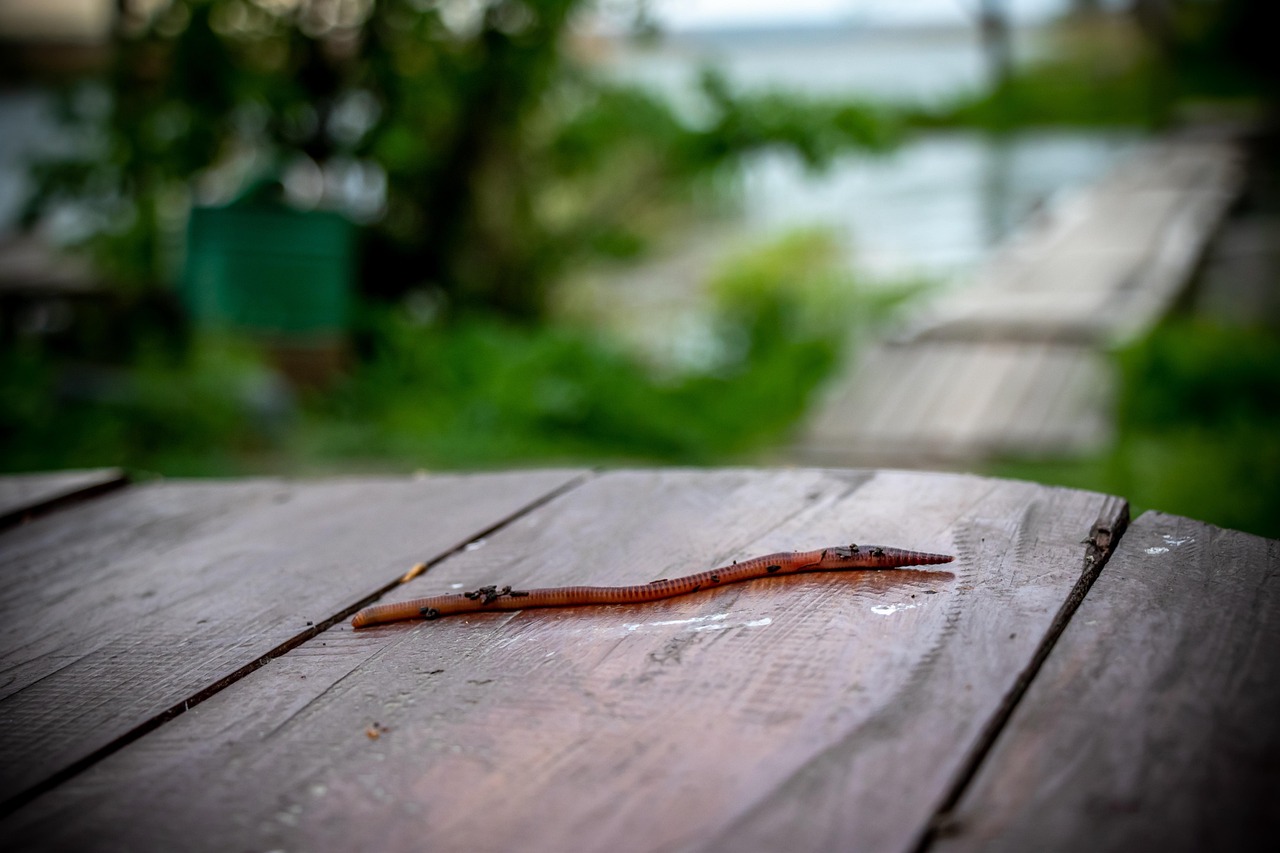
Perch that feel safe will allow for more aggressive fishing. Many experienced anglers use scent as a means of luring the perch to the bait. Perch have an excellent sense of smell.
Adding a few drops of perch juice to your jig or using a squirt of bait spray will attract the fish. Using freshly caught spikes will work, as well. Bait that has sat in your pocket for an hour will not have the same scent as the fresh bait.
If the bite on your jig is slow, change your bait every fifteen minutes. This is the cheapest adjustment you can make to your fishing strategy to stay in the game of catching perch.
10. Maintain Mobility and Drill Multiple Holes
Mobility when fishing during early stages of the season is important.
The ice is safe enough for anglers to walk around on foot. Perch will also move several hundred yards during the day in search of schools of baitfish. Drill twenty holes across an area of couple of acres.
Rotate through each spot every twenty minutes. There may be no fish seen on the first pass through each spot. On the next pass, you may catch limits of fish.
Standing in one spot all day will convince you that the perch have vanished. The perch are simply holding in two holes directly over from where you are standing all day.
11. Try Deadsticking with Live Bait
When the sun begins to peak high into the sky during the day, and the ice begins to creak and groan with the warming water, reduce the movement of your jigging rod even more.
The perch may be in a neutral mood due to the warming water. Using a deadstick rod that is set in a holder with a lively minnow will often outfish the active jigging rod. The perch will cruise by your spot, see the bait that hangs in the water, and sip on the bait.
Some of the biggest perch of the fishing season are usually caught during this time of day using a jigging rod that seems forgotten until the perch begin to exhibit interest in the bait. When you finally find a large amount of perch in one area of the lake, the action will be so good it will seem like cheating. You will see flags trip, you will see rods bounce up in the air, you will see fish jump out of the water two at a time.
This type of action is the result of your efforts with the small adjustments made earlier in the day. Yet, even in the middle of the hot bite with the perch, make sure that one fishing rod is rigged with a slightly different color of bait or slightly different bait. Experiment with your bait while the fish are still willing to bite.
When the fish cease their biting, you will already know what adjustment you can make to your strategy for the next fishing spot. Early stages of the ice fishing season for perch require that you think as a predator instead of a tourist. You study the green vegetation into the bed of the lake.
Your flasher unit determines where the perch are. You avoid making noise while you enter the ice. You adjust your bait every fifteen minutes.
When you perform each of these actions properly with the perch, the lake will open up for you. Thin ice comes in early, thick fish come in later. You should of get out there in the frozen water while the cabbage is still green under the ice.
The yellow perch are waiting for you, and they are hungry.