

Free as a goose with a paddle in each hand, paddling a canoe across a quiet lake at dawn can be a very freeing experience. The canoe glides effortlessly across the water and the paddler feels in control of the boat and the outing. However, there are going to be a few problems that plague canoe adventures at one time or another.
Each problem has a distinct cause and fix, allowing canoe adventurers to avoid these problems altogether if they understand them in advance.
Common Problems Every Canoeist Should Know
1. Leaky Canoes
Leaky canoes are among the first problems for paddlers to examine. Even though most composite material canoes will not crack open like an old wooden boat, there are numerous joints in the canoe that may allow water to enter.
Sun rays and the storage of the canoe in the winter can put stress on the joints of the canoe. Eventually, these issues will manifest as a damp sock and possibly water sloshing within the canoe. Once the canoe is in the water, the added weight of the water will affect the freeboard of the canoe, causing it to feel logy when rowing.
To fix the leak, the paddler will need to dry out the canoe and the paddler will need to abrade the area where the canoe leaked, then marine sealant can be applied to the canoes joint. For wooden canoes, the same issue will occur with different materials. The canvas that lines most wooden canoes will crack if not treated every few seasons.
If the canoe owner fails to treat the cracks in the canvas with a proper sealant, the canoe will continue to leak water inside the boats hull. Again, this issue highlights a point that every canoe owner should remember: a canoe is only as dry as its weakest joint. Another problem with canoes is the issue with tracking.
2. Tracking Problems
Tracking problems will occur without warning and are frustrating for even the most seasoned canoe adventurers. If paddlers apply pressure to the right side of the canoe, the canoe will begin to track toward the left side of the canoe. When paddlers attempt to correct the canoes path on the left side, the canoe will continue to drift from the intended path of the paddlers.
Most of the time, the cause of the tracking problems are due to the even distribution of the paddlers load within the canoe. When the load in the back of the canoe is heavy compared to the front of the canoe, the bow of the canoe will begin to rise out of the water. When the bow of the canoe is above the water, it will begin to act as a sail for any wind that may be moving the canoe.
This will cause the canoe to continuously track towards the wind and for paddlers to continually correct the canoes path. To fix the tracking problems, paddlers should move the load in the canoe forward toward the bow of the canoe. When the canoe is level or when the canoe is slightly trimmed by the bow, the wind will not affect the canoe and it will track in the direction that the canoes bow paddler directs it.
For tandem canoes, the person in the stern of the canoe will be allowed to sit further back from the middle of the canoe, allowing the person in the bow of the canoe to move their dry bags toward the middle of the canoe and the cooler toward the end of the canoe near the center thwart. When the load is distributed appropriately, the J-stroke will now allow paddlers to track in the desired direction of travel with half the effort that it took to perform that same stroke when the canoe began to drift. Wobbly seats is another issue that can crop up while on the water.
3. Wobbly Seats
If the seat that paddlers use is screwed into only the thin fiberglass of the canoes hull, the screws will eventually work loose and cause the seat to move from side to side while on the water. This will force paddlers to work with their hips instead of their core to maintain stability within the canoe. The motion will begin subtly but eventually become exhausting to perform and, if the canoe enters the water, dangerous for the paddler.
To avoid these issues, paddlers should check the seat every time they travel in the canoe. If the canoe seat shifts when laterally pushed, a fender washer and a locknut can be added to the seats screws. Additionally, if the gunwales of the canoe begin to bow inward when viewed from side to side, the thwart in the canoe may need to be replaced with a thwart that has a wider platform.
While this may seem like a small modification to a paddler, it will allow for the paddler to focus on the water rather than constantly correcting their posture to remain upright in there canoe. This small effort will pay off when the canoe is battling the wind. Canoe paddles can also fail unexpectedly.
4. Failing Paddles
Paddle blades may crack due to neglecting to check for wear at the paddles throat. Additionally, the fiberglass or carbon paddles may have a layer of protection on the blade that wears over time. If the paddle is subjected to one solid smack against a rock or submerged branch, the paddle can crack and fall off the paddler.
Wooden paddles may also fail. If the varnish on the tip of the paddle wears away, the paddler can expose the wood to the water. The wood will swell due to the water and may split apart when subjected to another strong action.
Always carry a spare paddle when traveling on the water. It does not have to be an elegant spare paddle. However, it should be functional with the correct size for the canoe.
Tape a roll of waterproof repair tape to the shaft of the spare paddle. In the event of a broken paddle, the spare paddle with the tape can be used to splint the broken paddle until the paddler can reach the shore. This issue forces paddlers to be humble with their paddles as they perform the same job with their hands and paddles.
Finally, mishaps while portaging the canoe are not nearly as funny as they may seem when the shoulder screams in discomfort while ascending a muddy hill.
5. Portaging Mishaps
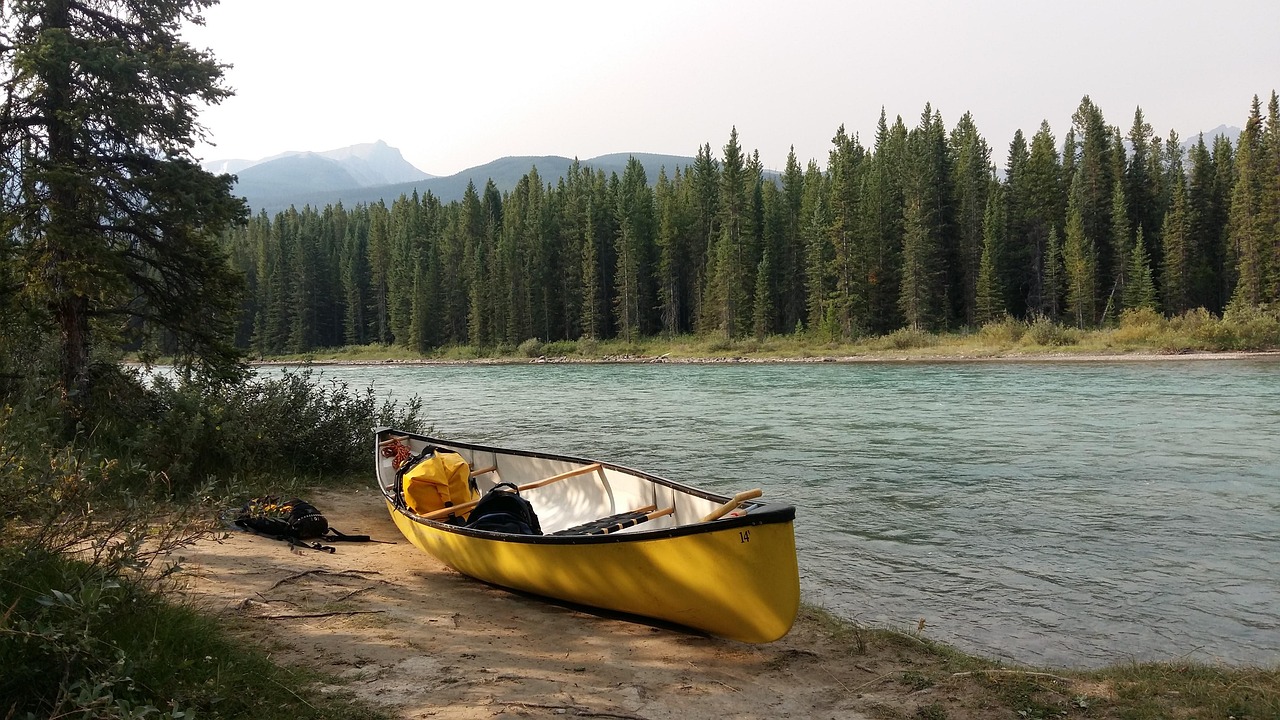
When portaging the canoe, it is best to use two people to carry the canoe over longer distances or if the canoe is heavy. When only one person is carrying the canoe, using the proper technique is essential to avoiding injury.
The paddler should set the pads of the canoes yoke exactly on the balance point of the canoe. A padded towel or a portage pad should be used to cushion the canoe while being transported by one person. Additionally, the person should keep their eyes on the ground while on the ground to maintain balance while walking.
While it may seem easy to carry a canoe overland using two people, there are challenges to using two people to transport the canoe. The two people should walk at the same time to avoid the canoe swaying back and forth. The paddler in the bow and stern should also communicate to each other about the turns that they will take to ensure that the paddlers knuckles are not bruised against the trees.
When one paddler takes a turn, the other paddler should call it out early. The canoe does not weigh a thing when it is on the water but weighs alot when on the land. Thus, paddlers should think about how they are going to carry the canoe before they ever beach the boat.
An unexpected capsize when paddling is the result of two issues. Either the canoe adventurer stood up at the wrong time or they leaned out of the boat to grab something out of reach. When paddlers stand up or lean out of the canoe, their center of gravity moves upward.
6. Unexpected Capsizing
This affects the stability of the canoe so much that even a slight movement of their body can cause the canoe to tip over. Add a river with fast currents or the wake from a powerboat and paddlers will not have a good chance of avoiding the capsize. To avoid capsizing, paddlers can take a few easy steps.
Keep the paddlers weight as low as possible in the canoe. Do not stand up unless necessary. Additionally, do not use their full arm to reach out for rocks or docks.
Paddlers should beach the canoe or ask their partner to steady one of the gunwales while they reach for the desired object. When the canoe begins to tip over, paddlers should allow themselves to fall into the water. They should try to fall onto one of their paddles or their backpack rather than onto the rocks that line most of the canoes edges.
Paddlers pride when capsize is worse than a broken collarbone. Finally, there is a silent killer of canoe adventures: gear that gets wet because paddlers failed to secure their gear. While the hull of the canoe may remain dry, there is no guarantee that the paddlers gear will remain dry.
7. Wet Gear
The spray from the paddlers body, the water that splashes over the bow of the canoe while rowing, or the splash created with each paddle stroke will all lead to wet gear. Additionally, a rogue wake from another canoe may send a cup of water into one of the paddlers dry bags in less than a second. A trip in the canoe will pay for itself quickly with the use of dry bags, the use of rigging systems on the canoes deck, or simply developing a habit of securing all gear to the canoe.
If a bungee cord is run along the inside of the canoes gunwales, there will be places to store gear. It will take thirty seconds at the start of the canoeing trip to secure all gear. This will save zero minutes drying gear that got wet because paddlers failed to secure it to the canoe.
This issue seems unnecessary until a thunderstorm forces the paddler to beach the canoe early in the trip. While each of these problems may seem unrelated, a canoe that leaks will add to the canoes weight which will affect its tracking, a paddlers weight on the canoe could shift causing a capsize, and the canoe that gets portaged with inadequate gear may have wet gear. There are many causes to each issue but also solutions to each problem.
By understanding the causes and solutions, paddlers can remain ahead of the issues rather than reacting to the problems that show up unexpectedly. The next time paddlers slide their canoe off the truck, they should run through each problem in their heads as part of their routine. By ensuring that the load is even, all bolts are tight, all gear is stowed, and the paddlers weight is low in the canoe, paddlers will have a better chance of having an enjoyable trip free from most of these outlined problems.
While the river may have challenges for the paddler, the paddler will have more confidence in their canoe, their paddles, and their ability to handle the challenges of the water. This level of preparation is what will ensure that paddlers feel the freedom that the canoe offers and enjoy it for as long as possible on the water.