

Pontoon boats offers the promise of easy days on the water with friends, pontoon boats provide a stable platform for fishing, and pontoon boats offer room to spread out without the complications of a traditional hull. However, these different types of boat can develop issues as well. Some issues will cost more money to fix than others if the owner dont catch the problem in its infancy.
If an owner understands the problems that is most common on pontoon boats, that owner will save money and time that would otherwise be spent at the dock servicing the boat. These problems are common on thousands of pontoon boats every season. The key to avoiding most of these problems is for the owner to understand what to look for on the boat so that the problems can be caught before they begin to develop into a more serious problem.
Common Problems Found on Pontoon Boats
1. Engine Overheating
One problem that is common on pontoon boats is the engine overheating. Due to the way that people usually ride pontoon boats, their engine sit for long hours at low speeds in warm water. Additionally, the weeds that are common in these boats often block the intake screens for pontoon boats while the raw water strainer on these pontoon boats can also become clogged very quickly.
These two items will cause the engine temperature to reach the red zone on the temperature gauge on the boat. Most owners miss this reading while they are having a conversation with their friends on the water. If they are caught in time, the engine can be shut off and the screen cleared.
If they fail to recognize the problem though, the owner will need to replace the impeller on the engine. The way to prevent engine overheating is to perform a water flush after each trip in lakes with weed growth. While this may seem like extra work for the boat owner, it is work that is worth performing to avoid having to spend the weekend ferrying to the owner that is waiting for there engine to be started.
The cooling system on a pontoon boat isnt complicated. All that an owner needs to know is to keep the intake screen clear and change the impeller on the engine on a regular schedule. Additionally, the owner needs to understand that the temperature gauge on the boat actualy does matter.
2. Electrical System Issues
The second most common issue with pontoon boats are the electrical system issues. Electrical issues often occur on pontoon boats at the worst possible moment. Pontoon boats contain the wiring for navigation lights, live wells, stereos, and charging ports.
With the amount of exposed wiring on pontoon boats, the electrical connections wear down and develop corrosion over time. For example, an owner may switch the running lights on, but nothing happens, or the boat battery may die overnight even while they believe they turned the boat off. The solution for most pontoon boat electrical system problems is to visit the battery and clean the terminals with a wire brush.
Additionally, applying dielectric grease to these locations will provide years of reliable operation for the boats electrical system. Additionally, using a voltmeter placed into the boats dash will allow the owner to have a constant read of the health of the boats electrical system. These steps may be tedious when the owner would rather be enjoying the boats features, but they will prevent the boat from being dead in the water due to an electrical issue.
3. Fuel System Contamination
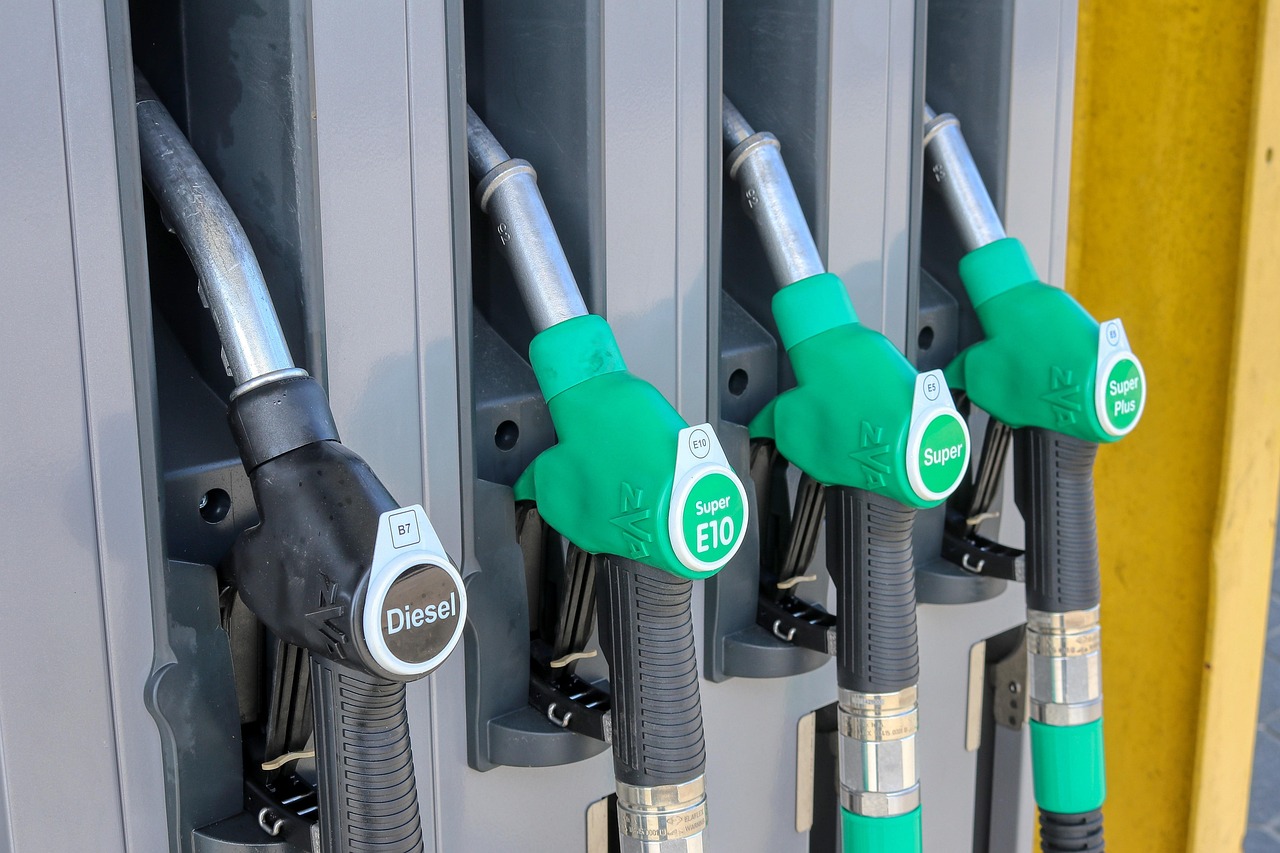
Another common problem on pontoon boats is fuel system contamination. Fuel system contamination is common on boats that are stored for long periods between uses. Due to the presence of ethanol in the gasoline that is used in boats, moisture can collect in the fuel tank.
This moisture leads to the growth of algae and the phase separation of the gasoline within the fuel system. These two issues will lead to a fuel filter that gets clogged or an engine that begins to develop fuel system problems and stalls in the middle of the lake. The stalling will eventually become more common in the storage period of the boat.
The solution to fuel system contamination is to change the fuel to one that is free of ethanol. An additional solution is the addition of fuel stabilizer to the fuel tank when the boat is stored. Another method of preventing fuel system contamination is installing a ten-micron fuel filter.
This filter will allow the owner to catch any sediment that collects in the fuel tank and remove it before it becomes a problem for the fuel system. Installing such a filter and changing the fuel takes only ninety second each time the boat is started.
4. Pontoon Leaks
One problem with pontoons is the slow leak in the pontoons themselves. Any pontoon that develops a leak in the side hull will develop a problem with the engine. As the pontoon gains weight from the water, it will cause the boat to sit lower on the transom. This can eventually develop into a problem with the handling of the boat.
Additionally, these leaks will typically begin around the weld seams on the pontoons, or the pontoons themselves where the transducers and trim tabs punch holes in the aluminum side of the pontoons. A method of detecting these leaks is the performance of a pressure test on the pontoons while they are drying in the off-season. Most marinas will offer this service at a small fee.
If an owner can catch the leak before it begins to allow water into the pontoons, a professional weld or epoxy patch can fix the problem without cutting open the pontoon hull. Additionally, if an owner ignores the problem though, the boat will sit lower in the water and have a poorer fuel economy.
5. Vinyl Furniture Breakdown
Another problem area for pontoons is the furnitures. Vinyl furniture breaks down with time. The sunlight that hits the pontoons breaks the vinyl down, and the repeated folding of the boats furniture and the drinks that are placed on the furniture leads to the vinyl breaking down and absorbing water. Once the vinyl becomes saturated with water, mold can set in the vinyl and the smell will follow it for years.
Replacing the vinyl furniture on the boat is expensive. The solution to the problem is to use a good canvas cover for the boat. Additionally, wiping the vinyl furniture down with mild soap after each trip will reduce the need for deep cleans while on land.
These domestic chores for a pontoon boat will ensure that the boat maintains its appearance even after the manufacturers warranty period.
6. Trim and Tilt System Failures
Trim and tilt systems on pontoons can fail on almost any of the pontoons in existence. The rams used to lift the outboard motor on these pontoons take enormous amounts of pressure each time the pontoons are loaded onto a trailer or unloaded.
Over time the seals on these rams wear down and hydraulic fluid leaks out of them. This can create a situation where the motor will not tilt to lift the boat onto the trailer or the boat will remain in the water while the owner is sleeping on the water. The solution to this problem is to inspect the trim and tilt system of the pontoons each month.
Most trim systems used for pontoons use the same standard hydraulic fluid as the rest of the car. Additionally, bleeding the hydraulic fluid lines after fixing the trim and tilt system will prevent the formation of air pockets in the lines. Air pockets will prevent the proper tilting of the motor.
By following this maintenance schedule, owners can avoid any trim and tilt system problems.
7. Propeller Damage
Propeller damage is another problem with pontoon boats. Pontoon boats are used for traveling shallow waters where there are stumps or rocks that are hidden from view.
These rocks or stumps will damage the propeller blade on the pontoons. Additionally, the vibration that results from the damaged propeller will lead to the loosening of the boats steering components or the motor mounts that hold the motor in place. The solution is to carry a spare propeller on the pontoon boat.
Additionally, using the tools to change the propeller takes only fifteen minutes the first time. After performing this procedure, a boat shop can balance the propeller so that it will be ready to return to the water for less then the cost of purchasing a new propeller. These problems all share one common trait, if an owner knows what to look for, these problems will show up well before they develop into a serious problem for the pontoon boat owner.
A temperature gauge that reads high, a connection that is loose, or the boat tilts to one side are all indications of a developing problem. Learning to read these issues will go from being a boat owner who just shows up to a captain who understands the boat that they own. Regardless of what the water contains next weekend, the boat will be ready or it will remain on blocks with an inventory of parts to purchase for repair.
By paying attention to these common pontoon boat failures and by addressing each of these issues before they become a serious problem, the pontoon boat will reward the owner with many years of trouble-free memories on the water. The real promise of pontoon boat ownership is not perfection with the vehicle, but the promise of good times on the water when the weather is good and the engine starts right up on the first try.