

Fishing vests may look simple to the casual observer when the fishing vest are sitting on a retail rack. However, when a person slips on a fishing vest, the vest usually makes a person feel like a walking tackle shop. This is because a fishing vest is typically equipped with several pocket for holding common fishing gear.
However, after a person goes on a few fishing trips, they may find that the vest present several problems during these trips. For instance, the weight of the vest may shift in an uncomfortable way. Or, the zippers on the vest may seize up at an inappropriate time.
Additionally, fishing gear may remain inaccessible to the individual wearing the vest. Such problems are common with fishing vests but dont need to be inevitable. A good fishing vest should disappear on the body of the angler so that they can focus on the fish they are attempting to catch.
If the vest does not function correctly while fishing, the angler will miss some fish strikes due to the distraction that the vest create. Furthermore, the angler may also lose some of their gear while reeling in a fish because the gear slide out of one of the vest pockets. However, if the angler understands the problems that different feature of a vest cause, they can either purchase a new vest or adjust the features of the vest that they own.
Common Problems With Fishing Vests
1. Deep Pockets
The first problem for which anglers complain about their fishing vests is the deep pocket. These pockets may look large on the fishing vest but may be difficult for the angler to access their fishing gear while standing in the water. The angler’s fingers may disappear into the pocket while the gear may fall into a jumbled pile at the bottom of the deep pocket.
A fishing vest with good pockets features various divider within the pockets. These dividers prevent the angler’s gear from falling into the wrong place within the pocket. Additionally, some vests has elastic cords throughout the pocket that prevent the angler from losing their items while reeling in a fish.
2. Incorrect Weight Distribution
The second problem that many anglers experience with their vests is the incorrect distribution of the weight of the gear that is placed into the vest. Most vests contain items that may weigh more than eight pound. If the vest has no padding on the back or the straps on the shoulders are too narrow, the angler may begin to experience discomfort after just one hour of fishing.
Such discomfort may subside after the angler has fished for a while and their fishing arm begin to ache. A good fishing vest will have a wide waist strap to redistribute the weight of the vest to the angler’s hip. Additionally, the vest may have angled front pockets so that the angler feel the weight of the gear on their ribs rather than on their abdomen.
3. Seizing Zippers
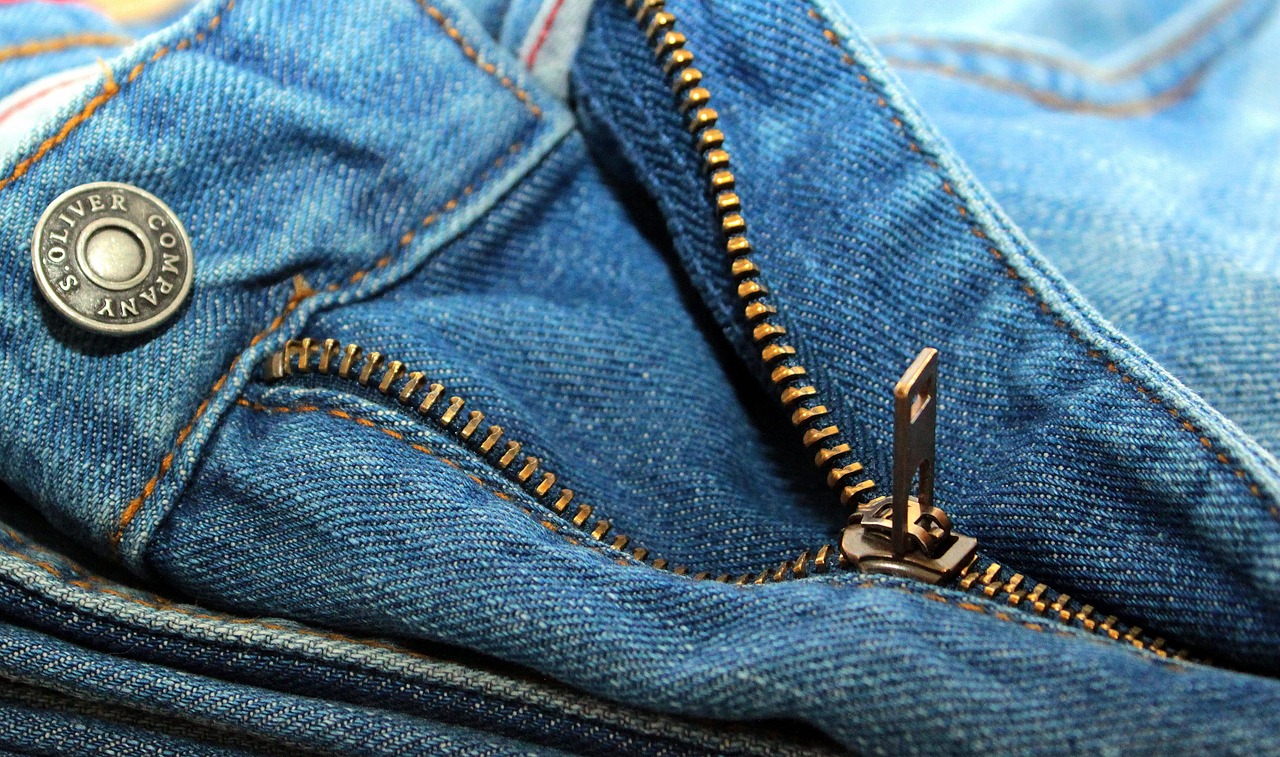
The third problem with fishing vests is the zippers on the vest may seize up after one or two fishing seasons. The metal teeth on the zippers may begin to corrode and the plastic sliders may begin to swell. These issues make it impossible for the angler to access their hemostats.
The issue develops due to the exposure of the zippers to silt and fish slime after a few fishing trips. The fix for this problem may be to rinse the vest after each fishing trip. Alternatively, purchasing a vest with plastic zippers that are more corrosion-resistant will eliminate this problem.
Some of the newer fishing vests have waterproof coil zippers that do not experience any difficulty in moving back and forth while fishing. These zippers may cost more money upfront but save the angler money in the long run due to the reduced frustration with the vest and the loss of tools. The fourth problem with fishing vests is the back pocket may become very hot when the angler fishes in warm weather.
4. Hot Back Pockets
Any items that the angler places in the back pocket will cook in the sunlight while the rest of the angler’s body remains cool. The warping of the fly box due to heat may cause angling difficulties. Additionally, the angler may find that their fishing leaders become brittle after placing them against the angler’s body in warm weather.
Finally, items like an energy bar may become pastes due to heat. Vests that eliminate this problem use mesh panel on the back of the vest to allow air to circulate to the items that are placed in the back pocket. Other vests may move the large storage pocket further up the back of the angler’s body so that it is less exposed to body heat.
5. Overloaded Front Pockets
The fifth problem that is experienced with fishing vests is the overloaded front pockets may begin to flip outward when the angler bends over to net a fish. Anglers may lose access to some of their fishing gear due to the angler’s bent-over position. A good fishing vest will use various designs to ensure that the front pockets do not open outward.
For instance, safety tethers and magnetic closures allow the angler to keep the front pockets shut while using only one hand. Additionally, a few vests have an internal bungee within the pockets that pull the angler’s fishing gear back against the angler’s chest. The sixth problem with fishing vests is that a lack of quick-access slots for fishing tools may present frustrations for the angler.
6. Lack of Quick Access Slots
Although the angler may remember where the hemostats are, accessing them while fishing can be frustratingly. A good fishing vest will have slots on the exterior of the vest where tools such as nipper blades, zingers for floatant, and hook sharpeners live. These tools will be within the angler’s one-handed reach when fishing.
Poor ventilation while on a hiking trip between fishing spots may cause discomfort for the angler. The fishing vest fabric must be sturdy to support the pockets of gear. However, a fishing vest with mesh panels on the side or back section will allow for better ventilation while the angler walks to their fishing spot.
7. Poor Ventilation
The trade-off for better ventilation is that the vest may have less abrasion resistance against brush. However, most river fishing spots do not have much brush. The angler may wear a thin shell over the vest while on the hike to the fishing spot and remove it once they reach the fishing spot.
The one-size-fits-all fashion in fishing vests does not fit anyone well. An angler may purchase a vest without trying it on. However, the vest may be too high on the angler, may gap at the anglers neck, or may cause discomfort on the angler’s arms after thirty minutes of fishing.
8. Improper Sizing
The fix for this problem is to actualy try on the vest while wearing the gear that the angler fishes with. Additionally, the angler should raise the vest with their arms as if fishing, bend over with their waist as if they are netting a fish, and walk around the store while trying on the vest. A properly adjusted vest will feel like an extension of the angler’s shirt.
Although each angler may experience a few different problems with their fishing vests, the issues can be traced to a few simple cause. By recognizing these problems, an angler can quickly evaluate the features of any fishing vest that is available to them in seconds rather than developing frustrations with the flaws of their current fishing vest. A perfect fishing vest cannot be found due to the changing fishing needs of the angler with the changing fishing season and species.
However, by avoiding the problems listed in this article, the angler can come very close to having a fishing vest that meets all of their needs. An angler will spend less time fiddling with their gear and more time fishing due to the comfort and utility of the fishing vest that they own.