
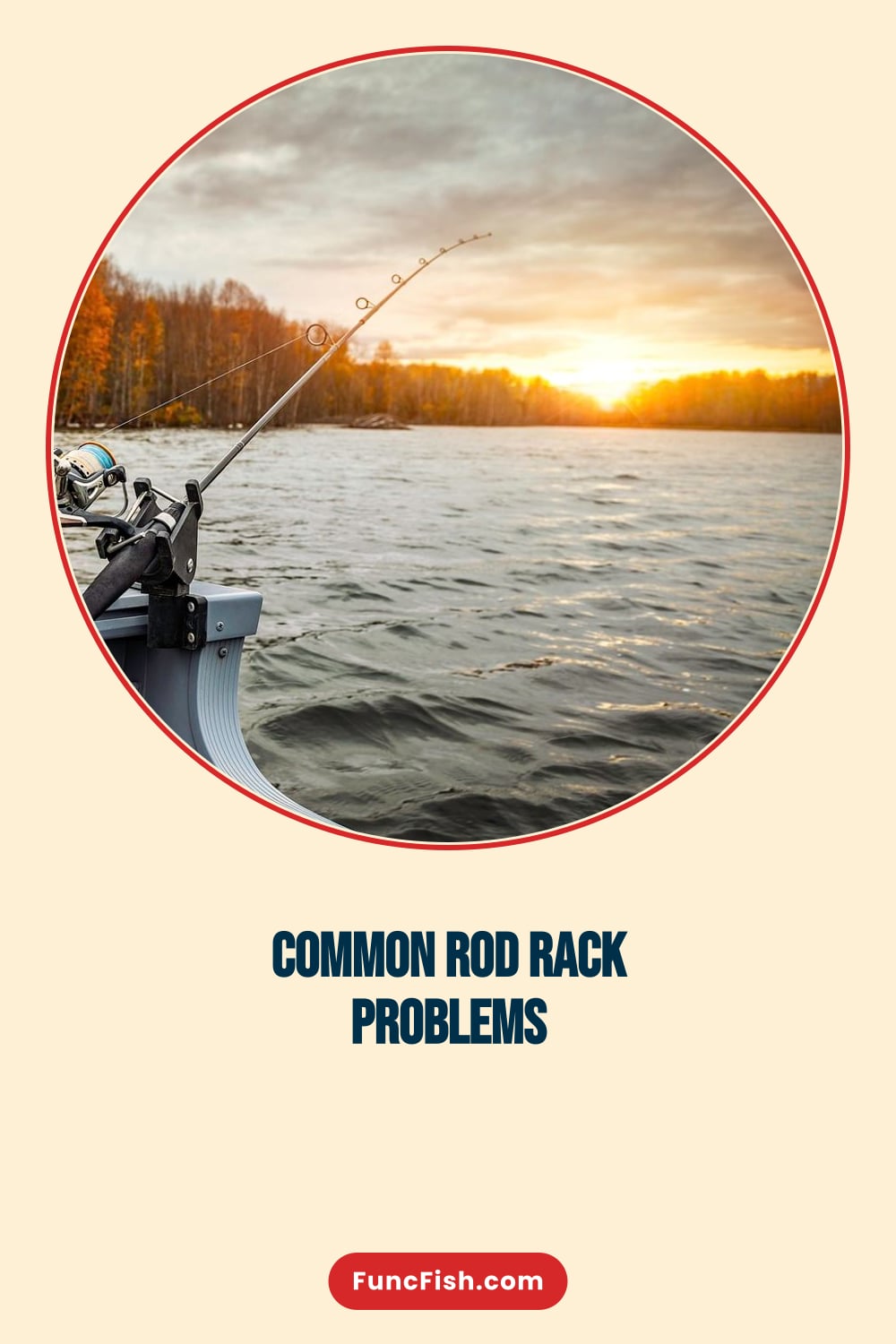
Rod racks is the simplest part of a fishing setup. All a person has to do is to screw the rod rack onto a boat or truck and then place the fishing rods into the rod racks. Yet, many angler find that there fishing rods have developing issues such as broken fishing rod tips, tangled fishing line, or fishing rods that have vanished between trips.
These problem usually develop in an insidious way. Small oversights and issues accumulate over time until a fishing rod become compromised or a person is delayed in starting there day on the water because they have to search for their fishing rods. However, the good news is that most of these problem have a cause, and by recognizing the cause, a person can avoid these problems.
There are seven problem that are common on fishing docks and in anglers’ garages. Each of these issue costs a person time, money, or peace of mind. By spotting these problems early, persons can protect their rod and avoid becoming frustrated with their fishing equipment snapping inexplicably.
Seven Common Problems With Fishing Rod Racks
1. Loose Mounting Hardware
The first of the seven problem is that the mounting hardware for the rod rack becomes loose. The vibration from fishing trailers, the waves that slap against boat, and the removal of the fishing rods from the rod rack will all contribute to the loosening of the rod rack’s mounting hardware over time. Eventually, the rod rack will shift when a load is applied to the fishing rods within the rack.
This will cause the tip of each fishing rod to touch the gunwale of the fishing boat. While it may seem as though tightening the rod rack hardware is a simple fix, many anglers will ignore this fix until their fishing rod are damaged. Inspecting fishing rod racks every few fishing trip will catch the loosening of the hardware.
Using thread locker on the hardware and replacing any stretched mounting hardware will protect the fishing rods from damage caused by vibration.
2. Improper Fishing Rod Orientation
The second problem is improper fishing rod orientation. Most fishing rod rack are manufactured with the fishing rods arranged in a way that the tips of the fishing rods point forward.
When fishing rods are positioned in this way, the rods will be at risk of snapping when encountering a pothole or a boat’s wake that lifts the butt end of the fishing rod upward. When the butt end of a fishing rod is lifted upward, the tip of the fishing rod will hit the forward stop of the rod rack or the hull of the fishing boat. Fishing rods with the butts of the rod pointing forward will keep the fragile fishing rod tip protected from the fishing rod rack.
3. Inadequate Spacing Between Rods
The third problem caused by rod racks is inadequate spacing between the fishing rods. When two fishing rods are placed into a rod rack that does not provide enough space between the rods, the fishing guides of one rod may hit the fishing guides of the other rod. This will cause the fishing rods to become tangled, and the ceramic fishing guide ring will collide against each other.
These collisions will eventually chip the fishing rod guides, weakening the fishing rod and causing the fishing line to snap during fishing efforts. Before purchasing or installing a rod rack, measure the rack to ensure that each fishing rod will have at least four inch of space between the rods.
4. Metal Corrosion
The fourth problem is corrosion of the metal on the rod rack.
If a person mounts a fishing rod rack near salt water, the metal on the rod rack will eventually develop corrosion. The aluminum and stainless steel rod racks will suffer from galvanic corrosion if they are near the salt water. This corrosion may cause the metal parts of the rod rack to seize in their movable part.
The parts will become stuck in a position, requiring a hammer to free the rod rack. Rinsing a fishing rod rack with fresh water after each fishing trip will prevent corrosion. Applying marine grease to the rod rack before heading out to fish will continue to protect the rod rack from corrosion.
Additionally, any fasteners on a fishing rod rack that have developed a white powder caused by salt water corrosion should be replaced with new metal hardware.
5. Overloading the Rod Rack
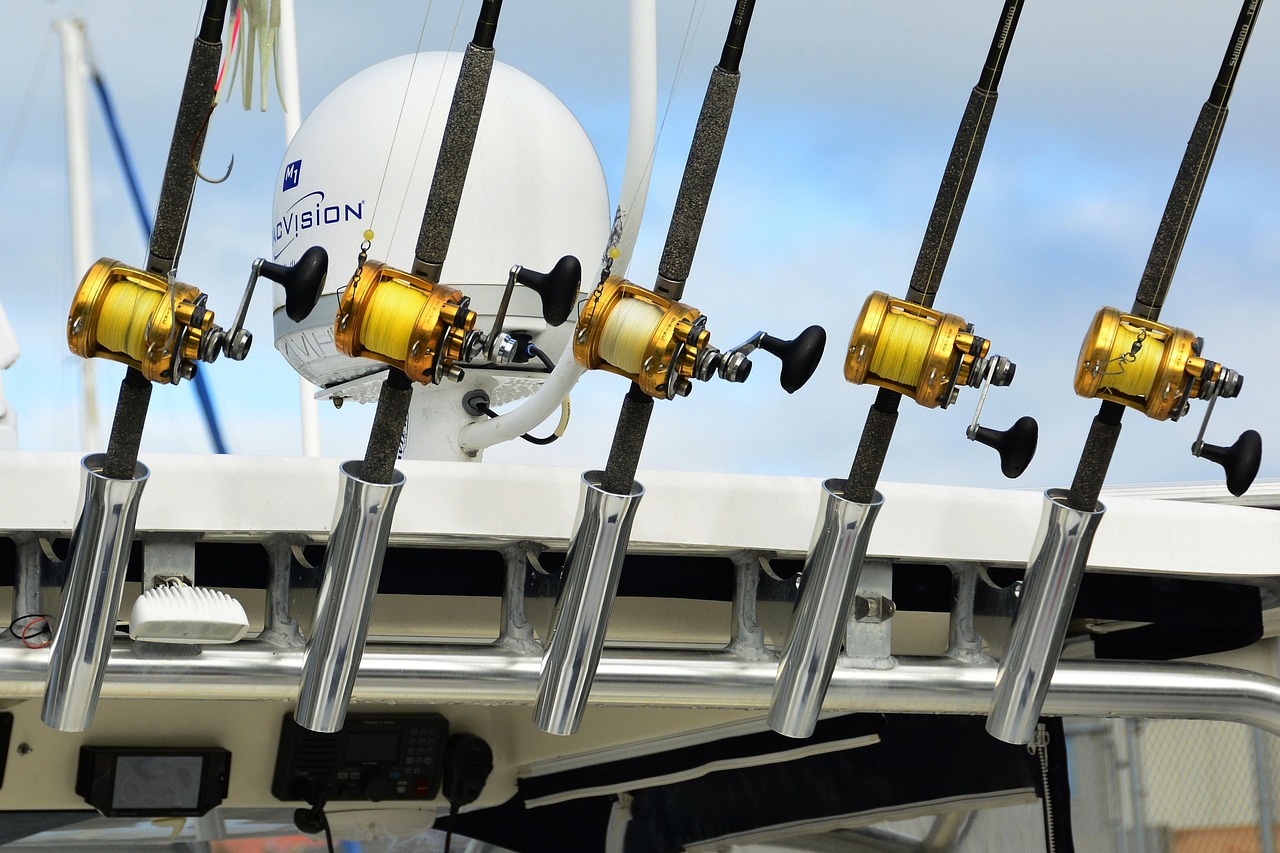
The fifth problem is that the fishing rod rack may be overloaded with fishing rods. Even though most anglers try to avoid this problem, they do it subconsciously with every fishing trip.
The rod rack is manufactured to hold a specific number of fishing rods. The number is stamped onto the packaging of the manufacturer’s product. Fishing rod racks should never be overloaded with more than the manufacturer specify for the product.
For example, there is a documented instance of an angler who loaded eight heavy surf fishing rods into a rod rack that was rated for four fishing rods. As a result, two of the fishing rods were slightly bent after only a weekend of fishing. Overloading a rod rack will damage the fishing rods and the rack.
Anglers must either respect the number of fishing rods that the rack can hold or buy a second fishing rod rack. By respecting the number of fishing rods that are allowed on a rod rack, anglers can avoid damaging their fishing rods.
6. Poor Drainage
The sixth problem is poor drainage of the fishing rod rack.
Fishing rod racks have a specific drainage system to avoid developing rust on the fishing rods. If a fishing rod rack has closed-end tube for the fishing rods, fishing rod butts will be in contact with water. This may cause the fishing rod reel seat to develop rust and the cork fishing rod grips to swell and crack.
When buying or installing a fishing rod rack, look for designs that have open bottoms or drain holes for the excess water. If current fishing rod rack does not have drain holes, a few can be drilled into the rack at the lowest point of the rod rack. This will allow the water to drain out of the fishing rod rack and prevent the damage to fishing rods caused by rusting reals and cracked fishing rod grips.
7. Unsecured Fishing Rods
Finally, the seventh problem is that anglers forget to secure the fishing rods that are mounted on the rod rack. If a rod rack does not have fishing rod straps or fishing rod clips, the fishing rods may become a danger to the angler when the boat is transported. When a vehicle is braked or corners a dock or trailer, the fishing rods may become projectiles that destroy the fishing rods and fishing reels.
These issues can be avoided by clipping fishing rod straps to each fishing rod every single time that the boat or trailer is transported from the fishing location. This small habit will save anglers from the destruction of their fishing rods. These seven problem are the majority of the headaches that people will encounter with their fishing rod racks.
Each of the problems can be avoided with a little bit of forethought prior to deploying the rod rack or installing the rods into the rack. By paying attention to each of these details, the fishing rod rack will fade into the background of an angler’s fishing efforts. The rod rack will quietly do its job while the angler enjoys the day on the water.
By following the steps listed above, anglers can enjoy their rods and fishing lines in better condition for longer period of time.