
Every summer, Long Island’s beaches and bays will welcome visitors. The cold water of the north collide with warm waters flowing south along the Atlantic. It is this combination that produces an abundant food source for all types of sea creature.
Visitors will find themselves swimming happily without realizing how much life surrounds them. A big splash, seemingly out of place or larger than any debris, signal that it is sharing the ocean with its apex predator. It’s no wonder people fear sharks.
Movies have made them out to be mindless killing machines. But they aren’t. And that’s not how most species we encounter around Long Island behave.
They’re either curious or shy, and most just want to eat while keeping a low profile. To do so, they rarely makes a scene. Knowing who’s here will help put your mind at ease and teach you who to avoid (or how to better avoid them).
That gives you perspective, which helps turn fear into respect, a healthier way to experience our coastline. The shark species that live in Long Island waters include everything from impressive offshore hunter to harmless bottom dwelling sharks. All play their own critical roles in the local ecosystem and exhibit unique behaviors when interacting with us.
Being able to recognize each species keeps you safe but also adds to your appreciation of the complexity of the ocean. You don’t need to be a marine biologist to tell them apart. Knowing what to look for will change your experience on the water.
Common Shark Species Found Near Long Island
1. Sandbar Sharks
Sandbar sharks frequent shallow coastal areas most. These medium-sized predator prefer sandy bottoms where they can hunt for crustaceans and smaller fish. Commonly seen in the warmer months, they tend to congregate loosely with other shark.
As fall approaches and the water starts to cool down, they’ll move back out. Because they eat mostly small baitfish and crabs, they typically aren’t a human hazard. You may wade into the water and notice one or two swimming around your feet.
It’s not because they want to take a bite out of your toes. Sharks is more interested in your shadow. Keep this in mind.
2. Blacktip Sharks
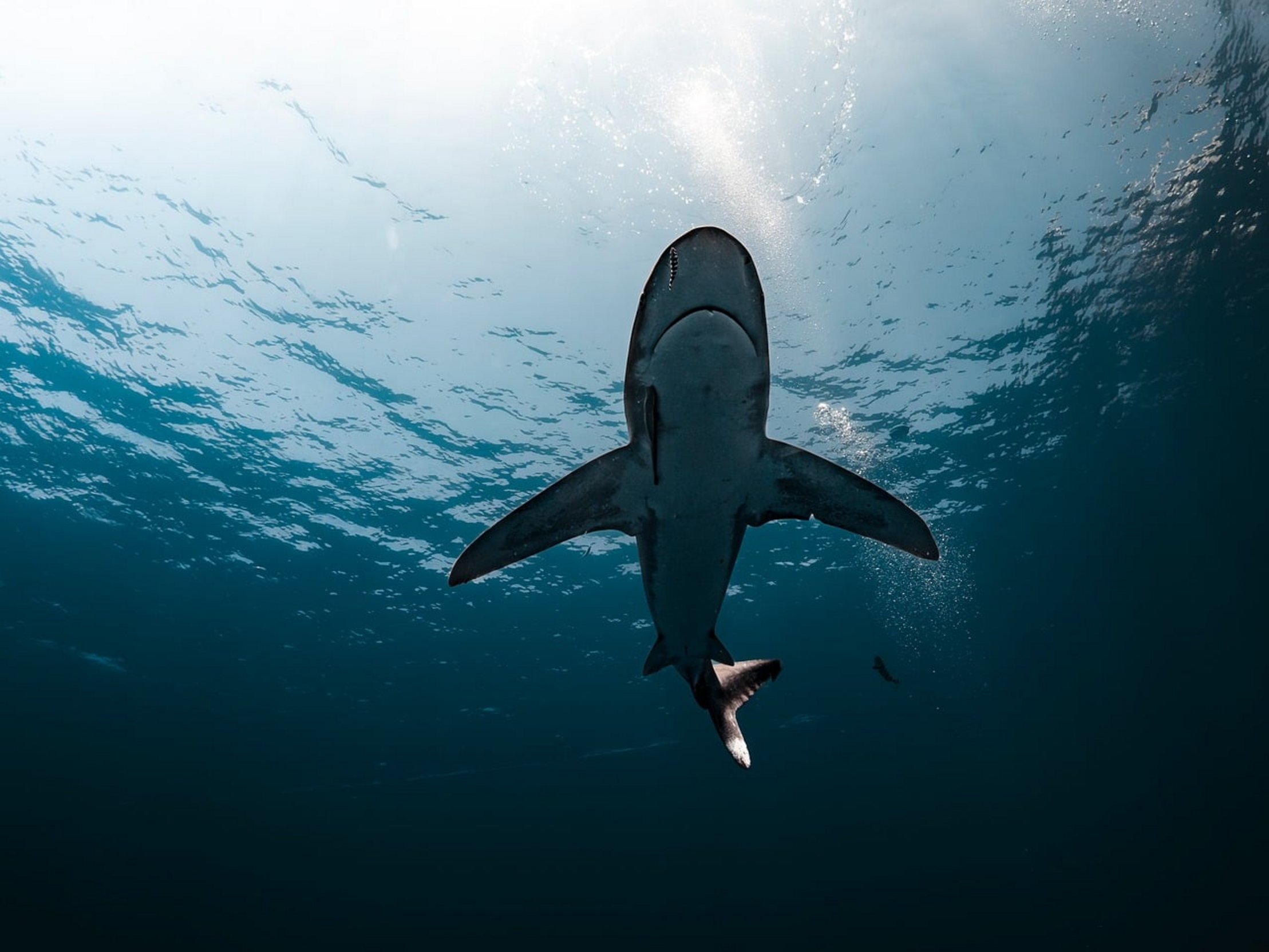
The next time you see a shark, remember they are really just trying to get a meal and not be a problem. In the summer months, blacktip sharks also add some excitement to the mix because they gets closer to shore. With dark fins and a sleek body, blacktips is an active swimming shark.
They like sunny days and clear water. Blacktips are known for curiosity towards both divers and boats, so they can create a bit of a more exciting encounter different than the sandbar shark. But, they won’t mess with something much bigger or smaller than them; squid and juvenile fish is on their menu.
It’s always exciting to see a blacktip dart in and out of the shallows because you know that while agile, he isn’t aggressive. They have a playful appearance but are serious when they works.
3. Dogfish Sharks
There is a shark that stays hidden from us: the dogfish, also known as the smoothhound shark.
Dogfish are slender bottom dwelling sharks that mostly spend their time on the sea floor feeding on small fish and mollusks. They don’t often go near places people swim. Their favorite haunts are rocky outcrops and deeper channel edges.
Because their diet doesn’t overlap with human activity, encounters is virtually non-existent. Yet there they are, another reminder that so much of the underwater world goes unseen until someone wants to find it. Dogfish remind us of the balance in our underwater world
4. Blue Sharks
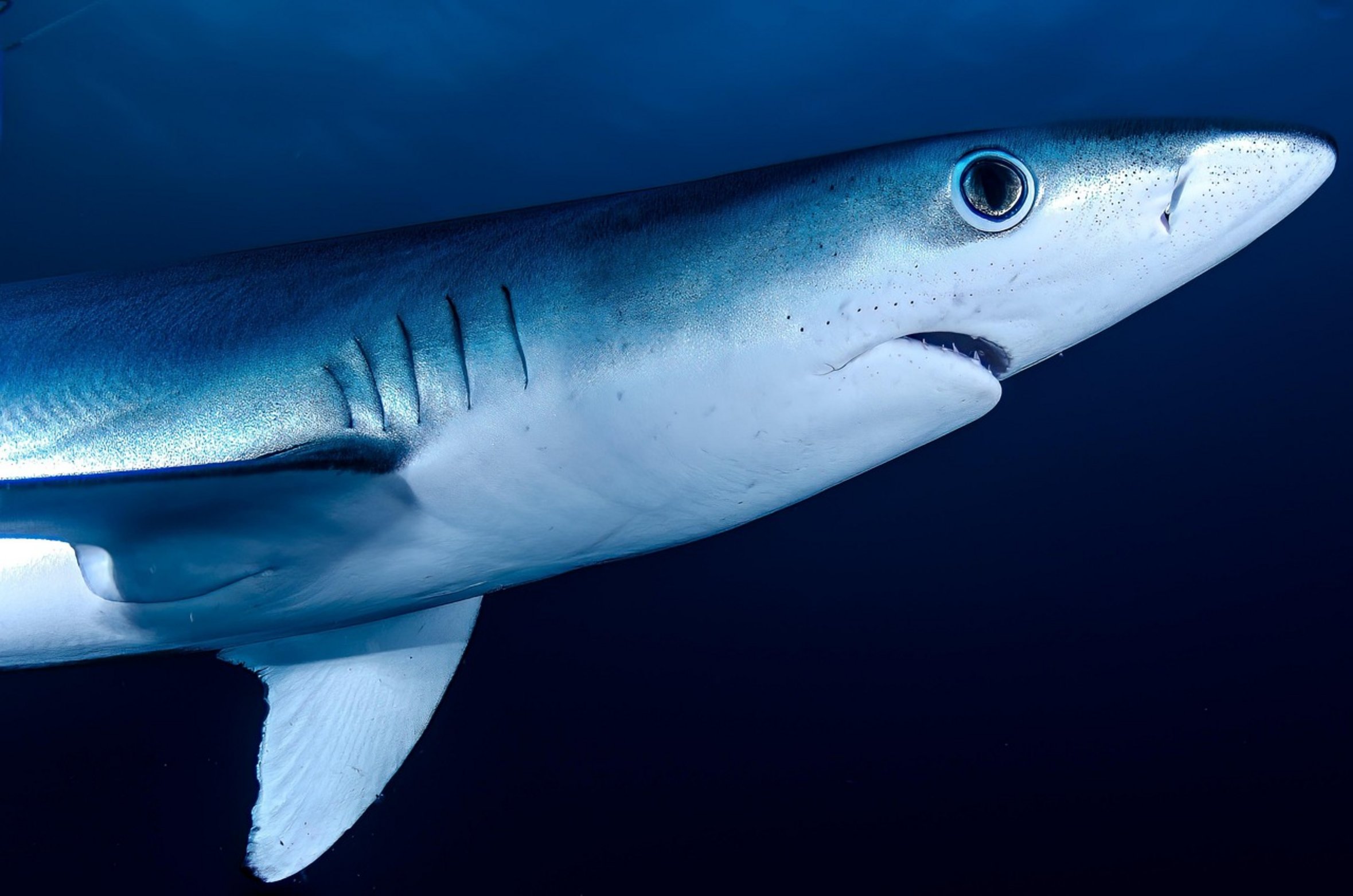
Blue sharks are classic travelers of the oceans and pass by on their migratory route through Long Island waters.
Blues are an open-water species; they live in the deeps while coastal relatives frequent shallower areas. Blues has relatively long pectoral fins and swim powerfully. Those fins makes it possible for these fish to glide easily over great distance.
If you provoke a blue, it may become aggressive, but because it prefers deep water, this means it’s a distant presence for most beach dwellers. It’s not uncommon to see one if you’re a ways offshore, typically on a boat trip or fishing charter. Blue sharks stand out because they are bright blue, marking them as an elite predator of the open ocean world.
5. Great White Sharks
Great White Sharks is not common off the shore, but they still get all the headlines. They do pass through occasionally as part of their migration patterns. Especially around seals, which tend to congregate closer inshore.
And even then it’s rare to have an encounter if you’re swimming casually off the busy beach. Most reported encounters involving great white sharks involve divers or kayakers rather than casual swimmers. They definitely create way more fear then warranted.
But still they command respect and attention. A cage dive brings you up close and personal. It gives you a new way to see power and scale that no raw footage can deliver.
Knowing a little about them takes away some of the mystique of the ocean surrounding Long Island. It’s true, most of the sharks we hear about is those that wouldn’t bother us anyway because they’re too far offshore, too shy to get close, or too small to worry about. Millions enjoy the water each year because it’s safe out there.
It’s just the way nature intends for it to work; together. Enjoy the shallows without fearing the deeps. If we can respect the animals that make their homes in our waters they will stay wild and free.
That preserves the ecosystem for all of us who love this coast.