
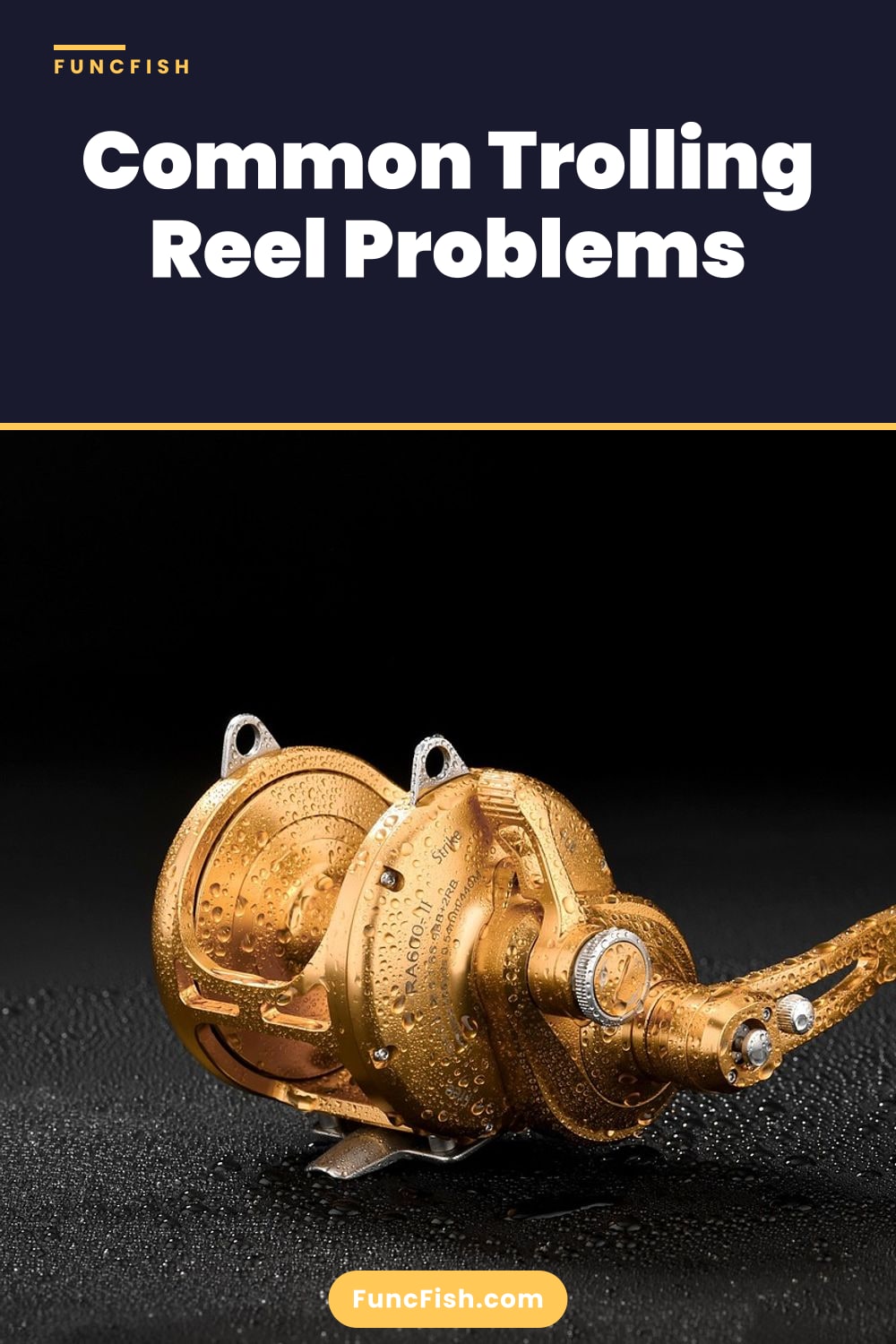
For those who troll, it’s not just about taking a lure out to fish. It’s about managing your speed and your line tension. It is also about being able to trust that your equipment are working correctly.
Running high-speed heavy lines for hours put a specific strain on the internal component of your reels. They get pushed to their limits in ways a spinning reel will never see. Trolling reel failures aren’t subtle affairs.
Overheating spools can burns your fingers, or fry your electronics, and a jammed drag will often bite off your leader line before you even know you had a bite. Knowing what can go wrong prepare you to avoid such mistakes. But it also teaches you how to spot an easy fix that might spare a pricey piece of equipment from early retirement.
Common Trolling Reel Problems And Fixes
1. Line Twist Accumulation
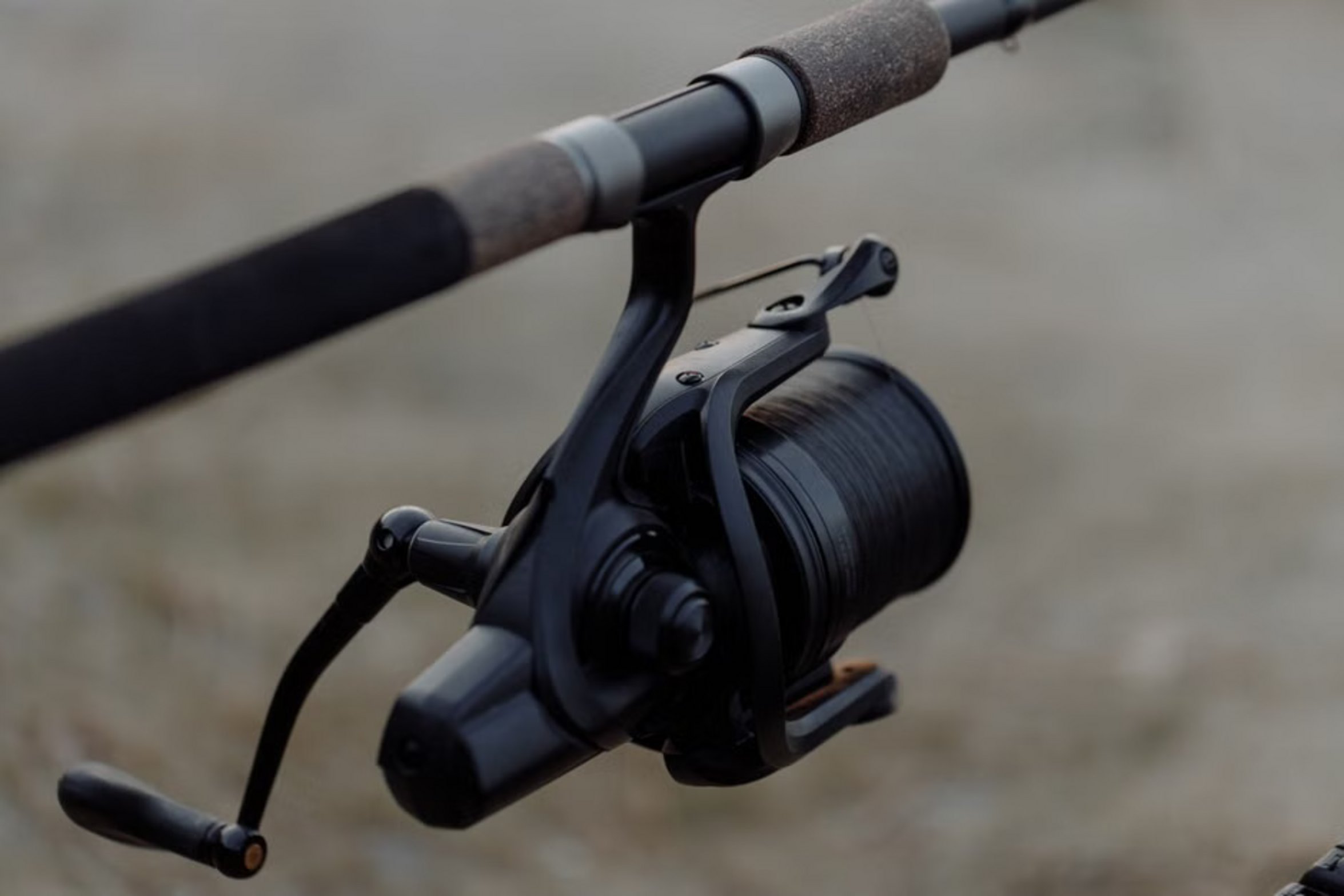
The first is a matter of accumulating line twist. When we troll we’re reeling in lures that are spinning. That creates torque in the line which goes back in the reel spool.
And if you don’t have an anti-twist mechanism on your reel… Or even if you do but you fail to engage it, then the line will coil under the water. That increase friction, weakens your line and leads to break-offs on a hard run by a big fish.
2. Backlash and Spool Spin
Conventional trolling reels also tend to backlash and false cast less frequent than baitcasters. Backlash (also known as “spool spin”) happen when the reel is not in free-spool mode. It also happens if the drag are set too loosely for the line retrieval speed, causing the spool to turn too quicky.
This result in a 20-minute mess to unravel and put you in a sour mood for the rest of the day. Always use the spool lock when throwing the lure. Both electronic and mechanical trolling reels is prone to overheating.
3. Drag System Wear
Friction increase as speed increases while trolling. This create heat that will build up during your day on the water. The electronics on an electric reel can shuts down from heat or burn out the motor controller board in the process.
Too much heat can also cause a manual reel’s drag washers to get brittle. It can also cause spools to warp, leading to loss of stopping power at just the wrong moment. No drag system are immune.
You might notice this as a grinding sensation or a sudden loss of tension during a fight. The drag system’s carbon fiber or synthetic felt washer are in the drag stack. These washers will wear out over time, and even faster when exposed to sand and saltwater.
What happens? You may hear a grinding sound or feel zero pressure on your line while fighting a fish. Lubricate and clean the surfaces regular, but replace them periodically for proper pressure application against fish swimming in deep water.
4. Saltwater Corrosion Damage
Salt corrodes marine equipment, especially reels fished out of salt water. Salt can creep into nooks and crannies and speed up the rusting process for metal parts while also seizing moving part. Stainless steel will eventually give in to pitting corrosion as well.
Rinse your reel off with fresh water every single trip (not every now and then). Two minutes and you add years to the life of your gear because it won’t seize internally. Impact damage: Wobble or spool misalignment signal both bearing wear and impact damage.
5. Impact and Bearing Wear
If the spool is not true, the line will fail to wind evenly which creates high spots (weak spots) with increased friction. This frequently occur from hitting underwater obstructions while trolling or even banging the reel into the gunwale. Before you head out on the water, hold the rod upright and watch for any wobbles in the spool rotation.
6. Line Management Mistakes
Users often make mistakes when managing their line, such as overfilling the spool or using the wrong line type; both can cause poor retrieval performance and increase the risk of slipping. Braided line require a backing buffer to prevent slipping. Monofilament stretches more then braid, affecting hook set and sensitivity.
Many reels needs a backing buffer for braided line to keep it from slipping. Matching your line to the reel specs get the best performance and prevents the line from losing power by accident at critical times. To prevent headaches, save yourself some heartache by checking your reels regular.
Rinse them off, check the drag setting and listen for any unusual noises during retrieval. A happy trolling reel lead to peace of mind which means more time focusing on fishing and less time picking out a jammed reel as the fish slips back into the deep.