
Maui’s sharks play an important role in the marine ecosystem. Sharks is not only good for reefs but they is also essential for maintaining healthy populations of fish. By learning about different species that swim alongside us in the sea we transform our fear into awe and respect.
Too many visitor think all sharks are dangerous, especially when swimming. That misconception comes from exaggerated media reports instead of real science. In fact, most species of shark found off Hawaii is too small, too timid, or too specialized in their diet to even come close to people.
By knowing what to look for when spotting a shark; whether it’s a true threat or just a curious visitor. You can understand how to approach the ocean safe while respecting natural behavior of these animals. Here is a break down of which sharks is most likely to be seen in Maui’s waters, from the mighty open ocean predators to some rather docile bottom dwelling creatures.
Knowing who they are can help put your mind at ease and will make you appreciate them for what they do here on the island without any unwarranted fear. They all have specialized features that enable them to thrive in different ways around Maui. The most frequently seen predator species along Maui’s fringing reefs and nearby channels are the reef sharks (blacktip, whitetip).
Common Shark Species Found In Maui Waters
1. Reef Sharks
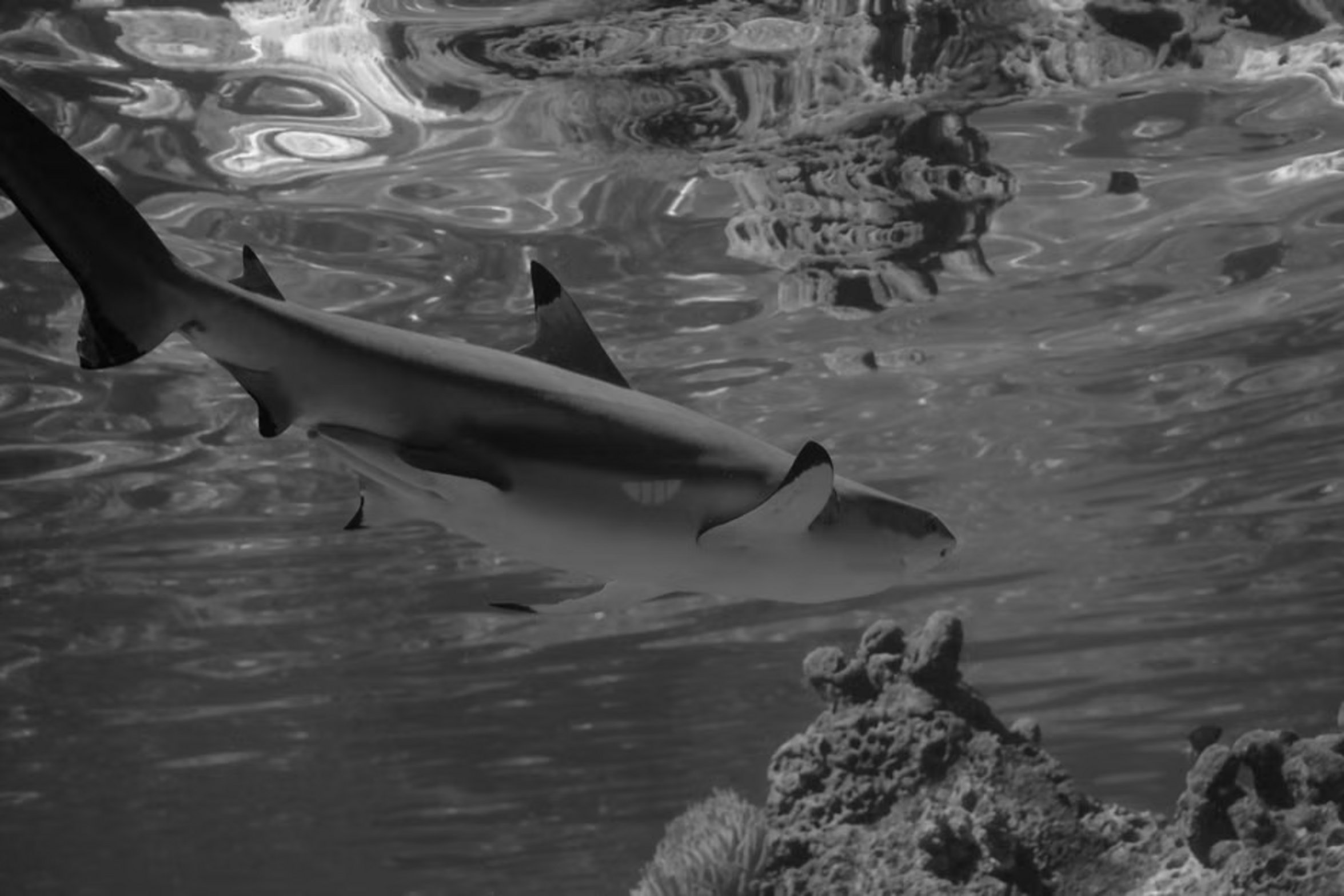
These guys is nimble hunters that swim around coral formations using stealth instead of velocity to ambush prey. They are normaly shy and typically spooked when diver or snorkelers get too close. Presence shows a healthy reef habitat since these fish eats weak or diseased fish.
Look for them napping in shallow rock crevices during the day and hunting at dusk. A unique feature of blacktips is the dark tips (hence their name) that can be seen on their fins. From a distance they can be identified by these marks.
Blacktips typically hang out in big numbers near shallow sand flats close to reefs. They wait for the tides to change so they can get a bite to eat within reach. Although feared, incidents involving blacktip reef sharks are extremely rare.
Instead, they feeds mostly on small fish and squid. Occasionally, they will investigate underwater photographers because of their curious nature. They are more curious than aggressive, but you should of still give them some space and allow them to go back to doing whatever they were doing before you came along.
2. Whitetip Reef Shark
The resident guardians of the deeper coral ledges that surround the island is the whitetip reef shark. They has an interesting way of hunting. They hover motionless just off the bottom and ambush their prey from above.
Their white tipped fins helps hide them from the sunlight filtering down into the water. This makes them nearly impossible to see until it is too late for the unsuspecting fish. Whitetips don’t like crowds.
During the height of the tourist season they tend to hide underneath overhangs and caves.
3. Tiger Shark
With a broad T-shaped head, hammerhead sharks (pictured above) get their name from that distinctive head shape. This give them excellent binocular vision.
Offshore reefs around Maui often has large schools of hammerheads. They frequently form large schools along offshore reefs, particularly around Molokini Crater. With their wide head shape, hammerheads can senses the electrical signals emitted by prey that hide buried in the sand.
This distinctive head shape allows them to detect electrical signals from hidden prey buried in sand with greater precision different than other species. Hammerheads typically aren’t aggressive towards divers, though they can be imposing when there is lots of them. One of the great things about diving here is watching a school glide across the blue.
Far out at sea, cruising the craggy shores of this tropical isle, you’ll find tiger sharks patrolling the deep. These top hunters is considered scavengers. From fish to flotsam to whatever else washes ashore they eat it all.
For these reasons, marine biologists refers to them as ocean vacuum cleaners because of their opportunistic eating style. While they do have a pretty strong bite and they gets fairly big, human attacks are relatively rare and usually occur far off shore in areas divers rarely visit without a guide.
4. Oceanic Whitetip Shark
West Maui cliffs feature deep drop offs that tend to attracts Galapagos sharks.
These sharks likes to hang out in the colder waters of deeper channels. They also frequently swim with schools of open ocean fishes. These sharks has sleek bodies and a solid grey coloring that makes them streamlined predators.
They can holds their speed over long periods of time. Galapagos sharks don’t stay close to the shore like the reef dwelling sharks. Rather, they migrate based off where the prey happens to be located.
When divers plan trips specifically to encounter these sharks, it’s generally to travel to specific dive sites where they’ve been regularly seen at particular times of year.
The open ocean is where oceanic whitetips live. The species do not visit Maui’s reef-fringed coasts.
Instead, these sharks roam the blue highway far offshore, sometimes following tuna schools or other floating objects that attract them. They’re a key component of the pelagic ecosystem. By keeping midwater fish populations in check over wide swaths of ocean, oceanics helps sustain a healthy food chain.
Although relatively uncommon close-in, they are part of the more adventurous side of Hawaii’s underwater world. And it’s a realm outside the confines of human-protected zones. Knowing where they can be found also puts into perspective why sharks may seem like a mystery to beach vacationers.
From time to time whale sharks migrates through Hawaiian waters. These gentle giants are filter feeders of small crustaceans and plankton. How do they eat?
By using special structures in their gills. Each one has its own pattern of spots. They are kinda like our fingerprints.
Scientists can follow them from there. When you have an encounter it’s a memory never forgotten. It is a quiet reminder of how animals can live together at sea.
So if you can identify these sharks it will help explain the underwater world around you. And the more we know, the less fear we have. Fear is ignorance and knowing makes us appreciate the complex web of life under the water.
If you ever get into the water diving or swimming off the coast of Maui, just know that each animal has a role in this ecosystem. They are first and foremost the owners of the sea. You’re simply a visitor in their home, which they have lived in long before you.