
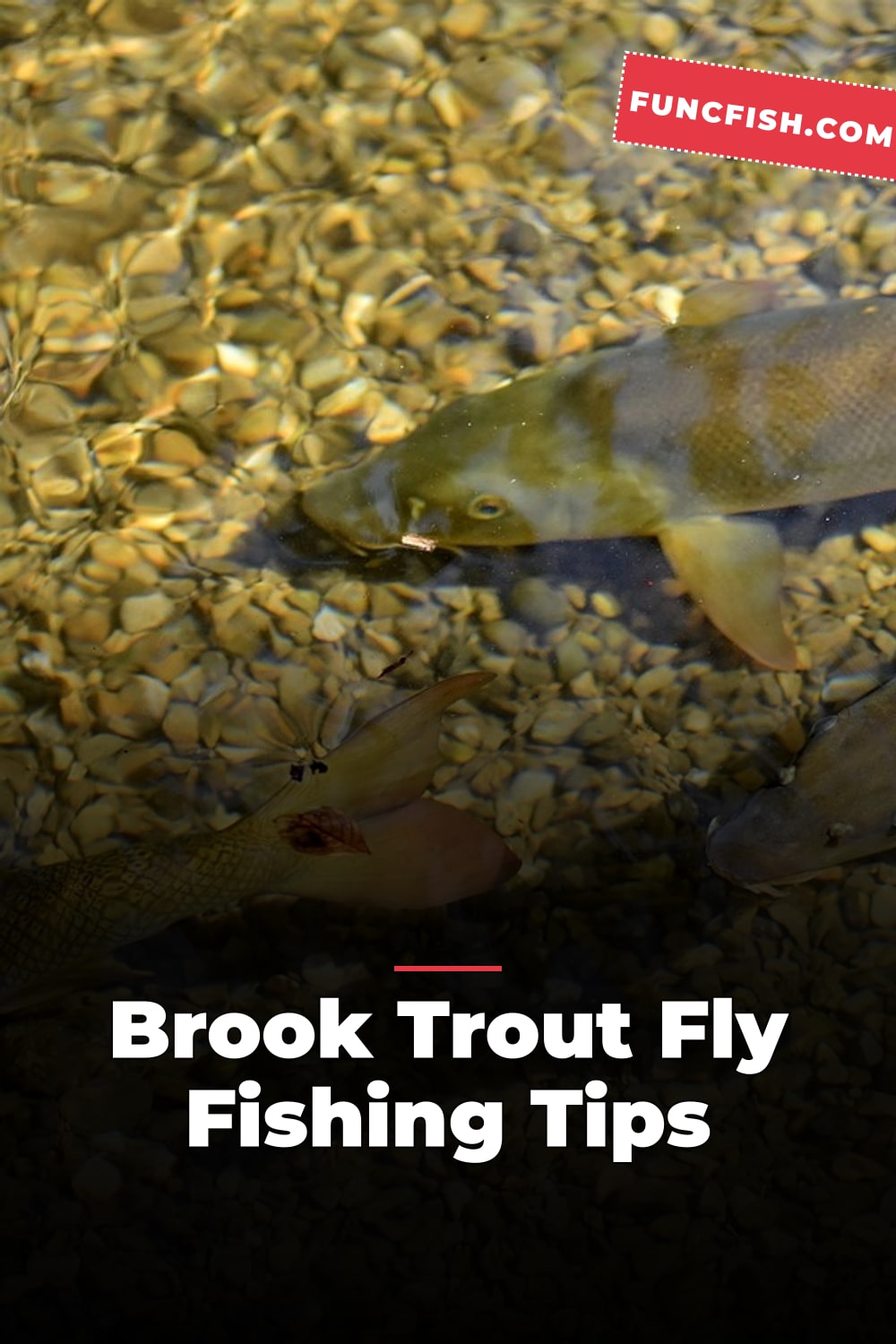
Because brook trout can be finicky and require a bit of respect from you in their area, accuracy is key to catching them. If they sense the pressure, they’ll bolt back into some type of cover. That means each cast counts a little more then it would in warmer water when the fish aren’t quite as wary.
A lot of people will use the same tactics on brook trout streams that they use for brown trout or rainbows and end up empty handed. That’s because they don’t know what makes native brook trout tick around them. Brook trout likes cool water and high oxygen levels usually found in deep pools or small tributaries.
If you want to be on the end of a bite, your tackle should reflect that. To do this, here are seven tweaks to your technique. The tips center around reading the water, and then showing the fish what they expect to see.
Put these basics into practice first, and you’ll immediately see more success on the stream.
Proven Tips for Catching More Brook Trout
1. Match the hatch with small stonefly nymphs
In the spring, brook trout gorge themselves on emerging stoneflies and caddis flies as they hatch out of the gravel beds following winter. For that reason, a size sixteenth or eighteenth Pheasant Tail Nymph imitating their natural food source will often outperform a complex fly.
2. Let the current pull the fly naturally
Letting the current pull the fly along naturaly. Without pushing it through any seams where debris could get caught up, is the ticket. Trust the water flow and be patient.
3. Use lighter tackle for precision casting
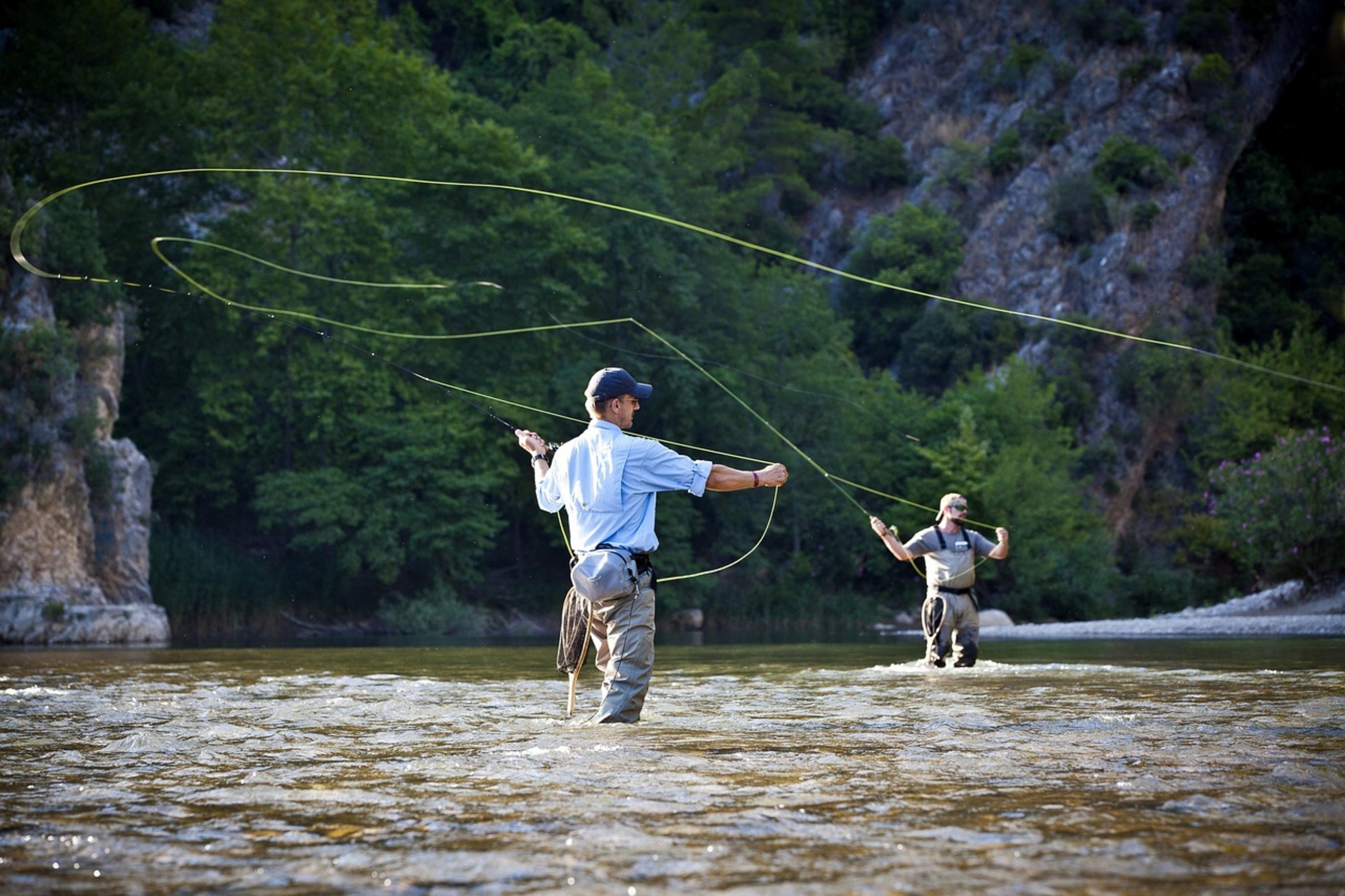
Lighter tackle helps make better casts and feel more sensitive. A five weight or even four weight fly rod lets you cast smaller flies with greater precision into tight pockets along the banks. Fish tend to be holding in shallow water like undercut banks or along shallow runs where that big long nine foot leader will collapse and spook the fish.
The light line also gives you a better tactile feel for when you get a shy take from a trout and sets the hook just at the right time.
4. Hide yourself with dark clothing colors
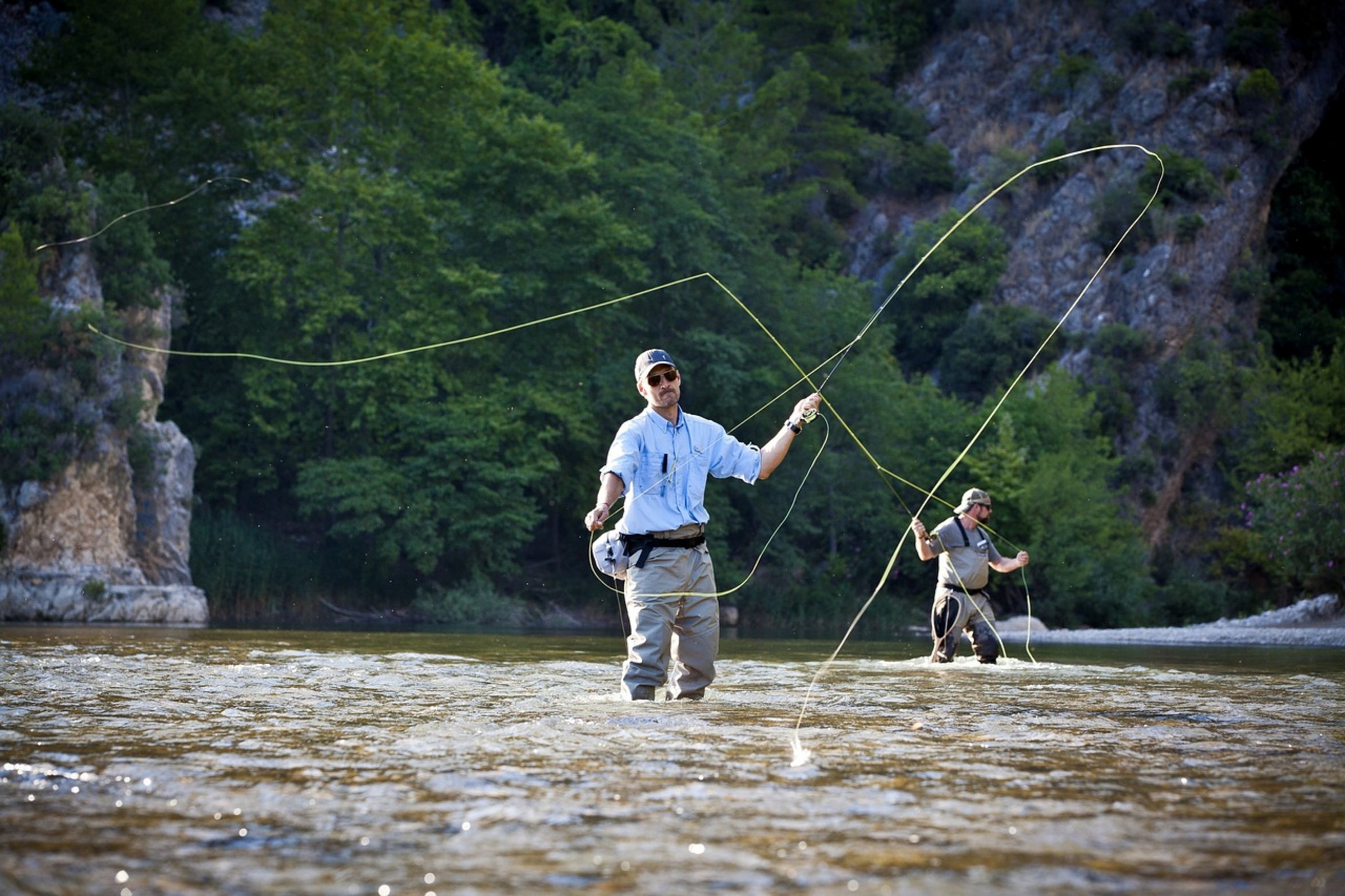
Minimize your color palette. Fish can spot you from a few feet under the surface.
Their eyes are sharp enough to pick up shadows passing over their heads. The unnatural reflection off of light-colored clothing (think yellow, white) tips them off to the threat well before your fly hits the water. Browns, greys, and dark greens will more closely match the rocky stream banks and forest canopy.
This is an easy visual tactic that buys you extra time to get that fly in front of the fish before they run for cover.
5. Target slow moving water features like eddies
Pay attention to any slow moving water features such as eddies and tail outs. Brook trout will use these spots for resting between feeding bouts in the faster current. It also tends to concentrate the food in these slower sections, which becomes prime hunting grounds for astute anglers.
Try casting upstream of the feature with your fly drifting downstream into the seam line where fast water meets slow water. Not only does this keep the presentation natural but it also lets you cover more ground with each cast.
6. Adjust leader length based on water clarity
Water clarity determines how long your leader should be. Longer leaders (up to nine feet) are necessary in clear mountain streams where you want the bulky backing away from the fly. Shorter leaders is better in muddy water after heavy rains. They increase control and turnover on breezy days.
7. Switch tippet sizes for subtle presentation

Switching tippet sizes can be the deciding factor between hooking a fish and letting it see the line and reject your offering. It is a very subtle adjustment, but one that can make a big difference over time.
8. Mend carefully to keep a drag free drift
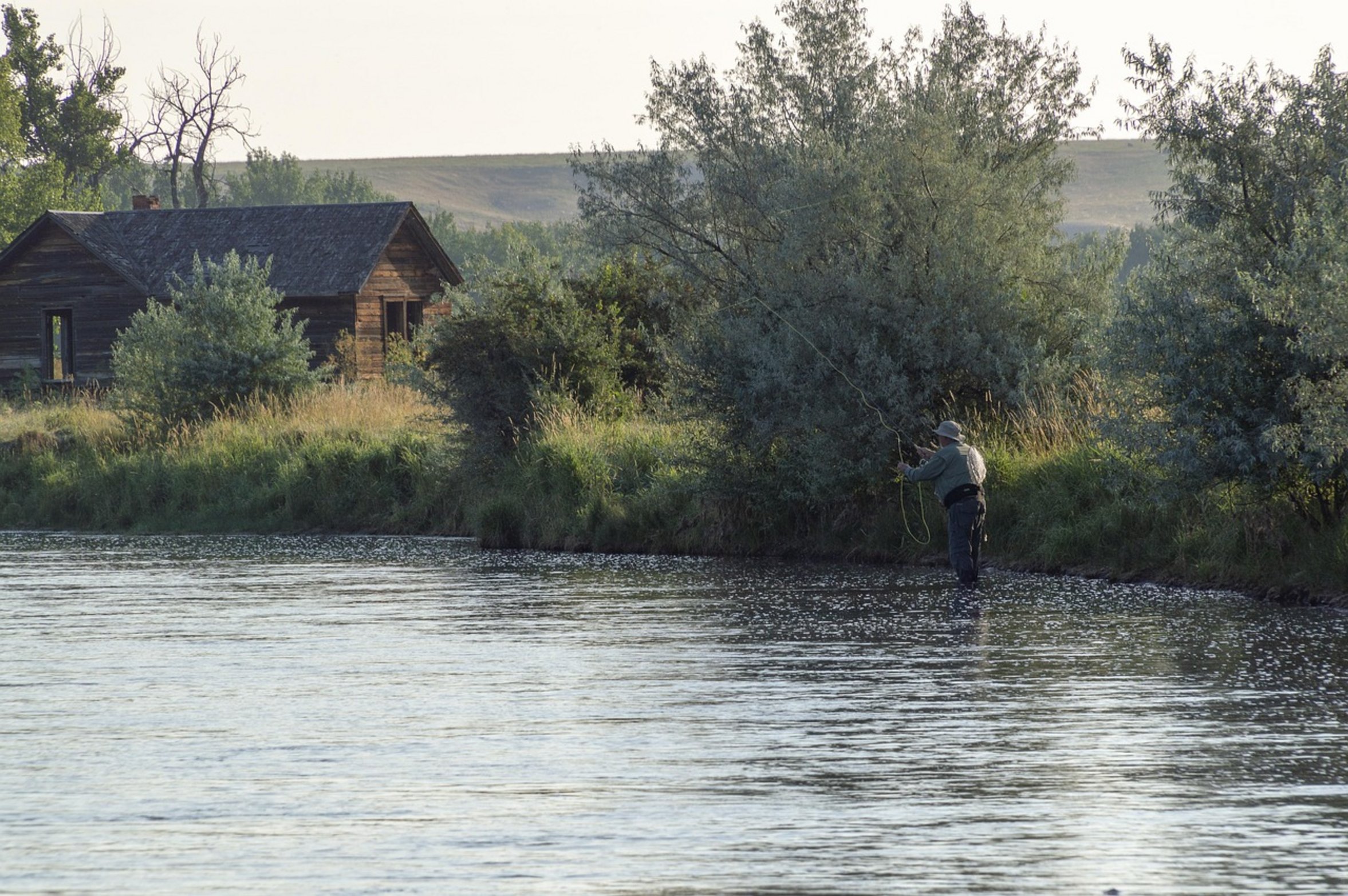
The biggest mistake beginners make is letting their line touch the water too soon, which creates unnatural movement that alarms the trout.
It looks unnatural and will spook the trout. After every cast, mend your line right away by lightly flipping your rod tip over and correcting for any casting error or line wind up. Slowly work the fly and keep the rod tip up to minimize disturbance of surface film.
Doing this will allow the fly to mimic how a natural insect would behave in the current.
9. Keep an ultra-low profile near cover

When you do see fish relating to the obvious cover, keep an ultra-low profile. Brook trout becomes very spooky around any type of commotion, particularly when they’re positioned underneath overhangs and other cover or near the bottom.
Don’t splash water or unnecessarily step on nearby rocks within range of the fish. Instead, stand perfectly still and make long, smooth casts rather than several short ones that will produce noise and waves. As long as you don’t move aggressively in their space, the fish will stay calm and eventually come toward your bait…
This discipline goes a long way.
10. Carry multiples of multiple fly sizes
Carry multiples of multiple flies because brookies, like any other trout, get picky regarding how much food they are willing to eat. They’ll readily take a small-sized version even in the same water where they sometimes refuse the larger one altogether.
To account for their appetite and different feeding stages during a given day, carry a mix of nymphs ranging in size from 12 to 20. When things change rapidly (either as a result of weather shifts, or the amount of insects present), being prepared with something else spares you some time and aggravation. Half the battle is already won well before you tie on that initial fly if you’re properly prepared.
11. Practice catch and release whenever possible
Brook trout are a sensitive species to overfishing pressure and smaller headwater streams take years for their population to recover. Carefully handle your fish using wet hands and try to keep them in the water as much as possible while unhooking. Not only is this an ethical practice, but it allows future generations of anglers to have the same thrill that you do today.
Your personal choices every day on the bank begin conservation efforts. Brookies aren’t easy to catch. Catching them isn’t just about the actualy catch.
It’s about the chase and learning how to make subtle adjustments to your technique in order to better respect and enjoy the unique opportunity of catching one of these shy beauties. This is what makes brookie fishing so special; it’s a sport where being lucky takes second place to being skilled. Next time you’re standing on the bank of some cold clear water, keep this in mind: more than anything else, it’s about being discreet.
You want your fly to appear as though it has every right to be there and your own presence to feel invisible to those watching from below. If you can do that, you’ll realy get it.