
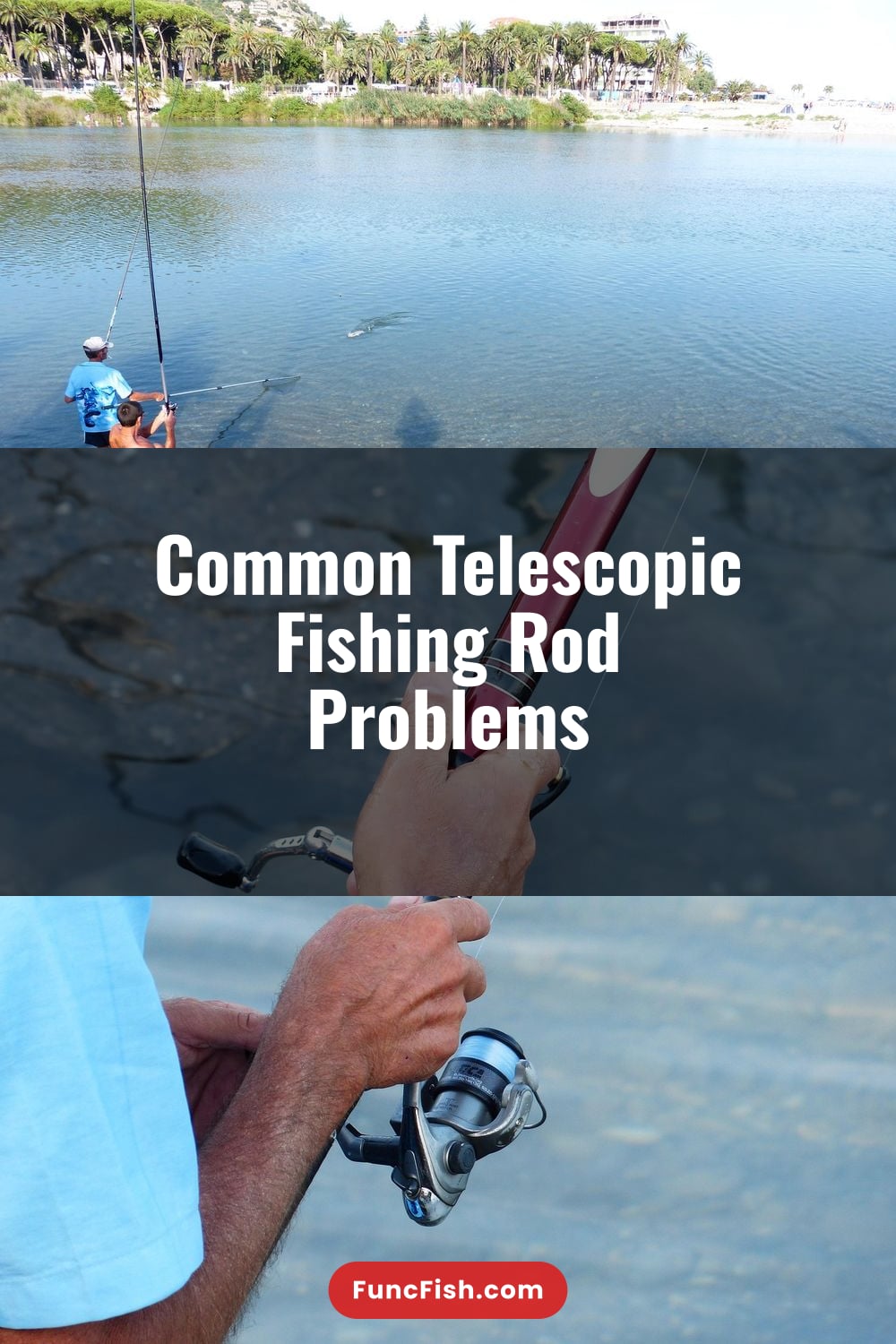
It is convenient because sliding telescoping rods can be tossed in a suitcase or stuffed in your backpack without fear of breaking them. That’s the selling point of the deal. You bought one because you could pack it.
But then when you get out there to the river bank or the dock, reality hit and you find yourself pulling the compact cylinder from its spot and discovering your rod feels flimsy and the guides don’t look right. Your cast falls flat with a sad sounding plip instead of an arcing delight. Before long, you’re thinking “cheap gear”.
It is harder to consider that you might just not know how to use it. There are several avoidable issues with most telescoping rods. The typical culprit is misuse: people is too rough with the delicate parts that allow the pole to collapse to the length of a forearm.
There’s no reason why they can’t be as good as traditional rods; it simply comes down to design. Knowing the pitfalls helps you cast and pack them better. It also makes the experience more enjoyable rather then annoying.
Common Problems With Telescopic Fishing Rods
Remember the tip is the most delicate part and the first thing that gets broken. Don’t treat it like the butt of your rod. If it’s in there too tight and you try to bend or snap it, what happens?
You break off the tip. That’s why so many guys will extend the rod from end to end with the stiff parts going in first and the tip last. The problem is that when you do this, the pressure from those rigid joints compresses the thinnest joint.
1. Proper Extension Technique
It is like trying to bend a strand of graphite hair in a straight line against another piece of graphite. So pull the rod out starting at the tip and work your way down. Respect the order of the rod and keep the stress in the strongest spots.
2. Checking Guide Alignment
Guide misalignment is a silent cast killer. When the guides aren’t perfectly lined up, each time you make a cast, the line will rub on the wrong side of the loop. That robs you of both accuracy and distance, plus it creates weak spots in your line that can snap when under load.
Before each trip, check ‘em. With the rod at arm’s length, sight down its spine to see if any guide appears off center. Use your fingers only.
Don’t use pliers, because their epoxy glue is brittle. Just twist the guide back into position gently until it’s right. A little adjustment goes a long way toward restoring performance.
3. Freezing Stuck Sections
When you get sand or dirt in your ferrules, it becomes a nightmare called stuck sections. This can occur if you extend the rod while it’s dirty (i.e., fishing around beaches or muddy banks). The grit will act as glue in between the layer of carbon fiber.
When you run into one that won’t come out, don’t force it. It will strip the finish and may even crack the tube. Use a special ferrule release spray or a drop of silicone lubricant on the joint.
Let it soak into the joint for a few minutes. Now, pull gently while twisting it. Prevention is better than cure.
4. Selecting Rod Action
Always wipe down your rod before collapsing it back into the closed position. The rods tend to feel dead compared to one-piece rods. This is partially due to having multiple joints that dampen vibration, but it is also partly because most anglers purchase an incorrect action for their use.
If you’re going to fish light lures on a telescoping rod, go with a moderate or slow action, because a fast, stiff action will feel numb. The vibration doesn’t translate as well through the segmented rod. If you’re after trout or panfish, then select a slower or moderate action.
Those rods flexes more evenly and transmit subtle bites better than those with a stiff action. Not only do you match the species of fish, you also want to match the rod to the line weight.
5. Securing the Handle Grip
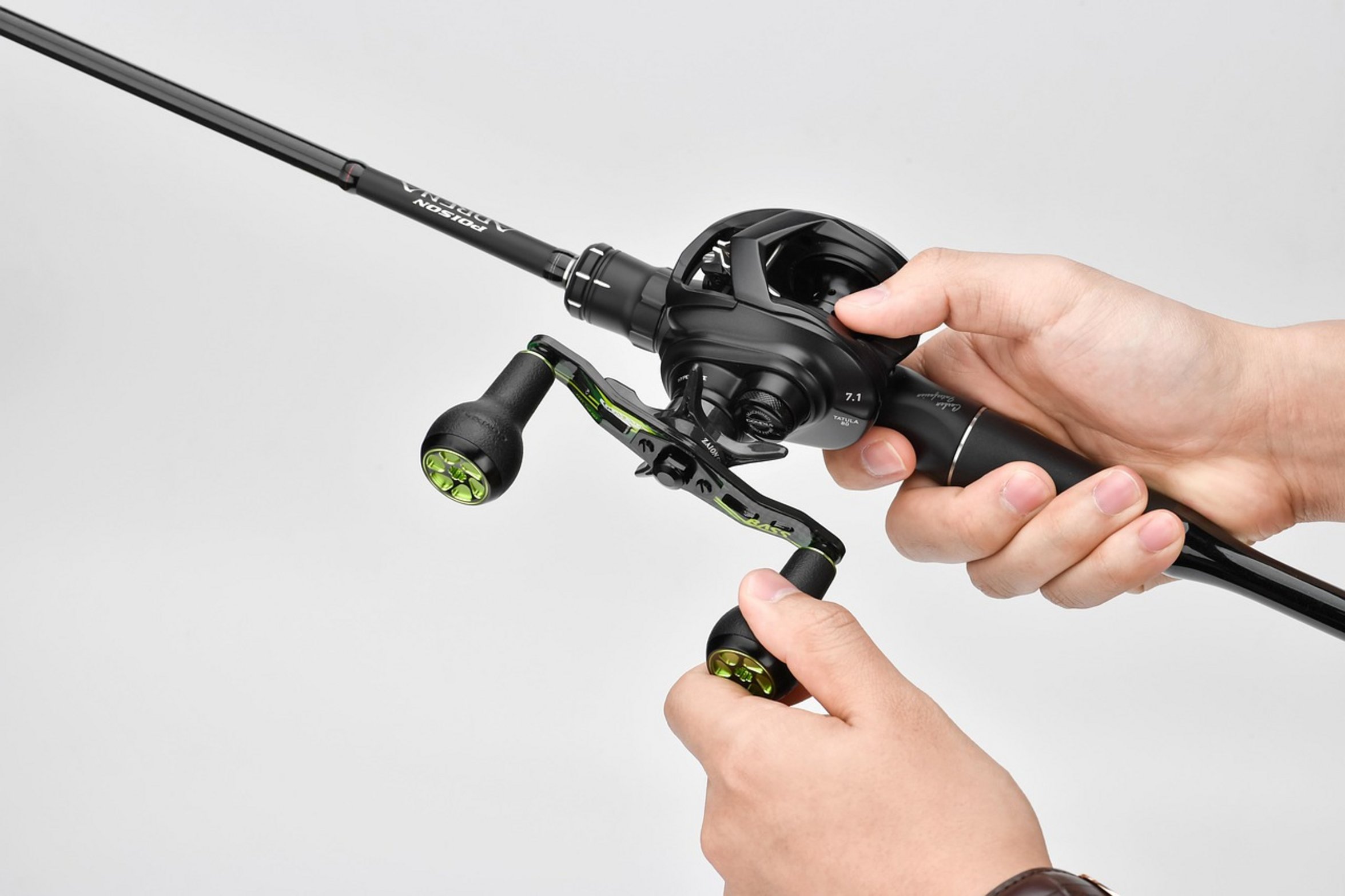
Handle slippage Over time, the grip will loosen its hold and become slippery.
That’s because the constant expanding and contracting of the rod will eventually wear away at the internal friction keeping the handle section secure. Nothing is more irritating than a fish fight and having the rod slip from your grasp. If your rod has a screw-on reel seat, tighten it up.
If not, then simply take some electrical tape and wrap a small piece around the shaft right beneath the grip. It’ll restore some friction where it matters while not affecting the overall balance of the rod. There’s one little trick to avoiding this and it’s as simple as a habit.
6. Protecting the Rod Tip
Most telescoping rods includes some sort of plastic cap for the tip. A lot of folks will lose theirs or simply leave them on their car dashboards. If you break the tip, then forget about casting the rod.
Zip-tie the cap to the reel seat if need be but having a dangly cap is far better than a busted-off tip. Replacements are cheap. Having to buy an entirely new rod isn’t.
7. Avoiding Line Tangles
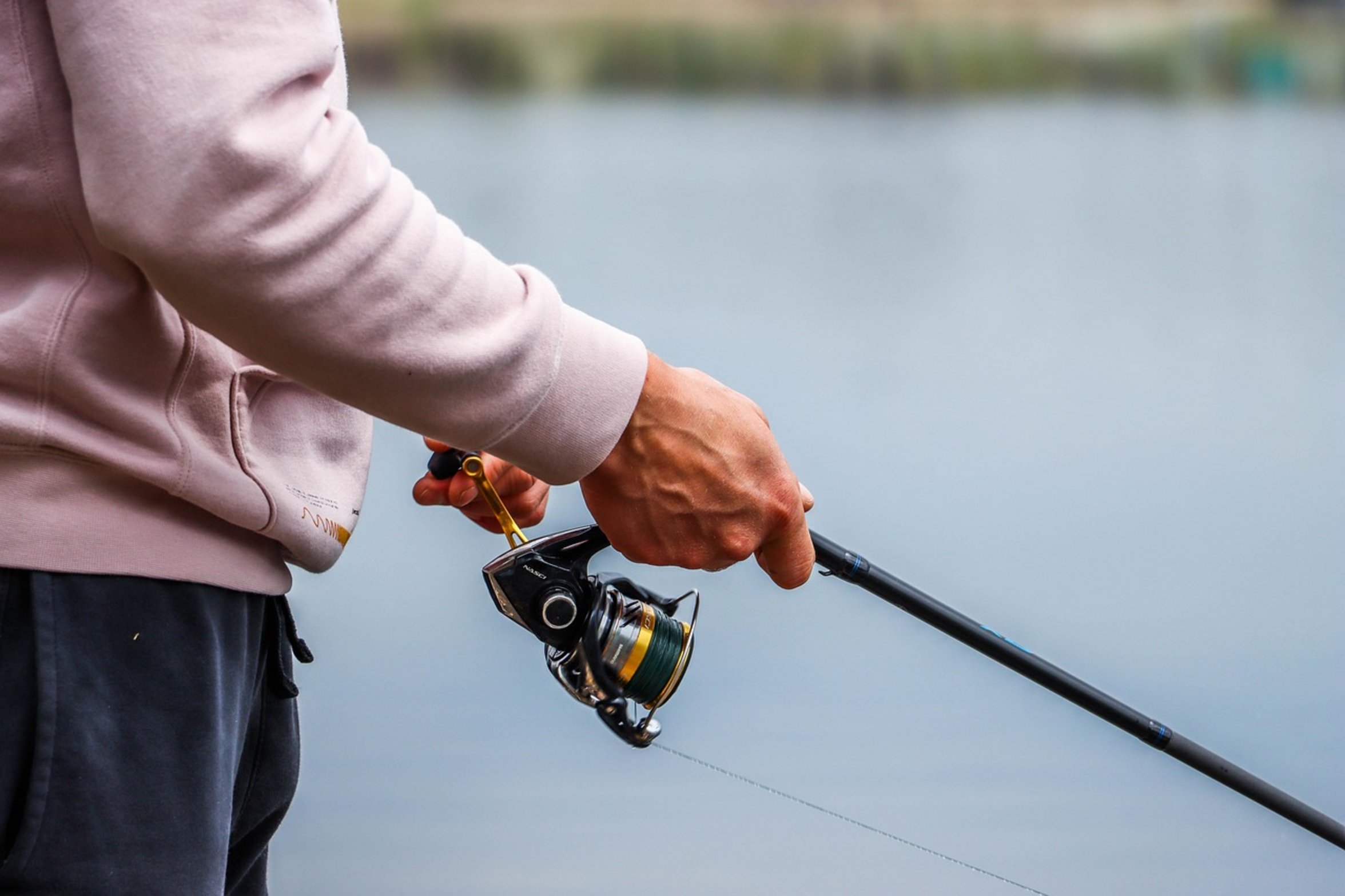
Guides on telescopic rods are typically glued on and not intended for onsite adjustment. This means that sanding will weaken the adhesive bond and break through the protective coating causing backlacking damage. In most instances where a guide is loose, you will need to replace it or send it back to the manufacturer if it is still under warranty.
Attempting to do a DIY on structural components almost always ends in catastrophic failure. Leave the glue jobs to the pros. You might think there is no way the line could get wrapped up in the collapsed rod, but you have seen it happen.
That happens when you collapse your rod with the reel in some odd position and have line hanging out of the spool. Then the line catches one of the guides or gets pinched somewhere between the sections. Make sure to close the bail and take up any extra line or even just strip it off the spool if you’re going to collapse it.
But best practice should of been to remove the rod from the water, wash it down, and then collapse it. Wet lines don’t slide as well as dry lines. But ultimately the bottom line is this: Telescopic rods are serious pieces of equipment.
They have specific mechanisms and limitations that need to be respected. If you understand them and stop trying to fight their design, they can perform quite well in spite of their small size. Not only will you be able to make longer casts, but feel more bites and go home with a smile on your face.
The convenience isn’t gone, but the performance has increased too. So keep those guides lined up, keep your section clean and keep your tips protected. Those things will help you get the most out of the smallest package.