
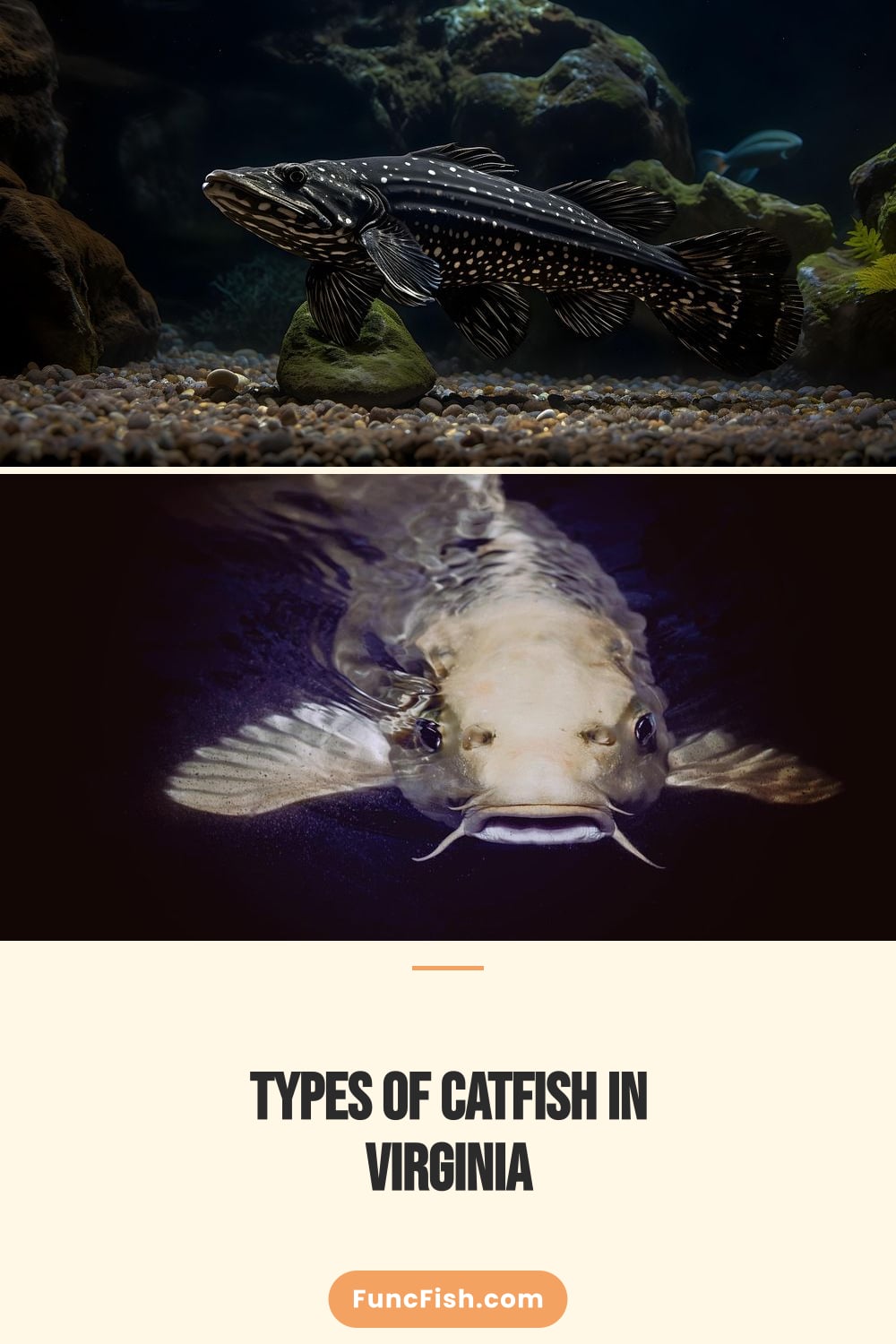
The rivers, lakes, and coastal bays of Virginia contain a large number of catfish that has whiskers. These catfish have the potential to turn a slow day of fishing into an unforgettable day of fishing. While catfish do not receive the same level of attention and glamour as some of the other species of fish, catfish has the habit of fighting hard when being reeled in and taste excellenly when prepared for the table.
When other species of fish begin to become picky eaters, catfish will still seek out the food that they require to survive. By learning of the different species of catfish that live in the Commonwealth of Virginia, anglers can make certain that they use the correct bait, go to the correct location in the state, and use the correct type of fishing tackle. This will ensure that anglers do not waste hours at the fishery with incorrect gear.
When anglers know of the main species of catfish that live in Virginia, they will no longer have to guess at the type of fish that will begin to bite at there lines. The list below includes a description of the species of catfish that anglers are most likely to see in Virginia. Each species of catfish has its own set of habits.
Each species of catfish prefers a different type of water. Each species of catfish has its own quirks that distinguish them from other types of catfish species. These characteristics is important for anglers to know when they are on the water and fishing for these species of catfish.
Each of the different species of catfish live in different niches in various locations across Virginia, from the James River to the mountain streams and reservoirs that populate the state. Knowing the difference between these species of catfish will allow anglers to experience success with their fishing trips. Channel catfish are the primary species of catfish that live in Virginia.
Common Species of Catfish Found in Virginia
1. Channel Catfish
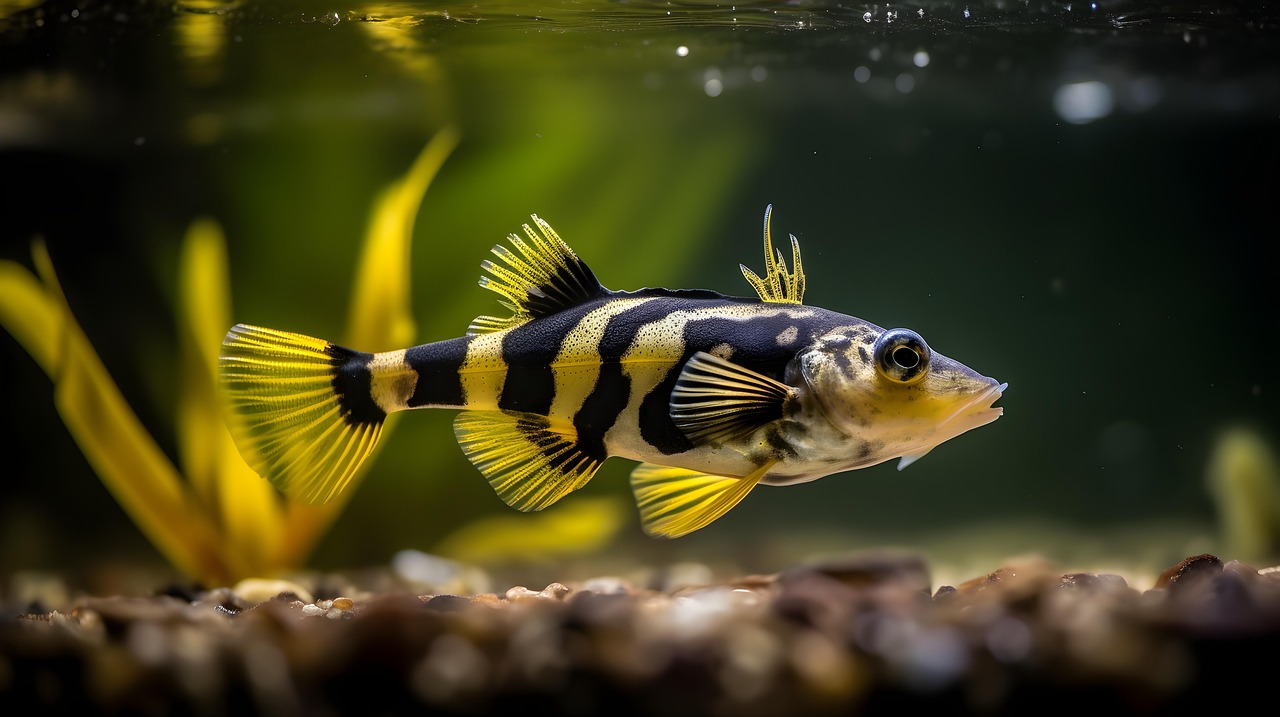
The channel catfish species is comprised of slender fish with graceful movements, with young channel catfish having spots along their bodies. Channel catfish species live in a variety of environments, from small creeks to the brackish waters of the Chesapeake Bay. Channel catfish are often found in locations where there is a movement in the water, such as logs, rocks, and bridge pilings.
The channel catfish species utilize their barbels to detect food in the water. Channel catfish will readily eat cut bait, chicken liver, and stink bait. Channel catfish species grow quickly and can live in a variety of water qualities.
Furthermore, people often stock channel catfish species in areas throughout Virginia. The ability of channel catfish to live in a variety of environments and to thrive in different waters makes them a species that is popular among anglers of all experience levels in Virginia. The other most common species of catfish in Virginia are the flathead catfish species.
2. Flathead Catfish
Flathead catfish species have broad and flattened heads and relatively small eyes. The flathead catfish uses these physical features in the catching of prey species. Flathead catfish species eat live bait.
The best type of bait for flathead catfish species includes a large sunfish or bullhead that is hooked through the back of the catfish. Flathead catfish species live in deep holes in the bottoms of rivers during the day. However, flathead catfish do move to relatively shallow flats in the rivers during the night.
Therefore, anglers that intend to catch flathead catfish species will set there lines during the night. Flathead catfish species live in rivers in Virginia, including the Potomac, Rappahannock, and the James. Flathead catfish species live in these rivers and can grow to weigh more than fifty pounds.
Furthermore, the strong fighting ability of flathead catfish species may injure an angler’s hand with there strong and powerful jaws. The third type of catfish species to be seen in Virginia includes the blue catfish species. People first introduced blue catfish species into Virginia over twenty years ago.
3. Blue Catfish
They introduced these blue catfish species into the environment to increase the number of catfish species in the state. These blue catfish species grow to be large fish and the state record for the weight of a blue catfish species is more than one hundred pounds. Anglers in Virginia often catch blue catfish species that weigh between thirty and sixty pounds.
Furthermore, these blue catfish species utilize heavy tackle in the fishing process and eat large pieces of cut gizzard shad. Blue catfish species can live in waters that contain higher levels of salinity than other types of catfish species in Virginia. Furthermore, biologists are able to tell the difference between blue and channel catfish species because blue catfish species have downturned mouths and longer anal fins.
The blue catfish species is powerful and strong especially in areas where they are battling against the current in their river homes. In addition to the species discussed above, the fourth common species of catfish to be seen in Virginia are the white catfish species. White catfish species are a species of catfish that tends to stay smaller in size than other types of catfish in Virginia.
4. White Catfish
Furthermore, white catfish species tend to prefer water that has little movement within the water. White catfish species have the same physical features as channel catfish species, except that their tail fins are rounded rather than deeply forked. White catfish species live in ponds, tidal creeks, and the slow sections of Virginia’s coastal rivers.
Furthermore, anglers do not often target white catfish species because their weight is usually no more than five or six pounds. However, they are a popular target for children and for those anglers who wish to catch large amounts of fish for there coolers. Anglers can fish for white catfish species using shrimp, worms, or other small fish species.
Furthermore, white catfish species are known to be active after it becomes dark outside. Additionally, because white catfish species are relatively small in size, they are considered to be excellent food for humans and create very little waste when prepared for eating. The other types of fish species include the bullhead species.
5. Bullhead Species
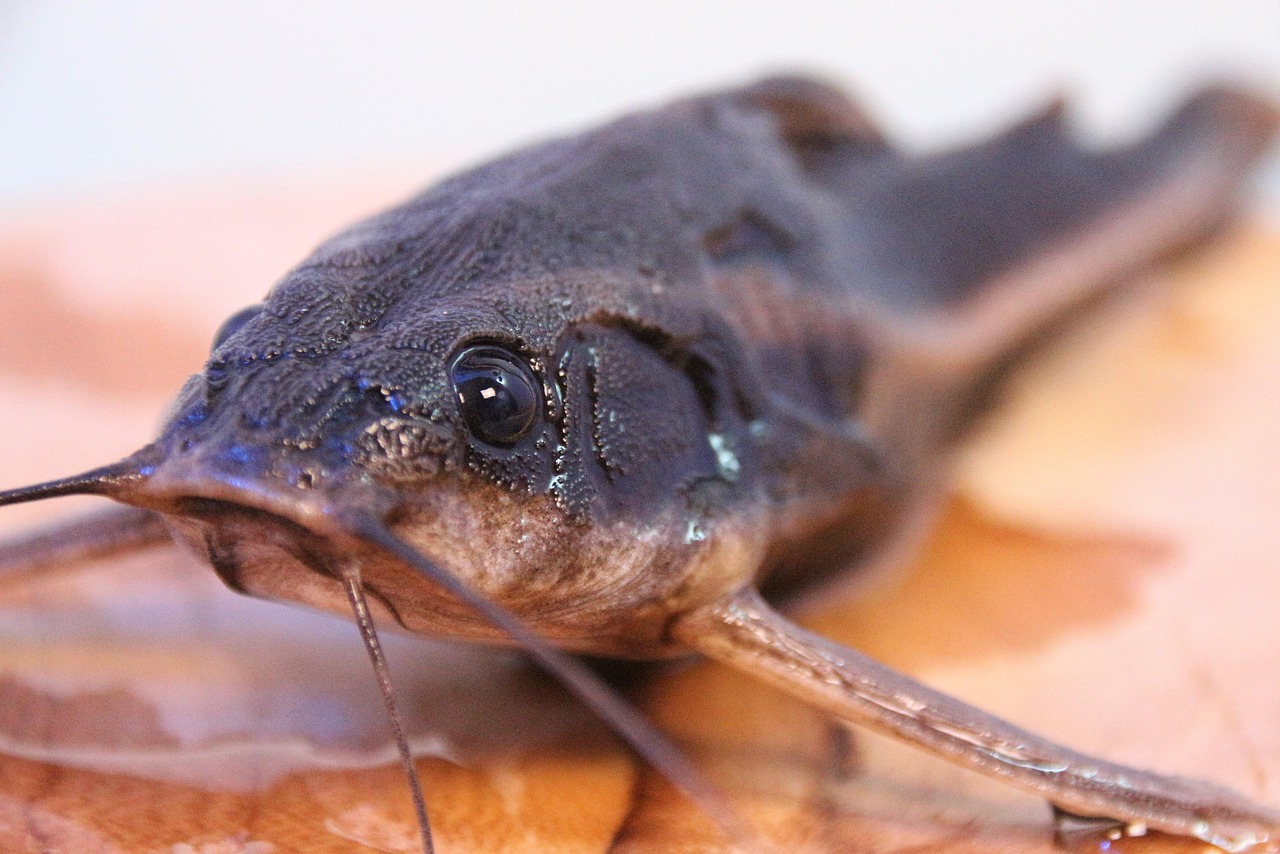
Bullheads species include three different types of catfish species that are native to Virginia. Bullhead species include the black bullhead, the brown bullhead, and the yellow bullhead species. Bullhead species can grow to be no larger than twelve inches in length.
Bullhead species live in a variety of locations within Virginia, including muddy ponds on farms, backwaters within lakes, and urban areas with retention basins. Bullheads have square tails and barbels on their chins that are the same color as the remainder of the bullhead’s body. Bullhead species are the fish that are generally caught when other types of fish will not eat the bait that is being used.
Furthermore, bullhead species have a sharp pectoral spine that may poke an angler’s thumb. However, bullheads are a desirable fish species for anglers when they are prepared to skin the bullheads and fry them in cornmeal. Additionally, many of the older anglers in Virginia believe that the best type of fish fry can be prepared from bullhead species that are caught in quiet ponds during the dusk hours.
The last type of catfish species to be mentioned within Virginia is the madtom species. Madtom species are a type of catfish that most anglers do not see while fishing for other species. Additionally, madtom species are extremely small in size; some species of madtom are only three inches in length.
6. Madtom Species
Furthermore, madtom species live under flat rocks in streams that have a high level of cleanliness and swift movements in the water. In the western areas of Virginia that include hills, anglers may spot the tadpole madtom or the margined madtom species. Furthermore, madtom species contain a mild venom within their pectoral spines.
Furthermore, if anglers handle madtom species incorrectly, the venom can result in a sensation within the angler that is similar to being stung by a bee. The venom of the madtom species is why other predators leave these types of fish alone. However, anglers will not target these species for consumption.
However, spotting a madtom in a stream indicates that the water is healthy and contains plenty of oxygen for its inhabitants. This information can be helpful for anglers who are considering where to fish for species like smallmouth bass. Each of the species of catfish described above have some similarities with other types of catfish species, yet each of the species exhibit differences from other catfish species in other types of water locations within Virginia.
For instance, channel and blue catfish may live in the same types of environments. However, flathead species live in deep holes in rivers while bullhead species live in shallow waters. Furthermore, the other types of catfish, including the madtom and white catfish species live in habitats that are different from each other.
For instance, white catfish species live in quiet waters while madtom species live in swift moving streams. Furthermore, smart anglers pay attention to the types of waters that exist in the areas that they fish. With knowing the specific habitats of each type of catfish, anglers can choose the appropriate bait for where they are fishing.
Therefore, by becoming familiar with the species of catfish that live in Virginia and their habitats, anglers’ rates of success when fishing for these species will increase. The catfish fishery in Virginia is always changing. For instance, invasive species like flathead and blue catfish species continue to expand there range into other areas of the state.
Yet, species like bullhead and madtom species remain in their designated areas in Virginia. Changes in the environment of Virginia allow species like channel catfish to grow in areas where the water was too warm for the life spans of those species. Each of these changes in the environment and the habitats of the catfish species provide anglers with more opportunities to catch these species if they are aware of the type of catfish that they are seeking to catch.
For instance, an angler who goes to James River in Virginia in the summer months can set up a bucket of cut bait to catch channel catfish, blue catfish, and maybe even a flathead catfish species in that same area of the river. The next time that an angler goes fishing for catfish species in Virginia, they should consider the type of species that they would like to catch. Furthermore, they can use this knowledge of the different species to choose the appropriate type of bait and tackle for each of the fish species.
By doing so, the angler will have a more successful fishing experience. Furthermore, when an angler feels a heavy thump on their fishing line, they will be able to recognize the type of catfish species on the end of the line without having to see the color of the catfish’s skin. This knowledge will allow anglers to experience more success in their fishing trips and to transform them from casual anglers into serious fish hunters.