
We love travel rods because they’re convenient, but many times by the end of day two they’re done. You pack them carefully; you think the segmented design will get you through travel and help you fish productively on the water. You look forward to making good casts and catching fish in unfamiliar waters.
But more often then not, there are tangles, broken guides, and no-holds-barred tips that won’t stay locked down at critical moments. So what happens? Are these just a series of random bad apples in a sea of good products?
No, they’re typically a byproduct of the travel form factor itself. Manufacturers have sacrificed some durability for size, building in weaknesses that traditional rods does not have. By knowing how your rods fail, you’ll know how to protect them, you’ll know how to use them better, and you’ll know how to pack more easly.
You’ll no longer treat ‘em like a piece of luggage, and you will care for the inner workings that make them work.
Common Problems With Travel Fishing Rods
1. Rod Joint Separation
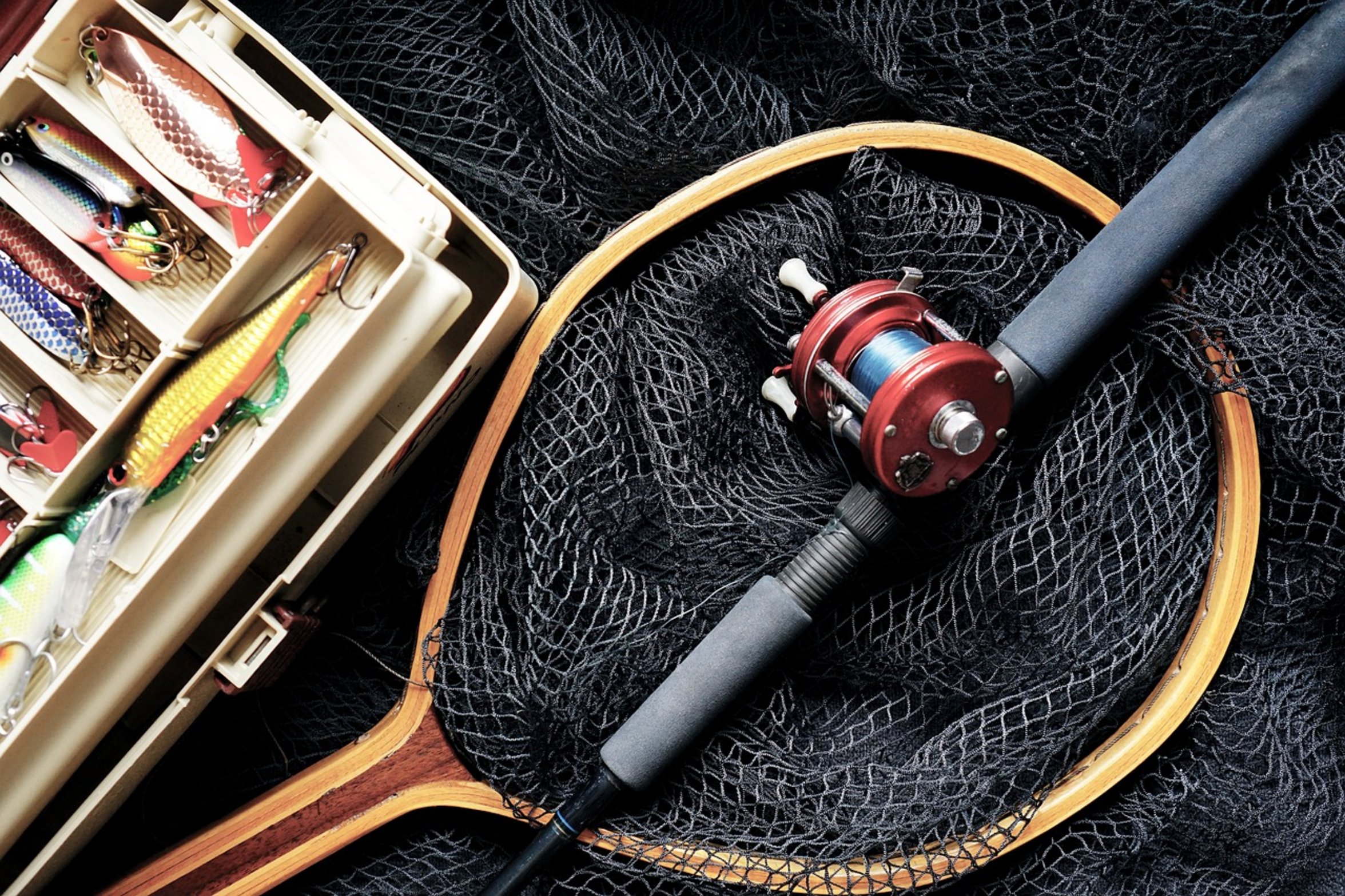
The joints separate. This is perhaps the largest problem area.
Most guys think “if it locks together, I’m good.” What they fail to realize is there’s always some very small amount of play in any lock system; it’s called microscopic play. When you don’t cinch down your sleeves or collar all the way, you have a flex point where one section meets another. This now puts that pressure on the actual blank itself, whether it is graphite or fiberglass.
A big fish might pull really hard on hook, or you might hammer them with a hard hook set. In those cases, the rod will literally break clean off at the joint. Tighten everything up first then make sure all are seated properly.
Over time, driving to the lake and back causes vibrations that loosen joints. Check each one after transporting.
2. Guide Ring Failures
Separation; Another danger when you travel as an angler is having your guides come apart.
Most guides are attached via epoxy which hardens up and gets brittle over time. This brittleness is made worse by temperature changes in car trunks or cargo holds. A single rough handle on the rod tube or a little bump into a suitcase zipper can be enough to cause the epoxy to separate and allow a guide to pop out.
Then you have a sharp edge cutting through your line as you cast. You may not even know about it until you’re halfway through your cast and you hear that unmistakable sound of line being cut by metal. Before you head out, check each guide ring.
If you find hairline cracks in the epoxy base, use some superglue to reinforce it or change entire guide. This way, you don’t risk a catastrophic line failure while on the road.
3. Saltwater Corrosion Damage
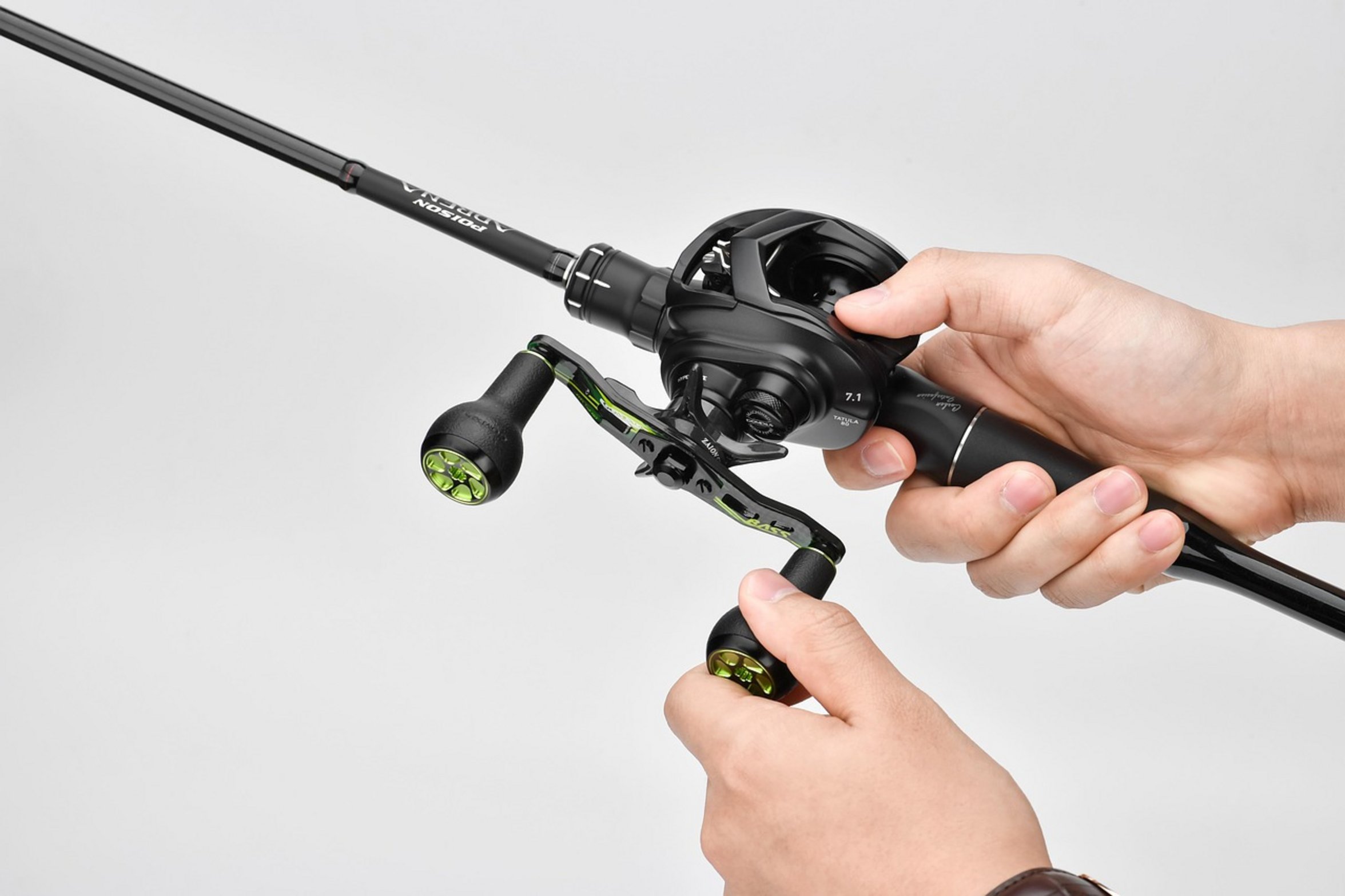
Saltwater environments really test the integrity of reels, guides and hardware on travel rods.
Manufacturers typically try to reduce overall cost and weight, so the guide frames, reel seat, and locking rings aren’t always made from materials that resist corrosion as well as more expensive stationary rods. After a day’s worth of fishing the salt leaves those nasty salt crystals behind that will start to corrode things in just a few hours. Don’t think a rag can clean it off.
When moisture gets into the threads and crevices, it will eat away at metal and cause mechanisms to seize. Always rinse the rod with fresh water after a day of fishing in saltwater. Make sure to dry the rod well, then take it apart and put it away.
Oiling moving parts with a small amount of oil helps prevent parts from sticking during your trip.
4. Tube Structural Integrity
Rod tubes are often damaged without noticing until it’s too late. Yes the tube and the protective case that holds it look like they will hold up to flying in the overhead bin on planes, but they’re not indestructible.
A few bumps from baggage handlers can dent the tube. This will result in a cracked or at least dented rod within the tube. It might appear ok outwardly but internally there could be some type of structural damage.
Delamintation can occur in fiberglass rods that is invisible on the outside but compromise the tensile strength of the rod. Don’t just trust the soft sleeve provided with your rod for travel. Spend the few dollars more upfront and get a hard-sided case.
That second level of protection pays for itself when you don’t have to purchase a new rod because of your first big trip. Think of it as an insurance policy against things you can’t control yourself.
5. Locking Mechanism Wear

Connections are loose.
Excessive tightening causes premature wear and will make a locking mechanism fail quickly. That’s because excess torque (over-tightening) will crush the blank where it connects to the system or strip its threads. In either case, you have a rod whose threading has been compromised and thus doesn’t lock into place as before.
Always use moderate tightening force when cinching joints. If you apply gentle force and the rod remains rigid and doesn’t wiggle, then it’s tight enough. Also, applying too much force will make it hard to separate parts later on.
It is frustrating if you’re hurried at the end of a long day and trying to break things down fast. Treat your equipment with care; mechanical integrity lasts a lot longer this way than by brute force.
6. Mold And Moisture Control
Mold, Moisture gets trapped between the cork handle and the blank when left wet and in a closed tube/bag.
Mold grows on the material and breaks it down, and the smell isn’t pleasant either. The cork handle soaks up moisture like a sponge. It swells and loses its texture for gripping over time.
Always make sure your rod is fully dried before putting it away in the case. If possible let it dry in an open and well-ventilated space. Take a few minutes to make sure things is good and dry.
This keeps long term damage from ruining the feel and usability of your gear before you even get home.
Tackling these things is part of the deal. There’s a maintenance tax to pay for the convenience of traveling rods.
Stationary rods don’t require it. Dry well, rinse out the salt, give it a good look-see at every joint, and ensure all guides are clean. It will greatly lengthen the life of your stuff and make your trip even better by ensuring everything fishes like it should, no surprises.
Take care and pack wisely. Be mindful of what is possible with this type of design. The fish in the water will thank you if you come prepared for the next leg of the trip.