

The water of Cape Cod are cool enough to be chilly but warm enough to lure you in. Its position over a shelf full of life make this area an excellent place for top predators to feed. And yes, you’ve probably noticed the cautionary flags fluttering above beaches from June to October.
Those red pennants aren’t warnings against bad manners or immodesty. It’s a severe alert that big sharks is currently cruising in water just off coast. Knowing what species they are will change how you see the risk.
It will also help you respect natural environment involved. Great whites always come to mind when anyone sees a shark. That’s because most people think all sharks is looking for people to eat.
Not true. There are many different types of shark off our coast; each has its own preference for where it swims and what it eats. Some prefer way out to sea.
Others like to get up close and personal (i.e., inches from your toes). By knowing which one you’re seeing, you can swim confidently (not paranoidly)… And understand them less as a threat and more as part of a healthy ocean environment.
These are the main species of sharks we see around here, ranked by how often they encounter people.
Main Shark Species Found Around Cape Cod
1. Great White Shark
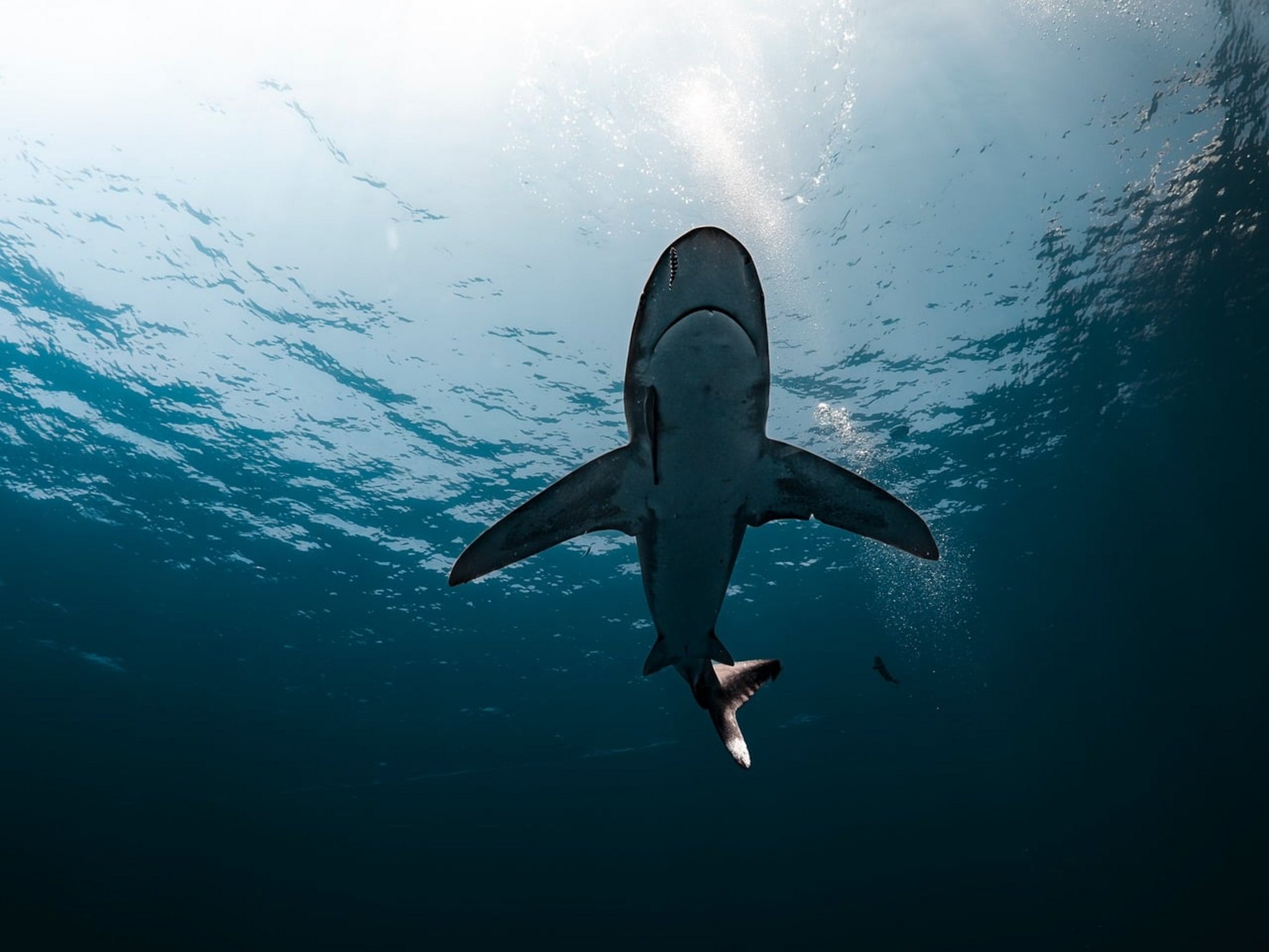
The most famous tourist here is Great White Shark. Following the seals that frequent the coast in particular around seal island (Seal Island) and Muskeget, they has been known to reach more than 20 feet in length.
Their bite force are incredible. Most sightings occur when swimmers accidental get into the sharks’ hunting zone near areas where there’s a group of seals. What people often don’t realize is the shark is not curious about us, but if lighting is different or visibility isn’t good enough, it could easily think we’re a silhouette and try to attack.
From shore it’s thrilling to see them out there; just stay back!
2. Blue Shark
The Blue Shark is also found near coast, but it is mainly an open ocean traveler. It is a highly migratory species that visits our area in the Gulf of Maine during summer months.
A slim fish with blue tinted skin, these sharks is known to travel great distances. They are active hunters that relies on speed rather than ambush tactics. They will breach, meaning they jump entirely out of water, which is typically associated with either social activity or hunting.
Breaching is usually related to hunting or social interaction. They generally do not bother swimmers or large objects such as boats except under circumstances of confusion due to a school of baitfish.
3. Thresher Shark
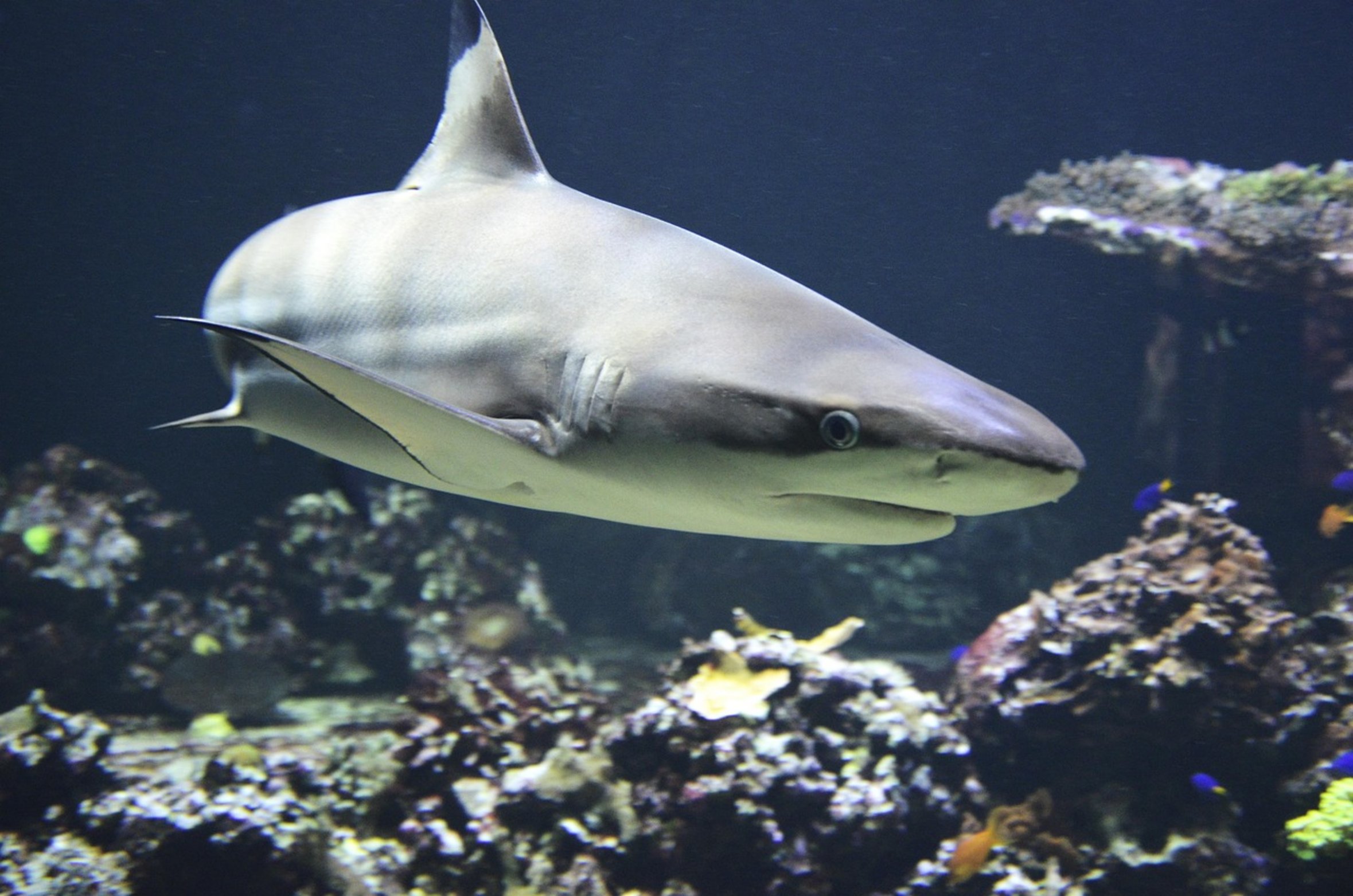
With a tail that’s half its own length, the Thresher Shark (so-named for this unusually long tail) use it like a whip to stun prey before consuming.
While they typically inhabit deep ocean, in warmer months they sometimes swim closer to shore based off Cape Cod. They are not as common as whites or blues, but seeing one is still important for keeping offshore ecosystem healthy. You can be near thresher sharks safely because they is heavily focused on schools of fish beneath the water.
The unusual shape offers a rare window into specialized predator behavior.
4. Smoothhound Shark
The Smoothhound Shark is typically less than six feet in length and likes sandier bottom area closer to beach. Mostly feeding on small fish and crabs that bury themselves in the sand, these smaller sharks tends to hang out around estuaries or marinas as opposed to channel-like parts of ocean.
Because of their coloring they camouflage very well into the bottom and are difficult to see unless they’re moving. However, Smoothies aren’t known to bite much; in fact, bites do happen, but only when someone accidental steps on one in shallow water. Basically, they are more like a gentle giant of the coastal predator family and therefore, largely leave humans alone altogether.
5. Spinner Shark
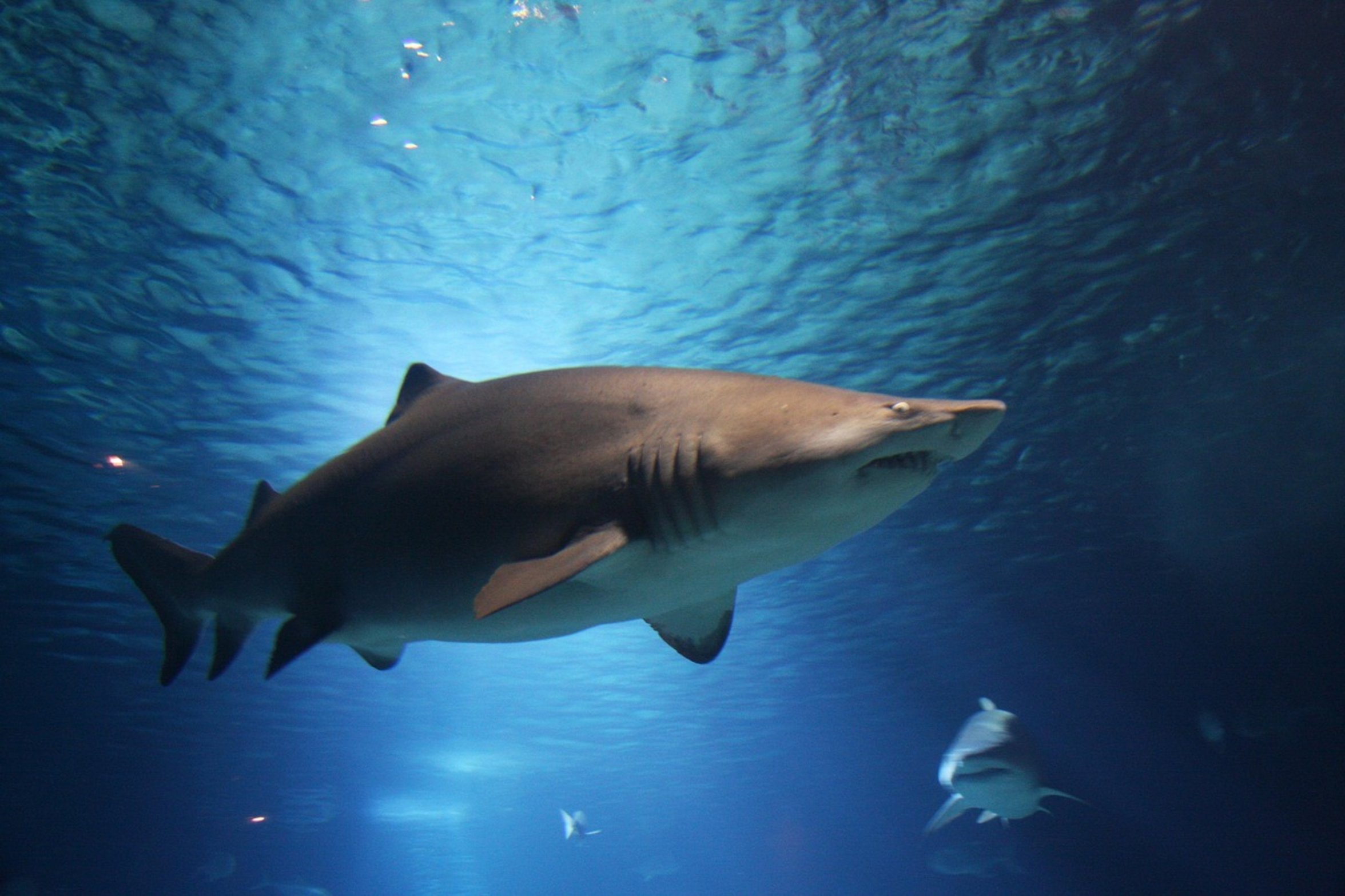
Another acrobatic shark that follows tuna and mackerel school, bringing them within sight of swimmers and boaters, is the spinner shark. It can jumps clear out of the water, spin several times in mid-air, and land back in sea. Its behavior probably signals other members of its species or simply confuses prey.
Spinner sharks follow schools of tuna and mackerel closely. These predators is swift-moving creatures but typically avoid people. If you see one, it’s most likely to be watching it do its aerial tricks from a safe vantage point.
Sightings mean there are plenty of fish in the area.
6. Tiger Shark
When young, it has dark vertical stripes on its body, which is why it is nicknamed the “Tiger” Shark; these stripes fade as it ages until it becomes mostly grey. A tiger shark is an opportunist feeder/scavenger that will eat just about anything it can swallow.
It also roams wider areas, such as harbors and bays different than other sharks may visit. While larger tiger sharks poses a higher risk potential, actual attacks remain exceedingly rare. Because of what they eat, they’re valuable in cleaning the marine world.
Knowing the different species helps turn fear into fascination. No matter how much you know about the ocean, it’s still wild. But knowing who you share the water with only adds richness to each splash in the surf.
Give them their space, and they’ll give you yours.