
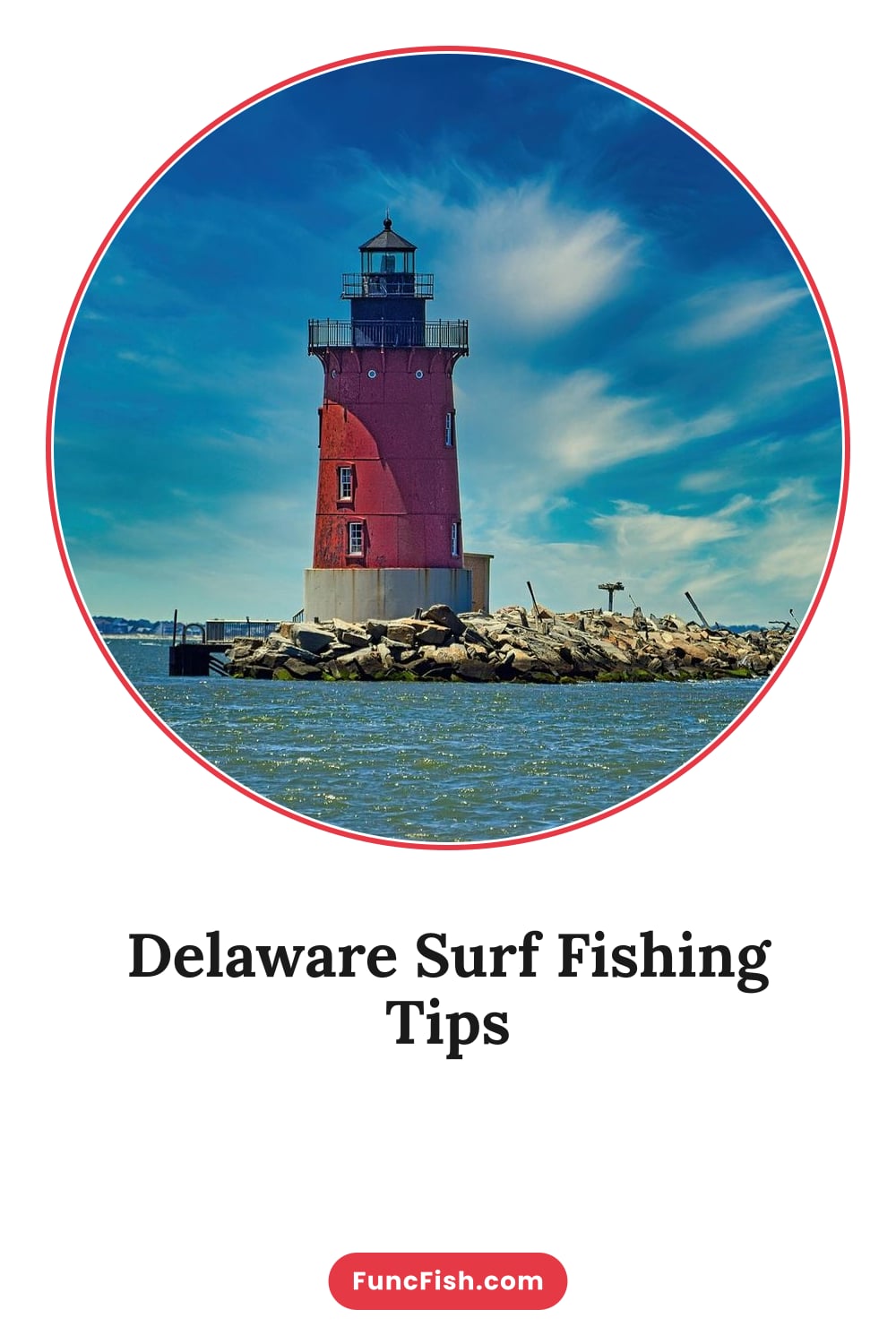
Anglers that fish the bay as if it were just another beach is disappointed to find most come back empty handed. To fish the Delaware Bay properly, you have to know what the water is doing before you can use it. It is not enough to be prepared and show respect to the Delaware Bay.
You must respect and prepare for its currents, wind patterns, and shifting sandbars. Here is what separates successful anglers from those who return home with empty trucks: seven tactics that use the conditions. None of them are secrets; they are just the right things done on purpose.
Essential Delaware Surf Fishing Strategies For Success
1. Master Tidal Patterns

To be succesful, you must know how to read the signs others miss. You also need to fish at the right time of the tide and use the right bait for holding power in a stiff current. Tide: The water moves fish around and tells them when to eat and where to relate to structure and it’s much more significant then reading the weather report.
On a rising or falling tide with current, the fish position to intercept drifting baits. At slack current, they tuck in tight to structure and often suspend high off the bottom awaiting something to swim by to attack. Fishing can be dead a couple hours before the low tide.
2. Prepare Cut Bait Properly
Come back at the start of the rising tide and the action will turn on like a switch. When using cut bait, you must pay close attention to details. Pieces of fresh bluefish or mackerel will produce great scent trails which attract predators from a distance.
However, the trick with cut bait is getting that hook buried deep in the middle of the meat. If your hook set are not quite deep enough, you’ll be losing fish to those little baits stealers such as scup and sea robin. For this reason, you want to make sure your hook shank is fully burried and just the tip of the point shows.
3. Select the Right Rod Length
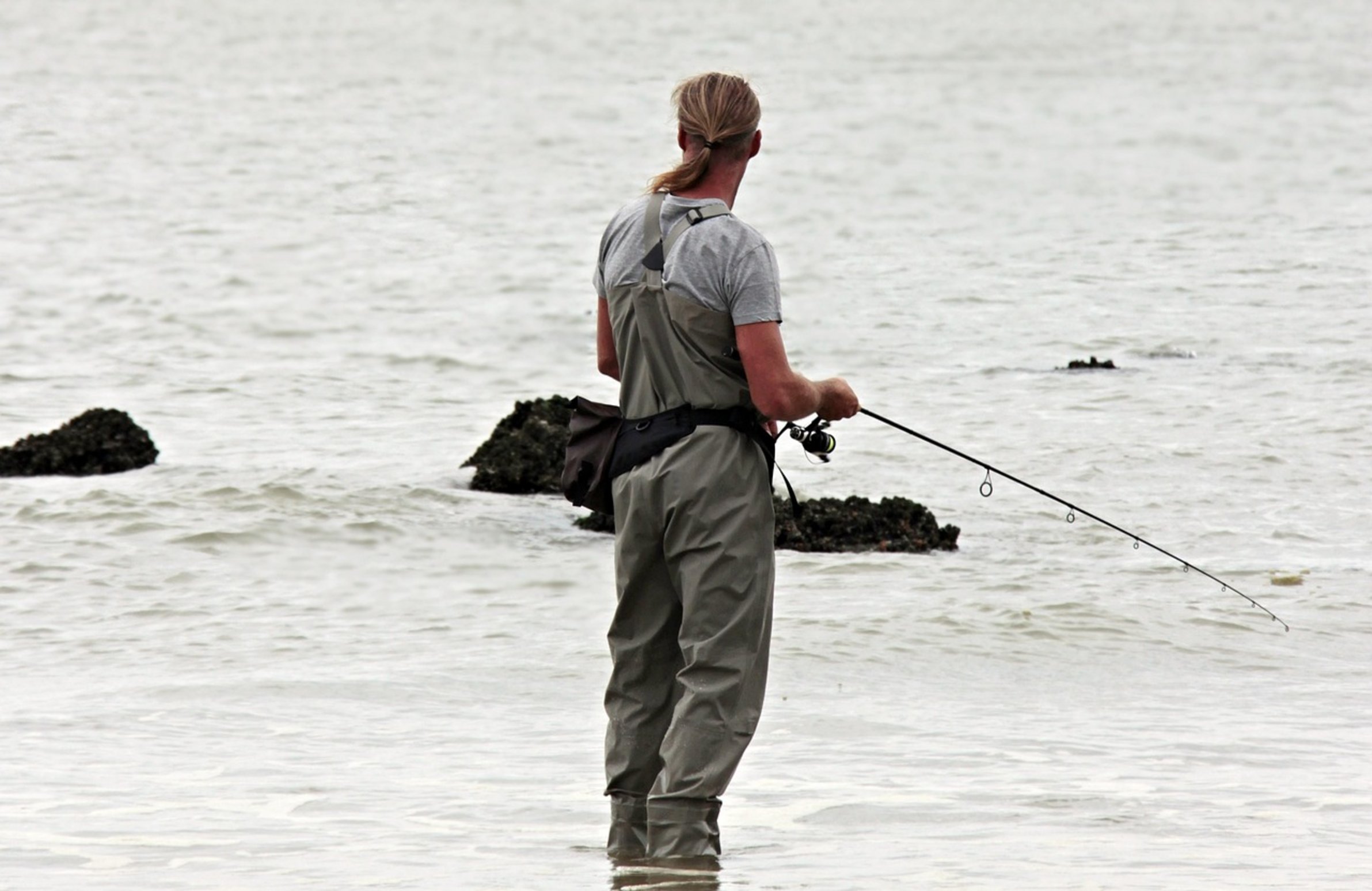
That way, when the striped bass bites, he won’t have any time to second guess his decision. Brand loyalty aside, the proper rod length is key; longer rods let you cast further and deeper, where bigger fish tend to stay. The popular 12 foot surf rods are no-brainers as they easily casts heavy rigs and also offer power when fighting them out.
However, short ones are dainty but can’t make it to the best feeding channels. Ideally, you need some distance combined with not having to lose too much control. That’s why a soft tip absorbs wild runs without breaking your line.
4. Use a Fish Finder Rig
With rigging mobility, you’re ahead of the game compared to static rigs. The fish finder rig lets the bait swim naturally with current instead of sitting still on the sand. That action triggers instinctive reactions that lead to more strikes by cautious fish that won’t hit dead baits.” Attach a sliding sinker above a swivel and let the leader run freely through the eyelet.
The weight stays stationary while the bait dances in the flow, which mimics live bait very well. Because current slows at slack water, fish will move toward the deeper holes. As it slows the fish start to congregate, which makes them easier targets for you.
5. Arrive Before the Low Tide
And coming early allows you to get there before the crowd. Coming an hour or two earlier than the low point gives you time to set up before they all show up. That means while everyone else is driving out, you have time to check out areas, rig tackle, and prep everything you need.
Then, you can pick them off as the tide starts to flood over the holes where you think they are most likely to be.
6. Maintain Steady Line Tension
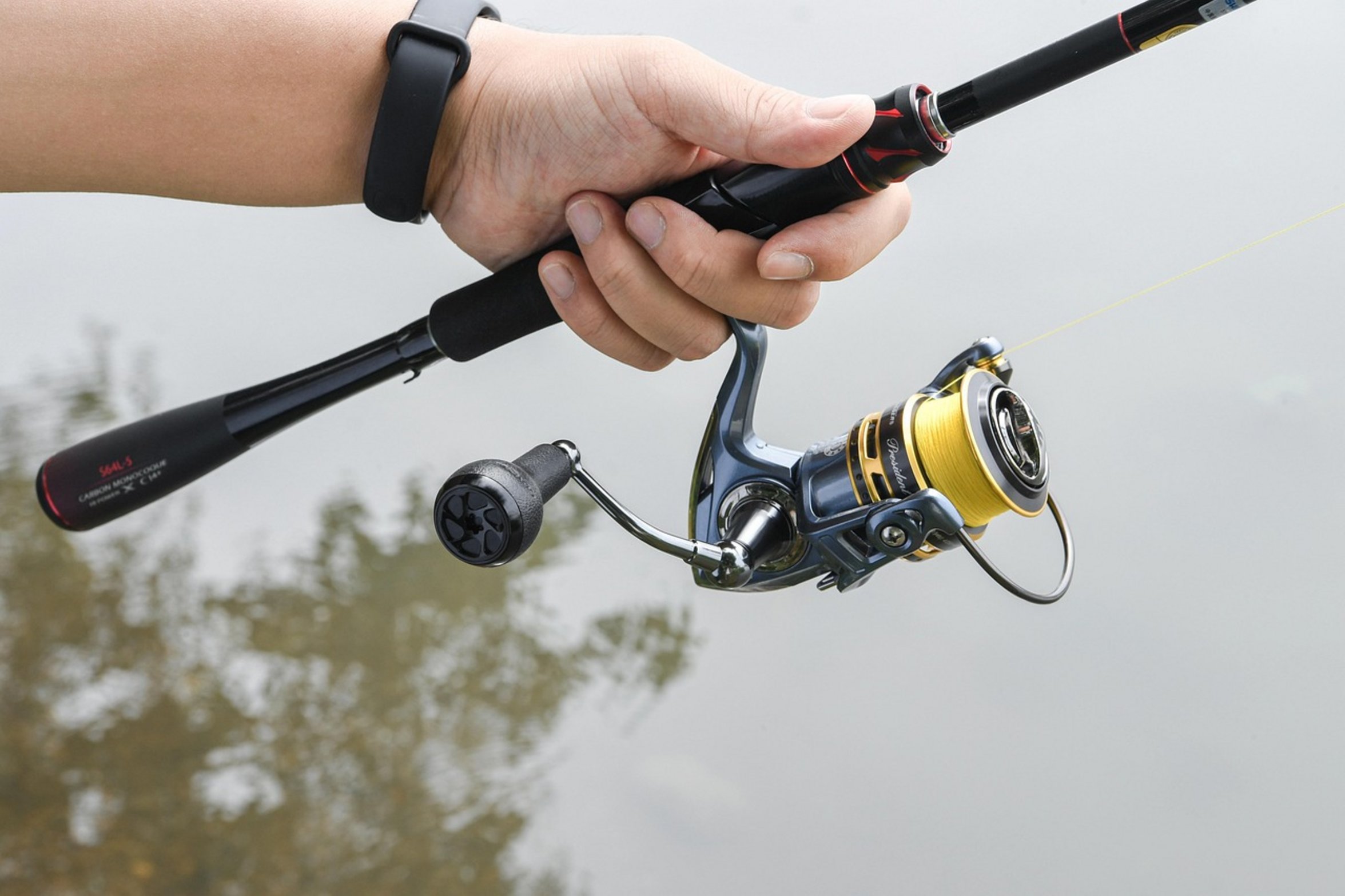
This prevents costly line break-offs and keeps your line tight. Striped bass has razor-sharp gill plates that will cut right through monofilament if given any slack.
Throughout the fight, keep a steady line tension, not too tight, not too loose. That means don’t slam on the reel handle and you should of release all drag either. Many anglers does this, and that is how they lose big fish.
Keep a light, yet solid pressure on the bass at all times and when it wants to burn, let it, just never allow your line to be totally limp. A tight line leads the fish to exhaustion much quicker then a loose line.
7. Fish Before Storm Fronts

Before weather fronts arrive, falling barometric pressure indicates an upcoming change to both prey and predator species, resulting in frequent feeding frenzies just before they arrive.
Aggressive fish knows a storm is coming, and when you notice dark clouds rolling in from the distance, jump into the water quickly. This can be the best time to bite, until the visibility becomes too poor, so pay close attention to the sky and enjoy your well-earned reward for being prepared.
8. Find Quiet Fishing Spots
Popular beaches will be jammed up with people creating noise pollution in the sand, crowding them out and spooking nearby fish.
Look for quieter areas that let you observe what’s going on in the water clearly and cast without disturbing the fish. And seek out some of those more remote shorelines or secondary spots a few miles down the road. The fish aren’t involved in any popularity contest; they’ll eat when conditions are right and the competition is low.
9. Use a Landing Net
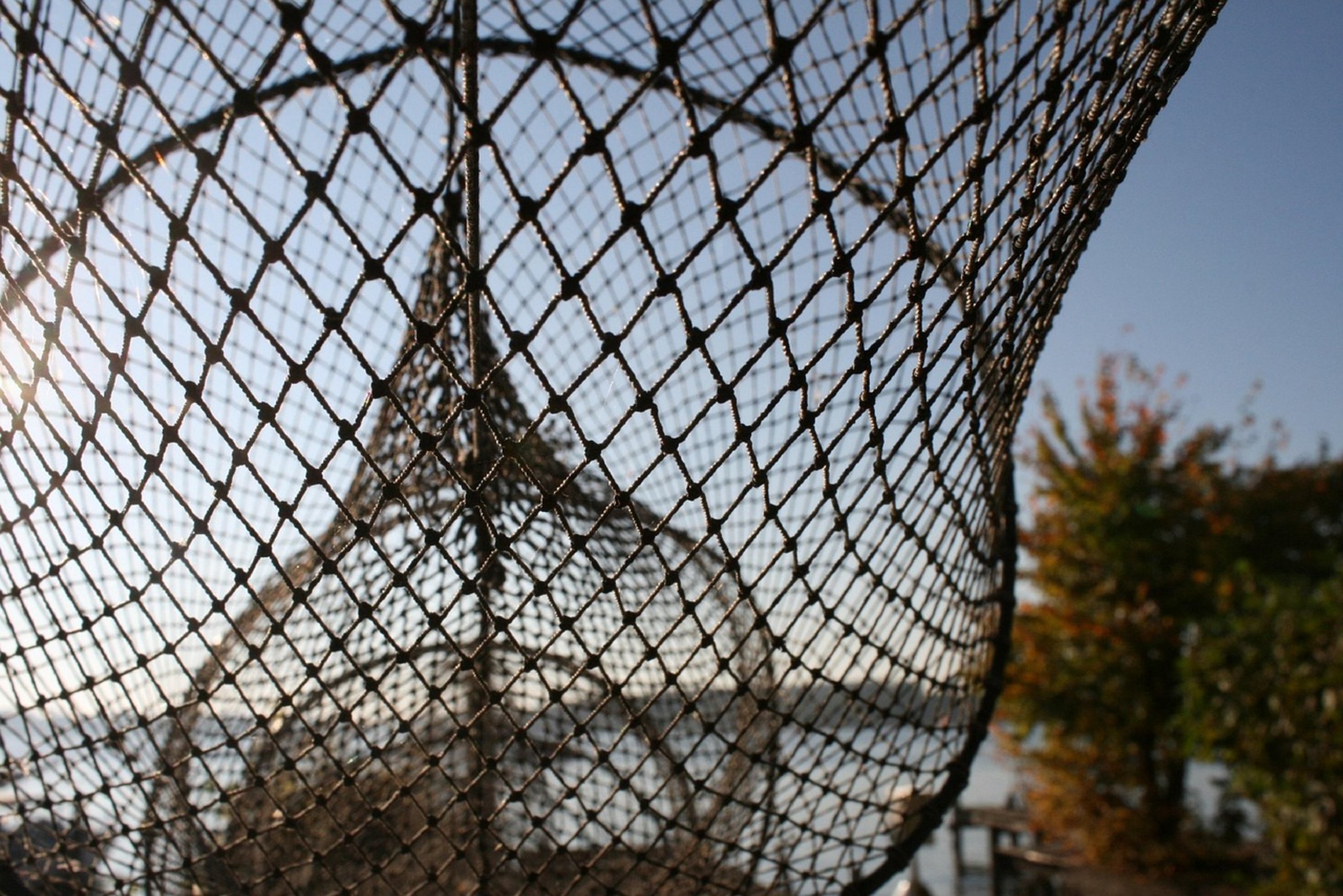
Even the most seasoned angler loses big ones when they attempt to lift them over their heads instead of using a net. A strong hoop net can easily hold the fish up while you’re standing in shallow water. This means if you decide to let the fish go, there’s less stress on it and you won’t break your line from lifting heavy weights.
It’s always good to have one available for quick use just in case a big bass decides to make an unexpected run towards the bank. Surf fishing isn’t for everyone, but when it’s on it can be a thing of beauty. And that’s where patience makes the difference between good and great.
The bay doesn’t hand out its goods freely; you have to wait until it tells you, then sit some more during the lulls before taking advantage when the time arrives. Trust in what you’ve done, show the water the proper respect and come back again and again because it will pay off each and every time.