

Surf Fishing Is Different Unlike freshwater fishing inland, you’re at the mercy off the sea with surf fishing. You’re out on the beach, standing atop a thin piece of land between the shore and the vastness of the ocean. What lie between these two areas is a place filled with power but also potential for those who understand how to fish it.
The world is always changing. It is big enough to lose tackle and tangle line in offshore kelp beds if you’re not careful with your cast. But it also rewards anglers with species such as striped bass, halibut and even king mackerel that is absent from rivers and lakes.
So it’s less about casting distance and more about strategies involving safety, timing and bait choices. The key to consistent success is reading the water. Before uncapping your reel, determine where the fish are holding.
Essential Southern California Surf Fishing Strategies
1. Read the Water and Locate Fish Holding Areas

Pay close attention to any unique shelf areas like sandbars, rock piles, or even jetties. These features creates clear changes in depth along the shoreline. These are prime places for fish to feed off current and have some cover.
Try to cast past the breakers if possible but don’t be afraid to make casts closer to the base of a pier when baitfish gather during low-light hours.
2. Use Tides to Your Advantage for Better Bites
Tides change everything. It affect how much of an area is available as well as where it will concentrate food.
As the water rise during high tide, bait gets pulled nearer to shore and predators can swim farther back in the channels after it. When the water fall during low tide, it leaves the sandbars and rocks bare that once shielded fish from view. Before you launch, get a copy of local tidal chart and target the hour or two just before high tide when the water flow is at its slowest and fish can feed comfortabley without battling current.
3. Prioritize Safety on the Beach and Ocean Edge

Always put your safety before the desire to catch a large fish. Remember, the ocean doesn’t care if you want to land that trophy fish; it won’t let up just for you. Always have a good hold on your rod while fishing, wear slip-proof shoes, and don’t ever turn your back on the water.
That rogue wave comes out of nowhere and can knock even the most seasoned angler off their feet in an instant. When the weather isn’t favorable (foggy, rainy days where you’re not seeing much) or things seem rough, think about staying home as there’s always tomorrow to fish along this coast.
4. Match Bait to Target Species Behavior
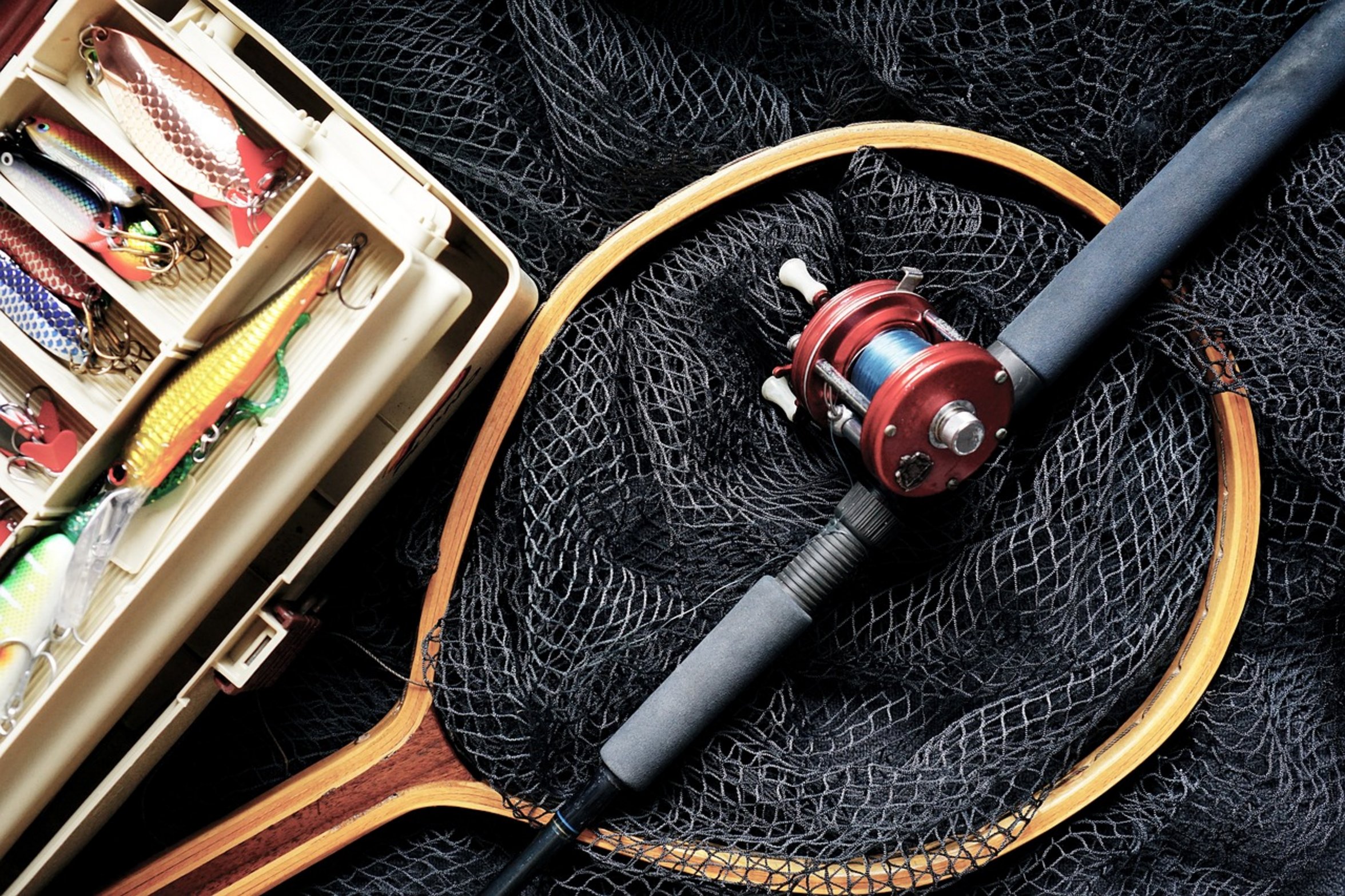
The type of bait should depend a lot on target fish.
For example, king mackerel love active swimming live baits in the water column (anchovies, sardines). Halibut lay flat on the sand bottom. They needs dead bait, such as squid strips or herring chunks.
They will move along the bottom slowly with their draggers. Striped bass bite topwater plugs first thing in the morning and then get sluggish, taking to deeper offerings throughout the day. Instead of hoping one bait will work for all, match the behavior of the species you seek to mimic with your offering.
5. Rigging Techniques to Prevent Snags and Improve Bites
To prevent snagging fish, you’ll need to pay close attention to how you rig your line. Keeping weight away from the hook and letting the bait hang a few inches below surface is as easy with a basic Carolina rig. The fish bite naturaly.
You won’t have to worry about snagging rocks or other objects that will cost you tackle. Depending on what depth you’re fishing, vary the length of the leader between the swivel and the weight. If there’s too much space between them, you’ll miss strikes.
But if it’s too short, the bait won’t have the freedom to move naturaly, which can spook shy fish.
6. Understand How Weather Conditions Impact Fishing
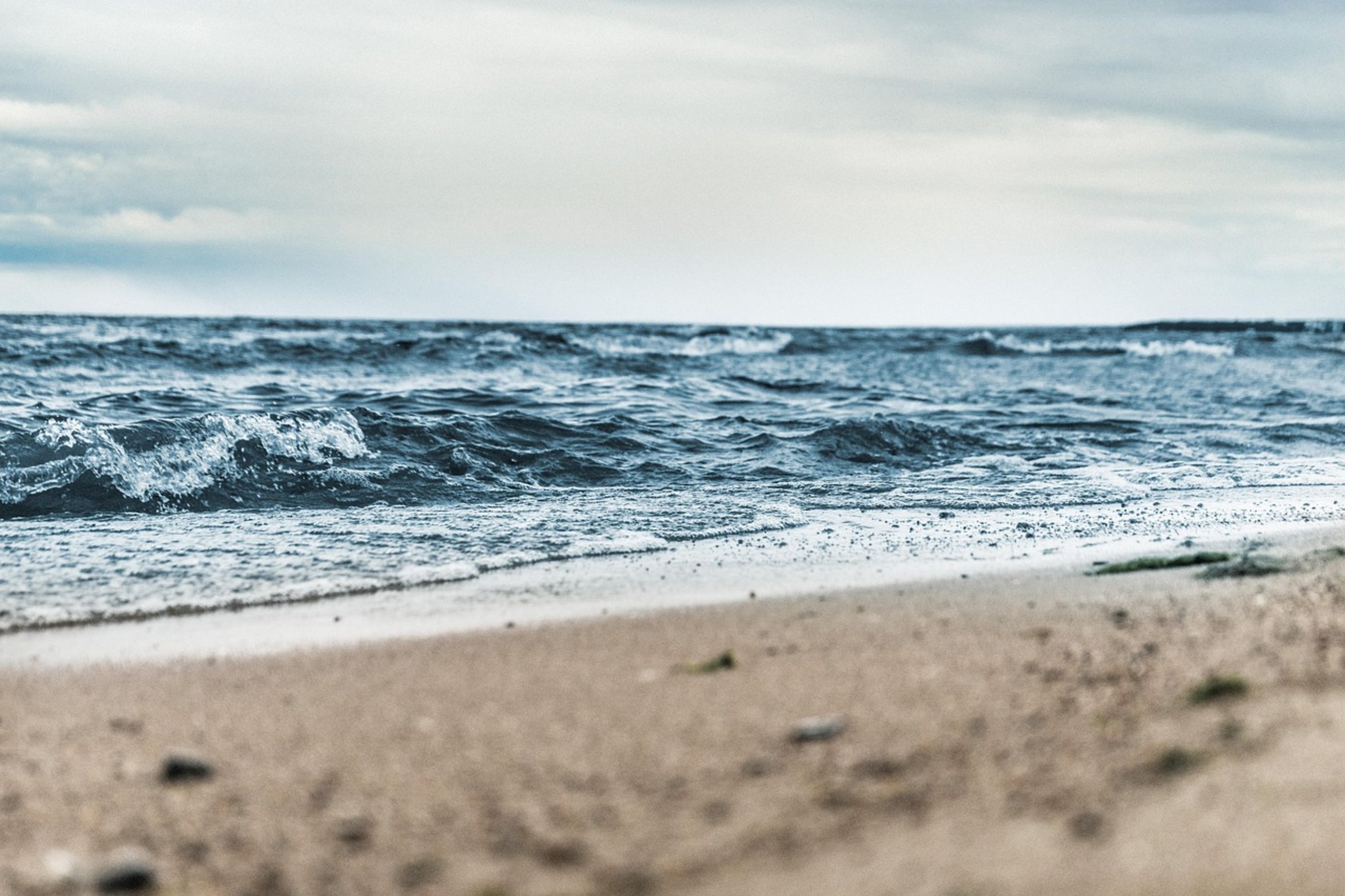
The weather has an important impact on fish and safety alike. Choppiness caused by high winds makes for tough casting while also limiting your ability to see under surface.
A little breeze can really mix things up as well, bringing more bait to the top of water where big fish feed. Cloudy skies tend to mean longer feeding periods different than brighter sunlit conditions (shadows cause bass to spook bait out of open water). Layer up as temperatures changes around the water.
Prolonged exposure to wet conditions can lead to hypothermia, even in warmer environments.
7. Exercise Patience and Observe Subtle Signs of Activity
The difference between an angler who catches fish and one that gets frustrated becomes clear when patience takes center stage. It’s possible you may only have hours with no bites, yet it is expected.
Don’t think of fish like humans, which rely on our daily time constraints. They follows their own internal rhythm based off temperature, light conditions and available food. Be mindful and keep a keen eye out for any sign of activity.
Sometimes a small movement or even a break in the action will be the telltale sign of a bite, just as much than a hard pull.
8. Follow Local Regulations and Handle Catch with Care
Follow local laws; this is how we can all help ensure that our children get to enjoy healthy fisheries. The daily bag and size limits are pretty strict in Southern California.
Not following them can lead to hefty fines from wildlife officers who frequently patrol the popular beaches. It will also do harm to the ecosystem. Before you let your catch go, measure it.
Remember to handle the fish gently. Use wet hands so you don’t damage its slime coat, which is an important defense mechanism against parasites and disease in the natural environment.
There’s nothing like fishing in sync with nature.
Whether you are beating the sun out of bed for a big halibut or fighting an entwined mess on a hot summer day, those are the days that make you a better angler. Every trip teaches you something new about tackle, current, tide, biology…all learned first hand. You get out what you put into it.
Respecting nature is rewarded by nature. So, go home with all your memories and maybe even a cooler full of fresh fish if luck is in your favor. But there’s always another wave crashing onto the shore.
And beyond it lies the horizon. Every time out, learn something new, because the water never comes up the same way twice. Something has changed in the meantime as you were sleeping.
You’ll have to make some different adjustments the next time. That uncertainty is what makes the sport so exciting and ever-changing for those willing to step up to the edge of the world.