
The Whiting bite has a special quality. The ocean churns up around you and surf laps at your legs. You cast into white water and feel that first tap on your line, then connect with a determined fighter, even if they are little fish!
They can be plentiful along our shorelines, frequently inhabiting shallow, sandy bars. This makes them a safe bet for beginner, while the savvy veteran know some of more subtle secrets of such places. And it doesn’t take fancy boats or heavy offshore equipment to catch them…
It just rewards the angler. While whiting are plentiful, finding them can be difficult. They can go crazy 20-feet away one minute and then dissapears in another area.
It’s all about being able to read your surroundings exactly and it has little to do with brute force. It’s a numbers game. You will either fill a bucket or come home with nothing, depending mostly on presentation, timing, and knowing when to fish certain areas in the ocean.
Essential Tips for Successful Whiting Surf Fishing
1. Reading the Water and Finding Structure

When you get it correct, what would of been an unproductive day transforms into a great trip. The key takeaway, learn to read the water before taking off your reel. Fish connects to the bottom.
The bottom provides food, which connects back to the fish. Look for deepening water near the shore. Look for depressions in the bottom or cuts in sand bars.
These are basically places where the bottom structure pulls deeper water closer to shore. They are like baitfish highways and the whiting will find them. Take it from me if you’re fishing on a featureless flat beach where you can’t see anything there ain’t no party going on.
Watch the shore line for changes in how waves break or even color differences in the water itself. You need to locate where current has slowed enough to hold bait so it’s not getting carried out too quick while the fish get their fill.
2. Timing Your Trip with the Tides
A big key to getting more whiting in the boat revolves around timing your trip around the tides.
Because they’re ambush predators, whiting wants moving water to bring meals right into their mouths. Typically first hour or two of outgoing tide following high will produce most consistent action and the hour leading up to high tide will provide some great action as well. You’ll find that on slack water, the lack of moving current doesn’t push any bait towards them, so they tend to hang out until the current pick back up again.
If you have access to local tide charts prior to your fishing day, you can make sure you’re positioned properly when the bite starts to get good. Otherwise, the tide could be working against you and you’ll spend precious time just waiting for nothing.
3. Masking Human Scent from Wary Fish
In clear water, limit your smell and avoid spooking the wary fish.
A whiting’s nose is sensitive and strong smells such as lotion or sunscreen will carry well down the beach. If at all possible wash your hands with soap before handling bait. Otherwise, splash some saltwater over the oils.
Special scent masks are available from some anglers but just don’t go crazy with chemical based sunblock or perfumed lotions. That little step makes a big difference when those fish can both see and smell you coming towards their feed zone.
4. Choosing Natural Bait and Rigging Depth
For novice angler, natural baits offered in a natural way on the hook trigger more bites than man-made lures.
Trusty standards such as pilchard fillets, squid strips and prawns is all well known to whiting. Instead of offering whole bait, cut it down so it breaks apart easy and scents the water. Make sure you offer it in a size that is easy for the fish to grab.
Keep the hook buried deep enough to stay secure, but do not hide it completely or it won’t look natural. Deception is key. Make the bait move unnaturally or too perfect and the fish won’t take it.
To avoid missing connections, match your rig depth to where the fish are holding. In the deep channels, Whiting won’t be hugging bottom and in the open swells they’re not up on top either. More likely they will suspend out in mid-water and particularly around sand banks when chasing baitfish.
The sliding sinker rig lets you fine tune the lead weight so that your bait floats free and natural but isn’t being dragged across sandy bottom. When you bring your hook up with the sand stuck on it, then your presentation is too deep. Just raise the buoyancy enough so the bait floats freely with current toward the fish.
5. Using Light Tackle for Better Sensitivity
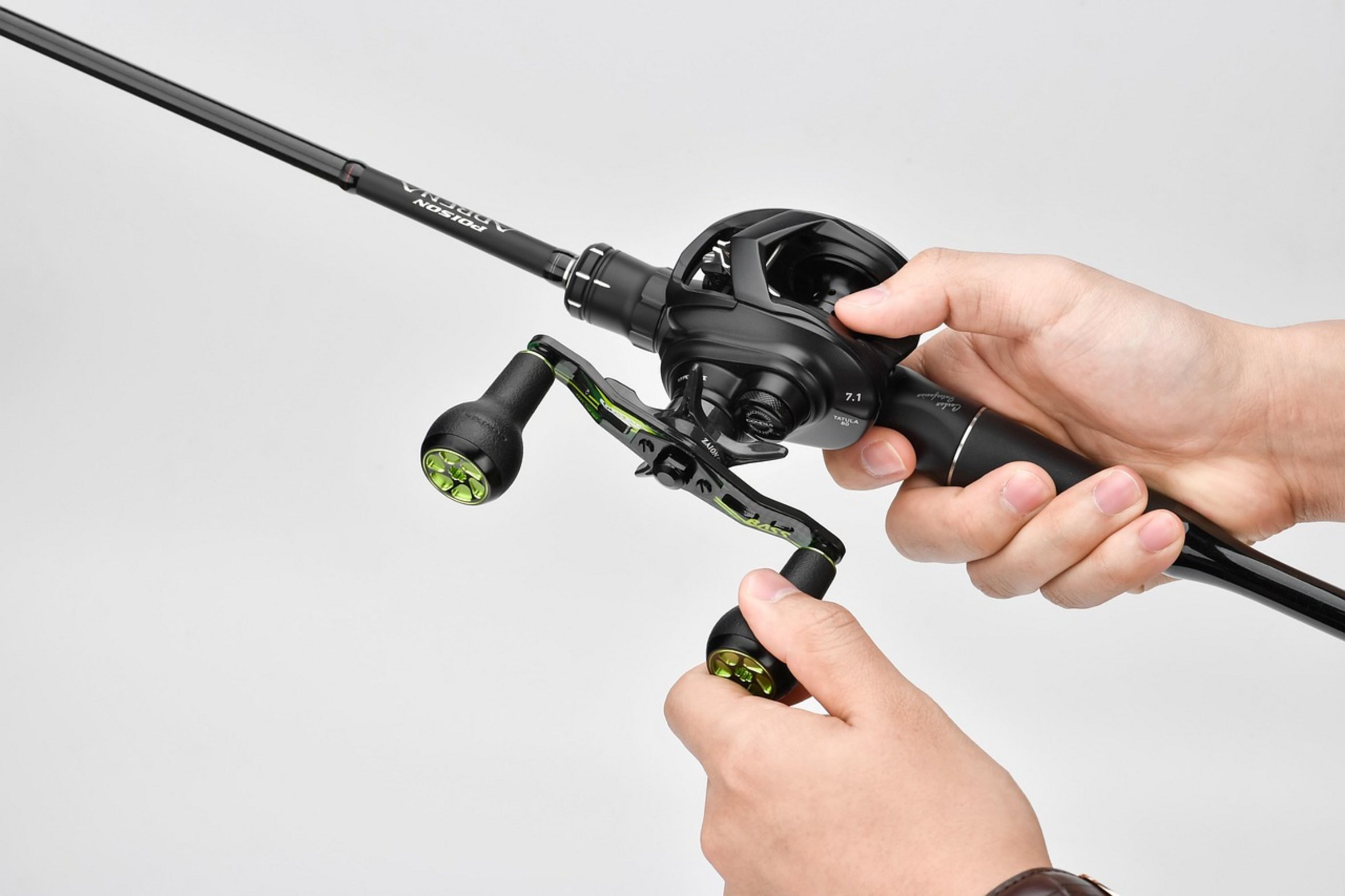
Lighter tackle is more sensitive to very light bites and hides line from view. Overwhelmingly large rods and heavy braid can be intimidating to wary whiting, especially in clear water or on calm days. Using a light spinning outfit with a four to eight pound mono or fluorocarbon leader will feel more natural in your hands.
It also sends even the lightest nibble down the tip of the rod, allowing you to set the hook just as they spit the bait. The fight becomes more fun too as these fish provides a spirited display when fought on light gear, which makes each one feel like a big fish even if it’s not a huge fish.
6. Adjusting to Weather and Barometric Pressure
Weather fronts can tell you whether the fish will be slow or aggressive by letting you know if a front is approaching.
Barometric pressure typically rises with better conditions and fish feeds more actively. As it drops before storms, fish tend to get slow and pull back into the depths or at least to areas of cover. If there’s cloud cover, less light enters water and whiting tend to feel safer in shallow water (where the bait is abundant).
So it’s not just about avoiding getting wet. Knowing what’s going on with atmosphere tells you what they are doing and how it impacts them so you can position yourself to get most out of your effort.
7. Practicing Patience in Surf Fishing
Wait it out.
Wait out the conditions and the bite will return. There is no such thing as instant gratification in surf fishing. This is especially true with whiting, which depend a lot on cues from their environment.
Don’t give up if an hour passes without a bite. Unless you have good reason to believe there’s no structure where you are positioned, just sit still. Maybe they just need time to adjust to changing tides?
Or maybe they just haven’t found your bait yet. Just be patient. Watch those ripples under your float.
When that slight tug turns into a solid pull, know that it was all worthwhile and the wait was worth it.