
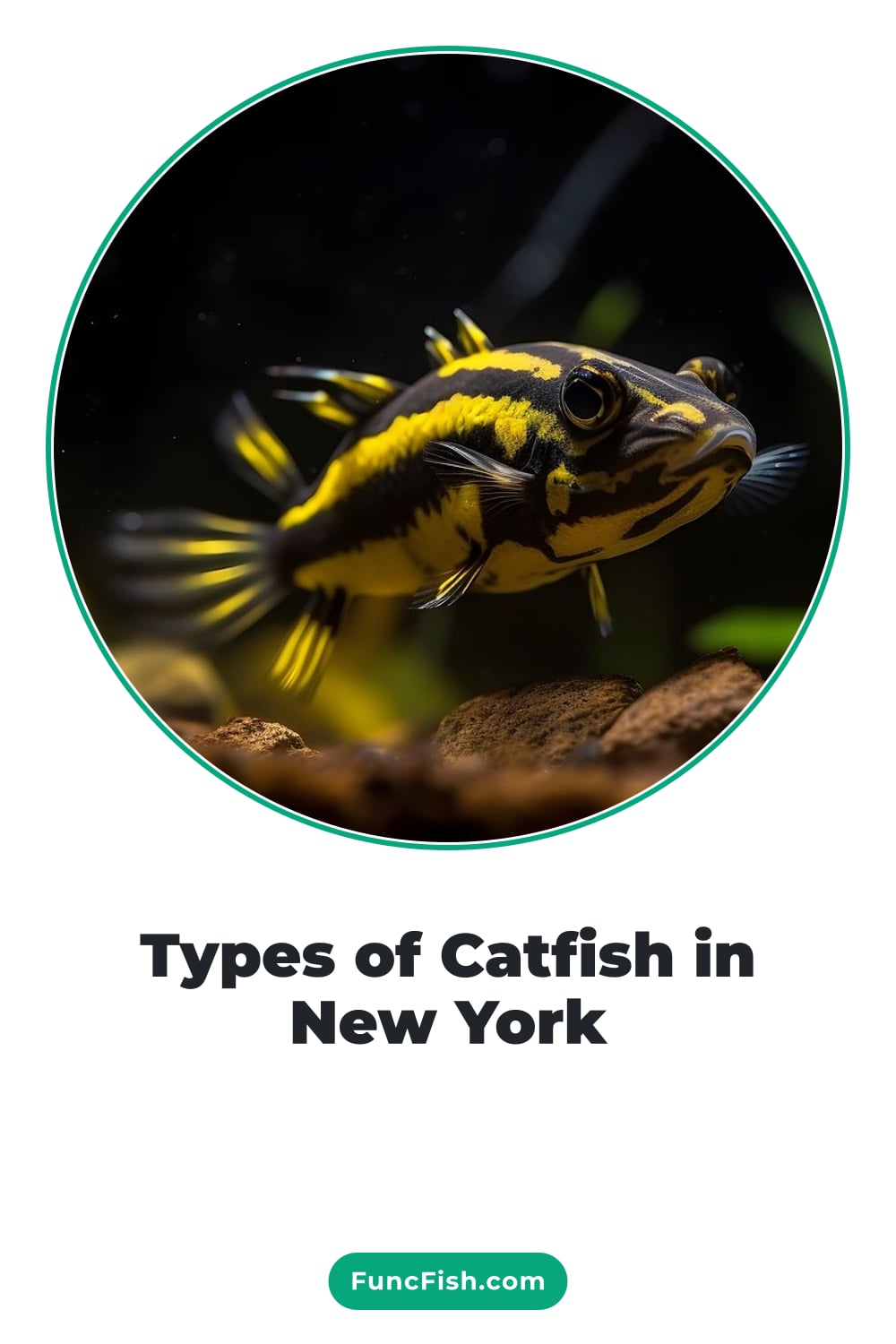
There’s more in New York waters than just striped bass and Atlantic salmon. What lie beneath the surface is a complex network of catfish species that many anglers mistake and ignore. These fish include those that are invasive, threatening to our ecosystem and need to be removed now, and those valued as fighting fish.
Knowing what fish you’re hooking into makes all the difference as too where you will release it, if at all, or how you’ll handle it. Various types of catfish inhabits our state’s freshwaters. From habitat preference to their diets and even size, each species are different.
Understanding which fish it is will not only improve your fishing experience but also help in protecting natural habitats. I know we often lump them together as bottom feeders, but that’s where the similarity ends. Having an idea of what to look for makes a random cast become a focused effort.
The Different Types of Catfish Found in New York Waters
1. Channel Catfish
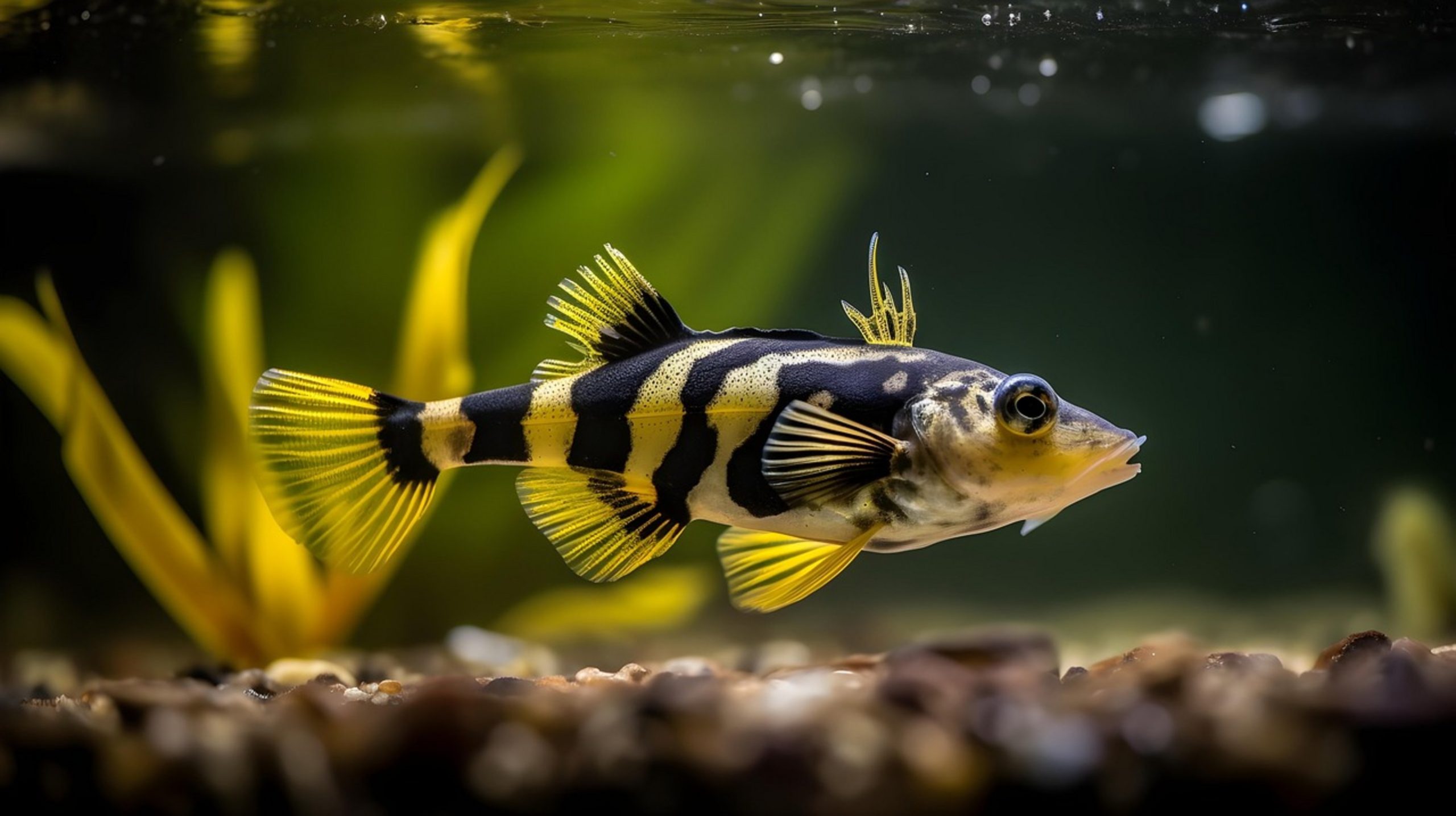
While there are several types of catfish, the Channel Catfish often dominates the conversation. For one thing, it is found in nearly any major reservoir or river in the state. It is aggressive, tough, and grows quite large (some reaching more than 30 pounds).
They have those whisker-like barbs called barbels which allow them to find prey in darkened waters. They’ll take almost anything ranging from cut bait to nightcrawlers. Anglers can’t gets enough of them.
Due to their persistence, they’re a solid choice during periods when other game fish aren’t cooperating. They do best in slowly moving, warm water with plenty of debris to hide in. And as the environment puts pressure on their numbers, they remain stable due to their ability to change.
2. Blue Catfish
If you’re new to fishing for catfish in New York, you’ll probably meet this species first. The heavyweight class is blue catfish. Blue Catfish are heavyweights of the catfish family and live in larger rivers such as the Delaware and Hudson.
Unlike channel cats, they have more of an overall broad head shape and distinct blue gray coloration on their back. They love open water and deep channels different than shallow creek beds. Not only are blues big fish but strong fighters and will tow your boat off shore if you don’t respect them.
Because they’re so big, you need beefy line and tackle to target them. In optimum habitat areas it’s not unusual to find a 50-pound blue. For most veteran anglers landing one is a trophy catch worth all the work.
3. Brown Bullhead
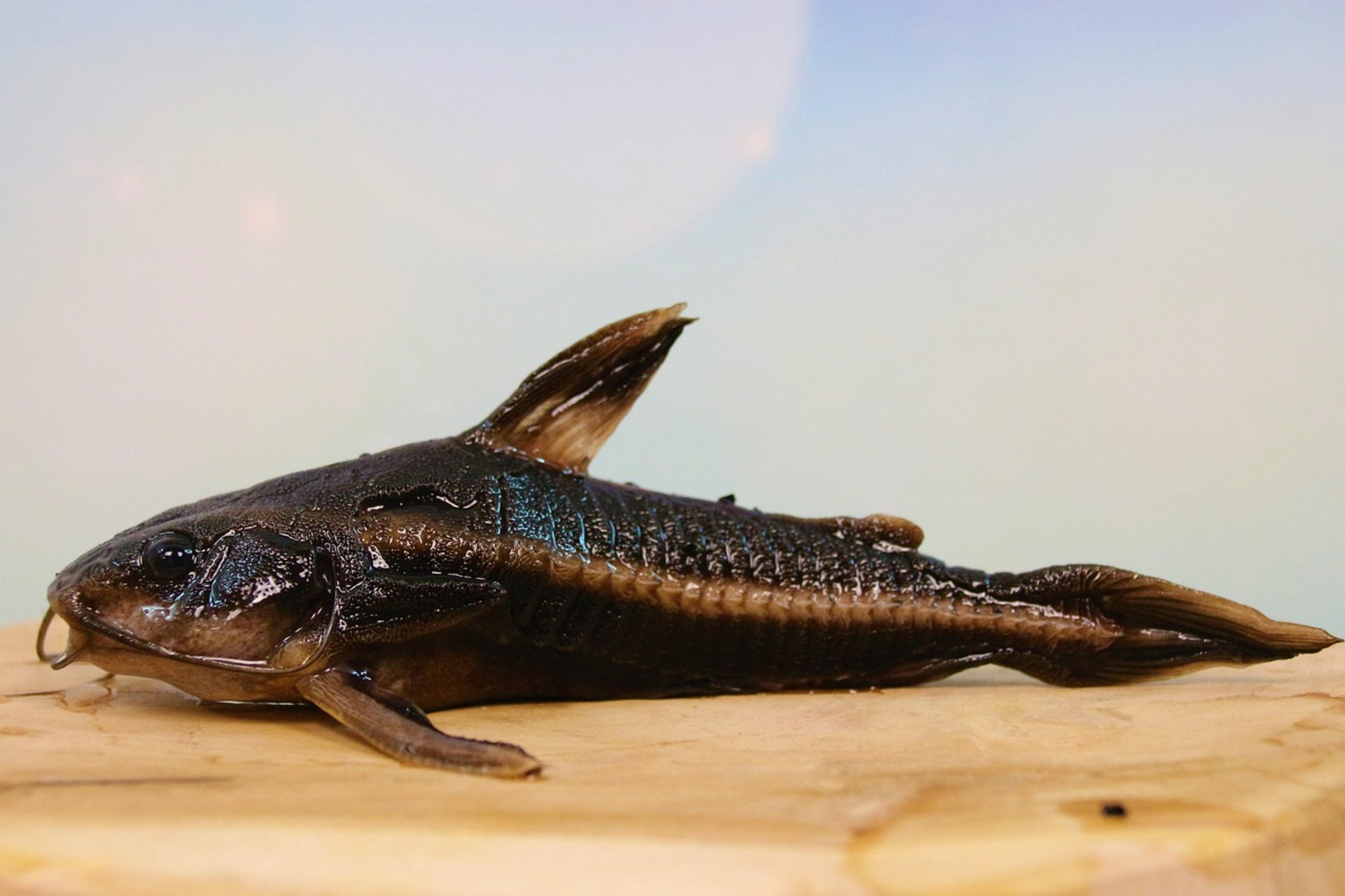
Having these guy around shows there’s a healthy, large aquatic ecosystem. It has enough support to maintain top predator level fish. You will be surprised how often you see the Brown Bullhead in your local stream or pond.
They don’t get larger than four pounds and they’re significantly smaller then their cousins. The lack of spine on the round tail fin along with its brown coloration gives it its name. Of all the freshwater fish in the state, bullheads can endure lower oxygen content than any other species.
This allows them to thrive in warmer water, even if it’s stagnant water in which others couldn’t survives. These nocturnal animals feed primarily on small crustaceans and insects. They are caught on the most basic of baits: a simple setup of either chicken liver or a dough ball.
They are an awesome introduction for beginning anglers getting acclimated to handling a fishing rod. With their abundance, they’re also a great starting point for new fishers around town.
4. Flathead Catfish
Next is the elusive Flathead Catfish.
This catfish live primarily in major river systems where current flows swiftly over rocks and boulders on the bottom. While channel cats are scavengers who feed at night, flatheads are daytime hunters that ambush live prey. A flathead has a shovel-like head with strong jaws made for crushing fish.
They are hard to catch and you have to use certain ways such as live bait rigged with sinkers to catch them. Population levels decreased in recent years because of habitat loss and concern over pollution. When you see a big flathead, rest assured its in healthy water with plenty of food sources available.
It’s considered one of the smartest and hardest to catch. Many regard it as the most rewarding fish to land.
5. Black Bullhead
Another small fish for limited space is the Black Bullhead.
It resembles the brown bullhead, but the difference is its dark black fin markings and a light belly color. The species prefers quiet coves with lots of weeds and vegetation. They’re shy fish that scurry away from any disturbance.
Be it footsteps or boat traffic. In many cases, anglers encounter them while fishing for perch or sunfish in shallow cover. Because of their small size, they’re not much of a food fish.
But they’re hardy little survivors, and they do have a place in shoreline ecology helping to control insects. They’re tough to catch because you need to place your bait precisely and make very little commotion retrieving it.
6. Walking Catfish
This is one of those invasions in New York waters involving an animal called the walking catfish, which entered the state by accident as part of the aquarium trade.
It took hold in select southern regions of New York. It has been able to spread due to its modified pectoral fins which enable it to walk overland if needed. It can also handle really bad water quality and temperatures quite easy.
It outcompetes our native fish for food. Because of this, environmental agencies keeps close tabs on its expansion. If you see one we encourage anglers not to turn it loose but to contact authorities instead.
It’s an interesting animal with some weird anatomy. We should of be careful dealing with these invasives or they will cause more environmental harm.
Why Identifying Catfish Species Matters for Conservation
Why does it matter?
For one thing, safety matters because you don’t want an invasive walker getting mixed in with a harmless bullhead and spreading trouble around a watershed. It also matters from a conservation perspective: Protecting our native variety of life is important, and knowing whose who is key to protecting that for future generations. Every one has a story to tell about the health of their local environment.
And you never know what surprise you’ll find under the surface on your next visit to the water. Listen closely. The river will give you some of its secrets if you pay close attention to the details.