
It’s easy to get caught up in the ocean along the Massachusetts coast and forget that some of the best fresh water fishing on earth exists right there too. Saltwater species and rocky shores attracts anglers from all over, but the interior waters paint a different picture. Lakes, ponds, and rivers weaves across the state, each holding its own collection of game fish.
Whether you’re paddling a canoe into a remote cove, or casting from a dam wall, you won’t have to drive far from Worcester or Boston to encounter water alive with fish. From one cast to another, knowing what type of fish live in them makes a big difference. It alters your bait selection, your retrieve, even the time of day you choose to go.
Massachusetts offers up some variety due to both naturaly occurring migration and active stocking programs by state fisheries department. The result? Different species has carved out unique spots based on their preferred water temperatures within various waterbodies.
That means some ponds is warm and full of weeds (ideal for an aggressive panfish). And others may be cold and deep with trophy size predator that defend their turf. The trick lies in knowing what’s what, and why.
Because it keeps you off target when targeting a species that won’t bite there. We break down the most notable fresh water fish you’ll find swimming around Massachusetts waters. Each with its own character, habitats and fights.
Top Freshwater Fish Species Found in Massachusetts
1. Largemouth Bass
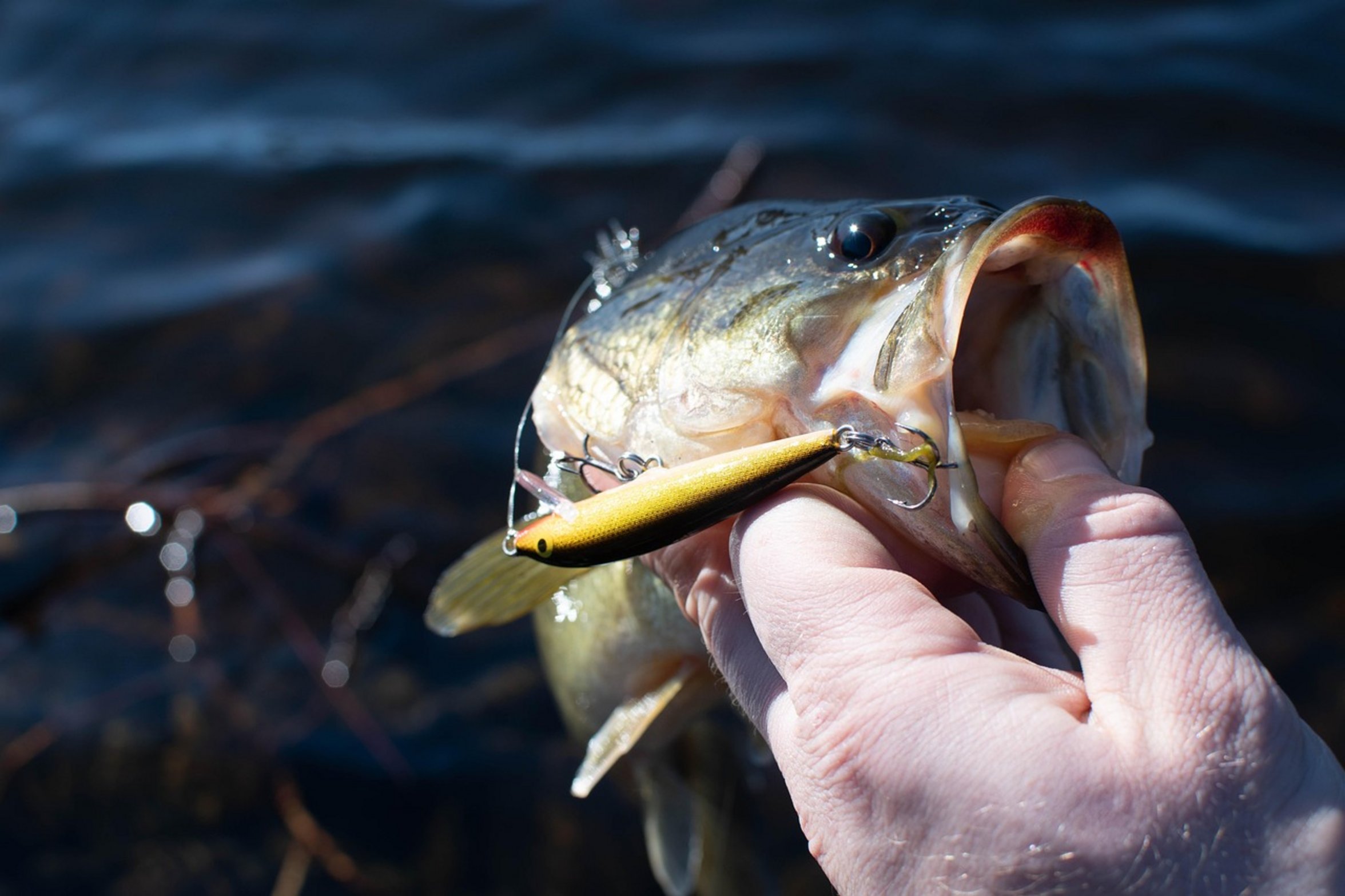
In slow moving rivers and ponds, largemouth bass are the kings of these bodies of water. Largemouth bass is predatory ambush predators that love structure. Largemouth bass will hide along weed beds, under submerged logs, or around bridge pilings.
In the spring, largemouth bass move onto shallow flats to spawn, which makes them prime targets for wading angler. During the summer months, as temperatures heat up, largemouth bass will seeks out deeper cover during the day and hunt at dusk or dawn. The largemouth is also a strong fighter that will put some serious pressure on light tackle.
Overall, it’s the typical pond fish in this area. Places like Assabet River Reservoir and countless smaller town ponds has them in abundance. Their presence make almost any body of water worth a cast.
2. Smallmouth Bass
Smallmouth bass likes rocky bottoms in cool, clear water. These are your prime targets if you’re fishing the deep lakes out west in Massachusetts or maybe the Hudson River as well. Smallies will push the drag on your reel to its limit.
They put on a good run and jump acrobatically; a couple of thing they’ve become known for. Because they’re more subtle than largemouths, they tend to demand more specific presentations in the form of soft plastic presentations around rock or jigs worked around rock. Though they’re not larger then their cousin largemouth, they’ll give you a lot more fight than a largemouth.
A good smallmouth location is one you have to read the water for. Look for underwater points and gravel bars where current washes across stony areas.
3. Chain Pickerel
For anyone who’s burned out on bass fishing, chain pickerel offer some exciting options.
They are long and thin with lots of teeth. They are a distant cousin to northern pike. They are mainly found in slow-moving streams and lakes.
With a unique side-chain pattern, these fish loves frogs and other small offerings. When they get aggressive, look out. They’ll blow up on spinnerbaits or topwater poppers from short distances and hang on hard.
Because of their stout jaws, it’s essential to use wire leaders when targeting these guys, as they will chew your line right through if you don’t. Found plentifully in most inland bodies of water, they make excellent “practice” fish for anglers new to the game. However, they gets big enough that even veteran fishermen can be surprised by how strong they are.
Once a quality chain pickerel hooks up, they’ll buck like crazy all the way back in; keeping things interesting during the battle.
4. Northern Pike
Cold water, deep lakes and some river systems around the state hold northern pike. Pike is apex predators and will sit waiting patiently for unsuspecting prey.
Casting big swimbaits or trolling big crankbaits along weed lines is common when pike fishing. Because double digit pounders aren’t uncommon on well managed fisheries, pike reaches an impressive size. The thrill of landing a big pike can’t be matched by many other freshwater species.
But you have to handle them carefully because they has very sharp teeth and spiny fins. A lot of anglers practice catch and release with pike so as to preserve the population from one season to the next. Their presence mean there’s a healthy ecosystem with plenty of baitfish available.
5. Yellow Perch
The panfish staple across Massachusetts is yellow perch. These long and skinny striped fish is found in nearly all lakes and ponds. They travel in tight schools and will readily bite most times of the year, particularly around seasonal changes.
Targeting them often means a small spoon fished along the bottom, or a jigged worm. Because of their consistent nature, perch are an easy way to teach kids about casting and catching fish. And perhaps more importantly, they act as a key link in the food chain for bigger fish, keeping the ecosystem balanced.
Though they won’t physically match the strength of the pike or bass, the quantity of perch makes for some good days on the water. Find the right spot with perch and you’ll get constant action from schools of these little fighters.
6. Brook Trout
Clear, cold mountain trout streams found throughout Western Mass are the native home to Brook Trout.
A beautiful fish, the brookie is adorned with white, blue edged red spots. The trout need pristine water conditions to survive, as they is very sensitive to pollution. Brook trout fishing calls for delicate presentations with small nymphs or dry flies on light tippet.
As picky eaters, they often passes up what they don’t consider to be an exact match to their natural prey. If you have never caught a wild brook trout, it’s a special experience that will connect you to the area’s history. In many streams, strict regulations protects them, ensuring their population remains stable.
Any angler fishing the headwater tributaries should respect this fish and its habitat. You should of seen how fast they swim.