
Mountain lakes aren’t what comes to mind when thinking about Arizona. Red rock canyons and heat come to most minds. But there are actualy a great deal of high elevation manmade lake and streams below that dry surface.
Some of the best trout populations in the state is in those waters, proving that Arizona is more than just a Sun Belt state. If you know where to look you’ll find world class fly fishing and spin casting opportunities. Knowing what kind of fish inhabit what type of water are critical.
In Arizona different species is stocked based off seasonal conditions, water temperature, and altitude. You won’t catch a brown trout in the Salt River with the same tactics that would work to land a rainbow trout. And also, you wouldn’t fish a stocked lake as you would a high mountain stream.
Your timing and choice of tackle is determined by knowing what species you’re targeting. Below is a breakdown of the main trout species found on our waters here in Arizona. These are your most common fish.
We will cover what makes them tick and give some behavioral tips. These tips separate the coolers full of fish from the guys scratching their heads in frustration. So who’s really hiding underneath all that gear?
Main Trout Species Found In Arizona Waters
1. Rainbow Trout
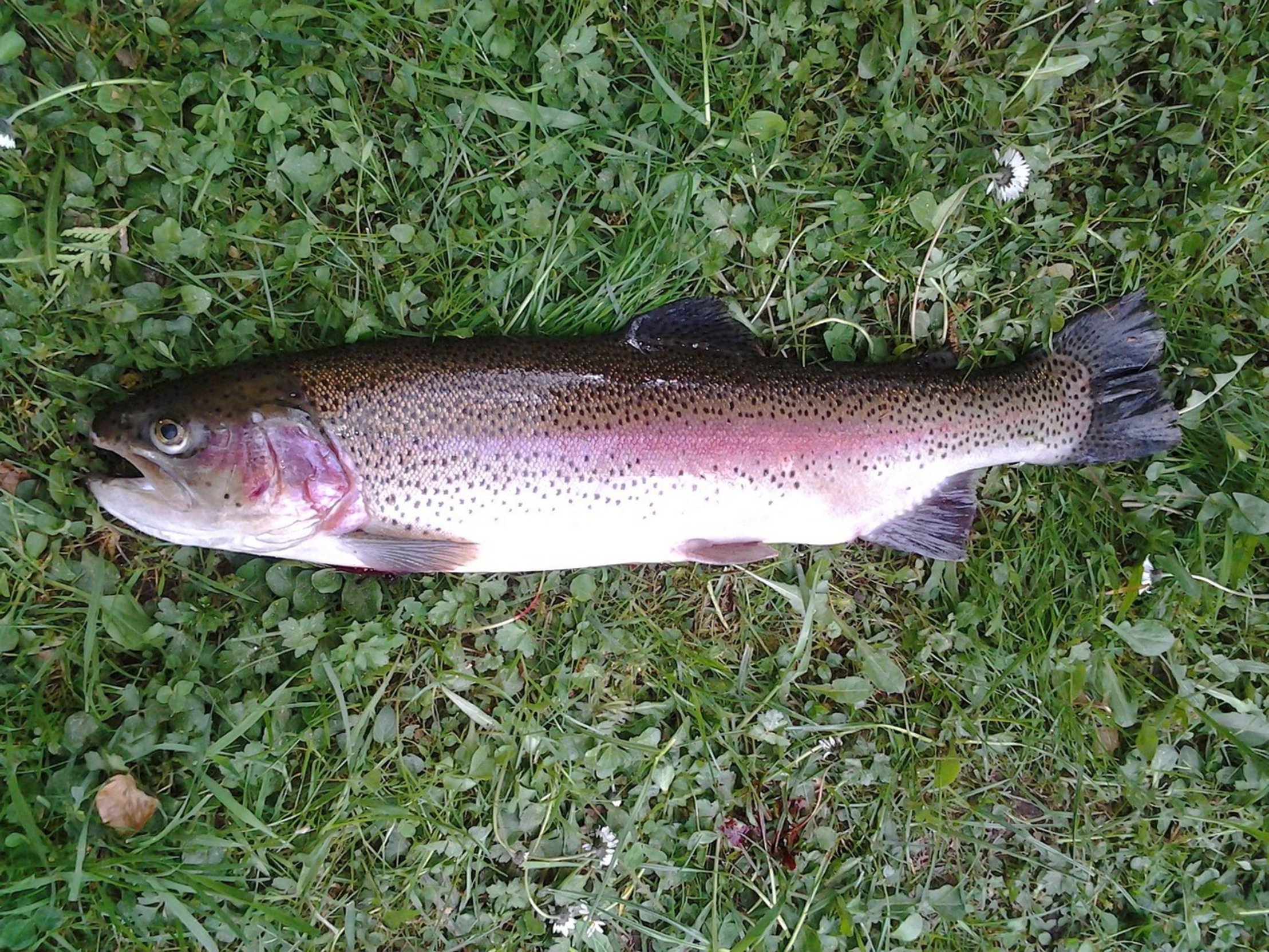
For sure, Rainbow Trout are the most popular fish caught in Arizona fishing. By far, they comprise the largest percentage of the state’s stocking programs. Whether you’re fishing around Flagstaff or Phoenix, you’ll discover them in nearly all of the spring creeks and reservoirs.
They is perfect for beginner anglers because they strike at lures easily, whether you use a fly rod or a spin caster. Rainbows are cool water loving fish. Rainbows thrive in cooler temperatures than most other game fish.
So that’s why you see them taking over spring fed streams and higher elevations. Down in the lowlands, they really only live for a brief window during the winter when they’re stocked. Rainbows has a great chance to get big, especially in larger reservoirs where there is plenty of food to be had.
2. Brown Trout
Finally, Brown Trout in Arizona waters are another story altogether. Though not stocked as frequently than rainbows, they also form self sustaining populations in select fisheries. Both parts of the Salt River and the Gila River see good runs of these hardy trout.
Browns favor current breaks found in slower flowing water and structure such as undercut banks or deep holes. Generally, browns is more skittish towards surface disturbance. Brown trout are more wary, so you’ll want to be stealthy when fishing for these guys.
These fish has excellent eyesight, and they can spot you from a long distance. How accurately you cast becomes more important then how fast you retrieve. Many anglers report that browns put up a harder fight relative to their size.
Their lateral line sensitivity make them react strongly to vibration in the water column.
3. Coho Salmon
The other speciality of the season is the Coho Salmon, otherwise known as the Silver Trout. The state stocks these just for this time of year and for fun on the ice.
They are mostly found in high elevation waters like Apache and Humphreys Lakes. The coho like cold water more then both brown and rainbow trout. As a result they only live in the very coldest months and deepest waters.
Coho have a reputation for being fighters and for having very delicate tasting meat. They don’t stay in our Arizona waters for very long because of the warming temperatures. Timing is key to catching these guys.
Typically, you have a small window from late winter into the early spring. Once that window closes, it’s time to move onto other species until the water warms up again.
4. Cutthroat Trout
Arizona has a few remnant, native Cutthroat Trout populations that you want to seek out.
There is a tiny population found along Arizona’s border with Colorado. The rest of your fishing for these trout will be in some distant headwater streams stocked with either hybrids or reintroduced fish from other areas. They are easily identified by an orange or reddish slash mark beneath their lower jaw.
From there they get their name. Cutthroats demand respect for delicate habitats as well as time on the water. Their native range is in low flow streams of sparkling clarity, which cannot sustain crowded foot traffic.
Natural presentations like dry flies or small nymphs imitating the hatching insects work best. Their populations are sensitive to environmental changes. Preserve their habitat so your grandchildren can enjoy them too.
5. Golden Trout
The Golden Trout is the subject of one of those unique conservation success stories. The native Californian trout was brought into Arizona high country lakes to keep genetic diversity. They are only found in clear, cold water above seven thousand feet.
Golden trout has been established in lakes like Apache and Squire. The fish is bigger and more difficult to catch than their rainbow cousins. The fish are gorgeous.
Golden trout are truly golden. Their color depends on the light and the mood of the trout. A true carnivore, they eat mostly small aquatic life forms and insects.
Because the waters are clear, it’s all about sight fishing which lends itself well to fly fishing for golden trout. In order to preserve the healthy stocks of golden trout, the state carefully manages these lakes to prevent overfishing. Catch and release practices helps maintain healthy stocks of this beautiful species.
6. Brook Trout
Brook trout add some variety to the north side of the state. Brookies will live in a little warmer water but they also like good oxygen conditions. Look to small mountain streams where bigger trout won’t fit.
Brookies are distinguished by the red halo around each white spot on their back. When you catch one, be careful because they lose color fast. Brook Trout: Brookies, as they’re called, are much harder to find but can be great fun if you want to get off the beaten trail.
These guys is also opportunists when it comes to feeding, so they’ll eat just about anything put before them. They’re usually found on the edges of streams, and they tend to school up in fairly consistent spots. You’ll see their fins break the water’s surface before many strikes.
That knowledge will alter your approach to the trip. Instead of blind casting, it puts you on target behaviors. If you’re a student of the details, then you’ll find that there’s a lot of diversity in Arizona trout fishing.
Respect the water, pick your target, have fun with it and enjoy the day. They won’t be waiting long for somebody who has an idea of what they look like.