
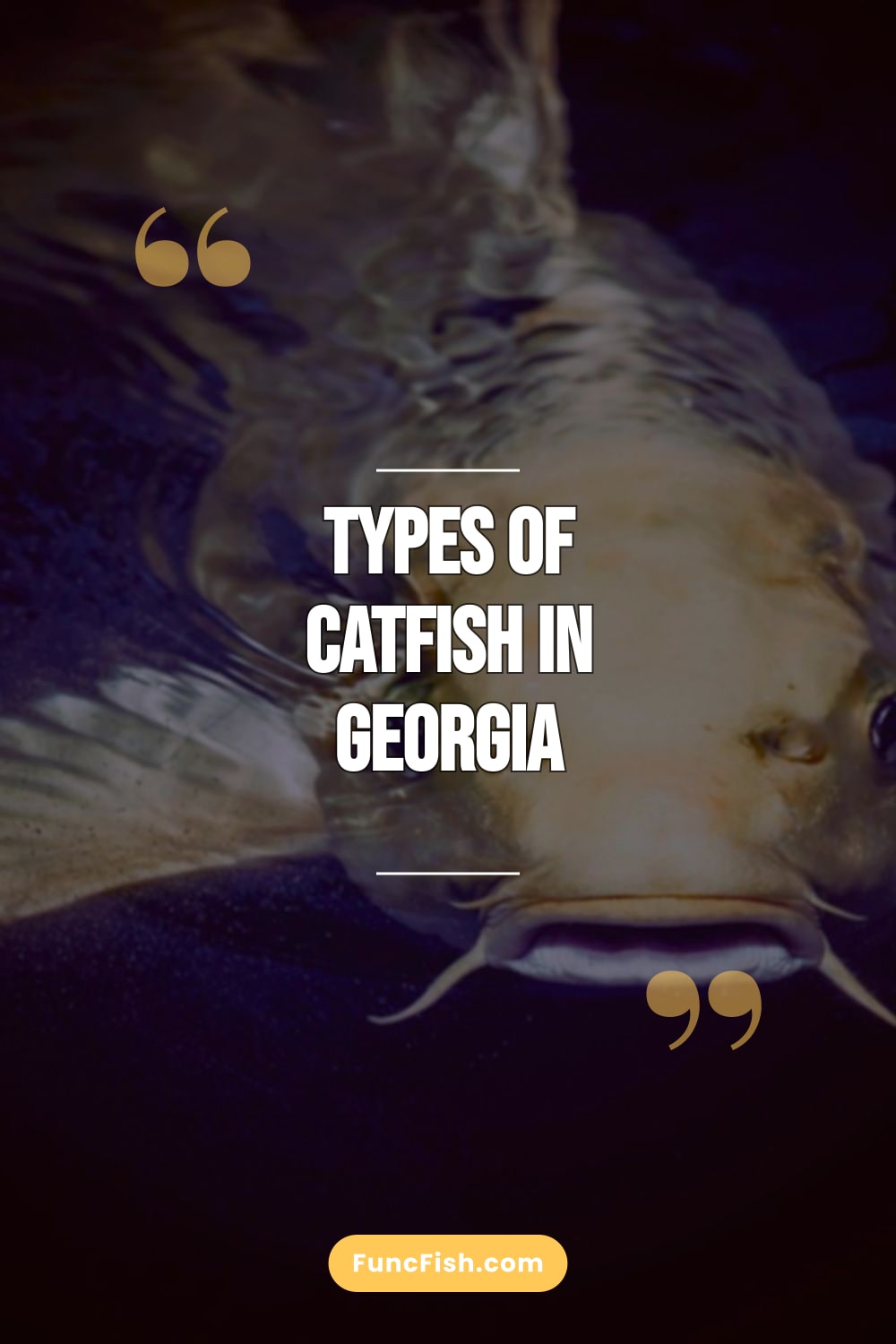
The rivers, lakes, and swamps in the state of Georgia contain some catfish that are often misunderstood in there freshwater environments. While catfish may not recieve the same amount of attention and glamour as some of the other freshwater fish species in Georgia, the catfish species that live in the state all has a great deal of strength when fight with anglers, delicious flavors when cooked, and present a challenge to even the most experienced catfish anglists. All of Georgia’s catfish species can be found in locations such as the Flint River, the Ocmulgee River, and Lake Lanier.
However, each species of catfish has different behaviors, habitats, and fishing techniques that will elicit the best catching results for angler. If anglers in Georgia would take the time to learn more about each of the different fish species that live in the state, one could appreciate the different types of fish that live in the water beneath the surface of the land. Georgia’s waterways are home to a few different types of catfish species.
Some of the catfish species live in areas that require heavy fishing tackle to extract them from the water, while others live in much less challenging environments that feature smaller fish that live in shallow creek. Learning the differences between these catfish species will improve the angling experience and the number of fish that are caught and prepare for anglers to enjoy as meals at the dinner table. The blue catfish is the heaviest of the catfish species that inhabit the freshwater environments of Georgia.
Common Types of Catfish in Georgia
1. Blue Catfish
Blue catfish can reach weight of over 100 pounds in the state’s largest rivers, though the majority of the fish caught by anglists weigh between 20 and 40 pounds. These fish have sleek bodies that are of a bluish-gray color, with a deeply forked tail that makes them easy to recognize. Blue catfish prefer the deep and moving environments of the main channels of the Savannah, Altamaha, and Chattahoochee Rivers.
They live near the bottom of these rivers, but will chase the shad fish that swim in the water if the water move in the correct direction along these rivers. Anglers often use cut bait on circle hooks and heavy sinkers to attract these fish species. The fight between anglers and blue catfish is often described as a slow and powerful struggle for control, as if fighting with a log.
Due to the strength of the species, many anglers save their efforts to catch blue catfish for special occasion. The payoff for anglers when they do catch one of these giant catfish is when they realize that the fish is one of the largest freshwater predators in the state.
2. Flathead Catfish
Flathead catfish species exhibit different behaviors from the other catfish species that dwell in the waters of Georgia. Flathead catfish species have broad heads that are shaped like paddles, with the tails only slightly notched. The body color of the fish range from pale yellow to deep brown colors, with dark spots on the body of the fish. Flathead catfish are ambush predators that enjoy eating live bait fish like bream or crayfish.
Flathead species like to live in logjams in the rivers, in banks that are undercut by the banks, and in the mouths of small creeks that empty into the larger rivers. The best time of day to target flathead catfish species in Georgia is after dark. Flathead catfish have a tendency to leave their hiding place during the night.
When flathead catfish bite, the bite feels as if it was dropped into the water; the fish will land on the bait, and the fish will begin to pull the line away from the best fishing drags that anglists deploy. Anglers that target flathead catfish with only a cane pole and heavy sinker bait understand that the fight between the two is too powerful to use delicate fishing gear. These fish species grow to become very large; records of flathead catfish weights in Georgia have surpassed 80 pounds.
However, flathead catfish are picky about the food that they eat. Because of the size of the fish and their pickiness regarding food, anglers dedicate their fishing efforts to flathead catfish species each fishing season.
3. Channel Catfish
Channel catfish are a species that many anglists can relate to due to their tendency to live in more accessible waters in the state. Channel catfish have slender bodies with a silvery sheen to their bodies, the same color as their tails that are deeply forked, and features delicate barbels around their mouths. Channel catfish live almost anywhere that there are bodies of water in Georgia. Whether the water is a small farm pond or a large reservoir that spans the state, channel catfish live in abundance.
Channel catfish will respond quick to bait such as chicken liver, stink bait, or hot dogs. Because channel catfish are not picky about the foods that they eat, they are perfect for anglists of all experience levels and for families that enjoy fishing. A five pound channel catfish that is located in a farm pond in a suburban area will fight with a lot of speed when an angler reels it in.
It also has the ability to jump from the water like a small bass fish. Channel catfish are located throughout the state. Thus, a good day of catfishing can become a great day for anglists that understand the seasonal movements of channel catfish throughout their homes in Georgia.
4. White Catfish
The last type of catfish species to review in Georgia are the white catfish species. Anglers often ignore white catfish species in the state because they rarely grow to the sizes of the other catfish species. However, despite their size, white catfish deserve to be included on any list of important catfish species of Georgia.
White catfish species have the same body structure as channel catfish but with a rounded anal fin and a white belly that shine in the sunlight. White catfish prefer waters that are brackish in Georgia, where the rivers empty into the ocean. However, white catfish species have also moved further upstream into some of the lakes that exist in the state.
Because white catfish species tend to bite on smaller baids and with light fishing tackle, white catfish are a favorite category for children and those who like to utilize ultralight fishing rods. White catfish have a mild flavor when prepared and fried, which is preferred by many catfish anglists who enjoy preparing their fish by frying them. However, white catfish rarely grow to weigh four or five pounds.
Thus, white catfish are only best caught with effort with the larger catfish species not biting into the angler’s bait. The final group of native catfish species is the bullhead species. There are three species of bullheads that live in Georgia: the black bullhead, the brown bullhead, and the yellow bullhead.
5. Bullhead Species
Bullhead catfish tend to be smaller than the other catfish species. Bullhead tails are not deeply forked, but instead rounded or square in structure. Bullhead species have thick bodies in relation to their length, and exhibit a toughness in their survival abilities.
Bullheads live almost anywhere in Georgia; they live in muddy ditches, farm ponds, and in the mountain streams that feed the smaller rivers of the state. Bullhead catfish are opportunistic feeders; they will eat almost anything that they encounter in their habitat. Bullheads tend to weigh less than two pounds.
Thus, trophy anglists usually ignore bullhead catfish. However, bullhead species are often ignored at the risk of missing an opportunity to add these fish to the angler’s diet; bullheads are excellent fish to eat when prepared properly. When targeting bullhead species in a quiet creek in one of the state’s mountain areas in the northern part of Georgia, anglists may remember the reasons for their initial enthusiasm about fishing for catfish when they began the sport.
Each species of catfish performs specific roles in the ecosystem of Georgia. Species like blue and flathead catfish regulate the populations of shad and bream species in the state’s rivers. Channel and bullhead species clean up the other food remains and the small fish inhabitants of Georgia’s waterways.
By understanding the role that each type of catfish plays in the environment in which they live, anglists can target these fish species in a more thoughtful manner. Instead of simply adding bait to the waters and awaiting the catch of catfish, anglists understand the biology of catfish species and their environments. Thus, there is an understanding of the reasons why bait of certain types will work for one type of catfish but not another of the catfish species that live in Georgia’s waterways.
While the catfish may not be the most beautiful of the fish species in Georgia, they do bring value to the angling sport in the state, and form memories that anglists can share with others. The next time that you go fishing for catfish in Georgia, take a few moments to think about which type of catfish you would like to target. By using the proper fishing tackle for each species of catfish, using the proper bait for each species, and fishing in the locations where each species is found, you will find that your fishing experience for catfish species will improve.
Thus, the rivers in Georgia will continue to experience their natural ebb and flow, but your time on the water will be much more enjoyable. The most important takeaway from the information presented about the catfish species of Georgia is that there are different types of catfish species in the state, and learning their features and life spans will benefit anglists in the long-term.