
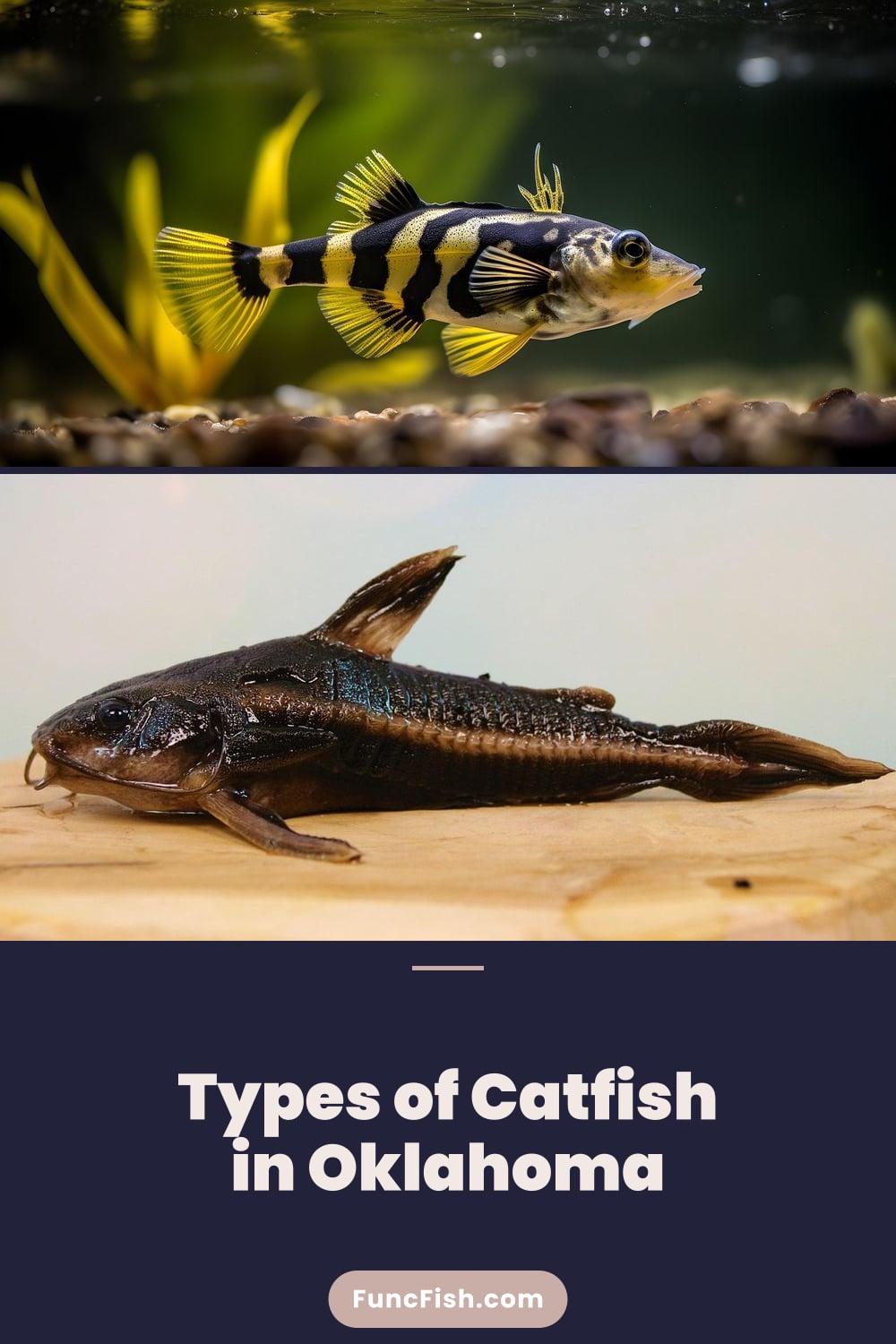
The rivers, lakes, and reservoirs in Oklahoma contain many different types of catfish. These different types of catfish lives in the waters in Oklahoma, and they create an activity in fishing for those anglers who come to the state. Catfish thrive in Oklahoma due to the fact that the waters in Oklahoma are often both warm and muddy, and these waters contains the food that the catfish need in order to grow.
Additionally, the bottoms of Oklahoma’s waters are soft, allowing for the catfish to dig and root for hours in their favorite area. Depending on the type of catfish that anglers can catch in Oklahoma, anglers can either seek to catch one of the quick meal that the catfish can provide, or they can seek out one of the larger catfish species to challenge their fishing equipment. In order to catch the different types of catfish in Oklahoma, anglers should be knowledgeable regarding each of the different species of catfish that lives in Oklahoma’s waters.
With such knowledge, anglers will be smarter when they go into the water to fish for catfish, and they will also be better able to manage the regulations of the state and to practice catch and release with the species that they encounter. Each type of catfish in Oklahoma is different from the other types of catfish in the state. The size of the catfish in Oklahoma is often different from the other types of catfish in the state.
Additionally, the fighting style of the catfish in Oklahoma is different from the other types of catfish. The habitat of these fish is also different between the different types of catfish in Oklahoma, and the taste of the fish is also different between the different types of catfish. If anglers take the time to learn more about the personalities of the catfish in Oklahoma, they will save themselves the bait that they often waste when they are fishing in the wrong area.
Instead, they will be able to target the correct type of catfish based off what type of experience they would like to provide for their fishing experience. The following is information that describes each of the main species of catfish that live in Oklahoma, both in the common and the trophy categories for the different catfish species.
Common Species of Catfish in Oklahoma
1. Channel Catfish
Channel catfish are among the most common species of catfish that live in Oklahoma.
However, channel catfish species is generally slender fish with spots growing along their bodies, and they generally weigh no more than ten pounds. These fish are located in areas like the Canadian and Texoma rivers. Channel catfish species have forked tails and bluish-gray bodies.
Additionally, they will bite on almost any type of bait that an angler places into the water. Channel catfish are the first type of catfish that children catch when they begin to fish for catfish; they reach legal size in two years of age, indicating that they reproduce well and maintain healthy populations in Oklahoma’s waters. The channel catfish species is relatively small, which makes it an easy fish to eat.
The taste of channel catfish is not muddy like some of the other catfish species in Oklahoma, especially in the warm water. Fried channel catfish in cornmeal is a classic meal to eat in Oklahoma. Additionally, the fight between the channel catfish and the angler is relatively quick; channel catfish do not have the strength to continually pull the fishing line as the more popular species of catfish do.
However, during the summer evenings when the channel catfish are biting the waters, anglers can often catch enough fish to fill a cooler in one hour. The next species of catfish to discuss includes the blue catfish.
2. Blue Catfish
The blue catfish species is a large and powerful type of catfish that live in deep reservoir channels like the Arkansas River.
These blue catfish species often weigh in at more than twenty pounds, and some of the fish that residents of Oklahoma catch weigh in at over fifty pounds. These fish have heavier bodies than channel catfish, and they contains fewer spots. These fish have a straight edged anal fin, which allows for these fish to be distinguished from other types of catfish.
Blue catfish eat fresh cut shad or skipjack fish that are located on the bottoms of areas between twenty and forty feet deep in Oklahoma’s waters. Additionally, blue catfish species can live for many decades to reach the weight of one hundred pound. Due to the ability of the state of Oklahoma to have once caught a blue catfish that weighed over one hundred pounds, experienced anglers continue to go to these waters to add to their fishing collection.
The fight that occurs between a blue catfish and an angler continues for longer periods of time, with the blue catfish not tending to exhibit acrobatic movements when fighting. These large fish have been living in their lake areas for many years. Therefore, most anglers will choose to release these fish to ensure that the trophy blue catfish continues to live in Oklahoma’s waters.
3. Flathead Catfish
Flathead catfish have a distinct appearance. The heads of flathead catfish are broad and flattened, the mouths are large, and the tails are squared off. Flathead catfish live in areas in Oklahoma that include submerged logs, rocks, and bridge abutments along rivers like the Red and Grand rivers in the state.
Flathead catfish are predators and will eat live fish like bullheads and sunfish. Therefore, flathead catfish are more difficult to catch than other species of catfish in Oklahoma, but the flavor of flathead catfish is considered to be cleaner than other catfish species like those that eat crayfish or mussels in the bottom of the lakes. Flathead catfish species that weigh between thirty and sixty pounds is considered to be a large fish species in Oklahoma.
Additionally, flathead catfish will take the bait that anglers use, creating a slow fight between the catfish and the angler. Due to flathead catfish being territorial, anglers can return to the same areas of Oklahoma’s rivers each year with some of the same submerged objects and may be able to catch a new flathead catfish. However, flathead catfish species grows at a slower rate than blue catfish, so removing one of these trophy fish from Oklahoma’s waters may be a downside to anglers.
4. Black Bullhead
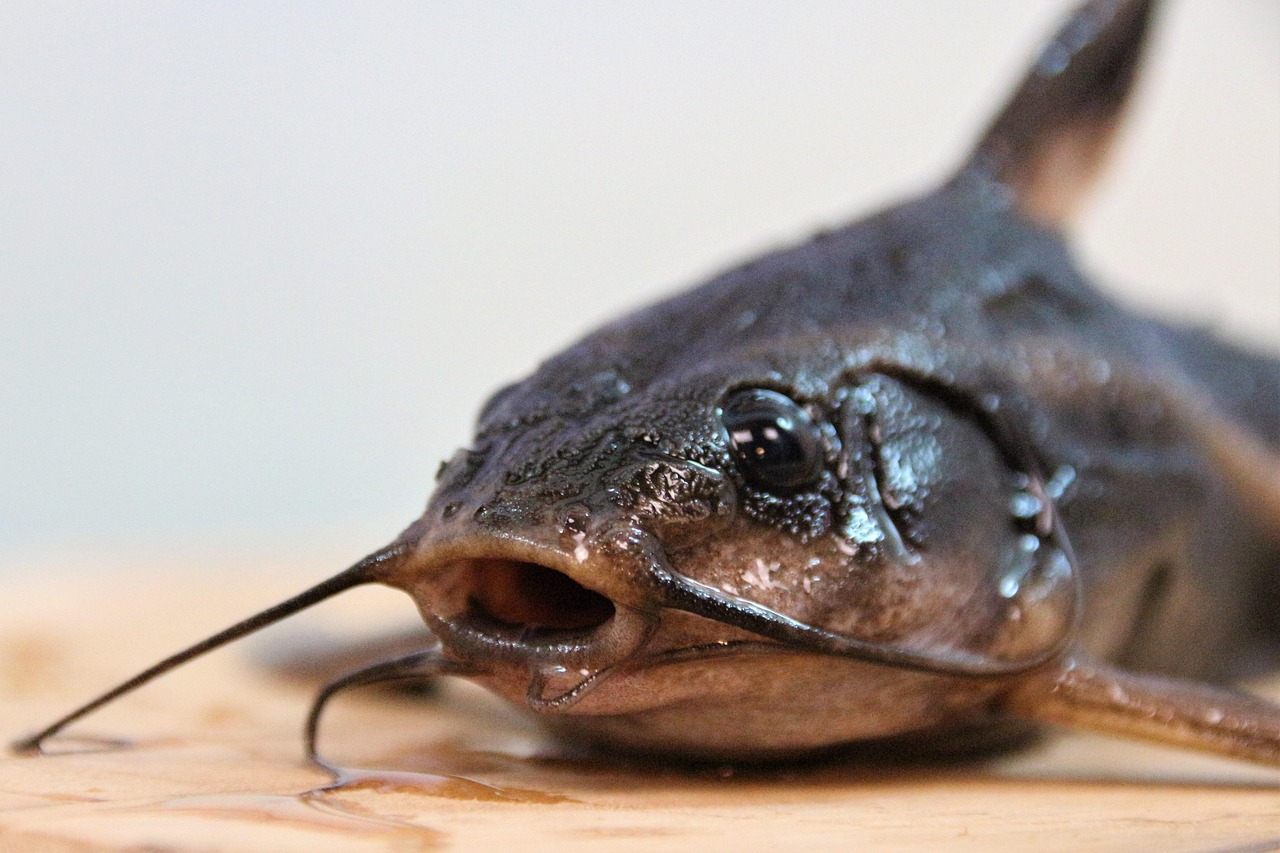
In Oklahoma’s waters is a species of catfish that many anglers tend to ignore; the black bullhead. Despite the black bullhead’s status as a less targeted fish species in Oklahoma, many anglers will change their mind about the black bullhead once they begin to prepare and cook the fish for dinner. Black bullhead catfish species are small in size, and their bodies are dark in color, with sharp spines on their pectoral fins that can potentially puncture the hand of the angler when the black bullhead is prepared.
Black bullhead species live in shallow areas that include stands of weed in ponds in eastern Oklahoma. These fish are the first to begin to bite at the start of the fishing season in Oklahoma, when the water temperature reaches fifty degrees on the Fahrenheit scale. Despite the small size of black bullheads, their fillets will be sweet and firm when they clean and prepare them by seasoning the fish with seasoned flour.
Additionally, the small size of black bullhead fish is beneficial to young anglers who lack the patience to sit for long periods of time while they wait for a black bullhead to bite. However, anglers must be aware of the spines of these species. Anglers must learn to handle black bullhead species by gripping the belly of the fish behind the pectoral spines.
Once anglers have learned how to handle the spines of black bullhead species, the fish will be a welcomed addition to any Oklahoma fishing list. In addition to the different species of catfish that live in Oklahoma’s waters, there are also occasional sightings of white catfish in rivers located in the southeastern part of the state. These white catfish species are most common in areas where the rivers from Arkansas and Texas flow into Oklahoma.
5. White Catfish
White catfish species have the same genetics as channel catfish, but white catfish species have white bellies and longer barbels. Additionally, white catfish species weigh no more than five pounds. However, they have the same enthusiasm for biting on bait as channel catfish, and they live in the same areas of Oklahoma’s rivers at night.
White catfish can be identified when anglers and fish enthusiasts are on the bank of the rivers. White catfish species have rounded anal fins that contains twenty-four to twenty-nine rays. Because white catfish are not common in Oklahoma, anglers will likely feel as if they have achieved a bonus in their fishing trip if they do manage to land a white catfish.
Additionally, white catfish have fighting abilities that match their small size, and they are a great fish for grilling. In addition to the various species of catfish that may be encountered in Oklahoma’s waters, it is also important to provide an overview of the state records of the species. Due to the fact that areas like Eufaula, Texoma, and Keystone lakes in Oklahoma have produced blue and flathead catfish species that weigh nearly one hundred pounds, it is clear that anglers who visit these areas do not catch these fish at random.
These large catfish species live in the deepest parts of Oklahoma’s lakes, they are active mostly at night, and they have experienced a variety of different types of bait. In order to catch these fish, anglers must use fresh bait and strong fishing gear, and they must be prepared to lose some of their fishing rigs that become hooked to these giant fish. However, when they do land these giant fish, anglers will understand how they enjoy chasing these fish in Oklahoma for many years.
Overall, the variety of catfish that live in Oklahoma waters adds to the fishing experience in the state. Additionally, the different types of channel, blue, and flathead catfish offer different experiences to the various types of anglers. The next time that individuals go into the water to fish for catfish in Oklahoma, they should take time to look at the different types of catfish that are being caught.
Each of the catfish species has its own personality and its own potential to provide a rewarding experience for anglers. Therefore, if individuals learn more about the catfish species in Oklahoma and show respect for the species, they will continue to receive their rewards from the state for many years.