
Winter in Colorado is often associated with quiet mountains blanketed with snow. Anglers leave their rods behind in the mountains until springtime return. However, there are a few dedicated angler who know that the rivers in Colorado do not sleep during the winter.
Many tailwaters are open year-round, and there are several spring creek that remain warm enough for trout to live. Additionally, the air temperatures in the mountain ranges can drop to well below freezing while the water temperatures remain warm enough for trout to remain active while the world outside the rivers is sleep. Winter is one of the most rewarding season for anglers in Colorado.
To successfully fish for trout during winter months, anglers must make some adjustments. For starters, trout is much more active during the middle of the day when it is light. This means that anglers have a much smaller window of opportunity to fish for trout during winter.
Additionally, the decisions that the anglers make while on the water will have considerable importance. If they are correct, they will have some of the best fishing of the year. However, if they make any mistake, they will feel cold and have accomplished nothing during there winter trip.
The following list includes the most important adjustments to make when winter fishing for trout in Colorado.
Essential Tips for Winter Fly Fishing in Colorado
1. Keep Fingers Warm and Functional
Cold fingers make it impossible for anglers to tie flies or set the hook successfully on a trout. To avoid missing any fishing trips due to cold fingers, anglers should wear thin wool or synthetic liner gloves underneath their waterproof shell layer.
The liner gloves will stay on while they are fishing, and they will wear the waterproof shell only when they need their fingers bare to tie their knots. Anglers can also tuck chemical hand warmers into the tops of their waders near the femoral arteries. This spot will retain the heat from the hand warmers longer than if the warmers were packed into their fishing boots or pockets.
Additionally, anglers should bring two pairs of gloves so that one pair can get wet while fishing and the other remains dry. This process may seem fussy, but it is a necessary tactic to ensure that anglers can land a large rainbow trout while their warm, dry hands remain active in the fishing process. For most anglers, the comfort that they fish in their clothing properly can make the difference between four hours of fishing and one hour when they must quit due to coldness.
2. Layer Clothing Properly
Base layers will be worn next to the skin. A midweight fleece or wool sweater can be worn next to the base layers. For the last layer of clothing while fishing, a breathable but windproof shell can be worn.
For the legs, thin wool socks will be worn inside neoprene waders. By wearing these layers, anglers will retain body heat. However, they will not perspire too much while fishing.
As soon as anglers begin to perspire while fishing, they will become cold quickly once they stop moving. Experienced anglers will bring a small backpack with an extra insulating layer to wear while on the water, especially if they are fishing during the coldest part of the day.
3. Target Tailwater Fisheries
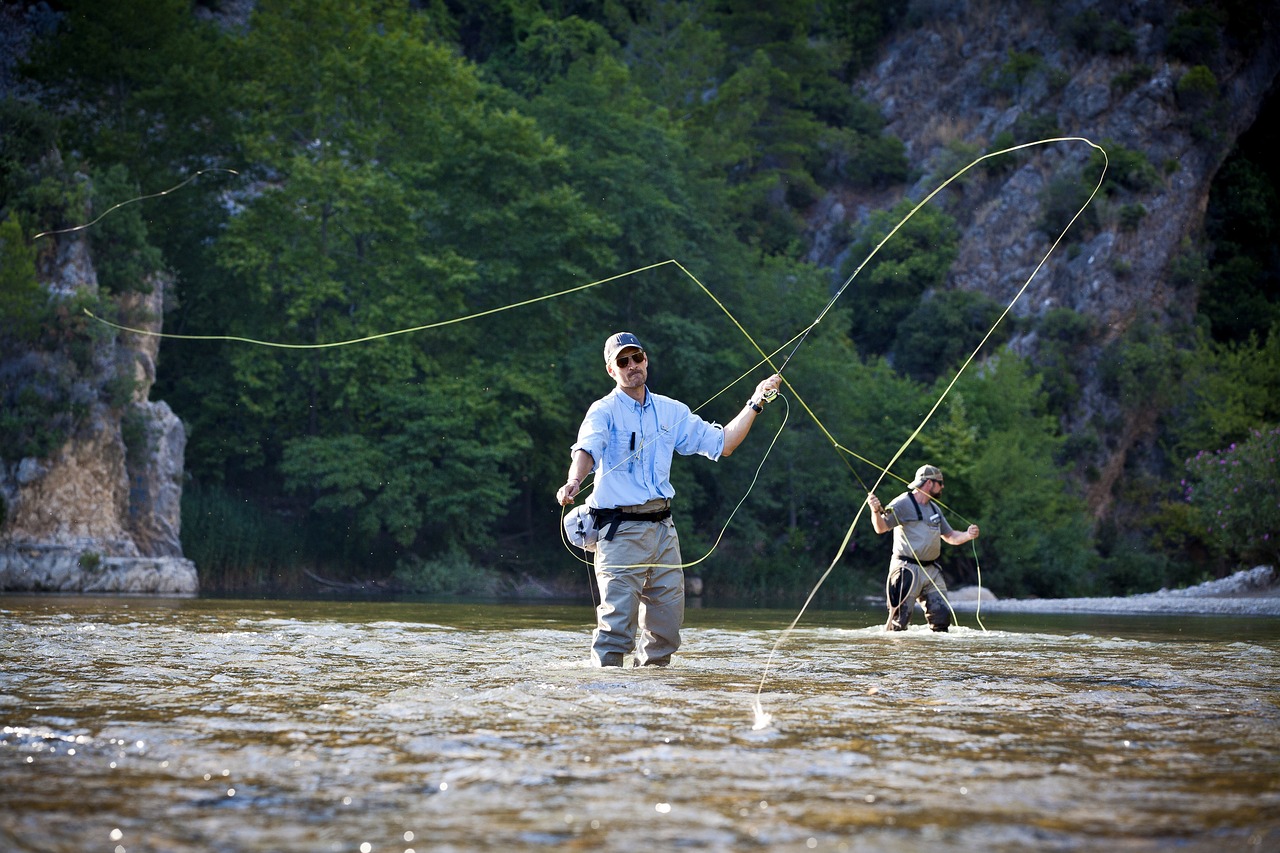
Tailwater fisheries will be the focus of winter fishing efforts of most Colorado anglers.
The dams that control the tailwaters will release water from the bottom of the reservoir to maintain adequate river flows during the dry months. Because the water comes from the bottom of the reservoir, the water temperatures will remain consistent year-round in specific locations. Some of the best tailwater fisheries in Colorado that maintain temperatures between 40-45 degrees include the Blue River below Dillon, the Frying Pan River below Ruedi, and the South Platte River below Spinney Mountain.
Most trout during the winter will remain in these areas and will not venture far from these locations. During winter months, trout will not chase streamers or grasshoppers. Instead, they will sip on the midges and baetis that drift through their areas without much effort.
4. Focus on Midge Patterns
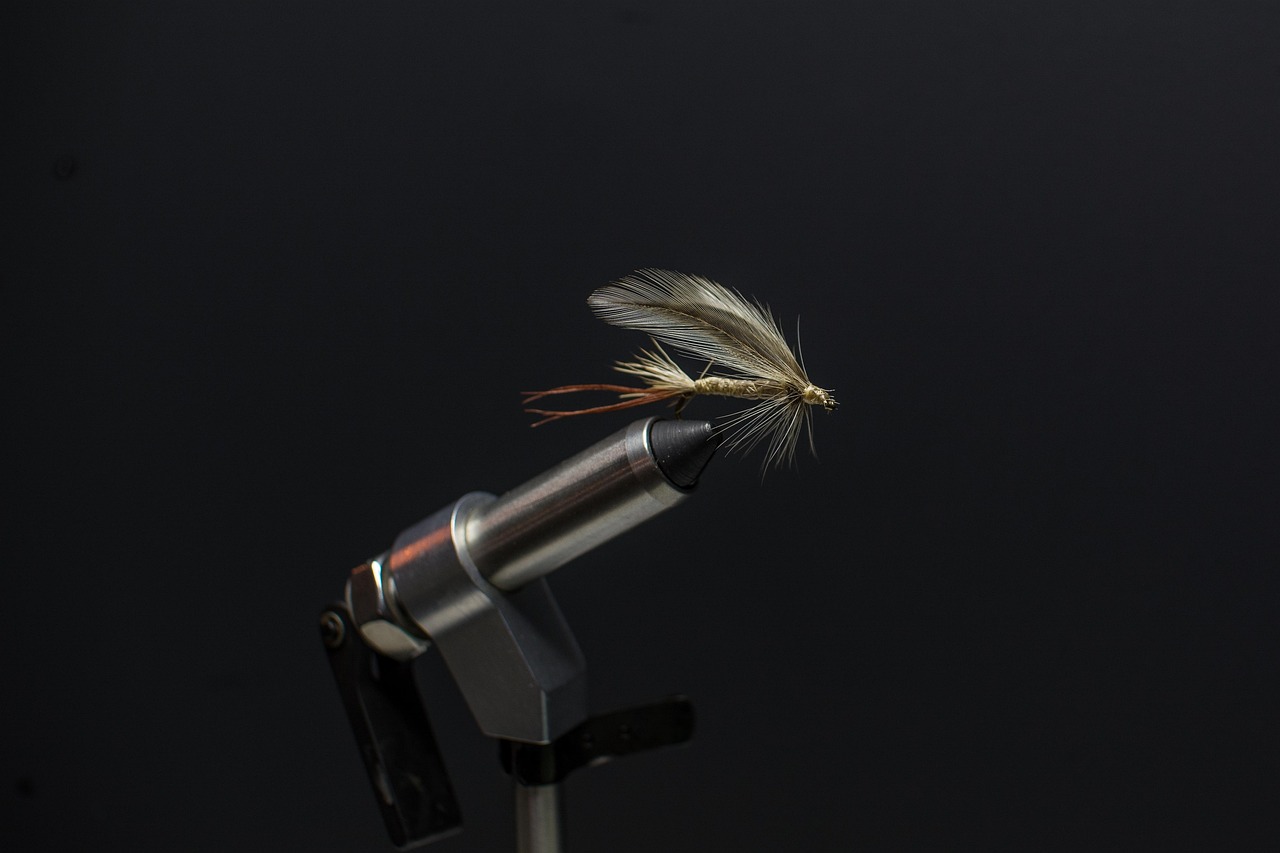
Midge fishing will be the focus of winter fishing efforts of most anglers. The flies that will be used will be sizes between 18 and 24. Midge patterns will be fished in clusters or as dry dropper rigs with a tiny indicator.
The small size 22 black or olive midge pupa can be fished 18 inches behind a red zebra midge to attract the trout’s attention. These flies will be fished in the slowest waters with a 6X tippet. Trout will take these flies with subtle movements or no movement at all.
5. Time Your Fishing for Peak Sunlight
However, whenever a trout takes the fly, anglers should set the hook to secure the catch. The best time of the day to fish for trout is when the sun is the highest in the sky. Because the sun directly hits the water during the height of the afternoon, the surface waters can rise to 10 degrees or more above the deeper waters.
These warmer waters will trigger the rare midge and trout spawning hatches during March and April. These best times to fish in December and January will be between 11 a.m. And 3 p.m. If anglers show up too early in the day, the trout will be dormant while their fingers become encased in ice. However, arriving too late in the day will mean missing the midge spawning period.
When the first gray specks show up on the water’s surface around noon, anglers should shift from nymphs to small emerger patterns to match what the trout are feeding on during this time of year.
6. Use Proper Wading Gear
Wading into the winter waters requires a little extra consideration. Anglers will find ice shelves along the banks of the rivers.
Additionally, many of the rocks that line the banks will be slick with ice that has formed throughout the winter months. Anglers should wear felt-soled boots or add tungsten studs to the rubber soles of their boots. Additionally, they should bring a wading staff and use it when stepping into the water.
Anglers should avoid wading into waters deeper than their mid-thigh. These deep waters can take lives in a matter of seconds if one falls into these depths. If anglers fish alone, they should ensure that someone knows their whereabouts and the time that they will return from fishing.
These precautions may seem excessive. However, they are in place to prevent the unfortunate situation where an angler’s friend is swept into the deep waters while they are fishing alone.
7. Select Appropriate Rod and Line
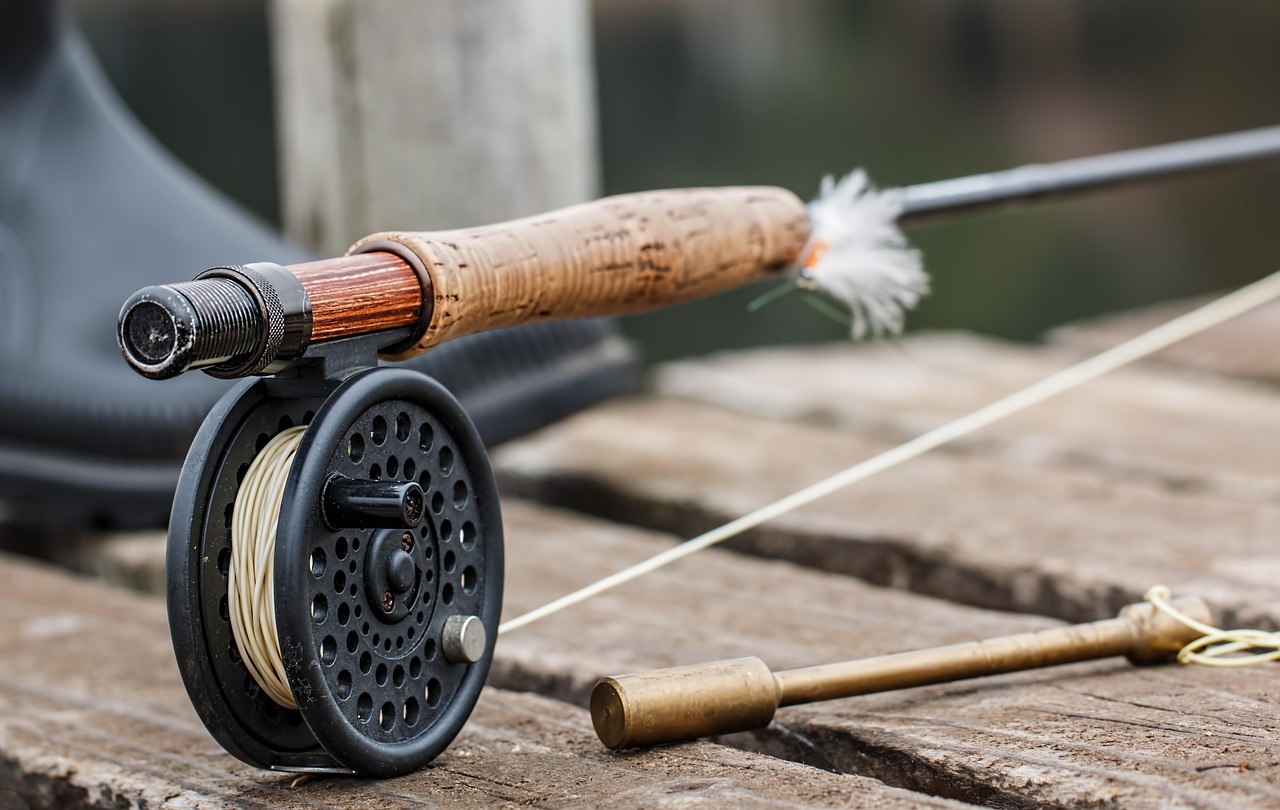
When fishing for trout in the winter months in Colorado, anglers should use a 9-foot 5-weight rod as their ideal rod.
However, some anglers opt for a 4-weight or even a 3-weight rod to make their presentation of the dry flies more delicate. Fluorocarbon tippet will sink more quickly in the winter waters compared to nylon tippet. Additionally, fluorocarbon is less affected by the water’s temperature compared to nylon lines.
Anglers should keep their fly lines treated so that they remain supple when fishing in the cold winter waters. Many anglers opt to use a shorter head floating line or euro nymphing setups to stay in contact with the fly without stripping the frozen line through the guides. Whatever line and rod configuration that anglers decide upon, they should practice using their favorite flies to develop muscle memory in their fishing efforts even if their hands are numb due to the cold.
8. Search Deep and Slow Water
Winter waters are fished differently from spring or fall waters in Colorado. Most trout will be found in the deepest and slowest parts of the riverbed, not where the riffles occur. Most trout will hold close to any submerged objects.
Anglers should expect the trout to be in the deepest waters that look dead to someone who is not trained in fishing. By focusing on where most trout will be found and fishing in these areas, anglers will see a dramatic improvement in their fishing effort. Although it seems counterintuitive to fish in areas of a river that have little movement, it is in these deep waters where most trout will be found during winter months.
9. Pack the Right Fly Selection
The best way to prevent anglers from getting frustrated while fishing for trout in the winter months is to bring the correct type and quantity of flies. Anglers should have at least a dozen of their favorite midge patterns in their boxes in quantities of black, olive, and red. Additionally, a few numbers of Griffith’s Gnats and RS2s between sizes 20 and 24 will be helpful for these flies.
A few tiny egg patterns in pink or chartreuse can be helpful for trout that are spawning during the fall months of browns. Anglers can keep their flies in a foam fly patch inside their jacket so that the flies stay both warm and dry. When fish see dry, lifeless flies, they will not eat them.
Anglers can fish with a quick dip of the flies in their mouth or a false cast to knock the flies loose from any ice that may have formed on the flies while fishing.
10. Practice Responsible Fish Handling
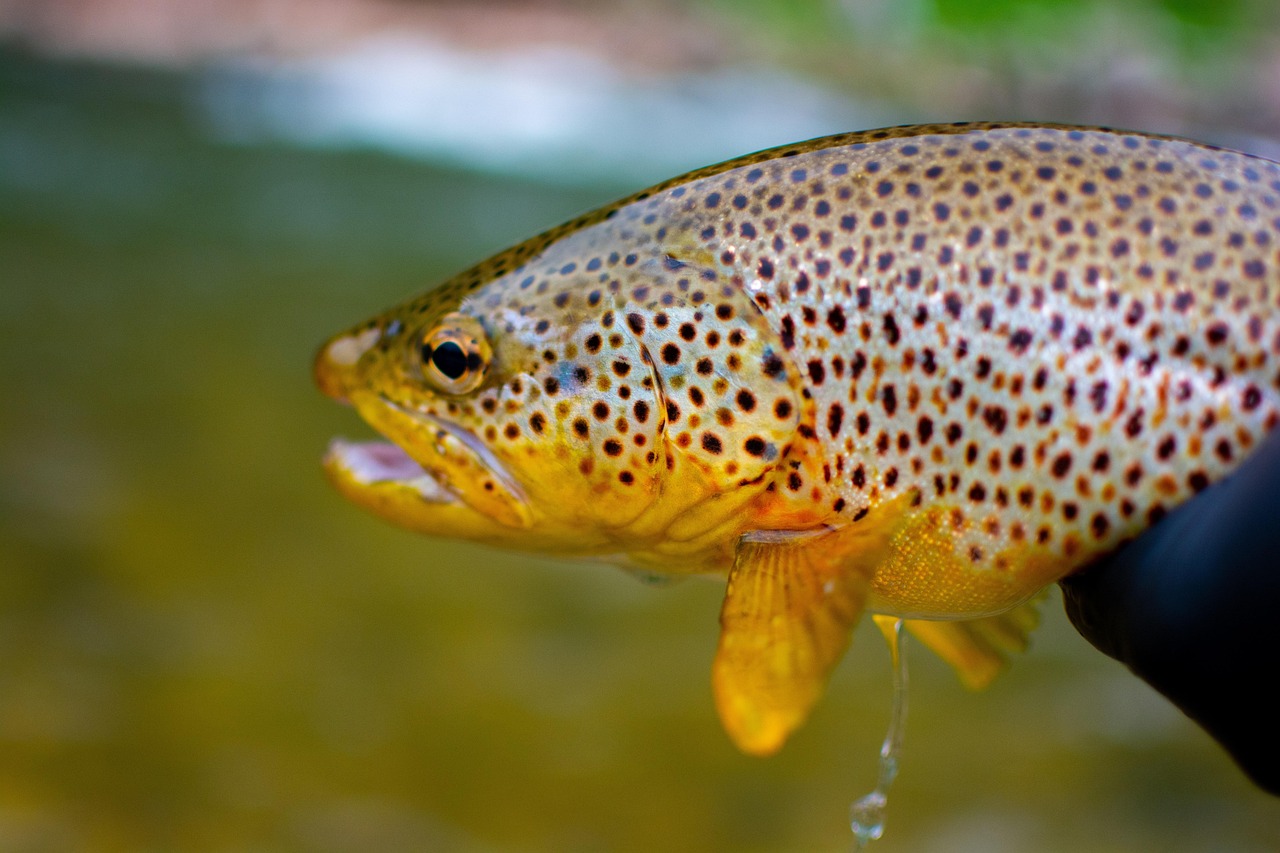
Finally, anglers should respect the trout population and the fishing season itself. During winter, trout fight less and take more time to recover from being caught by anglers.
Therefore, anglers should land the trout quickly and gently. Additionally, they should never fish in the spawning areas for trout even if the trout are chasing the flies. One careless angler can stress the trout population in a certain area of the river for several days.
After anglers finish fishing during the golden hours of dusk, when the sun sets behind the Rocky Mountains and trout are resting, they will understand how these dedicated anglers never cease to fish for trout in the winter months when the calendar says it is winter. The rivers in Colorado remain among the most well-kept secrets of the world. However, one of the best ways to hear the secrets that these trout tell is to stand alone in the cold air and listen to them while winter blankets the mountains in snow.
The mountains remain open for winter months. However, anglers must prepare their equipment and themselves appropriately for these winter months. When anglers do prepare themselves and their gear for winter months into the mountains, they will find some of the quiet rivers in the state brimming with fish that will rise to any presented fly.
Therefore, take a deep breath, put on the heaviest coat, tie on a tiny midge fly, and see the results for themselves.