
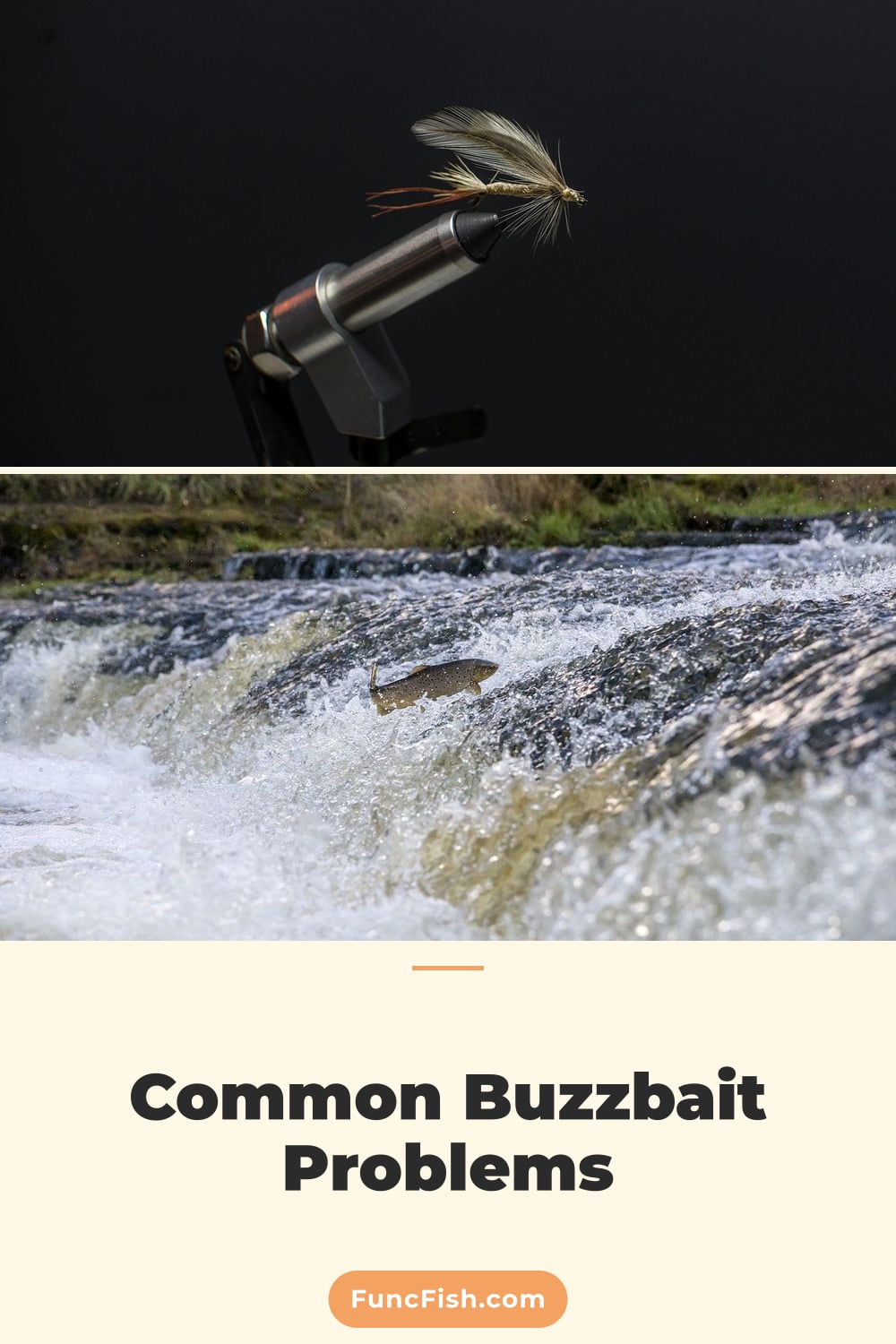
The bass is angry. A loud bait like this buzzbait aggravates wary bass. That’s why they run from it.
It screams through the water with blade vibrations as the skirt churns up a bubble bath, and they know it’s not easily eaten. Often they hate it. But we still throw it around.
And that’s what gets those reaction strikes from fish that won’t touch anything else. It makes them bite when you can’t get a bite otherwise. Soft plastics are one thing, but a buzzbait is another animal altogether.
It’s anything but finesse fishing. It has very little margin for error. The only reason they was going to bite it was due to that big ol’ buzzbait coming down their throat.
Maybe you’re walking it around some of that cover and they’re just watching from afar. Let’s get into what environmental factors and mechanics makes it fail. Anglers make several common mistakes when attempting to catch bass on buzzbaits.
Everything from incorrect lures to line selection hinders success. Once corrected, an awful day of fishing will become one where you catch your limit. Number one is reeling the bait too fast.
Common Buzzbait Mistakes Anglers Make
1. Reeling the bait too fast
The theory that faster means more vibration doesn’t apply to buzzbaits. The idea is for blade to be at the top of water. When reeled in too fast it will skip or go under the water.
When buzzbaits goes underwater, they act like silent spinnerbaits and lose their appeal. Keep it pulling slowly enough that the blade is lying flat on the water. You’re looking for naturaly-looking action.
Fish have to find it before they commit to attacking it. Another common error: Line. Many people use monofilament.
2. Using monofilament line
What’s wrong with that? It floats and as you know, the line lays on top off the water next to the lure. As the bass inhales your vibrating blade, it also see the white line attached to it.
That gives it a visual cue which often spooks the fish before it has time to commit. Remember, they’re sensing that there’s a connection between the prey and the predator. Fluorocarbon takes care of that issue because material will sink and almost dissapears.
The few extra dollars isn’t much compared to the increase in bites. Let the fish see the lure, not the line. The skirt weight makes all the difference in the action.
3. Skirt weight selection
The heavier the skirt the more it drags the blade down on the retrieve. It will put the bait down further and decrease amount of commotion it has on top where the bass really focus on it. You have to use more energy to keep up with a heavier bait and therefore the vibration isn’t as consistent.
With a lighter skirt the blade comes up and cuts through the top of the water easy. The bait doesn’t sink as far so it have a wider wash. Lighter skirts also let you fish shallower cover such as lily pads with better control.
Durability matters, but it shouldn’t stop the bait from working right. Bright sunlight is generally not good for fishing out in the open. Because buzzbaits mimic fleeing prey, it’s better to do so around cover with limited visibility.
4. Fishing around cover

Bass can see the lure coming from a distance and identify it as an artificial object when water is clear and open. That takes away the element of surprise. Get the bait back under some heavy vegetation or around a wood pile.
Both offer visual barriers that break up sight lines and hide your line until very end. The sound travels easily over top but the bass’ eyes don’t see anything until too late. It’s this mismatch of senses that lead to explosive strikes.
The rod A fish is hard to fight if the action is incorrect. Lots of guys throw a big jig on a heavy-action rod. That will get a buzzbait out there, but it’s not sensitive enough to pick up a bite as well as it should of been.
5. Rod action and power
Not to mention you don’t have the backbone to really set the hook right. Those are huge treble hooks, and they will sink into mouth of a bass fast. You want something balanced like a medium-heavy power rod with a more moderate-fast action.
This allows you to cast well, but it also has enough give to handle a bass shaking its head underwater without breaking it loose. When you can drive those hooks into the bass you’ll increase your catch rate. A poor choice of color for water conditions decreases visibility.
6. Lure color matching clarity
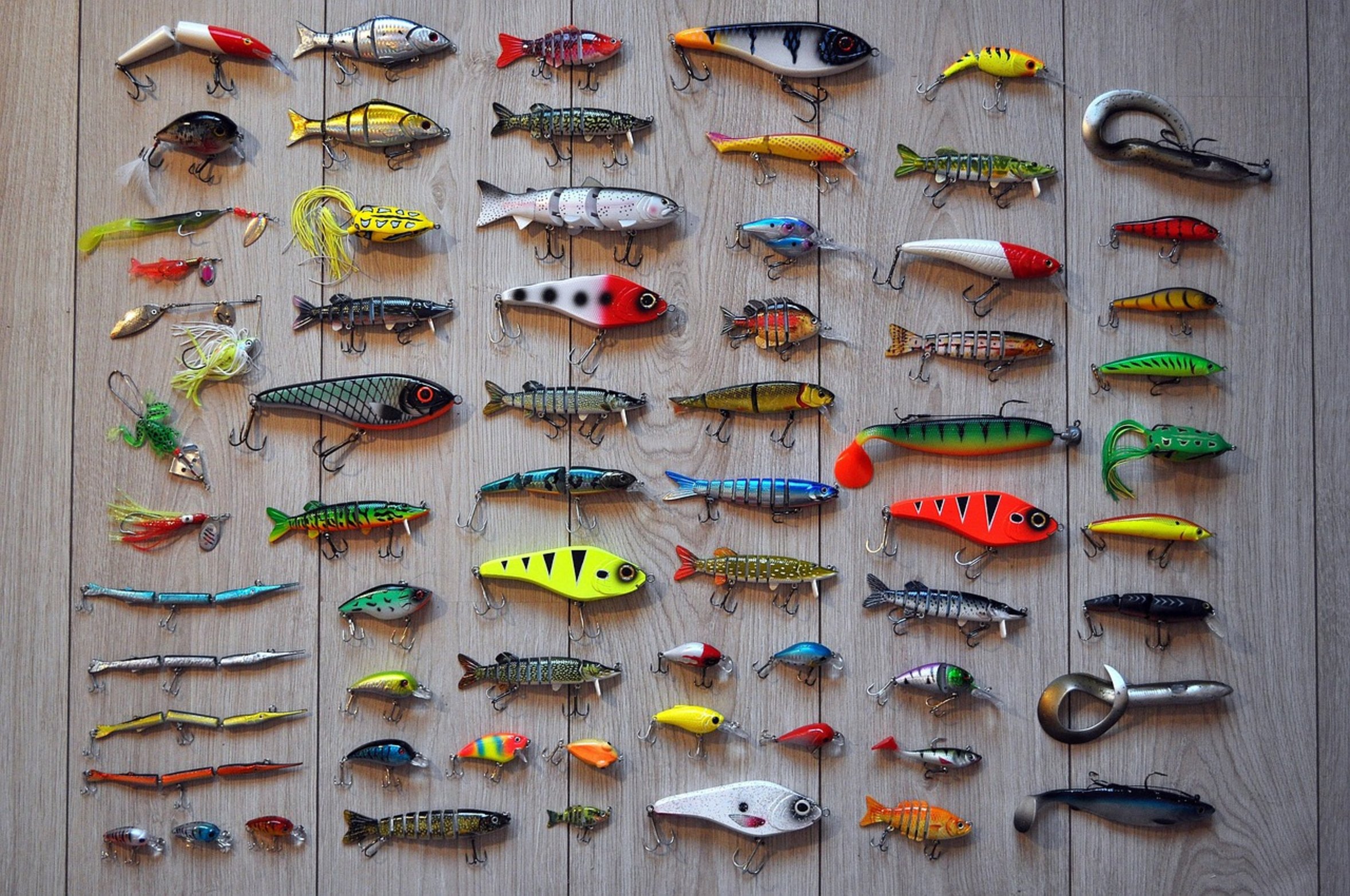
Use dark colors such as black and blue for muddy or stained water. These provide a high-contrast silhouette that’s easy for bass to spot amidst darker backgrounds with less light getting through. In crystal-clear water, dark lures sink into the shadows; use natural colors such as white, green pumpkin or chartreuse so the fish can follow your lure through its movements.
The goal is matching the visibility of the lure to the water clarity so the bass knows what it hears. It sounds silly, but many folks gets locked onto their “one good color” no matter what the water looks like. You miss many hookups if you do not flare the hooks out.
7. Flaring the hooks
Many buzzbait factory hooks overlap or point inward. This blocks the points from hooking a fish if it strikes while the hooks are covered by the plastic skirt fibers. Take a few minutes and use your pliers to very carefully flare out your hooks just enough where they stick out past the end of the skirt.
When a bass takes the bait into its mouth, the trebles will be free of any interference and bury themselves in fleshy parts of the mouth. It takes five minutes to correct, but it makes a difference every time you miss one because of hook placement. You lose bonus bites if you don’t stop the retrieve at the end.
8. Pausing at the end
The temptation is to reel it like crazy all the way back to the boat thinking the strike has to come when the lure is putting off a lot of action. Buzzbaits are known to get followed hard by bass; they may follow for a very long distance and wait for you to slow down. As you pause the bait, the blade stops and the skirt collapses ever so slightly.
This gives them an opportunity to think it’s vulnerable, which can trigger several strikes in those last few seconds when the lure slowly drifts past cover or simply sits motionless. Often, leaving your rod tip up and letting the bait settle will trigger that strike that was right under your nose a moment ago. Speed in the middle but patience at the end is equally important.