
Kayak fishing offers anglers a unique perspective of the water, but it can also create frustrations when something go wrong. From drifting off your fishing spot to uncomfortable paddling positions, understanding these potential headaches allow anglers to take steps to avoid them when on the water. Each of these issues can ruin an otherwise good day on the water if ignored, but each issue has an easily find solution for kayak anglers.
The situations that commonly develop for kayak anglers include drifting, uncomfortable seating, limited storage space, kayak tracking issue, landing difficulties, rod management issues, capsizing, and kayak transportation issues. Each of these situations can make for a frustrating day on the water. However, they are all solvable to allow anglers to enjoy the activity to which they have dedicated there time.
Common Problems Faced by Kayak Anglers
1. Drifting Issues
Drifting is one of the first issues to come across when fishing from a kayak. The wind or the current in the water moving the kayak away from the fishing spot causes drifting. Kayaks are light and offer no resistance to the movement caused by these external element.
This can be frustrating when anglers have traveled to the spot they wanted to fish and are forced to drift away from there spot. The solution for drifting is to deploy a drift sock or an sea anchor from either the bow or stern of the kayak. The drift sock will create drag against the water and allow the kayak to move into the wind.
Many anglers also find success by deploying a rudder or skeg on the kayak. These add another element that resist the movement of the kayak in the water. By deploying these solutions, anglers can finally focus on their fishing spot instead of the effort required to fight drifting.
2. Uncomfortable Seating
Poor seating comfort is another of the top complaints from kayak anglers. Kayak seats are typically thin slabs of foam material that are wrapped in vinyl. These designs are focused on minimizing the weight of the kayak and the cost of manufacturing the kayak, not on creating a comfortable seating area for anglers who may sit in the same spot for eight hour.
The result of using these designs is that anglers can become uncomfortable after an hour of fishing and potentially after three hours of continuous use. Anglers can solve this issue by acquiring an adjustable raised seat. These seats allow for different angle of the back to be supported and allow anglers to adjust the height of their seat.
These solutions provide better support for the back and legs and allow anglers to remain comfortable during longer fishing trips.
3. Limited Storage Space
Limited storage space can quickly become a frustration for anglers who have to manage numerous fishing rod and other fishing gear on there kayak. Kayak decks are small pieces of equipment and have limited space for anglers to store there gear.
This can quickly lead to problems in securing their fishing rods and can make it difficult to land their caught fish. Several storage solution involve the use of deck bags, under-seat crate, and rod holders to secure the gear in these kayaks. Bungee cord can also be used to secure the items that are essential to the kayak but do not require water exposure.
By using these solutions, anglers will no longer have to deal with the frustration of losing rods to the water or fish to the passenger.
4. Kayak Tracking Problems
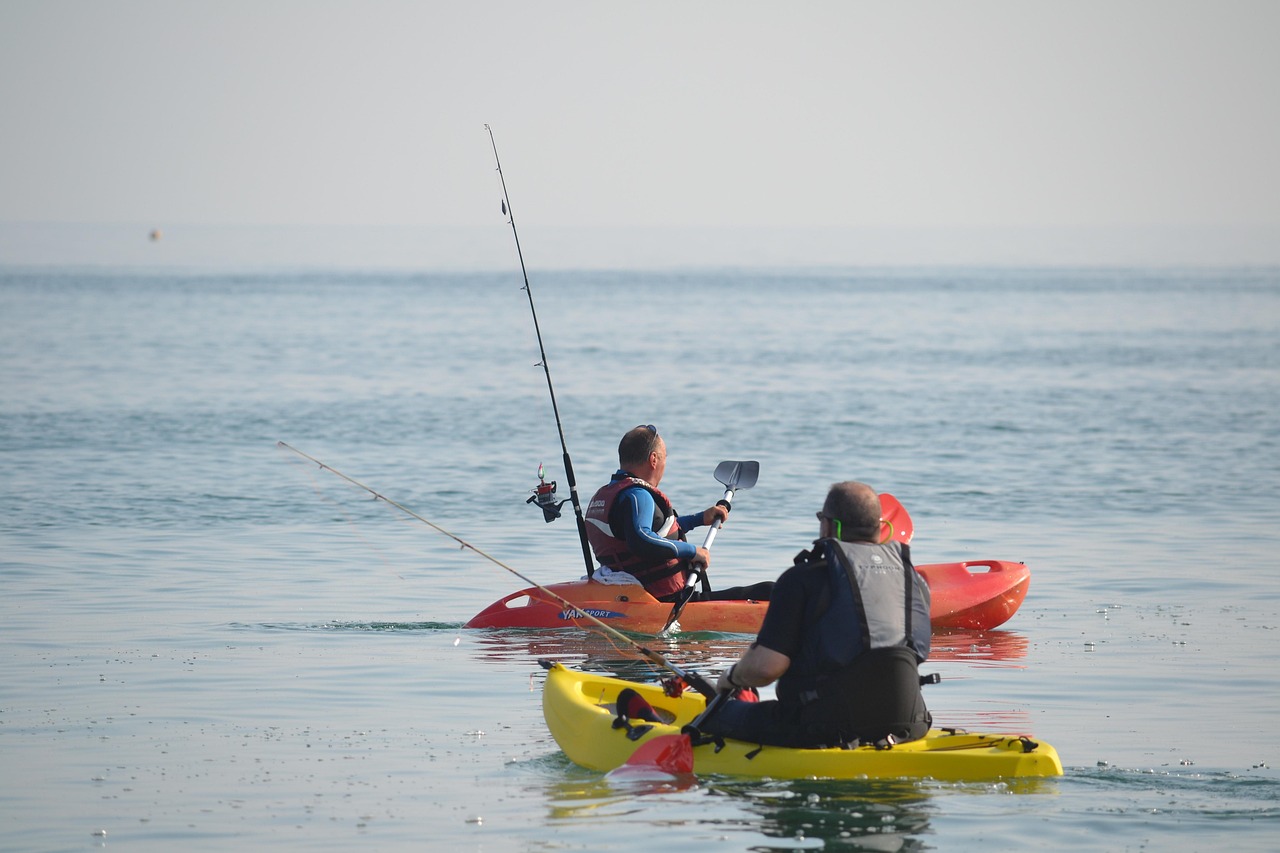
Kayak tracking problems can develop if the kayak refuse to track in one direction. Anglers may push to the left with one paddle stroke and then have to correct with the other paddle.
This wasted energy can affect other aspect of the fishing trip. An uneven distribution of the angler’s weight on the kayak or because the kayak was manufactured with a hull that is meant for maneuverability, not for tracking in one direction typically causes this problem. Adding a rudder or skeg to the kayak can solve these problems.
Anglers can also experiment with the position of their feet within the kayak or redistribute their weight for even betterer tracking.
5. Launching and Landing Difficulties
Launching and landing on the kayak on less-than-perfect conditions is an issue that can quickly develop into an awkward comedy routine for the angler. Many kayaking area feature various types of steep banks, mud areas, or areas with small waves.
These features make it difficult to load the kayak and potentially force the angler to take a swim. Additionally, when first time anglers first encounter these situations, they may struggle with the launch and landing position. They may find themselves straddling the kayak while on dry land but fall off when they shift their weight.
However, practicing on flat area can help to estalish the muscle memory required to successfully launch and land on the kayak. Anglers should start by sitting on the kayak with both feet on the water’s bottom. Then, practicing swinging one leg at a time will help to develop the proper muscle memory to launch without taking a swim.
6. Rod Management Problems
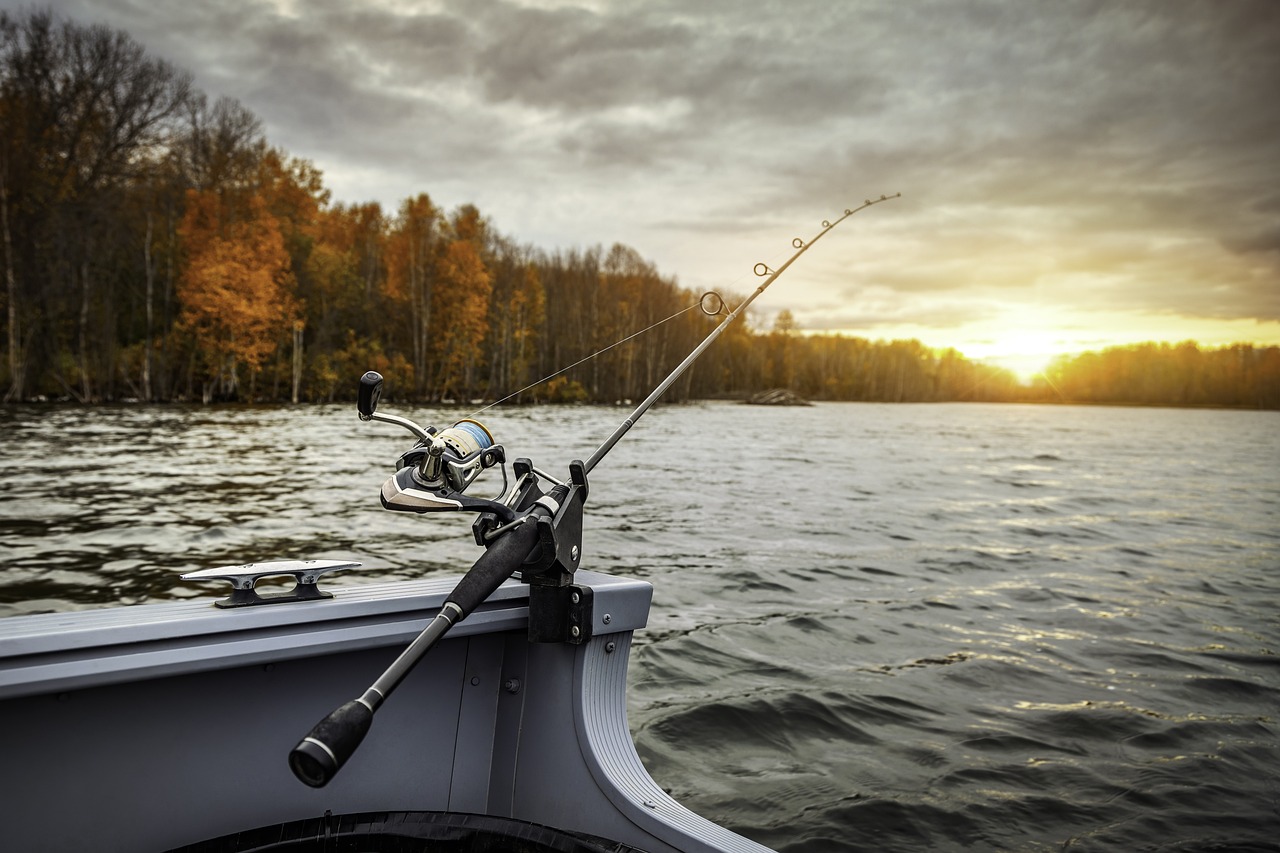
Rod management problems are created because all fishing action must happen from a seated position just inches above the water’s surface. This can create problems with longer rods that may catch on bushes behind the angler or shorter rods that do not provide enough leverage to securely land the larger fish. Anglers also have to deal with the problems of securing rods while fighting a fish on the line.
To avoid these problems, using multiple rod holders of various height to accommodate each angler’s personal fishing rods can solve most of these problems. Some fishermen will also utilize leashes to secure each rod in place so it cannot escape when the fish is yanked.
7. Capsizing
Capsizing kayaks is a problem that all new kayakers are made aware of but which many anglers ignore until it becomes a problem.
Stability is an attribute of kayaks that is required for balance when netting a fish. However, capsizing can happen in rough water or if an angler leans too far into their catch. Once the kayak has capsized and the angler has entered the water, getting back onto the kayak can seem impossible.
This can cause the angler to feel panicked about the situation. However, by learning the self-rescue technique for kayaks before encountering rough waters, anglers can avoid these situations. By learning how to flip the kayak to drain the water, approach from the side, and kick and pull the body across the kayak seat, anglers can master getting back onto the kayak.
Additionally, a paddle float or dry bag can assist in stabilizing the kayak during this recovery process. By practicing this process in calm waters, kayakers will no longer experience the terror of capsizing.
8. Transporting and Storing Kayaks
Finally, transporting and storing the kayak can be problematic. Kayaks are bulky and take up alot of space. If an angler purchases a single kayak, it can take up a lot of space within a garage or truck bed. Additionally, kayaks can be awkward to move when an angler is alone.
To avoid these problems, anglers can use a variety of kayak transportation aids such as roof racks, bale carts with inflatable wheels, or even dedicated storage hoists. Teams of friends can also make the transportation of kayaks easier, or anglers can opt for kayaks that are manufactured with less overall weight so as to save effort in transporting and storing the kayak. These problems might sound frustrating and discouraging to many anglers.
However, these issues are the very reason that many people fall in love with kayak fishing. Each problem that an angler solves makes them more confident in their kayaking abilities. The next time the wind is blowing at your fishing spot or your back starts to hurt from prolonged fishing, remember that every experienced kayaker has been in your shoes.
With a few easy modification to there kayaking experience, anglers can transform these frustrations into nothing more than brief detours on their trips to the water.