
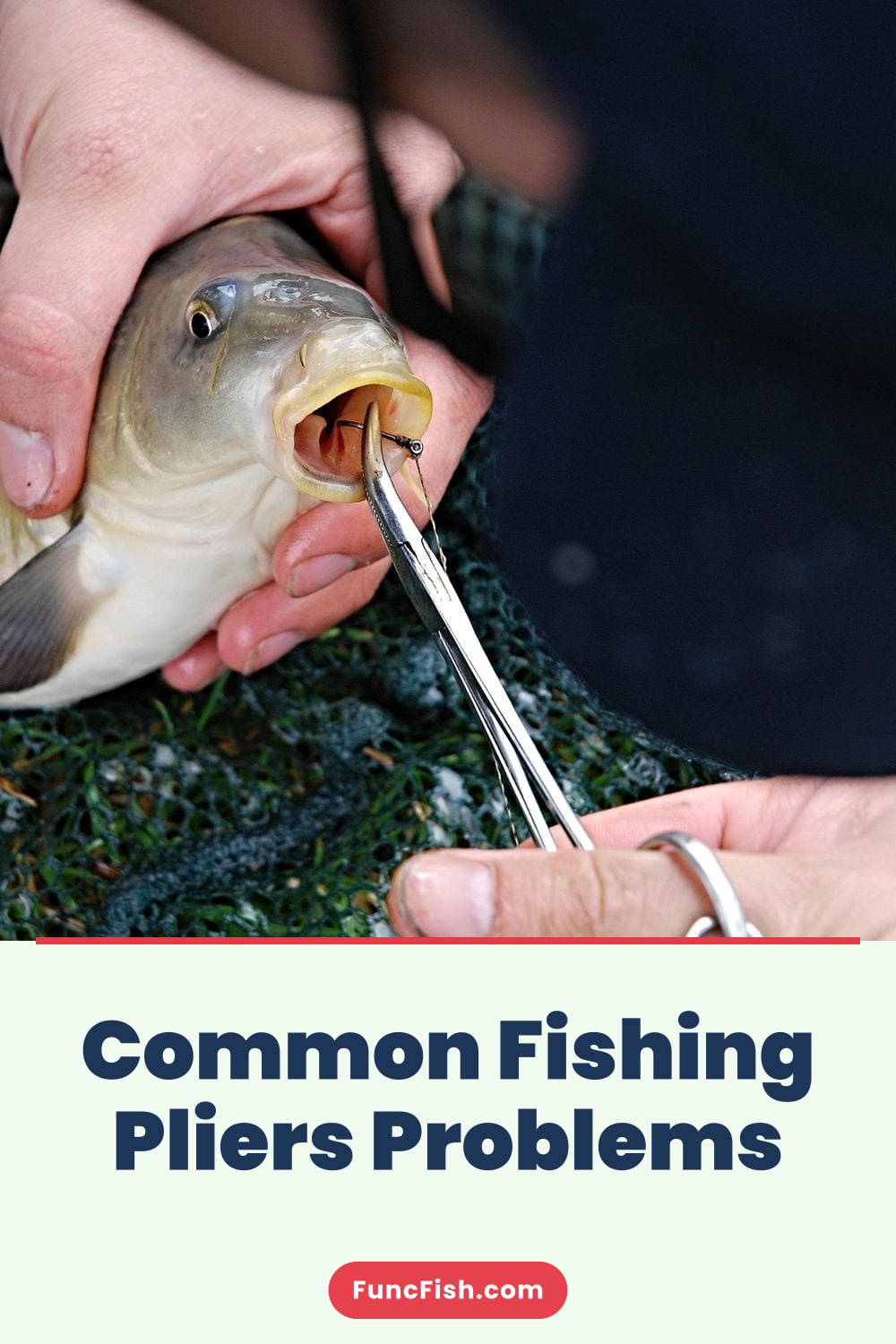
Fishing pliers may seem like simple tool that can be used by all anglers when they are fishing for different species of fish. However, fishing pliers become problematic in the instance in which they dont perform in the way that anglors intended for them to function. For example, when attempting to use fishing pliers to remove a hook from a fish like a bass, the tool may slip from the fish’s mouth or it may pinch the angler’s finger.
Additionally, fishing pliers may not be strong enough to effectively cut the braided fishing line that some anglers use when they are fishing. These frustrations with fishing pliers are common experiences for many anglers but typically have a few common cause. Many anglors will take fishing pliers of any make or model from the fishing shop without considering the type of tasks that the fishing pliers will have to perform while fishing.
This particular setup work for a while, but eventually, the fishing pliers will fail. Knowing how to avoid the following problems will save anglors time, money, and from pain caused from these tools.
Common Problems With Your Fishing Pliers
1. Development of Rust
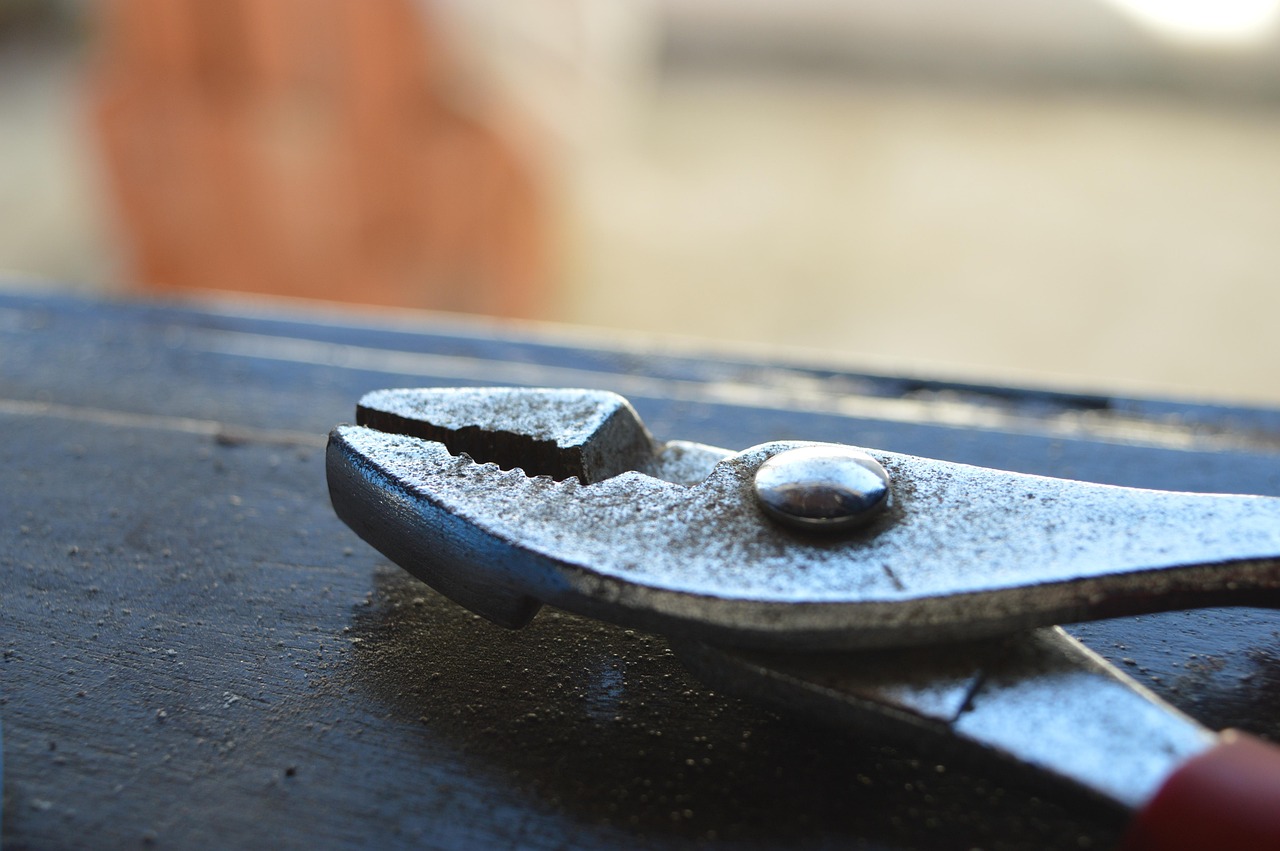
One of the most common problems with fishing pliers is that they develops rust.
Anglers who fish in the oceans will experience the development of rust on their pliers the fastest. However, those who only fish in freshwater will eventually encounter orange flakes on their pliers after a few week of neglecting their tools. The metal that the pliers are made of oxidizes due to the amount of moisture that gets trapped in the fishing pliers.
When anglors first notice that their pliers are developing rust, they will notice that the jaws of the pliers do not meet flush with each other when closing the tool. This could mean that if anglors used to be able to open their pliers and grip a split shot perfectly, they may now find that the pliers will not fully close in on their target object. To avoid this problem, anglors should rinse their pliers in fresh water after each fishing trip and apply a light coat of oil to the pivot of the tool.
Many anglors will neglect this task until their fishing pliers become impossible to fix when they encounter rust on the tools.
2. Wear on the Jaws
The second of the most common problems with fishing pliers is the wear on the jaws of the pliers. After anglors use the pliers for many tasks over the course of a few seasons, the serrated teeth on the pliers will wear down to the point where they are no longer effective for tasks like cutting.
This type of wear occurs due to the fact that anglors use their pliers for many different tasks, such as removing hooks from fish, cutting fishing wire, and removing hooks from other carnivorous fish like pike. When the teeth on the pliers begin to wear down to the point that their bite on their target objects is lost, anglors will begin to crush their soft plastic bait or even damage the fish hooks that they attempt to remove. One solution to this problem for anglors who use fishing pliers frequently is to use pliers that has replaceable jaw inserts.
Additionally, anglors can simply rotate the use of their pliers to avoid wearing down any particular set of pliers. Although this may seem like an overkill method of avoiding worn pliers, many tournament anglors will use different pairs of pliers during a fight between themselves and a particularly large fish.
3. Cutting Edge Failure
The third of the most common problems with fishing pliers is the failure of the cutting edge of the pliers to effectively perform the task that is required of the tool.
For instance, anglors may have successfully set their line’s hook on a muskie and battled the fish to the boat. However, they may discover that their pliers are unable to successfully remove the hook from the muskie. There are two main causes of this cutting edge failure.
The first is that the cutting edge of the pliers has rolled over due to attempting to cut the wrong type of material with the pliers. The second of these causes is due to the cutting edge of the pliers becoming dulled from continually use the pliers to cut braided fishing lines. The cutting edges of pliers are typically made of metal that is hardened to allow for the pliers to cut specific types of fishing lines.
However, braided fishing lines are especially abrasive to these cutting edges. Anglers who battle many fish with braided fishing lines will find that the cutting edges of their pliers get worn down quickly due to the abrasiveness of these lines. To avoid this problem, anglors can keep a diamond sharpening rod in their fishing kits to maintain the cutting edges of their pliers between fishing trips.
Using the sharpening rod will provide the anglor with a dramatic difference in the sharpness of their pliers.
4. Spring Tension Failure
The fourth of the most common problems with fishing pliers is the spring tension of the pliers failing. Many models of fishing pliers depend upon the spring tension of a small spring to open the pliers after the angler squeezes the pliers’ handles.
However, over time, the spring develops a stretch in its tension or it may pop out of the pliers altogether. Both of these scenarios will leave anglors with pliers that either do not open or that remain loosely. If the spring tension of the pliers fails, anglors will find themselves battling with their pliers as they attempt to remove the hook from the fish.
Some experienced anglors prefer to avoid this problem by using pliers that do not use a spring tension system. Instead, they use a flick of the wrist to open their pliers. Additionally, anglors can purchase spare fishing pliers springs so that should one spring fail, they can simply replace it in the pliers in thirty seconds flat.
These two methods of avoiding spring tension failure are better than the frustration that the anglor will experience in the event that the spring develops a failure of its own.
5. Degradation of Handle Grip
The fifth problem with fishing pliers is the degradation of the handle grip of the pliers. This problem typically develops for anglors who fish in the cold weather seasons or in areas where the anglor’s hands becomes numb from the water.
The rubber or plastic grip on the handle of the pliers will crack over time due to the sun and water exposure. Eventually, the plastic will flake off the pliers until the angler is gripping the bare metal of their pliers. Due to this metal becoming either cold or slippery when wet, many anglors feel discomfort when gripping their pliers with this exposed metal.
This problem is essential because anglors need to be able to hold on to the pliers effectively. If the angler drops their pliers into the water while battling a fish or if they apply the incorrect amount of pressure to the pliers with their numb hands, all of their efforts to remove the hook will be frustrated. Anglers should seek out pliers whose grips are molded to the metal of the pliers instead of those that have glued-on grips to their pliers.
The molded grips will last the anglor longer and endure more uses than the glued on plastic and rubber grips.
6. Mismatch Between Pliers and Fish Type
The sixth problem with fishing pliers is the potential for anglors to have a mismatch between their pliers and the type of fish that they are using them on. For instance, many freshwater anglors may use delicate needle-nose pliers for fish like smallmouth bass.
However, those anglors may head to the ocean and attempt to use those same pair of pliers for fish like bluefish or stripers. The strength of the pliers’ jaws will not be strong enough for these stronger ocean fish. The other way that this problem can manifest is for anglors who live in areas with only saltwater fish.
Anglers may bring their heavy-duty crimping pliers to a stream where fish like trout live. In this case, their pliers will not be able to easily remove the hooks from the smaller trout fish. To avoid this problem, anglors should match their pliers to the type of fishing that they perform.
The best anglors will own two pairs of pliers so that they can use one for finesse fishing with smaller fish and the other for use on stronger fish in situations of brute force.
7. Alignment of Jaws
The seventh problem that anglors may experience with their fishing pliers is the alignment of the pliers’ jaws. This problem typically develops very gradually over time.
Additionally, anglors may not notice that there is a problem with the alignment of their pliers until the pliers’ alignment causes anglors frustration while fishing. The jaws of fishing pliers will drift apart from each other over time with the opening and closing of the pliers. This misalignment of the cutting edge of the pliers may not cause the pliers to fall short with the ability to cut fishing line but will cause frustration when attempting to remove a hook from a fish.
This misalignment typically occurs with the loosening of the pivot screws on the pliers. Anglers typically do not think to tighten these screws until their pliers’ performance decline. Anglers can avoid this problem by performing a quick check of the alignment of the pliers with a small screwdriver before every fishing trip.
This fix will take anglors only ten seconds but save them from losing days to frustrated fishing trips.
8. Loss of Pliers
The eighth problem with fishing pliers is the loss of the pliers altogether. This problem is the most common with fishing pliers.
Anglers may lose their pliers in their pockets, their tackle boxes may lose their pliers, and the fish that they are angling for may lose them to the deep lakes where the fish live. However, the best anglors has a system in place to avoid losing their pliers. Anglers can keep their pliers secure in their possession by using a short lanyard to secure the pliers to their vest or belt loop.
Additionally, other anglors may use magnetic tool holders that are placed inside their fishing boat. These magnetic holders will hold the pliers in place with minimal frustration of the angler. Regardless of what system that anglors use to secure their pliers, the pliers are only helpful if they remain with the angler when the fish begin to battle the hook that is attached to the line.
If anglors can master these eight problems with fishing pliers, the irritations that anglors have with these tools will be transformed to dependability. The ability of anglors to remove the hook from the fish quickly or to struggle with the effort required will depend on the care that anglors have given to their pliers beforehand. The next time anglors go fishing, they should take a moment to inspect their pliers with fresh eyes.
By taking a few moment to inspect and properly care for their fishing pliers, anglors will begin to appreciate their tools and experience fewer frustrations when battling their catch of the day.