

For instance, fluorocarbon is an oddball in fishing; it’s fast sinking with no visibility underwater. So it performs well on wary fish and in clear water. But it’s stiffer than braid, pricier and prone to breaking with rough handling.
Most anglers view fluoro as a one-size-fits-all solution, but its certain characteristics actualy require specific treatment. Fluoro does what it do. It soaks up water over time, increasing in diameter but reducing in strength.
The material is denser than nylon, resulting in increased sensitivity but also the chance for memory coiling. All of this results in different problems compared to braids or monofilament. Knowing these oddities lets you cast confidently instead of out of frustration.
Six Common Fluorocarbon Line Problems and Fixes
1. Minimizing Memory Coil
One major factor with fluorocarbon performance is memory coil, which is the line’s tendency to revert back to its initial shape when packaged on factory spool. As the line is reeled in, this tension develops and forms loops in the line. The loop then become a stress point where the line will snap under pressure much more easy than if it were a straight piece of line.
You can minimize memory by using larger spools for longer storage periods. Also cutting line off the spool rather than pulling it out between your finger assists in keeping those polymer molecules relaxed.
2. Securing Knot Strength
The other issue is knot strength; fluorocarbon has a waxier feel and doesn’t hold onto itself very well when subjected to friction.
If you don’t cinch your knot firmly enough, standard knots can slips out or even cut into the strands while fighting fish. Make sure to wet your knot prior to cinching down on it so the fibers slide into place without creating any heat which will melt out some of the material. Improved clinch and Palomar knots help spread the load better, though a weak knot can still turn a five-pound test line into one that fail at two pounds.
3. Protecting Against UV Damage

Fluorocarbon loses strength quicker from UV rays compared to both braid and nylon line due to its chemical makeup. That means prolonged ultraviolet light exposure will make fluorocarbon brittle with time. Although you may not notice any physical change, something’s going on internally that’ll eventually cause it to break when put under strain.
Whether the line is stored in a tackle box or sitting on your reel, it will still degrade. Keep extra spools of fluoro in dark bags to make them last as long as possible and be sure to discard old line at least once a year if it’s exposed to lots of sun.
4. Managing Shock Absorption
Fluorocarbon has less stretch, which give more sensitivity to light bites and better hook setting ability.
But the absence of stretch also passes all shock directly onto eyelet and knot… More failure points when a fish make a hard run. For anglers fishing shallow cover, bass tend to be suspended near the top; thus they’ll return to mono for its cushioning action to absorb shock spikes that will pop off a rigid fluorocarbon leader.
Your decision hinges on structure and targeted species. In open water, where you trade sensitivity for more forgiveness, it isn’t as critical.
5. Dealing with Water Absorption
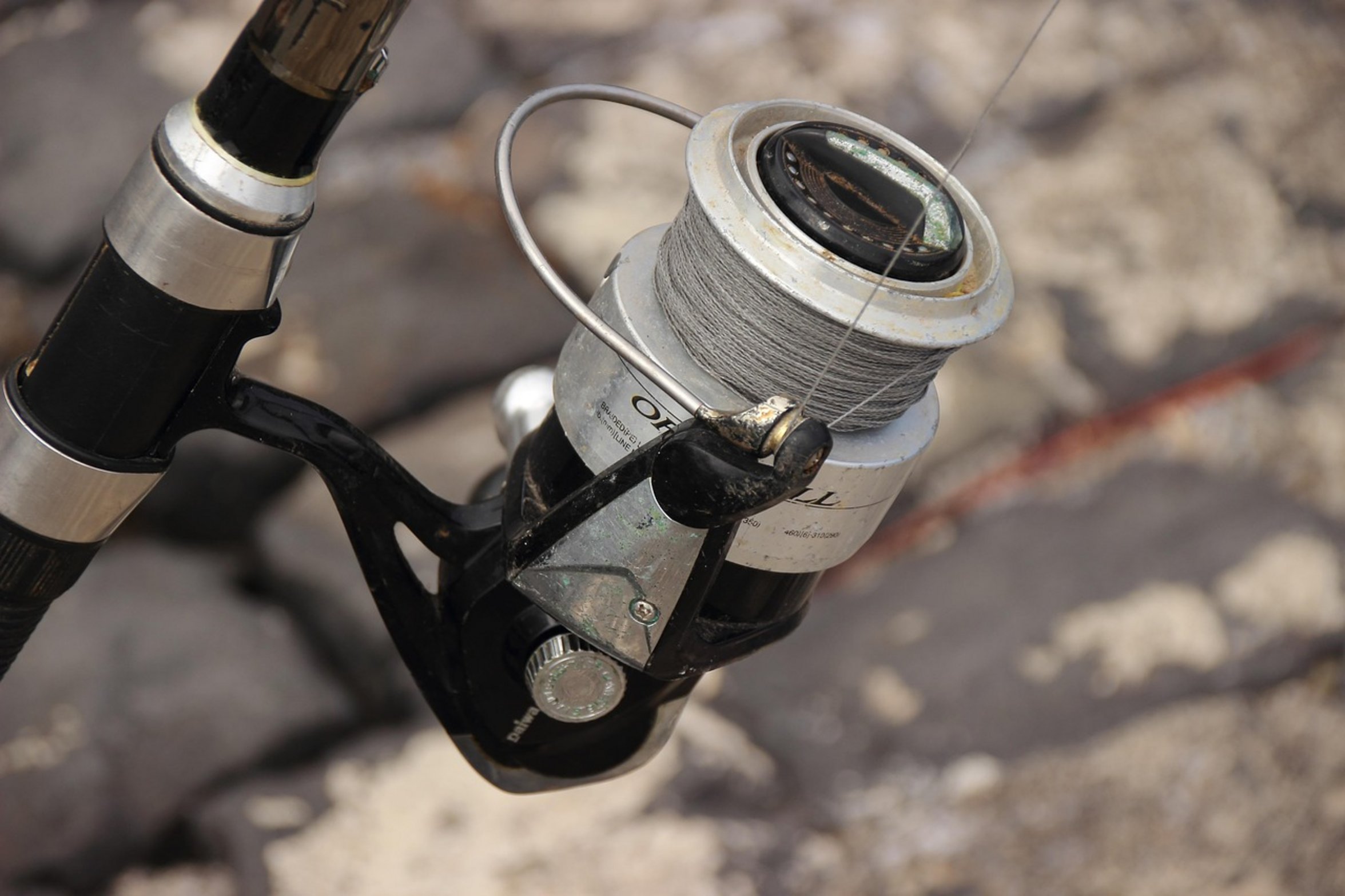
So not only is your line going to lose some of that tensile strength but it will absorb some water from the lake as well.
The absorbed water makes the line thicker and heavier. Not a huge deal, but it will slow down your lure on a cast. So you may find your casts aren’t quite as long after fishing heavy on the same line.
That being said, rinsing your line off with clean water between trips will help delay the loss of strength although it won’t actualy reverse the absorption.
6. Preventing Winter Tangling
Memory and stiffness can cause more tangling with fluoro as well, particularly in colder water where the polymer stiffens up. The line won’t sit flat on your spool; instead, it fights against itself and causes wind knots.
Putting a backing on it solve the capacity problem while keeping your sensitivity intact at the top of the line. It’s important to be patient with this stuff and make smooth adjustments to your drag throughout the fight, which will also prevent abrupt stops that makes tangles worse.