
Fishing hooks sometimes have too great an effectiveness in carrying out their function. Anglers may successfully place a hook in the mouth of their caught fish, but often struggle to remove the hook from the fish. Whether anglers are catching bluegill from a farm pond or fighting a bass in heavy cover, hook removal problems is a frustrating occurrence for most anglers.
Each of these problems impact the angler, the fish, and their companions who may be fishing that same area for similar fish. The good news for anglers is that most of the problems associated with hook removal can be avoided altogether with the recognition of the causes of each of those problems. By understanding how to avoid each problem, anglers can avoid becoming frustrated with the fishing process and can maintain there focus on fishing for those fish.
Common Problems With Removing Fishing Hooks
1. Barbed Fishing Hooks
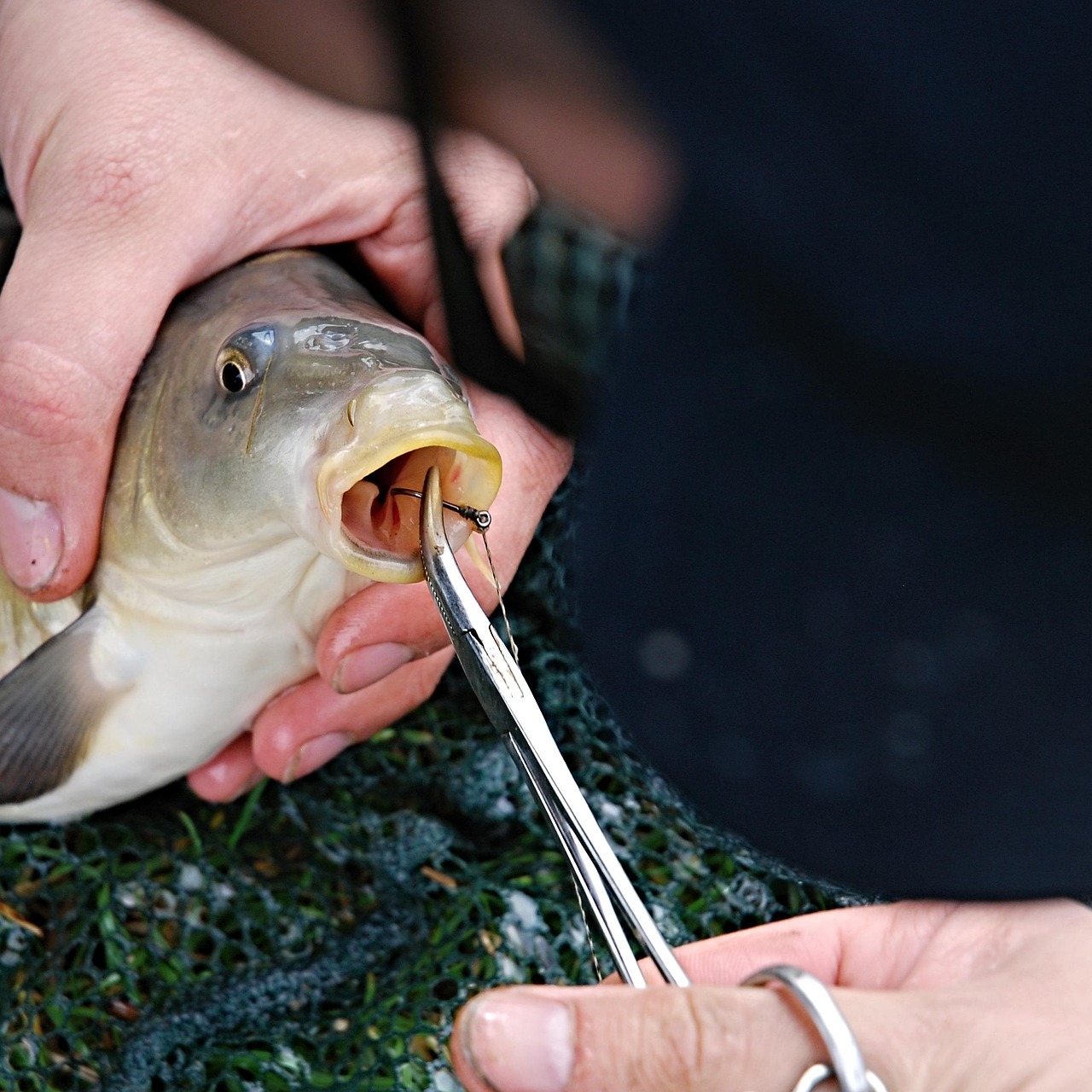
Barbed fishing hooks are the most common problem with hook removal. The barbs that are created on most fishing hooks is used to ensure that the hook cannot slide out of the fish once the hook is placed into the fish. However, if the angler is to remove the hook from the fish, the barbs work against the angler and can result in the fish bleed.
2. Barbed Treble Hooks
Barbed hooks are still common among freshwater anglers. Most anglers use barbed treble hooks when fishing with crankbaits, and many of the fish species that anglers target has teeth that may chew on the fishing line. However, instead of using barbed hooks, anglers can use long-nosed pliers or hook removers that push against the barb of the hook and allow the hook to be removed from the fish without excessive damage.
3. Barbless Hooks
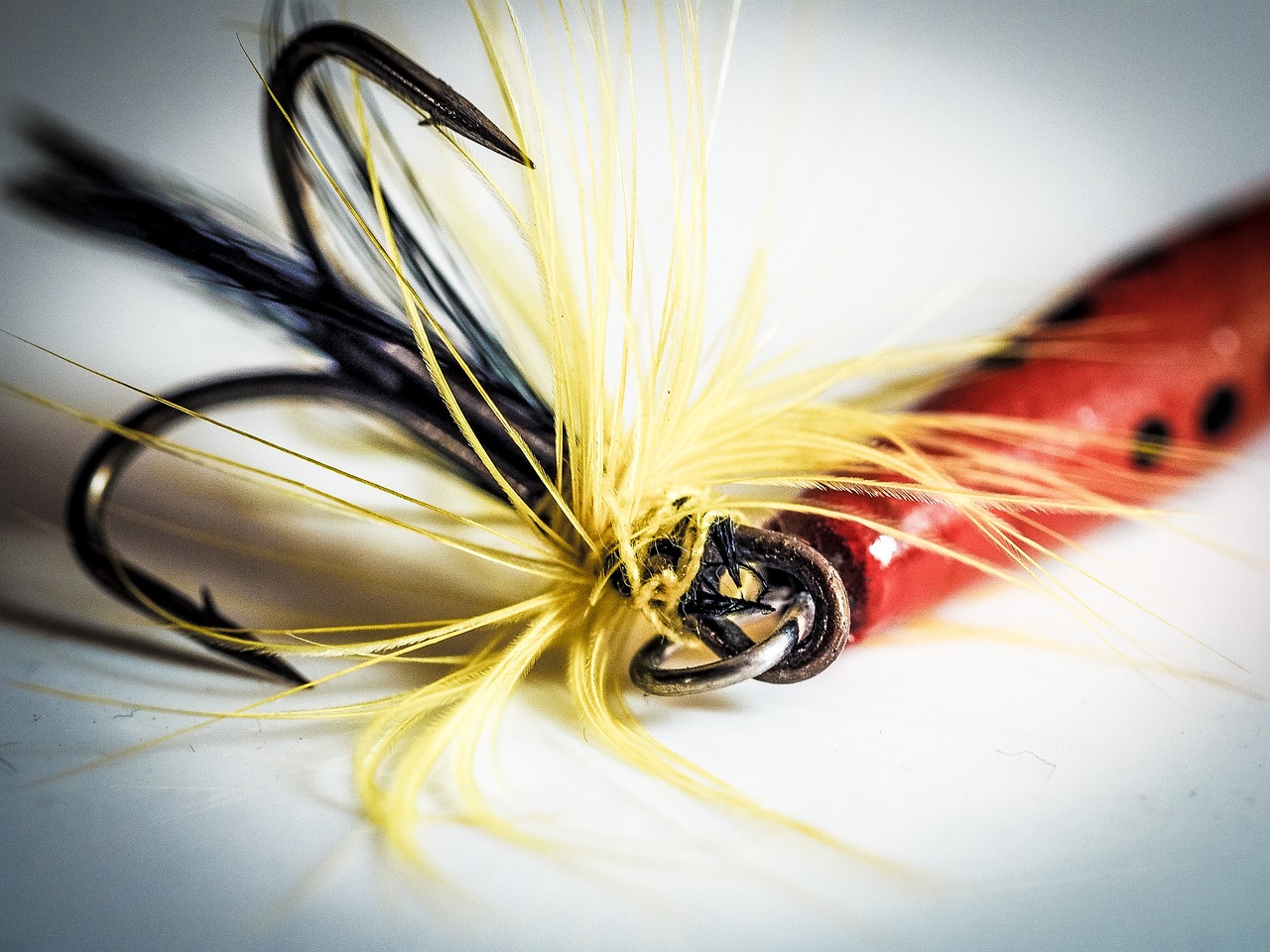
For anglers who fish in areas that require the release of their caught fish, or for anglers who target fish species with fragile mouths, the use of barbless hooks can eliminate this problem altogether. Anglers can create barbless hooks by simply crimping the barbs on existing hooks in about ten second. While the fish will still become hooked while being landed, the lack of barbs on the hook will cause the angler to simply have to twist the hook out of the fishs mouth.
4. Swallowed Hooks
Fish that have a tendency to swallow their bait can develop issues with hooks that disappears past the gills of the fish. For these situations, anglers can use pair of scissors or hook cutters to cut the fishing line close to the hook. The hooks located in the stomach of the fish cause less concern for the survival of the fish than if the hook is removed from the gill plate.
Some of these hook cutters have long shafts and a loop at the end of the shafts that allow the hook to be rotated out of the fish without causing further damage to the fish. To learn how to properly use these tools, anglers will have to practice using the wrist motions that are necessary to rotate the hook out of the mouth of the fish.
5. Circle Hooks
To avoid the problems associated with swallowed hooks, anglers can use circle hooks instead of J-hooks. Competitions have required circle hooks for live bait fishing due to the fact that they reduce the chance of deep hooking of the fish. However, the tradeoff for the use of circle hooks is that the fish must be allowed to run once they are hooked rather than using the technique of slamming the rod to set the hook into the fish.
6. Single Hooks
Treble hooks are a problem for anglers because the complications of three hooks as opposed to one can cause problems for the angler. Most manufacturers place treble hooks on crankbaits and topwater lures to increase the chances of catching fish. However, when the fish become excited when the lure hooks them, the treble hooks can become embedded into the fish in different angle. For anglers who use treble hooks for catch and release fishing, the factory treble hooks can be replaced with single hooks.
Using these single hooks will allow for more distance to be cast with the lure, fewer snags on cover, and it will make it easier to remove the hook from the fish. Small sized hooks may seem like they will not become a problem for the angler. However, if anglers use the small sized hooks to catch panfish and trout, the hooks will pass through the skin of the angler’s hand with little resistance.
7. Hooks Embedded in Hands
However, the small hooks will catch on the angler’s hand when attempting to remove the hook. If a hook is embedded in the angler’s hand, the proper way to remove the hook is to push forward on the hook until the point of the hook exits the skin. The angler can cut the barb of the hook with wire cutters and the angler can push the hook backwards through the original hole in the skin.
This is less traumatic for the angler’s hand than the alternative of attempting to remove the hook against its barb. Anglers who use lures with multiple hooks will eventually require eye protection. A backcast that does not go as planned can embed a hook into the angler’s scalp or eye.
An emergency room visit caused by a hook embedded into the eye or scalp will teach anglers more about hook removal than any article could teach them. Anglers will also experience problems caused by knots or snags in the fishing line. Monofilament fishing lines and fluorocarbon fishing lines can become wrapped around the eye of the hook.
8. Knots and Snags in Fishing Line
This is most common with light fishing lines and tiny hooks used to catch wary fish. In these situations, a pair of small scissors or hook cutters will remove the line from the fishs mouth. Losing six inches of fishing line is less of a problem than the time saved from using the scissors.
For those anglers who are uncomfortable with cutting the fishing line with scissors, a bottle of knot-loosening lubricant will assist the angler in removing the hook from the fish’s mouth. However, the lubricant will not work as well as the commercials for the lubricant suggest. For anglers who catch larger predatory fish species with teeth, additional tools will be required to remove the hook from the fish.
9. Predatory Fish with Teeth
Pike, muskie and numerous species of saltwater fish will bite through the fishing line and may injury the angler who is not careful around these fish species. Jaw spreaders and long handed hook removal tools allow the angler to remove the hook from the fish without having to come into contact with the teeth of the fish. Cut-resistant gloves will also be required to catch these fish species.
While the additional tools may seem cumbersome for anglers to have in their fishing trip, these tools will be necessary when dealing with the thirty-inch northern fish that may shake its head at the angler’s fingers. For most of the problems associated with the placement and removal of fishing hooks, the biggest mistake that anglers will make is that they will rush the process. Anglers’ adrenaline rush from the catch of a good fish will cause them to rush the release of the fish back into the water.
However, taking the time to slow the process for thirty seconds will allow the angler to reduce the time it takes to complete the process of removing the hook. Additionally, the angler and the fish will be in better condition if the process is completed at a slower pace. The proper tools will make a huge difference in the hook removal process.
10. High Quality Tools
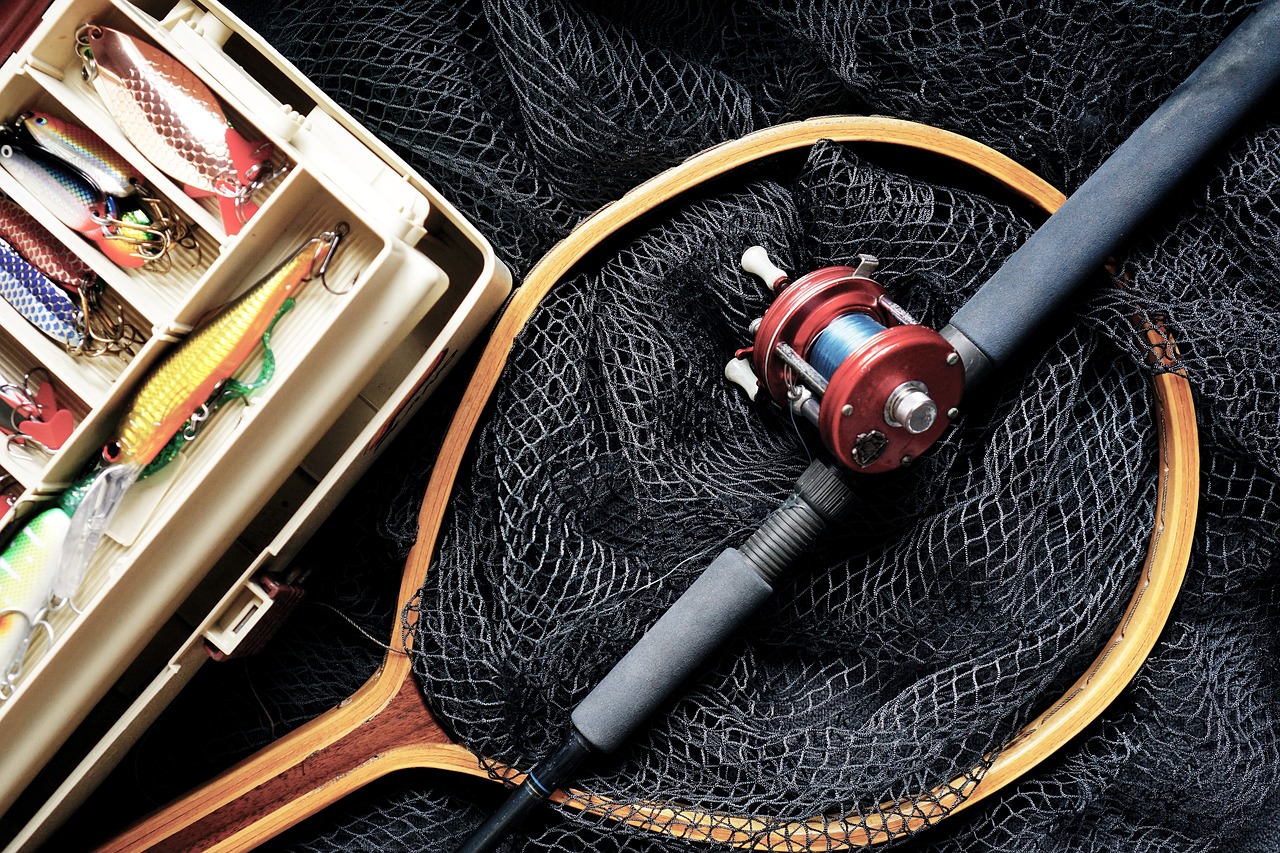
Cheap needle-nose pliers from a local hardware store will slip when attempting to remove a hook from a fish. Anglers would of been wise to invest in quality pliers, forceps and a hook remover. Each of these tools will pay for itself after a few fishing trips with the fish.
Fish will eventually swallow the hook and the angler will have to make a decision about how to handle the situation. For these situations, the angler will have to use scissors to cut the line and sacrifice the hook that is attached to the fish. The moddern hook is constructed in a way that it will corrode over time.
Studies of the various species of fish have shown that the fish will have a high rate of survival when the hook remains in their digestive system. By sacrificing a hook, the angler ensures that the fish will survive and the angler will not have to worry about causing any damage to the fish. The fish will have to endure a small amount of discomfort compared to the alternative outcomes of the hook removal process.
By learning how to avoid the problems associated with hook removal, anglers will eventually find themselves able to avoid the problems altogether. Anglers will begin to anticipate the problems before they begin to develop. Anglers will also know the techniques that will minimize the problems associated with hook placement.
The angler will hit the fish with the net, release it from the hook and it will swim away in their natural environment, while the angler ties on another lure to continue fishing. The quick and clean release of the fish is rewarding for the angler. Not only will the angler have the pleasure of watching the fish jump out of the water, but the quick and clean release of the fish ensures that the angler will be able to continue fishing for their favorite species of fish.