
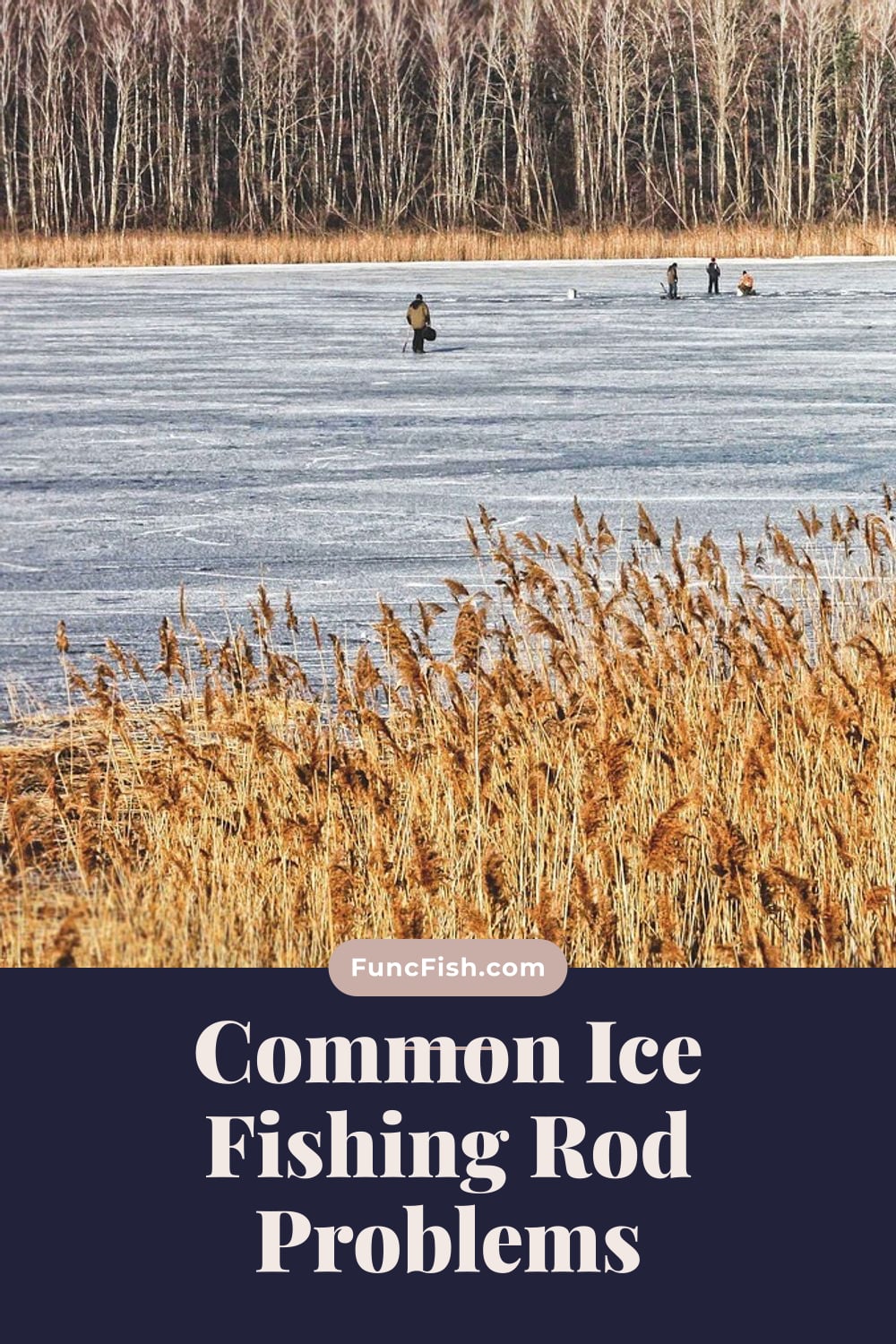
Ice fishing is about more than just being patient. It’s about testing your equipment too. You stand out in the cold on frozen water, even with layers of thick parkas against chattering teeth.
And then there’s your ice fishing rod. It is small and specially designed for ice, but it is left completely exposed to blistering cold. When a fish hits it has to do exactly what you need it to do.
In an instant that bite can be gone forever. If your equipment fails, it becomes a memory of frustration instead of a trophy. Ice conditions put special demands on your gear that a freshwater rod will never see.
Metals shrinks and plastic gets brittle in the cold. Water freezes instantly and locks everything in place. Because these are ice rods they’re small and tight, leaving no margin for error in the design.
All components need to play well together to pick up and transmit those subtle bites from wary fish hiding way down below the ice. Knowing about these common pitfalls will also equip you to have more fun fishing. You’ll know how to keep everything running smoothly and bring along the right gear.
The last thing you want is for your buddy to land a walleye on the end of his line, only to watch him spend precious time unraveling a mess you created with your own line. Knowing where problems start enables you to avoid them beforehand. Let’s begin with the issues that cause the most trouble in the water.
Common Ice Fishing Rod Problems And Solutions
1. Line Memory and Tangles
One of the more frustrating mechanical failures we experience on the ice is a stiff or frozen reel spool. Lubricants becomes thick and even hardened like paste in the cold. The result is the handle won’t turn evenly with drag, nor will the bail flip back and forth smoothly.
You may feel some resistance when attempting to cast. Upon setting the hook on a fish, your line may not pull correctly. Most times this is because traditional reel oils are made for moderate temps and not sub-zero temps.
Solution? Synthetic lubricants that are rated for extreme cold. Even at freezing temps, these stay fluid and do not turn hard like standard reel oil designed for moderaten temperatures can.
A very light coating of grease on any critical moving parts prior to launch will also help. It is equally critical to keep the reel dry. If moisture gets into the mechanism it freezes fast and immediately causes lockups.
Simply wiping down your reel after every outing will avoid this accumulation. This is line memory. Monofilament and fluorocarbon ice fishing lines tend to hold their spooled shape, especially if they are exposed to a long spell of cold weather.
So when you grab that line and unwind it, instead of laying straight, it coils up into a kinked mess which causes tangles and other issues with your guides as well as false bites. Packing a rod can make this issue even worse unless you first loosen some line off the spool. One way around that is to select line with less memory.
For instance braids don’t have any memory at all but lack some of the other qualities (invisibility and abrasion resistance) as fluorocarbon leaders do. Monos will relax more if soaked in warm water prior to fishing. Also letting your rods hang out vertically or even horizontally will keep them from getting a permanent set into the plastic jacket.
2. Broken Rod Tips
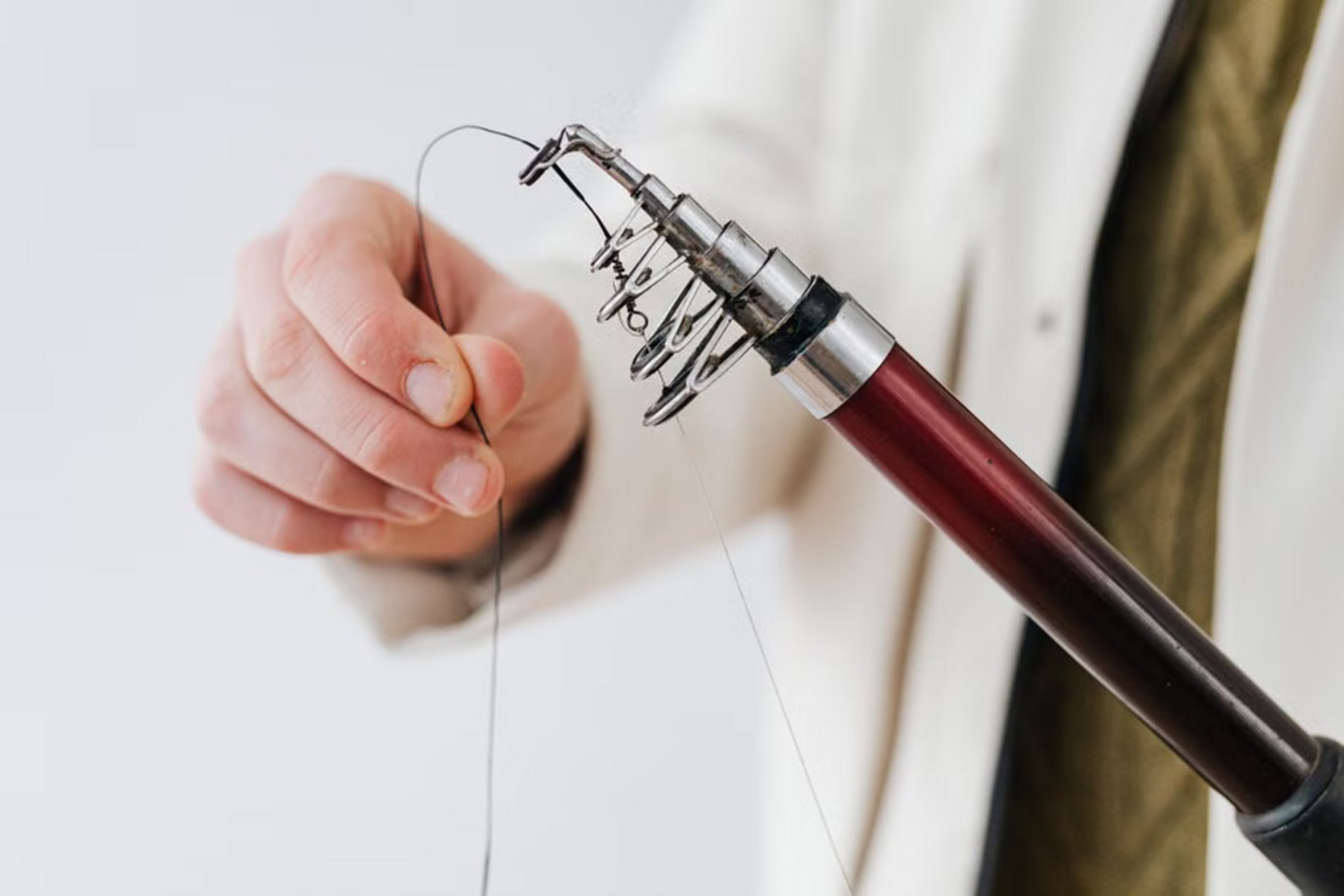
You’d think they would be stronger than that, but the tips of your rods will gets broken, even when you least expect it. The reason for this is because those rods are super sensitive with thin tips so you can feel every bite. Unfortunatley they’re also not as strong as other fishing rods.
You can break them off by snagging one in a gnarly auger hole, stepping on them wrong, or making a hard cast into the ice. They don’t take kindly to that at all. The second reason has to do with repeated exposure to freezing and thawing which breaks down the fiberglass or graphite composite over time.
Before every trip, always check all of your rods for any hairline fractures. These cracks can quickly get bigger under load. If your rods has interchangeable tips, it may be worth investing in some spares so that you don’t have to purchase a brand new rod when one breaks.
You should also take good care of your rods when transporting them. Don’t lean on them with the tip against hard objects or pick up heavy buckets by the tip.
3. Frozen Drag System
A silent killer is a frozen drag system. A frozen drag will not feel different until you apply tension to it like when you’re fighting a big fish. Moisture gets into the system and freezes the internal washers which will not allow the drag to ease up smoothly. This causes massive stress on the rod and your line.
This results in break offs near the guide or eyelet. To prevent this, always test your drag prior to each trip. Pull on it firmly so that it will slip evenly.
If you have been fishing saltwater, rinse with fresh water afterwards. Most ice fishing is freshwater, however. Keep your reels stored with a desiccant like silica gel packets in a dry place.
Do not lube your reel with WD-40 because it attracts dust and gums things up when cold.
4. Corrosion on Metal Parts
Another common complaint is that guides come loose or fall out. These small ceramic or aluminum rings help your line flow easily down the length of your rod from your reel to tip.
Because metal contracts when cold, this can cause the epoxy holding guides to loosen. As a guide begins to wiggle around while fishing, it creates resistance, which wears at your line. When you lose an entire guide, your line will get snagged on the rough rod blank, leading to broken lines on the fight.
Lightly feel around on both sides of each guide. They need to be firmly attached to the rod blank without any movement. If guides is broken, don’t try to temporarily bond them back together with super glue.
This won’t hold up under pressure and will cause the rough edges to cut through your line even more. Unless you’re really skilled at working with epoxy, take this one to a shop where they can do proper repairs.
Last but not least, Corrosion on metal parts affects appearance first but ultimately causes premature failure.
Moisture like sweaty gloves, bait bucket salt, etc., speeds up corrosion on rod threads and reel handles. When you get corrosion started it pocks the surface and holds moisture and dirt. Then you have faster wearing down and a shorter life for your expensive equipment.
Clean it: After every trip, wipe down any metallic components with a clean, dry rag. If storing rods for an extended period, lightly spray them with a rust preventer. Regular maintenance will not only keep your rods performing well but also protect their value.
Caring for these things means your rod will last through year after year of fishing. You wouldn’t of had to worry about what is broken or what needs to be fixed. You can just focus on the fish.