
Jigs are workhorses of freshwater fishing. Their heavy fall to bottom and their ability to imitate prey trigger same instincts that cause fish to attack. Almost all of us.
From beginner to pro, have ’em in our tackle box because they get through weeds better than nearly any other lure. But here’s the deal… it’s not the act of jig fishing that’s difficult, it’s the part that connects your hook to body. Your survival percentage when a bite occurs depend on this component and how you present your bait.
If something go wrong at this point, everything falls apart. When anglers lose a fish, most lay the blame at the feet of their casting or line. Rarely do they check the hook until it’s either bent straight out or broken off in their hand.
You lose more than the single bass or walleye. You lose patience on water and confidence in your gear as well. No, it wasn’t bad luck.
Physics demanded metal bend. Understanding why things fail can help you avoid losing catches when using equipment that wasn’t made for the task. These are jig heads.
Common Jig Hook Problems To Avoid
1. Hook Wire Diameter and Strength

The biggest issue we have seen on jig head has been bending. Whether it’s casting at maximum speed and torque into the wind, or reeling down a submerged tree branch like a tug-o-war. Because they don’t focus on tensile strength, but rather bendability, cheaper jig hooks will give more then they take.
That’s acceptable for light water fishing. But if you plan on fishing around structure looking for bigger fish, you better be using a head made of metal with good carbon content. A hook that doesn’t permanently deform under load.
Go up a size in wire diameter when fishing around rock or wood. Sometimes you has to go down a size in hook size to keep the same profile, but the increased strength makes it well worth it. Narrow hook gaps lead to missed connections.
2. Hook Gap Size for Penetration
A big gap means the fish has less resistance when attempting to get its mouth around and/or spit the bait, resulting in cleaner penetration. With a narrow gap, the point comes into contact with the fish’s boney jaw instead of soft tissue located behind it. That’s particularly troublesome on sensitive-mouthed fish such as trout and panfish.
Before each outing, examine your hooks in good lighting. If the gap appears uneven or pinched, toss it aside. No amount of fancy casting will make up for bad geometry.
3. Preventing Corrosion and Rust
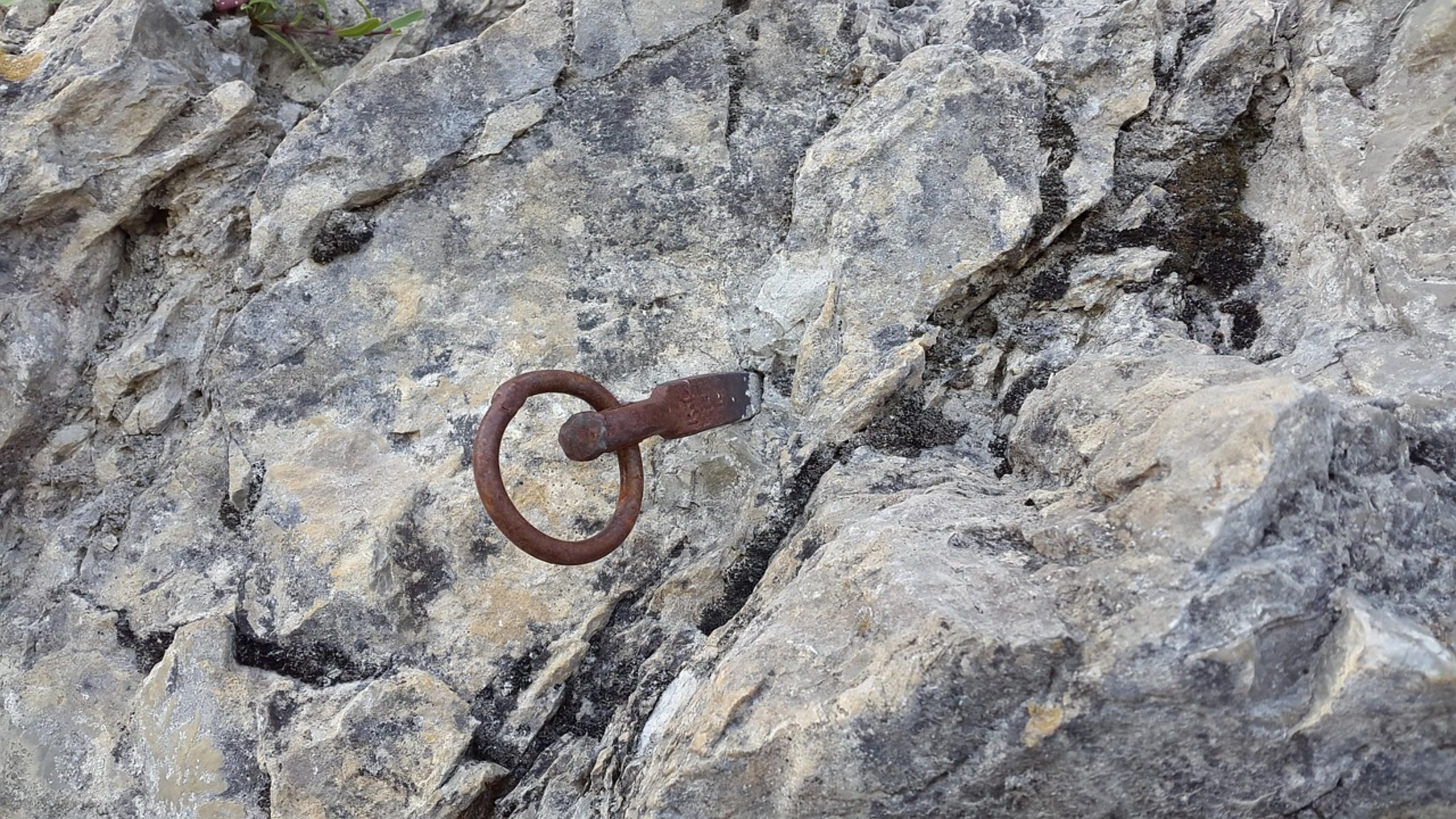
The metal also becomes weakened by corrosion. Time does this, but saltwater speeds up the process considerably. Even when fished in fresh water, the hooks is exposed to organic matter and other minerals that will eventually erode the finish.
When the coating or plating wears through, rust is not far behind. And rust can make hooks brittle and more likely to break under pressure. After each trip, no matter what body of water you fished, always be sure to give them a good wash down with some clean water.
Look for pitting around the eyelet as well as on the bend of the jig. Discoloration on the inside turn indicates rust and the need for hook replacement before the brittle metal snaps under load. A tough mouth means no penetration.
4. Maintaining Hook Sharpness
A lot of new hooks are manufactured with sharp points, but they become dull very quickly when stored in a crammed tackle box. By the time you realize something isn’t quite right, your reeling in a slow bite that gets away. A sharp point slices through lip tissue with minimal resistance, allowing the hook to set deeply even if your timing is slightly off.
Keep a small diamond stone or file in your boat. Scrape it down the hook point before each fishing trip. 30 seconds and your hook-up percentage go up.
5. Eyelet Quality and Line Protection
Weak eyelets often cause line failure in the fight. When a fish gets big enough for you to start putting pressure on him and reeling him in, all the stress is concentrated at the eye. Sharp inside edges of the eye or poor formation of the eye leads to frayed and snapped fishing line right there at the eye.
It feels just like a rod tip broke off but realy it’s just some missed detail in tackle. Look for hooks with smooth, polished eyes or even chemically sharpened eyes. Rough metal edges cut right through braided line.
A good hook does not cost much more money than a crappy one and being stuck on a bad eyelet and losing a trophy fish is far worse than having a few bucks taken away from you. The way the barb is designed causes an improper hookset. The shank of the hook has tiny little backwards facing hooks called barbs which are meant to hold the fish after a proper hook set.
6. Barb Design and Fish Retention
A barb is too big if it adds too much drag when the fish fights. This can cause the fish to back out and possibly cause the hook to bend or the line to break. If they are too small, the fish can back out before being landed, and most of us don’t want to lose a fish like that.
The barb helps hold fish tight in heavy cover for some anglers. Other anglers take the barb off to spare the fish’s mouth for catch and release. Check local laws, decide your stance on fish conservation, and more importantly, decide how you want to handle your fishing.
7. Weight Distribution and Balance
Action is affected by mismatched weight distribution. Too much weight on a jig head and it sinks too quickly. This looks unnatural to a wary fish.
Too little weight and it’ll float helplessly in the current rather than sitting upright on the bottom, where a predator waits patiently. The hook must match the weight of the lead or tungsten body perfectly to ensure proper balance and action. Is the center of gravity correct?
Will it sit right-side up in the water? Does it swim level or tip from side-to-side? Take some time at home to test your jigs in a bucket of water.
How do they hover and how do they fall? Tweak ’em until their presence is natural and consistant with what you’re trying to copy. It’s all in the hook Plastic skirts and plastic grubs attract attention, but the metal point lands the catch.
The metal point gets them in the boat. Details like this make the difference between frustration and success out on the water. Suddenly you trust your equipment and quit blaming the fish.
The next time you load up your tackle box, take five minutes to check every single jig head. Is the gap good? Is it sharp?
How is the condition of the metal? Take a little extra care with choosing and maintaining the proper hook for the task at hand, and your landing net will appreciate it.