
It’s humbling when you watch a perfectly executed cast that becomes nothing more than an ugly mess. It doesn’t matter if you’re new to fishing or an experienced tournament pro; we’ve all done it. With a confident step and precise rod motion, you stride to the boat side or bank.
The lure makes a sweet arc in midair. Next thing you know, it collides with gravity. But it doesn’t fall into the water with a sweet thud, it snags on itself and your leader.
Seasoned anglers knows where it goes wrong, and they avoids those missteps before wasting a day of fishing. Take a lesson from them by thinking ahead. Few swimbait woes can be blamed on “bad luck.” More often than not, it’s a matter of mechanical lure matching versus the body of water being thrown into.
Just as a hard-bodied jerkbait performs different than a soft plastic worm, both possess their own weaknesses and strengths. Knowing those shortcoming helps transition from a frustrated reactionary fisherman to one that is thinking ahead. It no longer becomes an issue of the tool but rather how it’s being used.
And that mental shift is what make the difference between good fishermen and guys who keep their coolers full.
Common Problems Anglers Face With Swimbaits
1. Soft Plastic Swimbait Action Loss
This leads us to our first big headache with soft plastic swimbaits, they lose action as soon as you start retrieving them. These are designed to be swam horizontally on a weighted jig head.
When the tail flips up unnaturally and starts to drag, the whole bait loses its action. Not only does this look bad in the water but it also doesn’t trigger those predatory instincts. You want your head weight to perfectly match the buoyancy of the plastic body.
The bigger the body, the heavier head you’ll likely need. That sounds like basic physics, but there’s an experience element to getting that rig just right. Fish flat-out won’t touch it if action isn’t correct.
2. Hard Bodied Swimbait Internal Rattles
Internal rattles of hard bodied swimbaits can also pose a problem. Most of today’s models comes equipped with some sort of internal chamber housing either metal balls or glass beads to add sound. In dirty water where visibility is limited, it can be a major plus.
But in ultra-clear water, that same rattle can make the bait appear unnatural and scare those cautious fish away. Some baits can have their rattles removed completely, whereas other baits has them permanently sealed into place. Before heading home for the evening, inspect your lure.
If the water is clear, silence will often prevail. Remember, noise is just another tool, sometimes it does not help at all.
3. Jointed Swimbait Maintenance
Another common problem with jointed swimbaits is that they don’t move naturaly in the water.
Jointed swimbaits are made up of several sections that is linked together via swivel and/or hinged joints meant to imitate a natural bait’s moving action. These joints can become clogged with sediment over time as well as corrode due to saltwater exposure. When this occurs, the joint becomes stiff and destroys the swimming action.
Instead of appearing like a fleeing prey item, it appears as a dead stick. There is no getting around regular maintenance. After each outing, give them a good rinse in some clean water.
If you notice they’re getting gritty at their hinge points, just add a bit of lubricant there. A few minutes of attention will go a long way in increasing the life of a costly tackle box.
4. Leader Knot Failures
One of the costliest mistakes made in swimbait fishing involves leader knot failures.
I see guys tying all sorts of complicated-looking knots that may appear fancy on paper but compromise their lines strength. While a good clinch knot has been improved and serves certain purposes, its tag end will dig into itself when fished under stress. For bigger lines, the Palomar knot is usually stronger and more consistent.
But above all, make sure you’re using the proper leader material. In rougher areas, fluorocarbon is much tougher than monofilament to abrasions. Failing to match your line type with your knot style creates a weak spot that’s prone to breaking at the most critical moment…
During the fish strike.
5. Depth Control Problems
For those of us who don’t understand the relationship between reeling speed and buoyancy, we have a depth control problem. The way you work your jerkbait determines its depth.
The faster you reel the higher it rise. The longer you pause, the deeper it descends. You’ll either rush it and rise high above the target depth or drag it and sink deep into the cold zone just beneath the thermocline where the baitfish aren’t hanging out.
That doesn’t make for a very good match, which explains why you’re fishing empty water. Pay close attention to your line tip or learn to read your strike indicator. When the fish bite, adjust your rod height and change your rhythm to find the exact depth where they are most active.
Power isn’t as important than precision.
6. Color and Size Selection
Tackle box clutter often leads to using the wrong color or size for the specific conditions. The magic color doesn’t exist.
It’s different all over. Chartreuse or other bright colors tend to be good in muddy water due to high contrast. Clear water calls for more natural colors such as green pumpkin, shad or silver which are more subtle.
If you’re targeting wary bass around heavy cover and throwing a giant swimbait; you might not get many bites. If there isn’t much forage matching the size of the lure in the body of water, then you’ve got a better chance. Take a look at the baitfish in the area and match that profile.
7. Drag System Failures
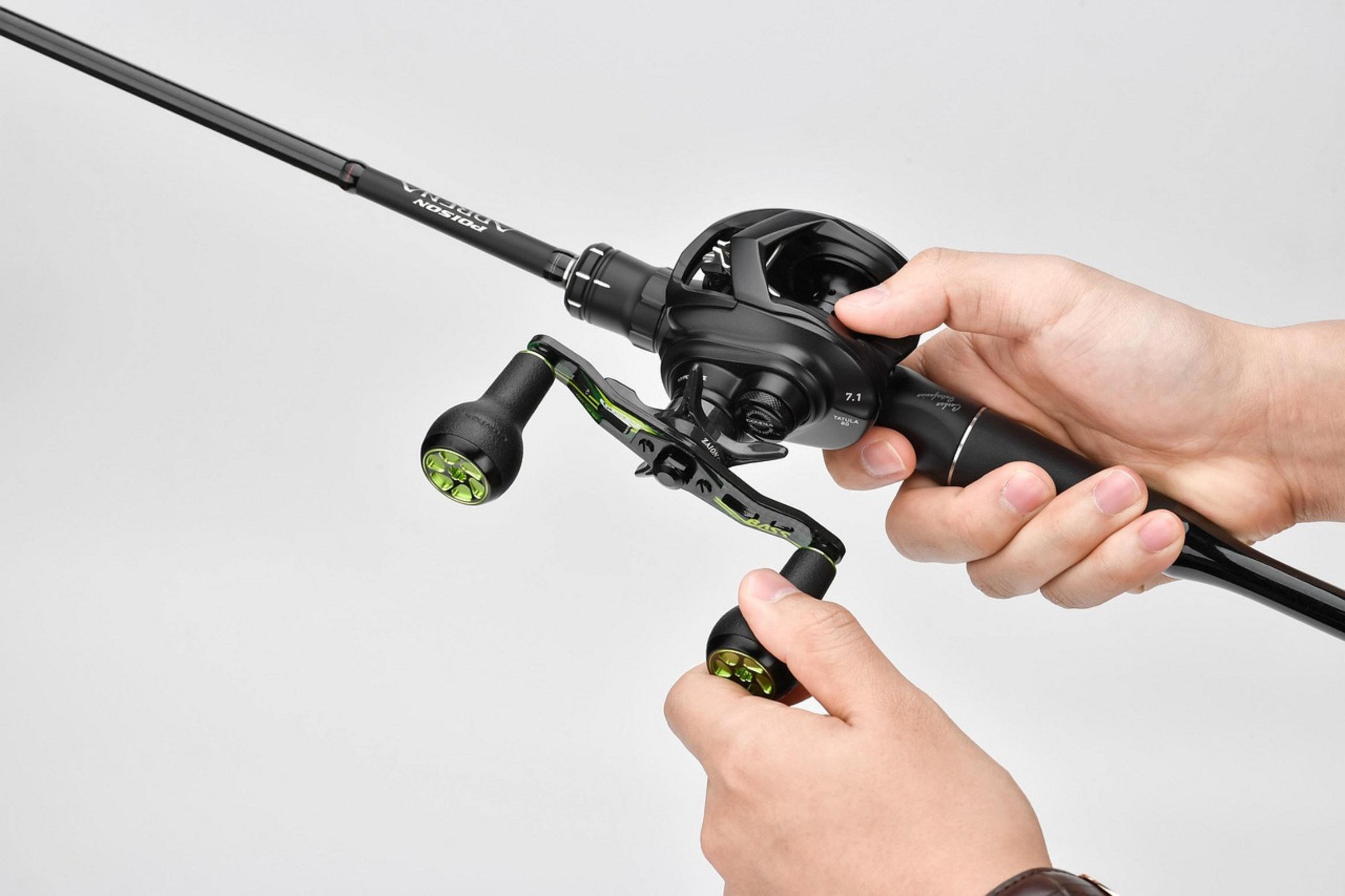
Last but not least, failure to maintain tackle results in drag failures at a bad time. When you’re throwing swimbaits around on a long cast, you need a good drag for when a fish bites. You need the drag to be consistent and smooth.
A long retrieve gives the fish time to get away before you start reeling them in. If you have one of those drags that surge or stick, you break your line. Be sure to service your reels regularly as per the manufacturers’ recommendations.
Remove old grease, change seals and other wear parts. Before each trip take some weight you know and give your drag system a test just to see where it’s at. Having confidence in your mechanics means having confidence in your rig when the bite gets hot.
Attention to detail and preparation pays big dividends in the world of swimbaits. Once you see the pattern, each of these issues has an easy solution. Use properly weighted baits, keep those joints working, select the correct knots, and take water conditions into account.
This will prevent all the failures we don’t should of experienced. We want to catch fish yes, but also do it efficiently and consistantly. Make sure your bait is kept clean, knots are secure and your retrieve is rhythmic.
If it’s all working together, the swimbait goes to work and then you’re headed home with something other than tales to tell.