
The treble hook appears to be a straightforward design, just three sharp points attached to a shank. Why wouldn’t it get a bite? Truth is, more times than not, it doesn’t.
Those who are accustomed to using them as a means of catching fish soon finds themselves in a battle with them more often then the fish. Such trouble typically comes from a lack of knowledge about the relationship between bait, water and target species. A bad hook is not typicaly what causes issues.
More often than not, it’s the particular style of the treble and how you are using it that do not works together. What flies great on a topwater may not be so good on a swimbait around heavy cover. Understanding these pitfalls can turn a frustrating session into a productive one.
Rather than wishing things goes well with your hook selection, you start to get why the hook works and how it bend and gaps.
Top Treble Hook Problems Anglers Face
1. Line Tangling Issues
“By far, the biggest problem occurs when your line becomes tangled prior to hitting the water. That’s due to the surface area of the three points catching your leader as you cast it.
As it spins in flight, the inside point will often grab the nylon strand. It causes an ever-so-slight drag that cinches up at each false start. By the time you’re 20 feet out, you may not even realize it but the knot begin to bite down.
Fortunately, this is typically an easy fix. Using a fluorocarbon leader greatly decreases the friction. You also want to make sure you cast properly.
2. Reduced Penetration Power
Keep lure clean off the tip of your rod and eliminate any wobble against your line. Then there’s less penetration power versus single hooks. On paper it sounds nice having your strike force spread over 3 points on a treble hook.
But in reality, if you’re trying to target a species with a heavy lip or tough mouth, all three hooks usually won’t digs deep enough into the fish. So what happens? The hook may grab the surface but slides out during the fight.
And it’s not because you missed. It’s because there’s too much space between the points on the hook for that bait presentation. To combat that, you must downsize the hook to match the profile of your bait.
3. Snagging in Heavy Cover
If you’re using a slender lure, then sometimes a smaller hook with a tighter bend penetrate better than a big open hook. The second one is that trebles are more likely to foul out in heavy cover. Again, if you’re targeting cover like weed beds or submerged logs, treble hooks are a nightmare.
There are multiple snag points available at all times from every direction. This means they gets caught on anything in front of them much more easly than singles. It’s a reality that will cause you to lose way more lures to snags then fish, unless you learn to avoid it.
It doesn’t just waste money; every time you lose a lure, you have to reset your presentation and disrupt the flow of your fishing day. So how should you handle this? Don’t avoid fishing cover completely.
4. Hooks Going Dull
Instead, minimize use of trebles by keeping them for open water retrieves. Switch to single hooks or circle hooks when you’re working the bait through brush. Another silent killer most anglers don’t see is that hooks gets dull.
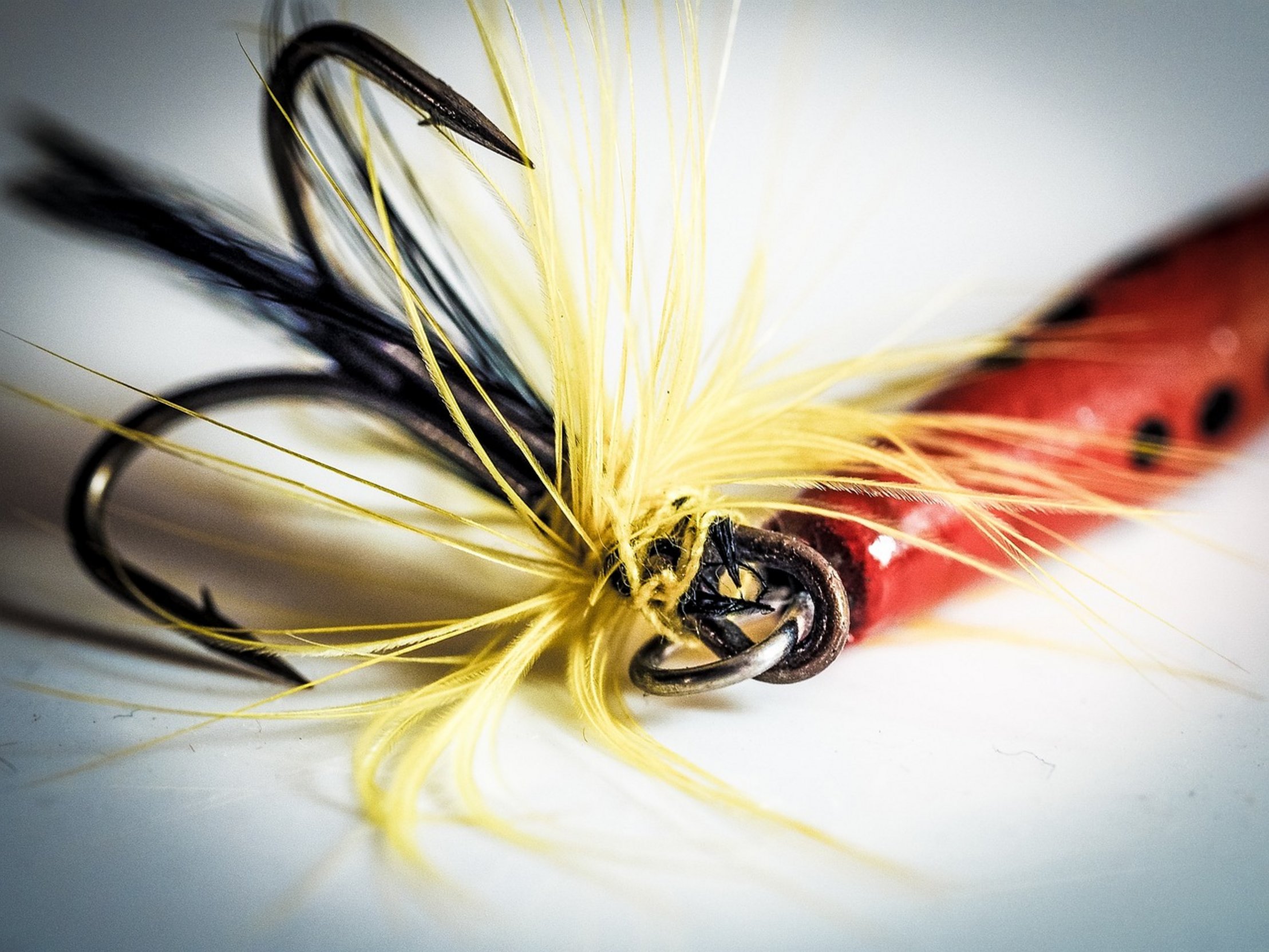
Because the three points share the workload, they dull quicker on a treble since each point take a hit more frequently. They get hit by fish teeth, rocks, or boat decks more often each time. That dull treble slides out where a sharp one holds up.
Next thing you know you’ve missed multiple good bites without knowing your hooks has gone dull. It’s non negotiable to keep a sharpener in your tackle box, whether it be a file or a little whet stone. Especially if you lose a fish to something, check those points before every single cast.
5. Deep Hooking Fish
Ten seconds could of saved the day. The last thing that you run into with more hooks is they are more prone to deep hooking in bigger predator species. This means the fish will stay pinned but makes catch and release significantly more difficult.
With multiple hooks there is an increased chance of one getting stuck in the throat or gills of the animal. That’s a big disadvantage if you’re practicing conservation angling. You want to reduce injury and handling time.
Moving to a single hook setup reduces trauma substantialy. It speeds up the unhooking process and gives the fish a better chance of surviving when released. Knowing how they work makes these issues quite solvable.
Remember: A treble hook isn’t something wrong, it’s simply a tool for a particular purpose. With proper care, keeping ’em razor sharp, maintaining an appropriate size-to-bait ratio, switching to a fluorocarbon leader and staying out of the gnarliest stuff whenever feasible. You can flip the negatives associated with trebles on their head.
You don’t try to eliminate trebles. Rather, you embrace them as weapons in your arsenal. And used correctly, that three-hook trickery won’t frustrate you.
It’ll reward you.