
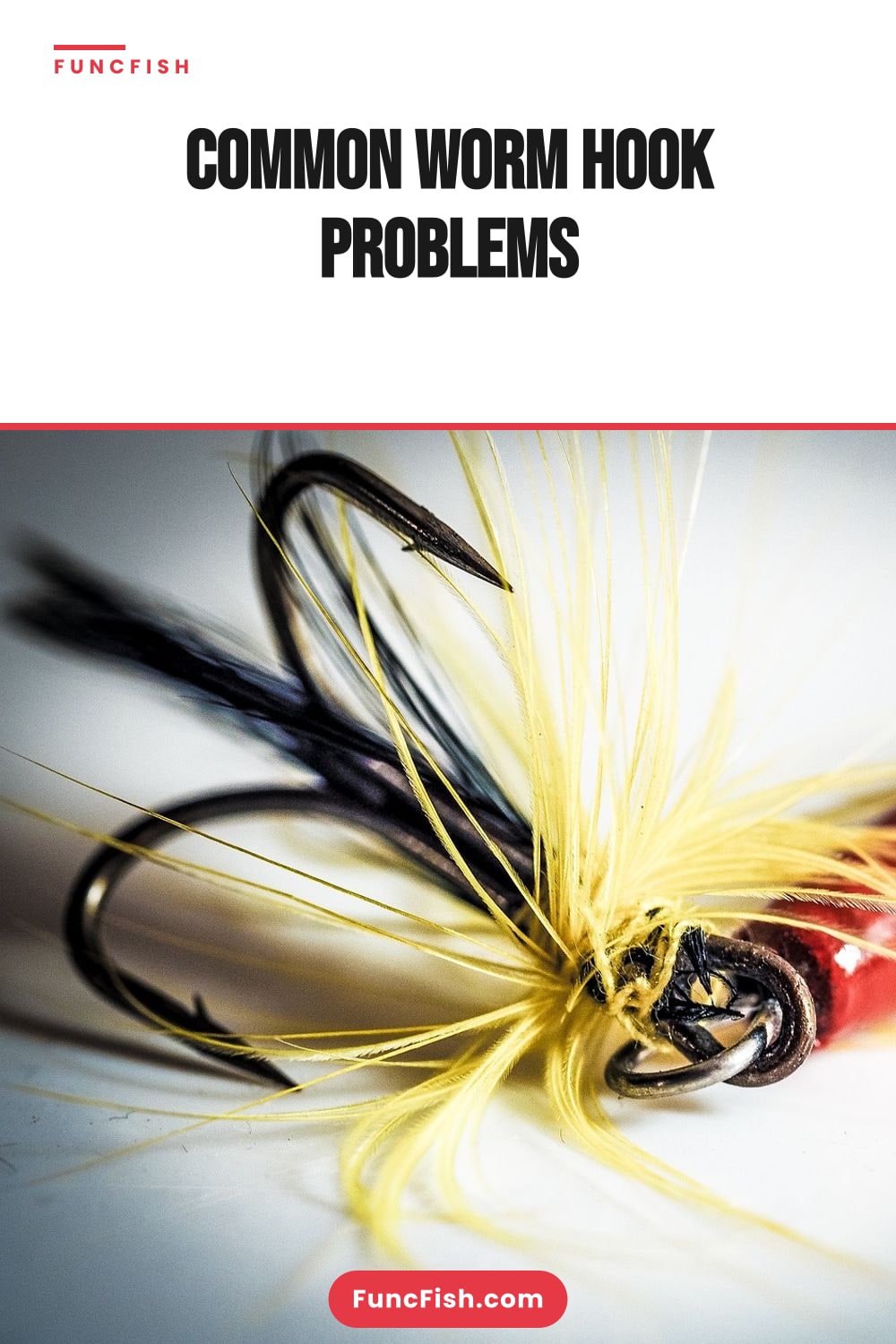
Bent metal is a common cause of angler frustration, as it’s typically not “bad luck” but rather a case of having the wrong tool for the job. Though worm hooks are deceptively simple pieces of wire, they possess enough complexity to ruin a day if you do not respect there geometry. It needs a tight eye to firmly secure your line, a cleanly defined bend and a razor-sharp point.
Anything less and you’re outta luck. We all do it: Most of us blame ourselves for lost fish and missed strikes. We study water temps, make casts and hone our craft, but we fail to pay attention to what’s in our tackle box.
That’s where you go wrong. The right; or wrong, hook choice will transform a certain catch into an empty seat on the bank. Matching your weapon to the prey is the difference between relying on luck and consistently catching fish.
And knowing which hooks works best in different conditions and with particular baits is how you get it done. What you throw has a lot to do with your hook selection as does where it lands. A slender hook works best for subtle presentations in clear water, but dragging one through thick weeds are a recipe for disaster.
A stout hook comes out of the bush unscathed, but it becomes a big red flag to a wary fish. Anglers often deal with these three common issues with their worm hooks and here’s how to solve ’em.
Common Worm Hook Problems To Avoid
1. Gape Size Too Wide Equals Fewer Smallies
Gape size too wide = fewer smallies Because smallmouth tend to have thinner lips than there largemouth cousins, you want a point that will punch a hole into tender flesh but not tear right through it.
Lots of guys put on regular offset hooks designed for bigger baits, leading to lost fish or short-shaking out-of-the-mouth action. Here’s where finer gauge wire comes into play, smaller diameter hooks looks less threatening in water and come to life quicker. Downside is durability; those dainty hooks bends up a bit faster when you knock ’em into a log.
Finesse fishing, my friend: you pay your money and you take your chances.
2. Offset Versus Straight Shank Hooks
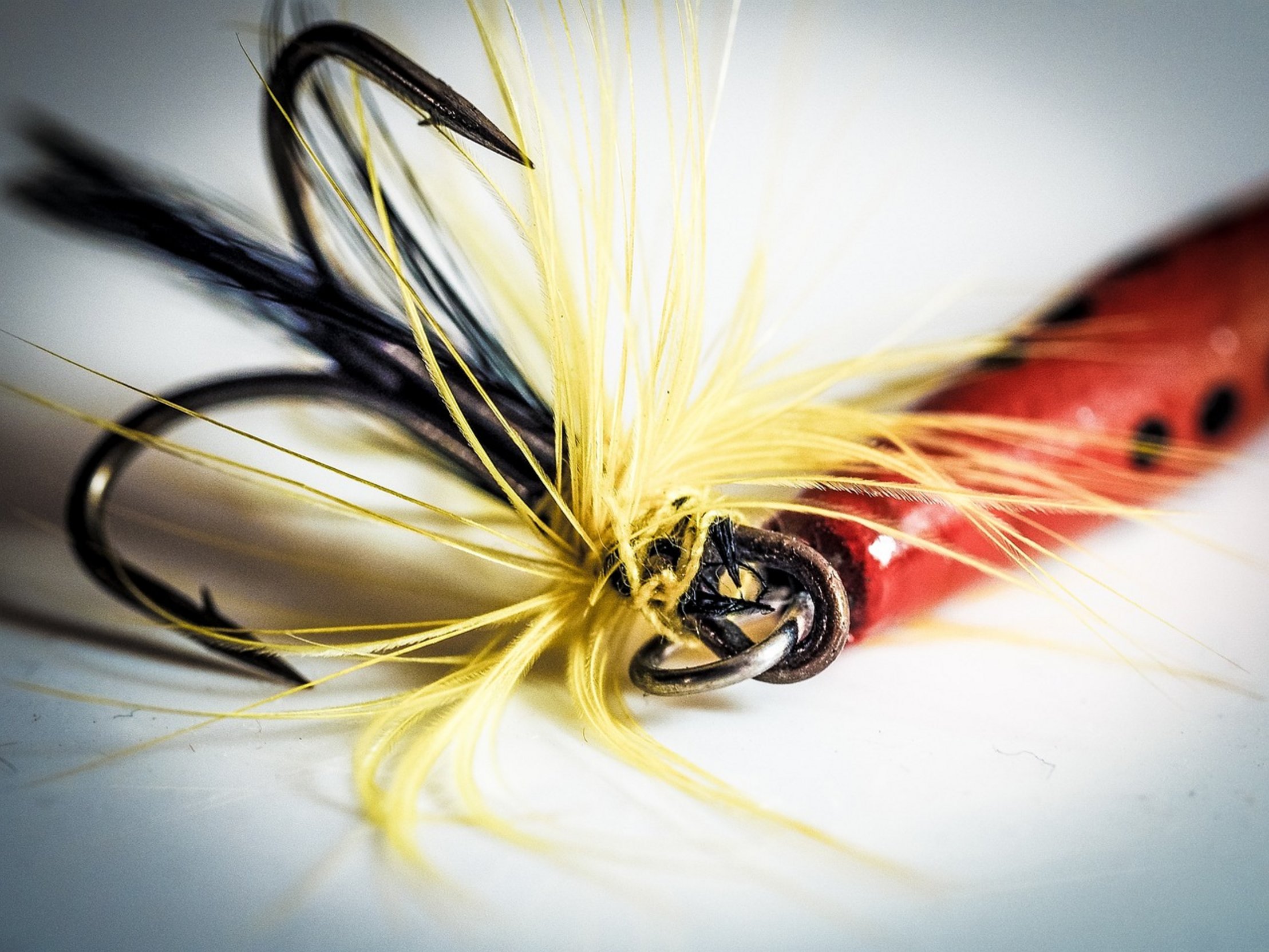
When you Texas rig a straight shank hook, there’s some resistance warning the fish, “Hey! Danger!” The downward force from the weighted soft plastic pulls the hook back into the body of the bait.
With an offset hook, the point runs parallel with the pull and slides cleanly over obstacles such as mud and vegetation without grabbing too soon. It maintains natural bait action and also positions the point upward during the set for best penetration. Wacky or drop shot hooks is better used for vertical presentations.
3. Wire Thickness Impact On Durability And Stealth
Don’t ignore wire thickness; thin = broke A thicker wire hook flexes less, but it look larger in the water. This becomes an issue with high visibility and pressured fish. Thin wire hooks appear more natural, but they won’t last long against big toothy fish or hard objects such as timber and rock.
There’s no in-between where a hook will perform excellantly for both of these requirements, so choose your fight according to the density of the environment and the size of the species you’re targeting.
4. Bending Hooks During Rigging Ruins The Set
Bending hooks during rigging ruins the set. The act of rigging bend the hook out of shape and can ruin a hook set.
Pulling a plastic worm up the shank of a hook twists the hand too much. This unintentionally makes that bend weaker in the process. A bent hook also alters how the hook go into the fish’s mouth.
It glances off bone instead of entering flesh. Never hold a hook by the bend or point, always by the eye or shank. Organize your rigging tools.
If your baits gets tight, try a hook setter, as being precise is more important then being fast on the water.
5. Eye Type Matters When Choosing A Hook
Eye type matters when choosing a hook; it impacts line strength Inline eyes are more secure for many knots. Loop eyes move easily with knot movement.
But inline eyes also add bulk to the profile which will spook wary shallow water fish. Reinforced eyes on some hooks are made specifically for heavy braids to withstand chafing. Simple eye holes on other hooks is intended for mono and fluorocarbon line.
Tie the knot you like best and match the eye style to your line type. A slipped loop equates to a lost fish.
6. Corrosion Kills Hooks In Salt And Freshwater
Corrosion kills hooks Whether we’re talking salt or fresh water, storing hooks where dissolved minerals are present will eventually soften and damage them.
Untreated steel doesn’t last long in salt water and even freshwater can degrade hooks over time when stored wet. The metal is pitted and those tiny imperfections become stress risers where the metal snaps when put under tension. Keep hooks dry and store them in a dry, ventilated container.
Always rinse your equipment in clean water at the end of each fishing day. It may seem insignificant but you’ll hear a rusted hook go SNAP on a six-pound fish and wonder what took so long to realize.
7. Ignoring Hook Size Based Off Bait Proportion
Bad action results from ignoring hook size based off bait proportion. Putting a big worm on a little hook just doesn’t look right.
It sets poorly too since the weight ratio is wrong. Rather than sitting straight, the worm is bent around the shank.
That’s not appealing to a predator. Likewise, putting a small creature on an extra-large hook dominates the profile and discourages strikes. Make the hook size match the length of the bait.
Use a size six or seven hook for a three-inch stick bait. A six-inch worm requires a four or five hook. Balance is all about presentation.
8. Skipping The Sharpness Check Leads To Missed Connections
Missed connections start with skipping the sharpness check. Although factory edges aren’t perfect, they’ll get dulled some from handling, transport bumps, and tackle box clutter.
More pressure are needed to penetrate a dull hook, which gives the fish time to feel it and throw the bait.
Keep a sharpening stone or small file in your boat and lightly drag the hook’s tip across your thumbnail to check its sharpness. It shouldn’t slide; instead, it should catch. Nothing can excuse a blunt hook while a sharp hook makes up for imperfect timing.
9. Failing To Secure The Knot Leaves Loose Eyes
Failing to secure the knot leaves loose eyes that spin. Most of us tighten our knots.
Then we forget to cut off the tag end or dope it.
The constant action against the water and fish will wear a knot loose over time. This is especially true with braids that do not have much memory in them. Not only does a loose eye cause the hook point to move out of perfect position to set, but it also produces resistance which changes how your bait acts.
Tie up a good knot such as an Improved Clinch or Palomar and seal with some varnish or super glue.
10. The Shape Of The Gap Impacts Penetration Angle
The shape of the gap impacts the penetration angle. How far does the hook penetrate the fish?
Penetration comes down to the gap. A wider gap permits a deeper set and this is important when fishing hard mouths. Narrow gaps stay more subtle but increase the chance that a shallow-hooked bait will pull out.
Before rigging, measure the gap of the hook against the bait. Does the plastic tend to bunch-up in the curve? You’re fighting the geometry.
Adjust it until the worm fits snug on the shank.
11. Hook Finish Choice Affects Visibility To Fish
Visibility can be a negative, too, depending on your hook finish choice. In crystal clear water, bright hooks spook fish; in stained water, they attract attention.
Naturaly looking colors such as gold or black nickel dissapears into shadow and other debris. Hooks painted down lose their reflection properties; hence another oldie but goodie. Go dark if you’re pitching to deep structure.
Go bright if you’re cranking topwater in shallow cover. Color is less about what looks best in your eyes than it is about context.
12. Never Forget To Swap Out A Bent Hook
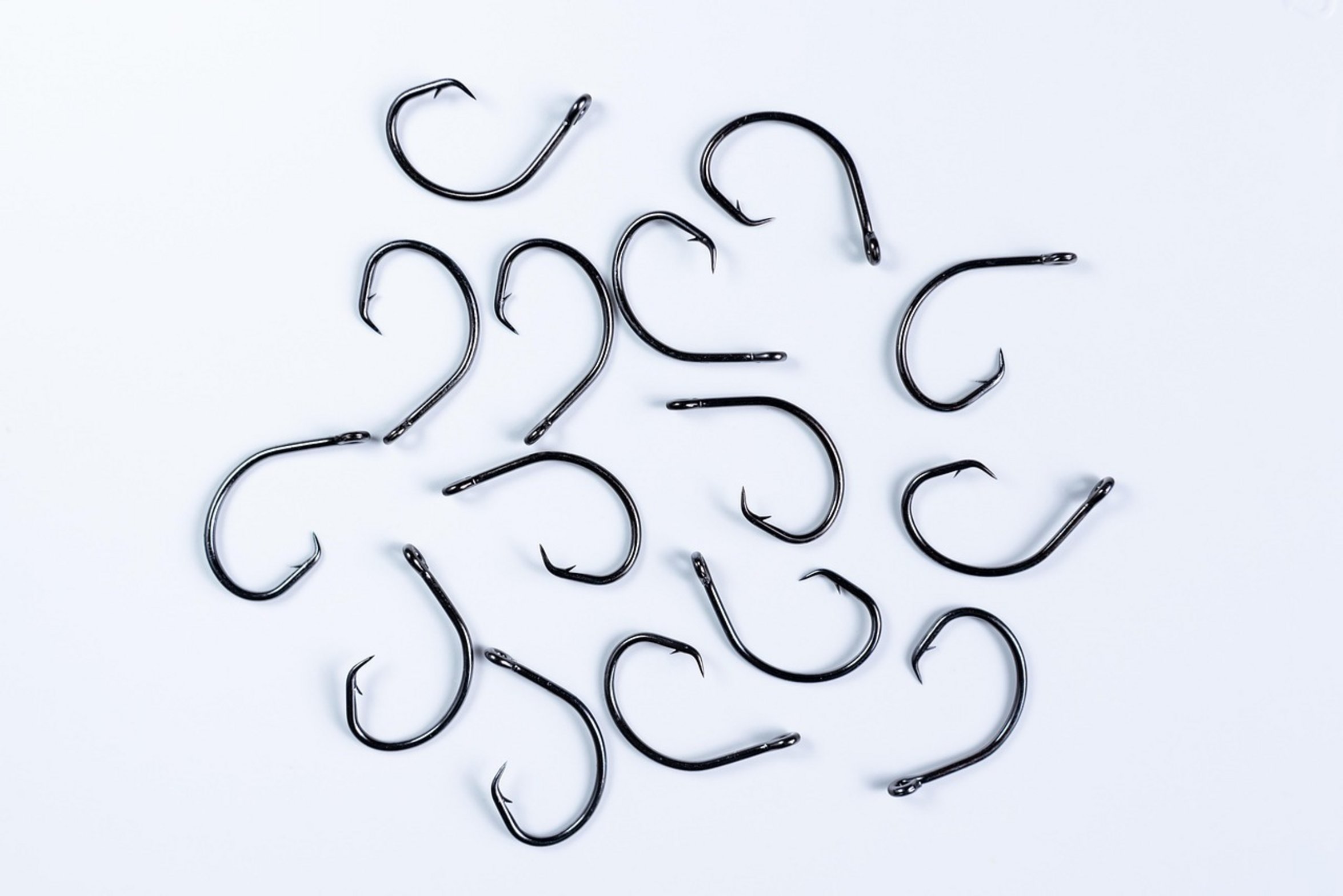
Never forget to swap out a bent hook.
Once a hook bends, it’s done. A little bend changes the strength of the hook forever. It has metal memory.
Under pressure, it won’t return to form. Don’t attempt to straighten your hook to use again on a prized fish; it’s cheap insurance to carry spare hooks with new ones. Toss it when you spot the bend and get another on instantly.
You’ll be consistent. Consistency relies upon reliability, and reliability stems from fresh hardware. These are the details of fishing that turn frustration into productivity.
A good setup and effective bait start with a good hook. Take some time today to go through your tackle box.
Organize the hooks by size and style.
Get rid of the bends and the dulls. Have several types in different sizes and styles for varying conditions. You’ll be amazed at how much your catch rate reflects this attention to detail.
It is not magic, but mechanics.