
Frozen red legs at fish counter intimidate you. Those shells seem impossible to open; the price seems too high. What’s that? It’s all shell? Is it all bones? Who paid for that? Until you do some math, you have every reason to be scared.
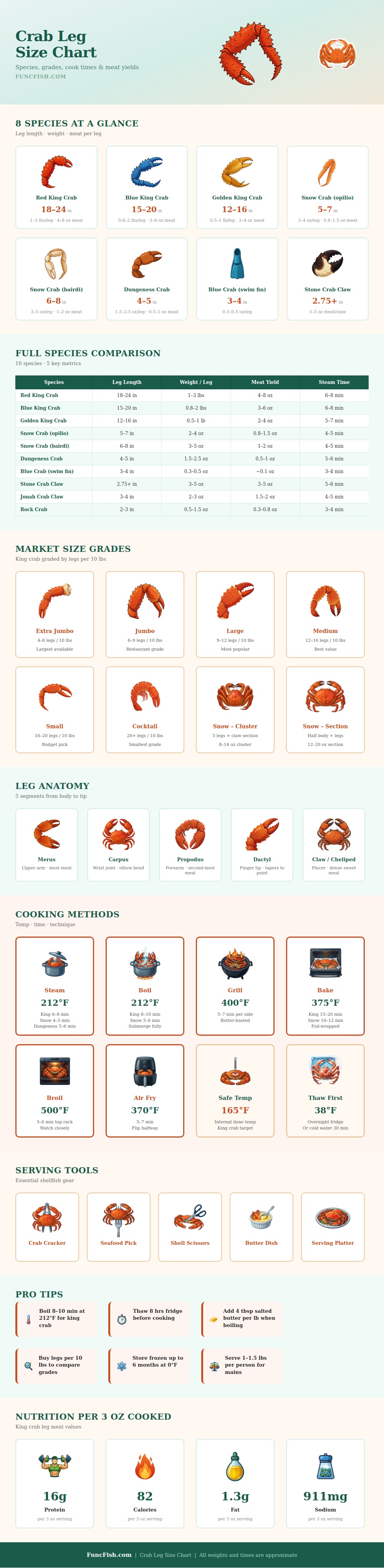
Because when it comes to purchasing crabs, there’s no guesswork; it’s just simple math. When you get a handle on how the sizes break down, the rest fall into place. You aren’t making wild guesses anymore; you’re doing calculations. The contrast is quite evident on chart (above).
How to Choose and Cook Crab Legs
To put things in perspective, consider that red king crab is a large choice, with sturdy legs that promise plenty of crabmeat. The snow crabs is light, sweet clusters that will need some effort to get all the goodness out. Seeing them side-by-side like this will make it clear which are worth their premium price-per-pound. In one instance, you’re buying convenience and density; in the other, sweetness and volume. That’s what you’re paying for. Knowing the difference mean not overspending on bone when what you crave is tender white meat.
The next level comes from market grading. Most restaurants opts for largest grades (jumbo or even extra-jumbo), as presentation counts when people can see your plating. But unless you are entertaining an entire family for a meal, those humongous legs is a waste of money and space. Opting for large or even medium means getting the most bang-for-your-buck without much more work when opening it up.
Think about the event and match the grade accordingly. Don’t just grab the biggest thing on the shelf every time, no matter what. And that small change will save you quite a bit of money at the grocery store and still keep everyone at the table happy.
The big fight, dry or tough meat (usually comes down to preparation). Most of the time, steaming is better than boiling, as it won’t make the meat go all mushy and waterlogged. When you boil, you force fresh water into the tender fibers, washing out the delicious ocean flavor you shelled out for. Steaming maintain its firmness while keeping the pure flavor.
Also keep in mind thawing time. If you rush it with hot water, it’ll turn out poorly. Slowly thawing it in the fridge overnight allow the muscles’ fibers time to relax before exposure to heat. Patience = better texture on plate.
The last part is timing. It is very brief, but it is the most challenging part of all. We overcook seafood because we’re afraid of undercooking it. But since the crab legs come from factory already done, you really only need to warm them up. Warm them to a safe eating temperature. That’s only a few minutes in oven, either wrapped in foil, or in the steamer. Any more time then that will only suck water out of the meat, leaving you with something more like stringy fiber. Once it hits the heat, the timer begin running, so keep your eye on it.
And now, armed with a little more knowlege about sizes and grades and easy, light cooking techniques, head to the counter confidently. Pick out the species that makes the most sense for the number in your party. Decide what grade will fit into your price point. Learn how to cook it so that none of that delicious meat gets overcooked and all messed up.
The shell gives way, the flesh falls free, and the first time fear turns into satisfaction. It isn’t complicated. This is just good seafood prepared simply.