
California’s waterways provide habitat for an odd variety of freshwater fish that has lived alone for thousands of years. Native species evolved with seasonal flows and specific river systems, long before dams and other human-made infrastructure change the course of our watersheds. Now, many struggles to survive in isolated pockets, where conditions closely resemble what they were centuries ago.
The extinction of these fish is not merely a reduction in biodiversity… It also reflect a fundamental change to the ecological integrity of the state’s lakes and rivers. Knowing which species are most vulnerable can help point out the larger problem threatening aquatic habitat throughout the state.
What we must realize is that extinction isn’t always instantaneous. Rather it can be gradual with small increases in water temperature and bit-by-bit loss of habitat. A couple of charismatic species grab all the attention while many other slip away quietly into nothingness.
Here are six unique fish species which shows California’s aquatic legacy. All is under serious threat from invasive species, dam development and climate change. The fate of each illustrates just how slim their chances is of survival.
Six Endangered Fish Species In California
1. Sacramento Pikeminnow
Viewed by anglers as a voracious predator, the Sacramento Pikeminnow has an unpopular reputation. Truth be told, this native fish serves a vital purpose, preying on weak or sick individuals to help maintain healthy populations of other species and contributing to overall ecosystem balance. Unfortunately its existence depends on the same thing: unobstructed migration routes, which have been cut off due to dams.
Also, damming up rivers limits access to spawning area. Conservationists claim that instead of wiping out Pikeminnow altogether, if we managed their numbers sustainably, it would of been better for the river’s overall health. It’s a classic example of people thinking differently about nature vs. Nature.
2. Sacramento Sucker
The Sacramento Sucker (an indicator species) is also threatened by dams trapping silt and sediment. This smothers its reproductive gravel beds, making it hard for young fish to survive. Additionally, diversions of water for other purposes lower river levels at key times of the year when they breed.
The result is not only drying out of the nest but exposure to predators. Natural flow pattern restoration will be costly and politically complex but is required to recover species. Without this, it seems certain that local extinctions happens on major tributaries over the coming decades.
3. Delta Smelt
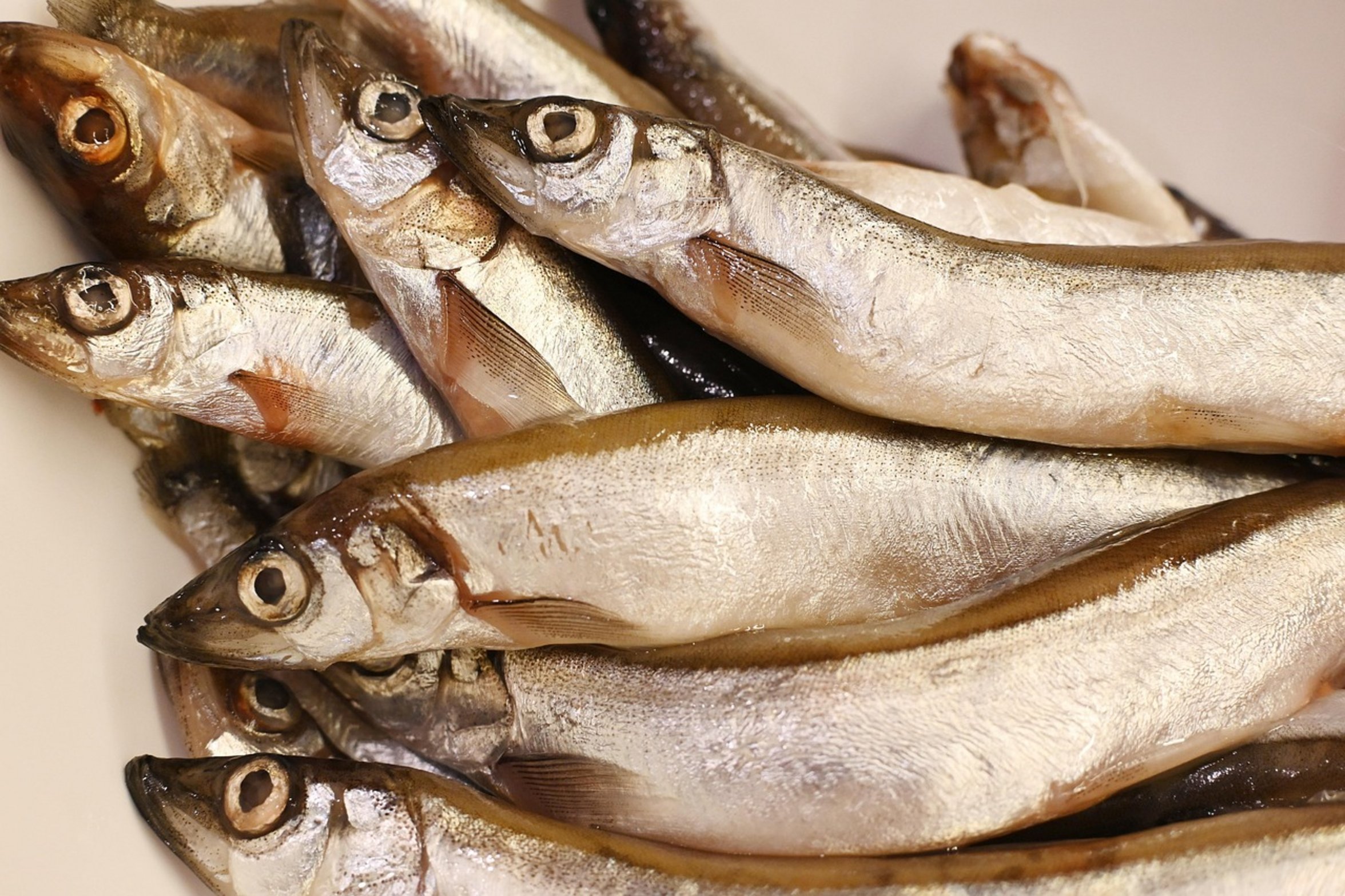
One of California’s most contentious figures in water politics is an extremely sensitive little fish known as the Delta Smelt. It spends much of its time in what’s called the “estuarine zone” of the San Francisco Bay Delta, which has been greatly altered by urban and agricultural development. Because of its high sensitivity to both temperature and salinity, it act as a regulatory trigger that restricts export of water for use in irrigating farms.
That pits farmers against environmentalists in a bitter battle. But the survival of this little guy rely on keeping enough freshwater flowing into the estuary to counteract the spread of saltwater pushed in from the Pacific Ocean. Think of it as an uncertain canary in the coal mine for all the waters of the region.
4. Kern Roughfish
That’s right: It’s a Kern Roughfish (a subspecies of bonytail chub), a population found only in a few miles on southern California’s Kern River. Natural barriers and later man-made ones, like dams, isolated this fish line. And its small-range nature makes it incredibly susceptible to accidental contamination events, heatwaves, and even simple droughts.
That’s why conservationists have established artificial rearing programs to supplement wild populations. But they question whether such a program will work long-term without restoring habitat. The species highlights how localized adaptations can lead to a precariouse existence when landscapes change rapidly.
5. Lahontan Cutthroat Trout
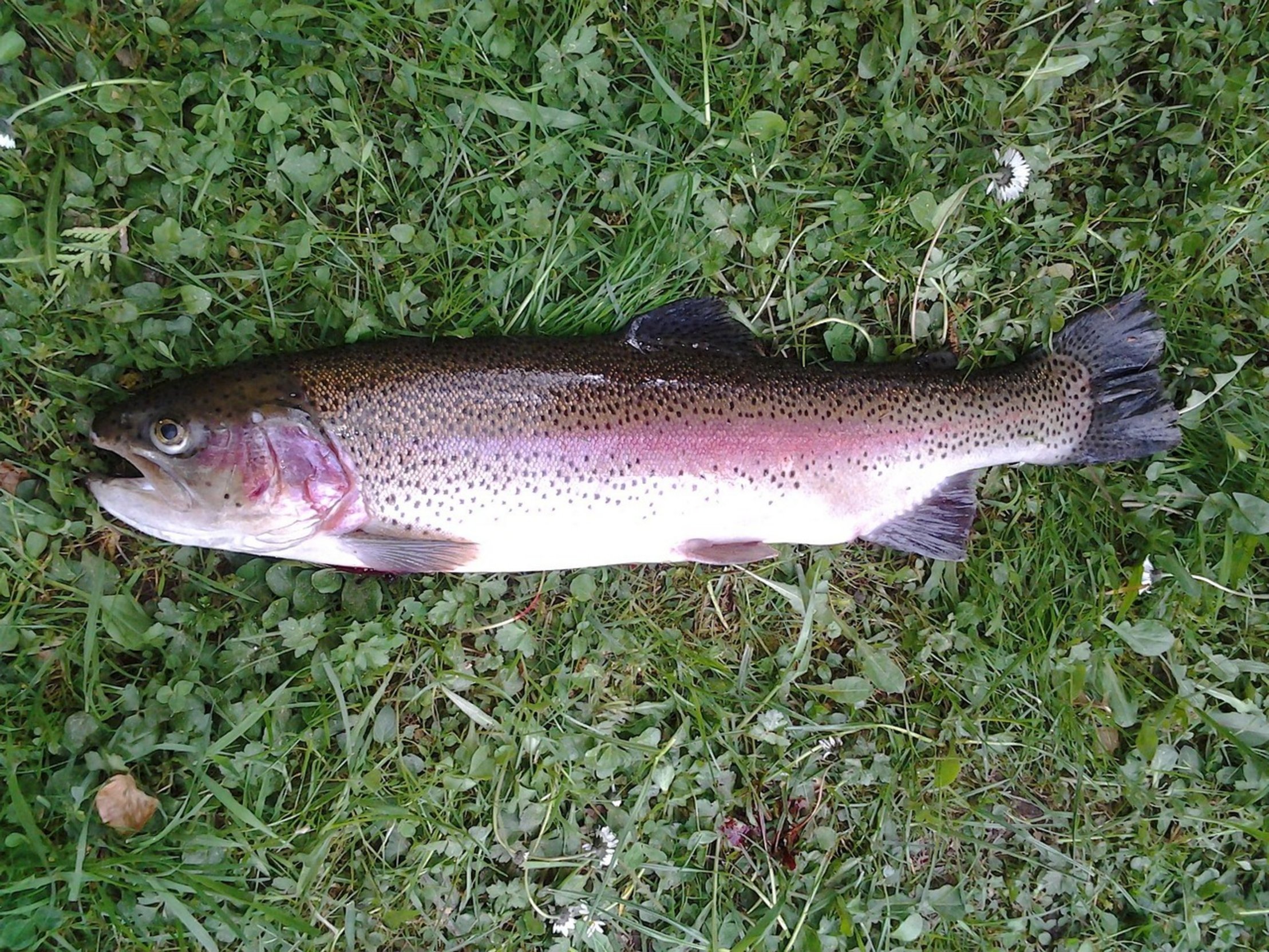
A formerly prolific species in the Great Basin, the Lahontan Cutthroat Trout declined sharply because of over fishing and competition from introduced non-native trout. Conservation efforts has been successful at returning Lahontans to a handful of reservoirs. But they are still listed as an endangered species because they risk hybridizing with remaining native cutthroat strains.
To maintain their genetic purity, they must be carefully monitored and contained with strict management practices. This story highlights that recovery can happen, but you need to stay vigilant for biological threats long after recovery has stabilized. Biological threats can persist long after initial declines stabilize.
6. Steelhead Trout
Steelhead Trout (Pacific Northwest & California coast): Warming ocean temperatures are negatively impacting ocean survival for this species, which face a series of impacts due to changes in oceanic food webs. These anadromous fish travel between the open ocean and freshwater streams to reproduce, exposing them to various stressors such as pollutants, predators, and shifting current patterns that disrupt navigation cues. Protecting spawning streams alone will not solve the problem; increasingly, conditions at sea determine their fate.
Addressing the health of offshore ecosystems is also key to conservation. These species is each their own chapter in California’s environmental story: climate vulnerability, genetic isolation, political conflict. What they all point toward is that biodiversity loss is never uniform.
Instead, it is a series of failures of our knowledge, management, or policy. Many times, backing conservation efforts requires balancing the needs of ecology against those of economics. Will you choose long-term over short-term?
The future of these fish depend on it. You’ll know whether you succeeded when the rivers run clean again.