
The Texas waterways teem with life, but they’re also home to some of North America’s most delicate aquatic environments. From the clear streams of the Edwards Plateau to the brackish estuaries of Galveston Bay, fish populations is under constant pressure. On the surface, you’d assume abundance is their friend.
But when it comes to habitat loss and invasive predators, things look very different based off one native fish lost, an entire web of local life often unravels. You start to understand who’s out there, why they’re endangered, and how much is truly at stake. It’s no longer a bunch of scientific labels in a book.
They’re real animals with unique traits, limited habitats and urgent conservation issues. It’s one thing to glance out at the water and think, “oh yeah, fish,” and another thing entirely to know that this or that creature is right here, right now, and recognize their plight. You begin to notice signs of a healthy population versus one in decline.
Top Endangered Fish Species Found In Texas
1. The Guadalupe Bass
Beyond symbolism, Guadalupe bass deserve title of state fish because it’s the only large sunfish species native entirely to Texas, you won’t see one anywhere outside the Lone Star State. That restricted range also makes them susceptible to threats to water flow or water quality. If the bass aren’t doing well, something isn’t right throughout the watershed, the river is probably unhealthy too.
Keeping their habitat healthy requires maintaining the woody debris that they rely on for cover as well as the gravel beds where they nest. Protecting their habitat means preserving the gravel beds they need to spawn and the woody debris they use for cover. They’re not just any fish, either: They’ll defend their nests ferociously in waters such as the Lavaca and Guadalupe Rivers.
And when you encounter them, you’ll see them holding structure.
2. The Oyster Toadfish
Though you might think of it as an ugly lump on the bottom, the oyster toadfish has an important place in our coastal systems. They live in estuaries throughout the Gulf.
They hide among the oyster reefs in places like Galveston Bay, where they feed on crustaceans and help maintain the reef’s health. The toadfish’s camouflage is so effective that most anglers never notice them. But what works for them in terms of camouflage also works against them because they can be overpowered by predators.
The arrival of invasive lionfish threatens these fish directly by competing with them for both space and food. Unlike the lionfish who can swim around easily, toadfish are poor swimmers and rely on being well-camouflaged. If food starts to become scarce, they won’t be able to avoid starving.
Because oyster reefs are such an important nursery area for numerous species, conservation groups works to keep them healthy. This means providing a safe haven not only for toadfish but for all kinds of species.
3. The Rio Grande Sucker
There’s one native species of fish I’ve talked about recently that is now gone from much of its historic range: the Rio Grande sucker.
Once abundant in the lower Rio Grande, this bottom-feeder has suffered greatly due to changes in water patterns and the loss of habitat from fragmentation. Dams block their migration routes; sedimentation smothers riverbeds they depend on for feeding. They are not an obvious fish to see as most of their time is spent buried in sand or mud.
Unfortunatelly, this is also how you know they’re gone. It’s a quiet extinction that most people never see for themselves. Bringing back natural flows can help restore these populations and it isn’t easy.
It involves working with water managers who must juggle our demands against those of other natural resources. In essence, this reminds me of the tug-of-war we all face when dealing with development vs. Preservation in an arid world.
4. Texas Shiners
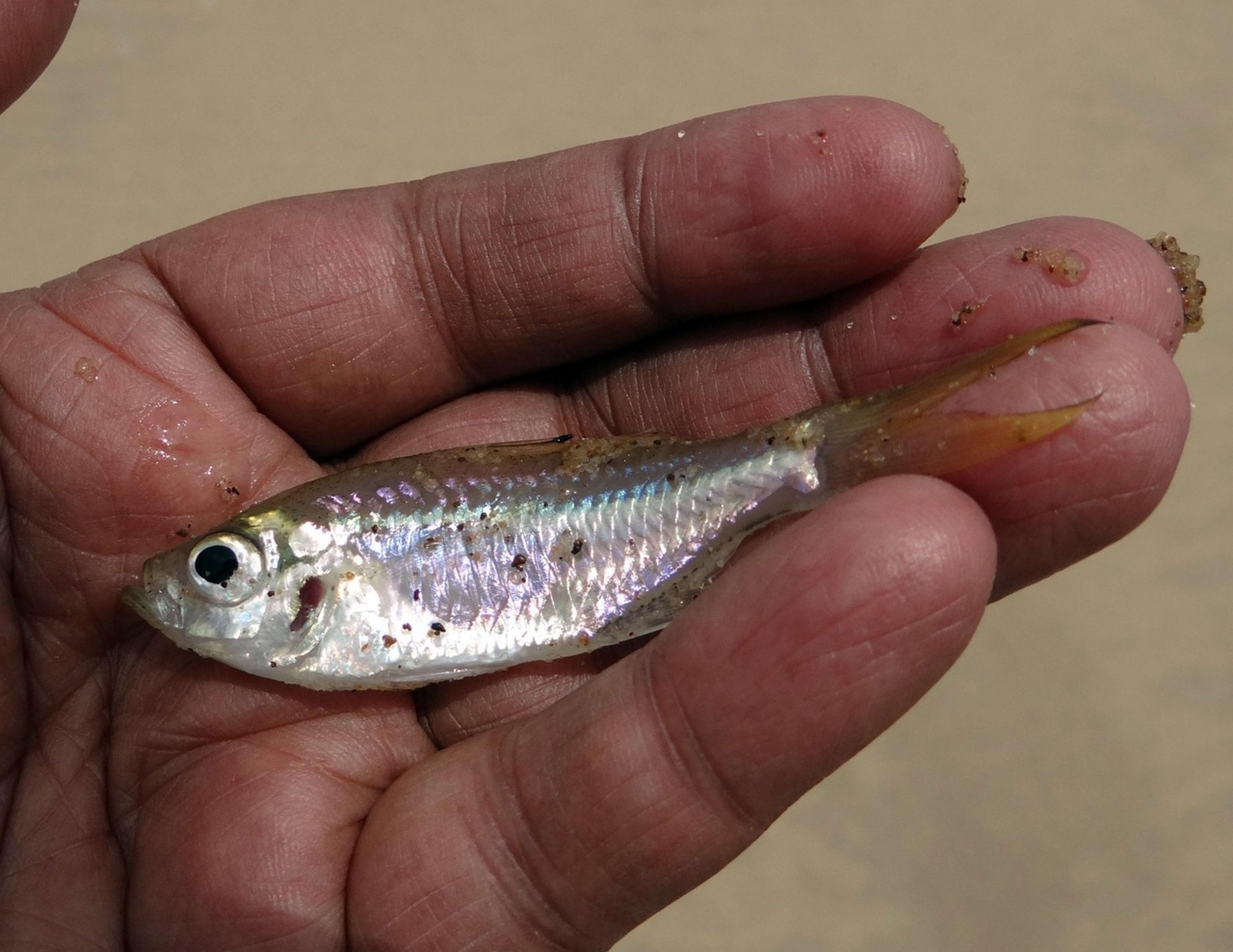
Texas shiners only inhabit a few streams and springs throughout central Texas.
In fact their limited range means that one pollution incident might destroy substantial parts of the population. Not only does the Texas shiner help to filter water by consuming detritus and algae, but its presence is indicative of good water quality. So when you spot their little bodies darting around in crystal-clear springs, know that you’re witnessing a sign of healthy waters.
To protect them is to save these particular flow rates from urban development and agricultural runoff, it’s about maintaining little pockets of purity in an ever-changing landscape.
5. The Splittail Shiner
Another casualty of hybridization with non-native species is the splittail shiner. Native shiners can mate with introduced minnows or sunfish and weaken the genetic purity of the population.
Left unchecked, the special characteristics that make the splittail what it is fade away over time as a mixture of hybrids form and become part of the gene pool. Once this occurs, there’s no going back; only active management will help stop the genetic erosion. At least outwardly, you may not even notice anything different at first sight.
Yes, those are still shiners but something is amiss…in the DNA. So conservationists goes about protecting the pure populations in remote waters by removing hybrids. It is a race to save the true genetic lineages, because sometimes being out of sight isn’t really safe for threatened species either.
And they remind us why careful observation matters. To be clear: you don’t have to be a biologist to pay attention to what’s happening around you in your own backyards. A little education can go a long way, whether it’s preventing chemical runoff or contributing to habitat restoration projects.
These fish aren’t merely statistics; they’re signs of our state’s natural legacy. So keep an eye out, because with every observation, you play a role in maintaining vibrancy in these waters for future generations. Next time you find yourself near a river bank, take a good look.
You might just see a piece of history swimming before your eyes.