
It’s that time of year when the weather turns crisp, the water chills in September, the days begin to shorten, and the leaves begin to change colors; this is the signal of end of season for most anglers. Most angler pack away their gear and wait for spring. For those of us who have stood in a chilly stream on an October morning, we know otherwise; fall is prime time to go fly fishing and it pays big dividends with new techniques.
When the water cools off, fish behave very different. They either feed like crazy in order to pack on pounds before winter, or they become lethargic and extremely finicky as their metabolisms begins to slow. As a result, typical summer presentations fall flat, forcing you to change your game to suit the situation.
Here are some tactics that’ll keep you ticking along when it gets cold. As fall rolls on it gets very important to read the water temps. Below fifty degrees, fish is still sluggish and not as active.
Top Fall Fly Fishing Tips For Anglers
1. Adjusting to Water Temperature
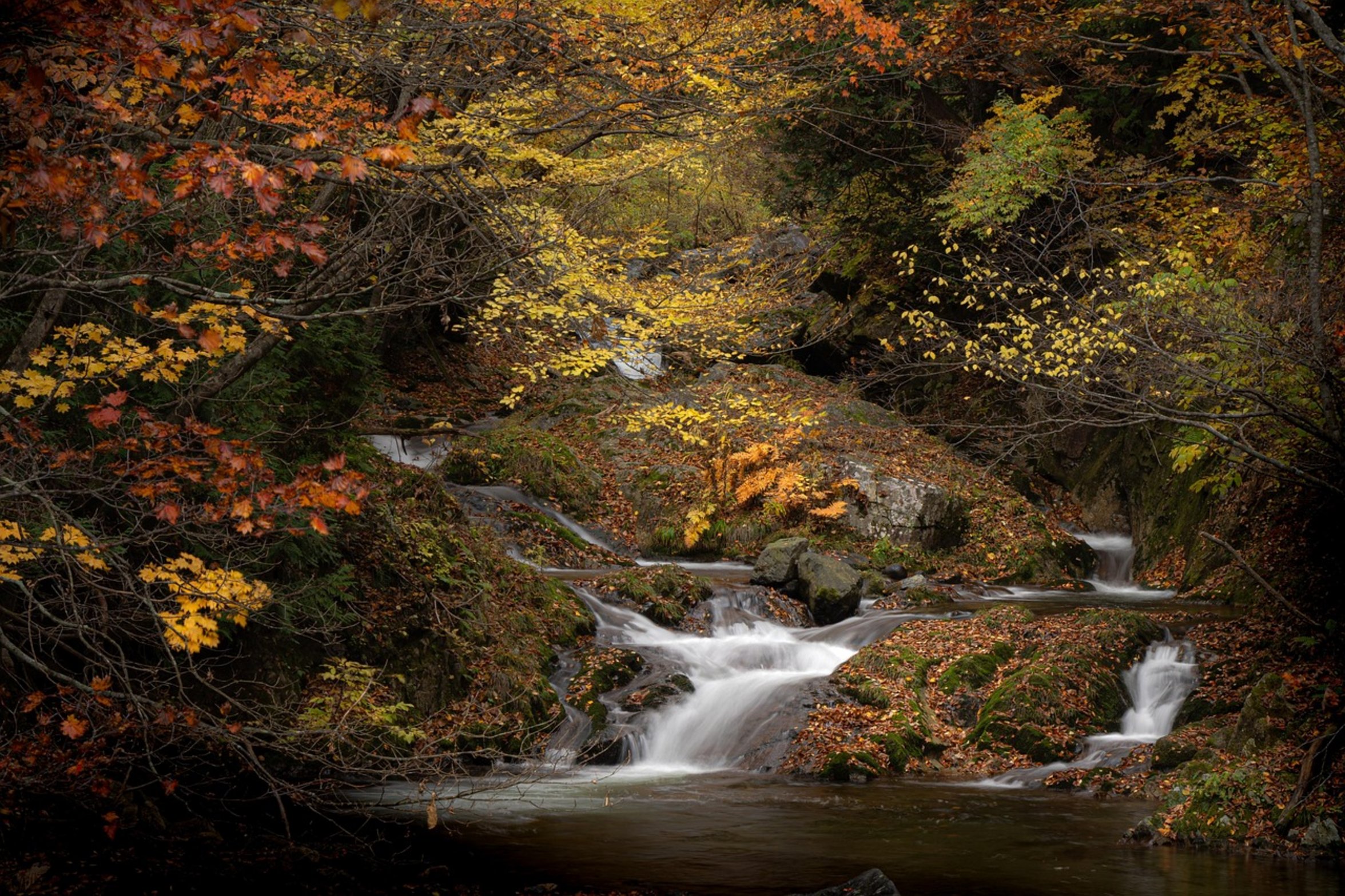
Trout hang out in deeper runs instead of shallow riffles because cold water has less oxygen. This means throwing at the surface is often fruitless; it’s time to get that fly deeper in the water where it will ride a bit faster current. You can use something like a split shot or a heavier leader to accomplish this but don’t lose too much of the drift.
2. Fishing Deeper Runs
In the fall, precision matters. While it may be simpler to match the hatch in fall, it’s also easier if you can get it right. As insects near the end of their season, they will emerge en masse for one last trout buffet.
3. Matching the Fall Hatch
Common culprits around this time include caddisflies and mayflies, so watching the surface for rising fish will reveal what they is eating. When you see the pattern, mimic it closely. Color isn’t as important than size (since visibility is lower in low light conditions).
4. Downsizing Fly Patterns
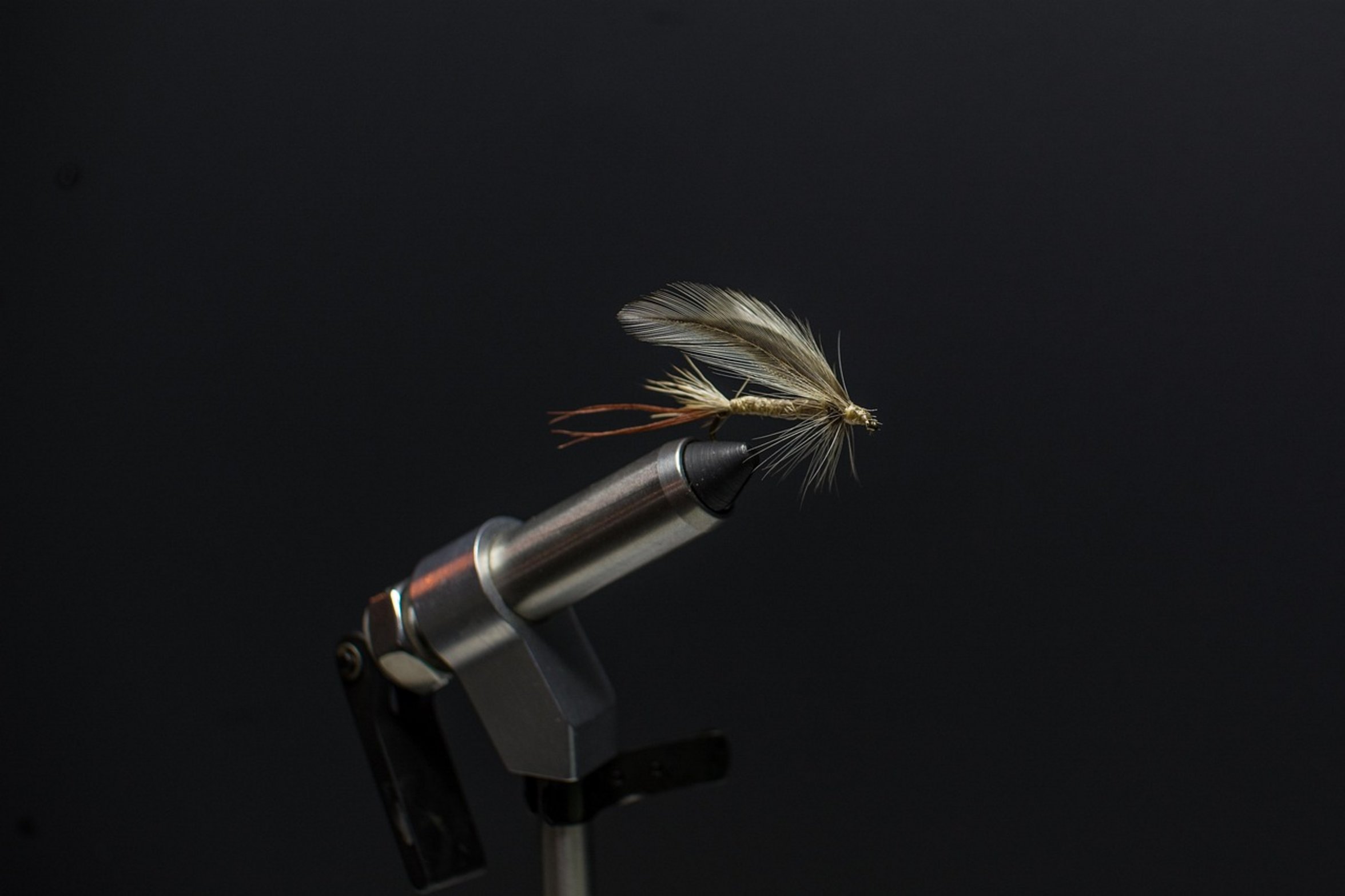
You’ll get many more strikes on small flies. Fall insects are much smaller. There are also a lot more of them then the big, boldly patterned bugs that summer trout have become used to.
Go down a size or even two when downsizing and you will see a noticeable increase in bite rates as well. Small presentations require delicate tippet such as six or seven X material so they can presents those tiny offerings naturaly. Subtlety is key.
5. Using Nymphs Under Surface
You want the fly drifting without any drag which is essential to the wary fish of cold clean water. Nymphs offer year-round productivity: The majority of a trout’s food source is subsurface, particularly as water cools. Cool-weather dry fly fishing can be enjoyable, but frequently fall short.
Nymph patterns mimic the early life stage of aquatic insects. These insect spend several weeks to months developing in the water column before emerging. A dragging nymph through deeper runs matches their movement and triggers a natural strike response.
6. Choosing Dark Fly Colors
In a running current, indicators allows you to follow the fly and sense any slight “takes”. Darker colors are more visible in lower light. After the fall equinox days get shorter fast, limiting our total amount of daylight.
When the water gets dimmer, trout will use a lot less color to find your fly, instead relying heavily on motion and shape. Charcoal, black, and dark olive colors contrast better against lighter backgrounds then vibrant hues. Even if you’re fishing in shady or off-colored water, this contrast allows the fish to find your offering easier.
7. Slowing Retrieve Speeds
Simple is better for twilight fishing trip; use lots of contrast. Slower fish metabolism call for adjustments to retrieve speeds Fast retrieves draw strikes in warm water. However, cold-water trout is less energetic and want something easy to catch.
The faster you work the fly, the more likely you are to spook them because they has less energy to chase fast bait. Instead, slow way down on your strips and let the fly drift naturally with the current, pausing periodically to give an imitation of a resting insect or one with a wounded wing. Fish will be more lethargic in responding to stimulus and patience is a virtue.
8. Targeting Fish Holding Spots
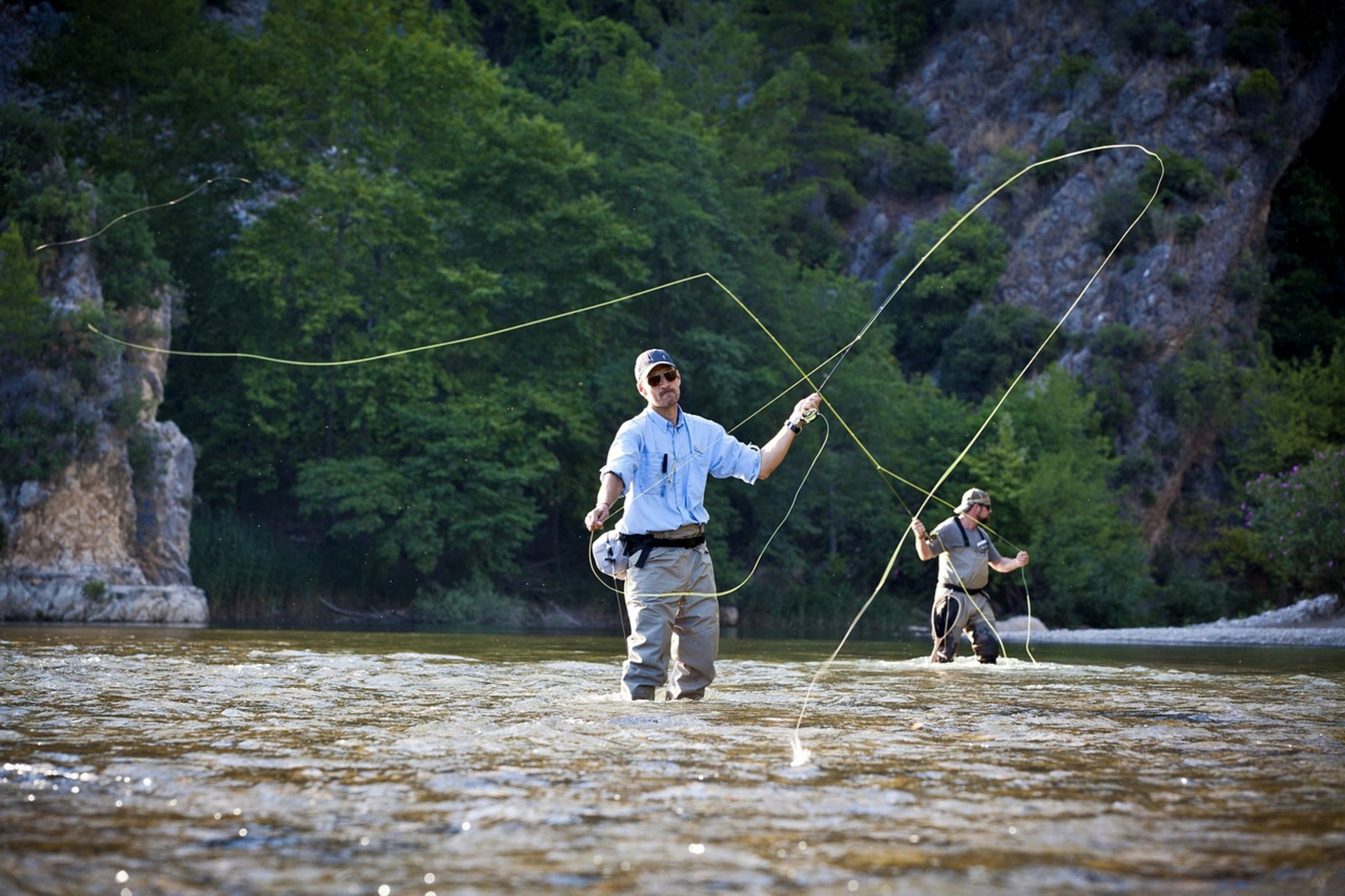
Efficient use of limited daylight hours mean targeting holding spots. In the fall, fish don’t distribute uniformly throughout a stream. They stack up on features that maximize their food intake while expending minimal energy doing it.
Seek undercut banks on river edges, slow eddies adjacent to fast runs and deep pools behind rock structure. Targeting these small areas will put your fly in front of waiting trout far more frequent than random casting. You need to protect your presentation from the wind, which is an important factor to be ready for.
9. Handling Wind Interference
As weather fronts move over the area in autumn, wind will pick up. The best way to reduce wind interference is to cast upstream or on the lee side of a bend. However, wind cause waves that hide rises and makes flies track unnaturally.
Heavy lines cut through gusts better then light tapers; keeping down in the waders reduces profile against strong edge-of-water breezes. Stay warm for long days on the bank. Fall weather systems are all over the place with temp swings from cold mornings to afternoon highs.
10. Layering Clothing for Comfort
So it’s important to wear several layers that can be shed or added if needed. You will start out cold but get hot mid day, then start getting cold when the sun starts setting. Having something you can add and remove without interrupting your flow is key to feeling comfortabley.
Keeping your hands warm also helps a lot with accurate casts and tying knots. You want to keep your head in the game and not shivering at the shore. The wet fly technique is a lesson in careful delivery: Wet flies dive under the surface, where they can access prime feeding areas without any interference from wind or waves.
11. Mastering the Wet Fly Technique
Line mending is an essential skill here; it lets you adjust your drift rate and direction in tricky currents. It’s a slow process, but the pay-off is huge when the going gets gnarly. Even as the water slows down as winter approaches, wet flies puts the water back into motion again.
You should of used more contrast.