
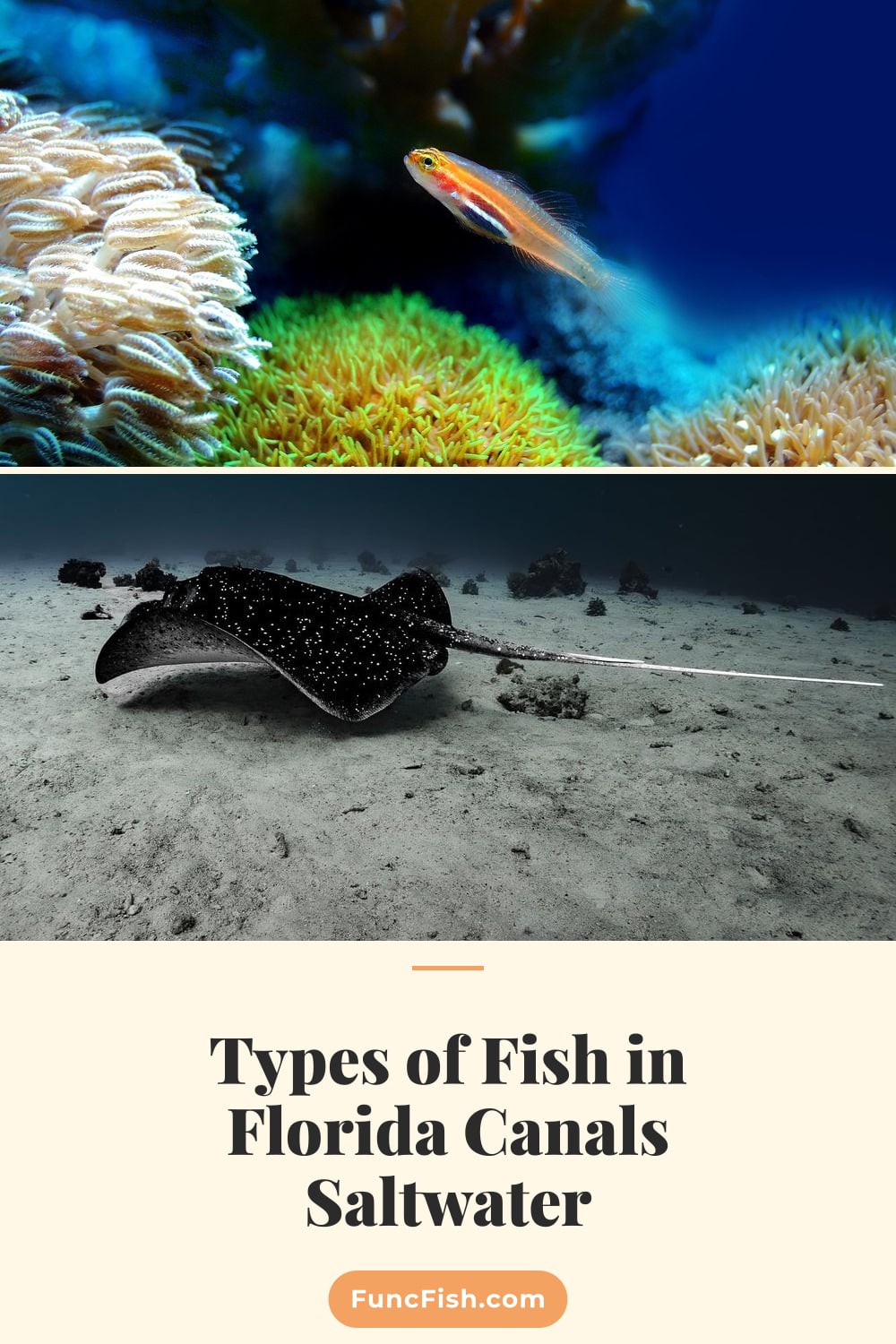
To most people, Florida canals mean stagnant, backwater drainage ditches. To locals however, they’re lively corridors of saltwater sportfishing opportunity. They link the sea to the interior estuary and form a changing mixing zone where salt and fresh water mingle.
In this habitat, many fisheries use the roots of mangroves, seawalls and submerged vegetation for structure. If you’re looking to fish these slim canals efficienty, it’s important to grasp which fish holds each area. To successfully fish the canals, you need to anticipate where fish will be located related to light and tide.
While offshore trips chase migratory routes across miles of water, canal anglers becomes experts at targeting micro-habitats within a couple hundred-yard stretch. Some species relates to deep holes underneath bridges; others follow drop-offs next to property lines. Knowing your target is key, as is adapting your retrieve speed and lure selection to align with their feeding triggers.
Popular Saltwater Fish Species In Florida Canals
1. Largemouth Bass
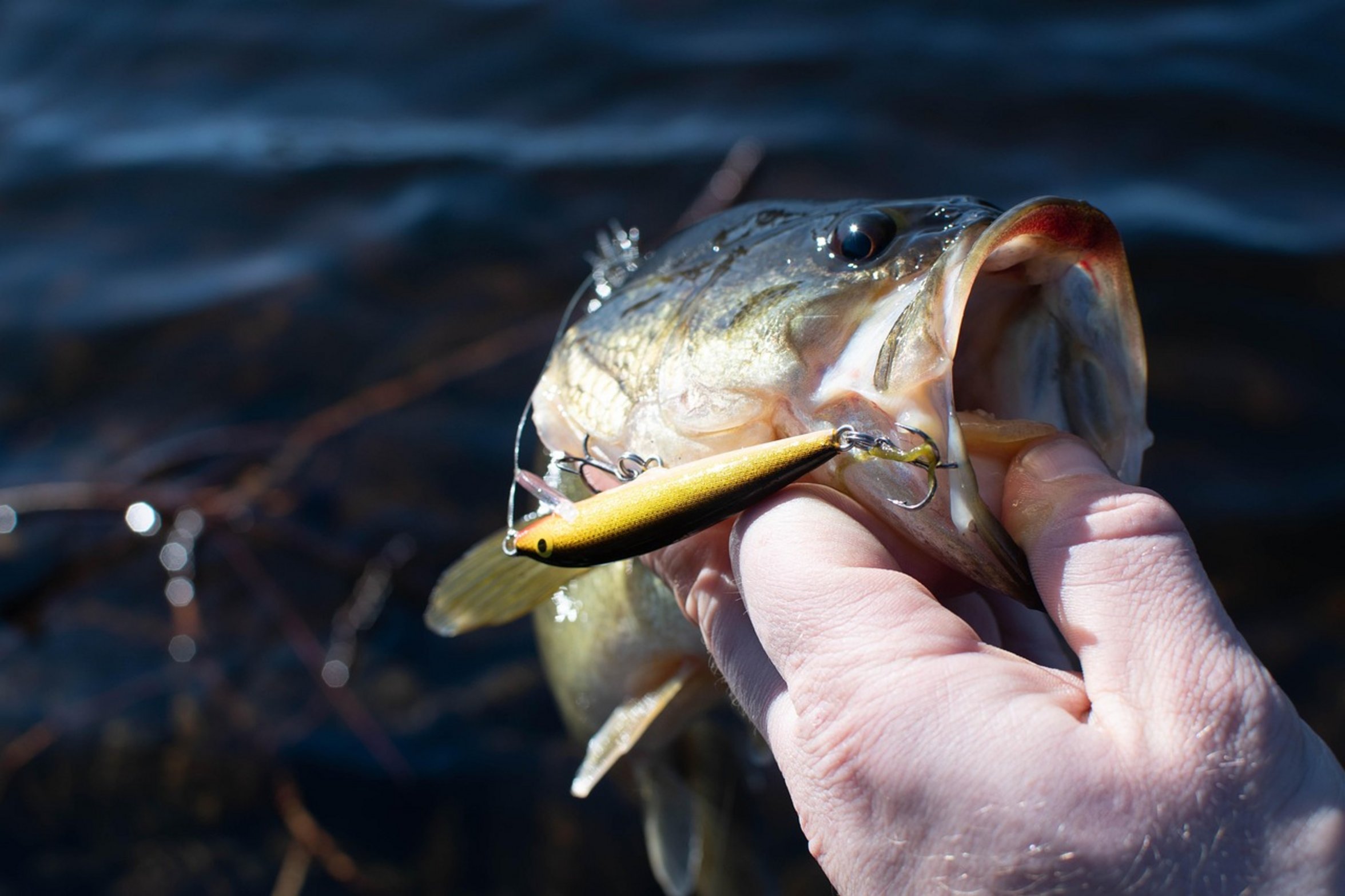
Here’s a breakdown of popular saltwater inhabitents found in Florida’s canals and how to target them. You might not think of saltwater, but most South Florida canals contain some type of brackish water which largemouth bass absolutely love. These sheltered areas provides great ambush spots for them as they gorge themselves on small baitfish and crappie.
One thing you’ll notice when fishing here in the winter is that the water temps stays consistent throughout the day, different than up north. Bass will go to the shadows of boat docks and sometimes hover around aerator outflow points. Early mornings with topwater lures will result in some serious blowups from these bass sneaking amongst the mangroves.
2. Snook
A staple in Florida’s interior waters, snook are known to put up a good fight and eagerly attack artificials. They requires slightly higher salinity than some other species, but they tolerate the brackish mix perfectly well. Using the canal system as ambush spots, these guys tuck into concrete pylons and pounce on anything that passes by.
Naturaly drifted live shrimp or mullet are deadly attractants. Fishing hard baits such as soft plastic jerkbaits alongside structure can yield angry strikes from territorial snook.
3. Redfish
Redfish live in canals mostly as juveniles before heading to bigger flats and bays.
Anglers will know these fish when they see the unique black spot located on its tail fin. They is known to hang out around rocky outcropping or oyster beds feeding on the mucky bottom’s crustaceans and mollusks. During lowlight hours, a rigged live shrimp hanging close to the bottom are a great way to catch some redfish.
Just remember redfish aren’t very fast-moving fish in water column so it requires patience and an understanding of their “ambush” approach.
4. Tarpon
The silver king is the tarpon. Florida waters host a yearly migration of tarpon that make their way to coastal canals, offering an exciting experience for anglers.
These fish don’t consume bait like most other species; instead, they generates pressure waves to stun smaller fish before consuming them whole. Because of this style of feeding, topwater lures such as poppers and topwater plugs is necessary when targeting these massive predators. As their heads breach the surface, you’ll frequently find tarpon schooling near water’s edge and swimming just under the surface.
Your odds of finding these finicky beasts increase by timing your trips with incoming tide.
5. Mangrove Snappers
Mangrove snappers are bottom dwellers that love the deep ends of canals and find cover in structures throughout them. These fish likes dark water and seek shelter beneath overhangs and within tangles of mangrove roots.
Unlike their cousins who frequent reefs, mangrove snappers is pretty sedentary creatures and depend on stealth to get a meal. Slow presentations with cut bait or live shrimp dropped near the bottom yields consistent results. As for size regulation, following it will go a long way toward keeping the larger breeders alive to sustain a healthy population in an environment where there’s limited space.
6. Barracuda
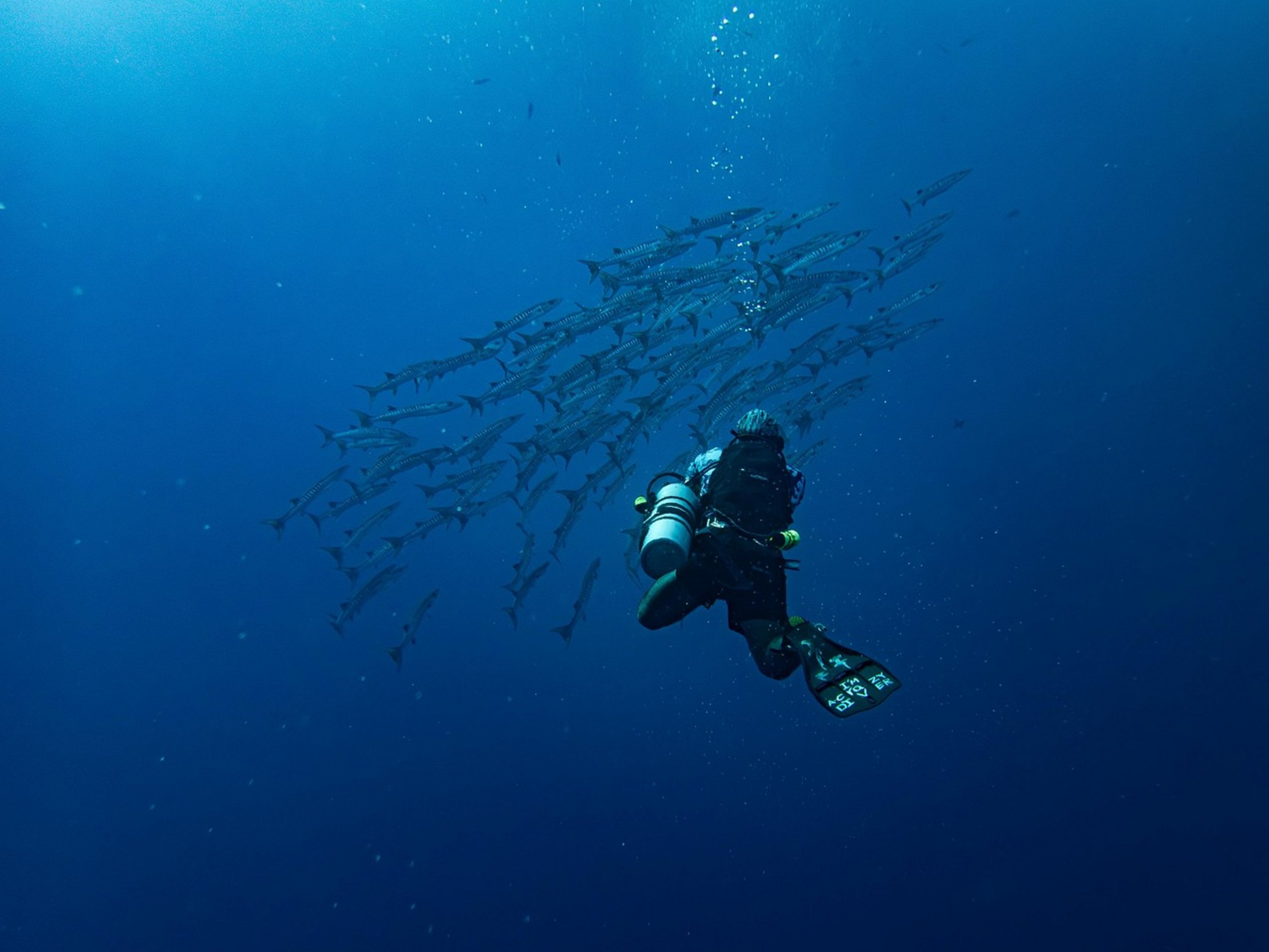
Barracuda migrate seasonally through canal systems, using the channels like highways to travel to and from nursery grounds and offshore reef structures. These predators is quick moving fish that pursue baitfish up and down open water columns. They are a target for casting or trolling big baits.
Because they are aggressive feeders, they attacks just about anything that resembles an injured prey item. When you do hook a barracuda, watch out, their toothy jaws will slice line pretty fast. Heavy fluorocarbon leaders reduces break offs when fighting these fish at first.
7. Ladyfish
Ladyfish is aggressive feeders that look very much like barracuda and share the same behavior and appearance. These slender silvery predators will school tightly in shallower parts of canals, creating a frenzy when feeding on smaller fish or insects. Anything that makes a ruckus on top is quickly noticed by these fish, and topwaters make ’em go nuts.
They aren’t as physically challenging as some of the bigger fish. However, young anglers just starting out with casting finds that ladyfish give quick action, and if you catch one, there are likely to be more nearby. Presence of ladyfish means there is plenty of bait around, which is a good sign for other predatory species.
8. Gag and Gummy Groupers
Redfish frequent canals primarily as juveniles before moving to larger bays and flats. As they move along looking for an easy meal, they’ll eat just about anything that looks tasty. The best bet is to fish live shrimp under a popping cork around docks or at edges where you see small mullet activity.
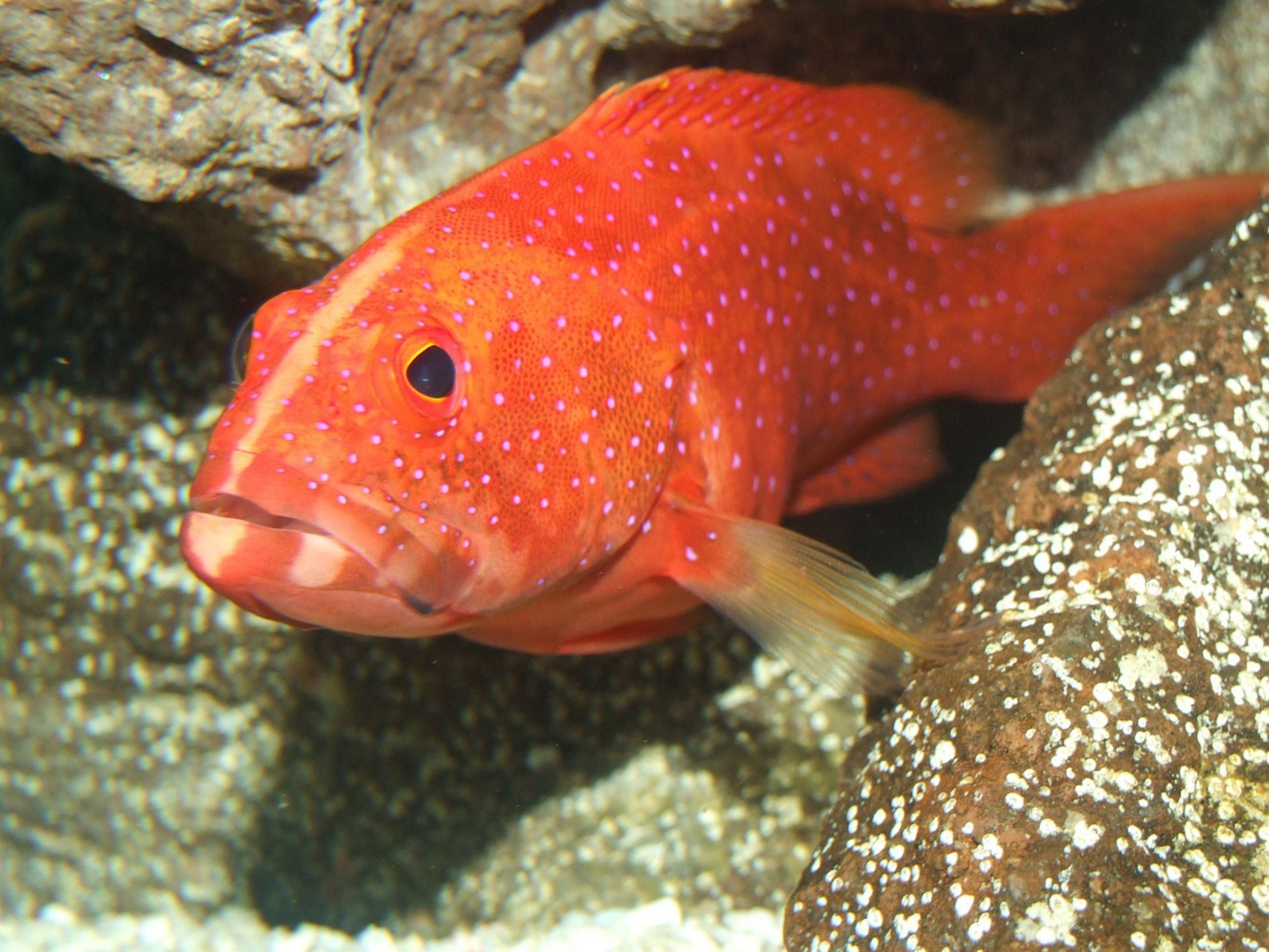
Because reds does not swim far once hooked, it’s best to use a light drag and work them up slowly; they will pull like a truck when first hooked and would of give out if pushed too early. In deeper holes of the canals, look for gag and gummy groupers, who finds cooler water in the canal holes in the summer. Groupers is ambush predators and tend to be relatively motionless until something, a smaller fish or crab; ventures close enough to be swallowed.
The best way to catch them is by using chunks of cut bait fished along the bottom. Gag are stout fighters so don’t set drag too tight, they tire fast, but will burn you off initially. Be sure to follow slot limit rules so these long lived fish remains to populate canal structures for years to come.
If you know what makes the residents of Florida’s canals tick, then fishing them rewards anglers. Every species mentioned above has learned to feel safe in numbers and comfortabley around the structures that engineering has provided them. Understanding how local conditions affect tides and knowing how and when they move will help you predict where to find fish holding.
Pick one of these species that best fits your equipment preference and learn from there. Every cast is an opportunity to learn more about what lies below the surface in this active classroom known as the canal.