
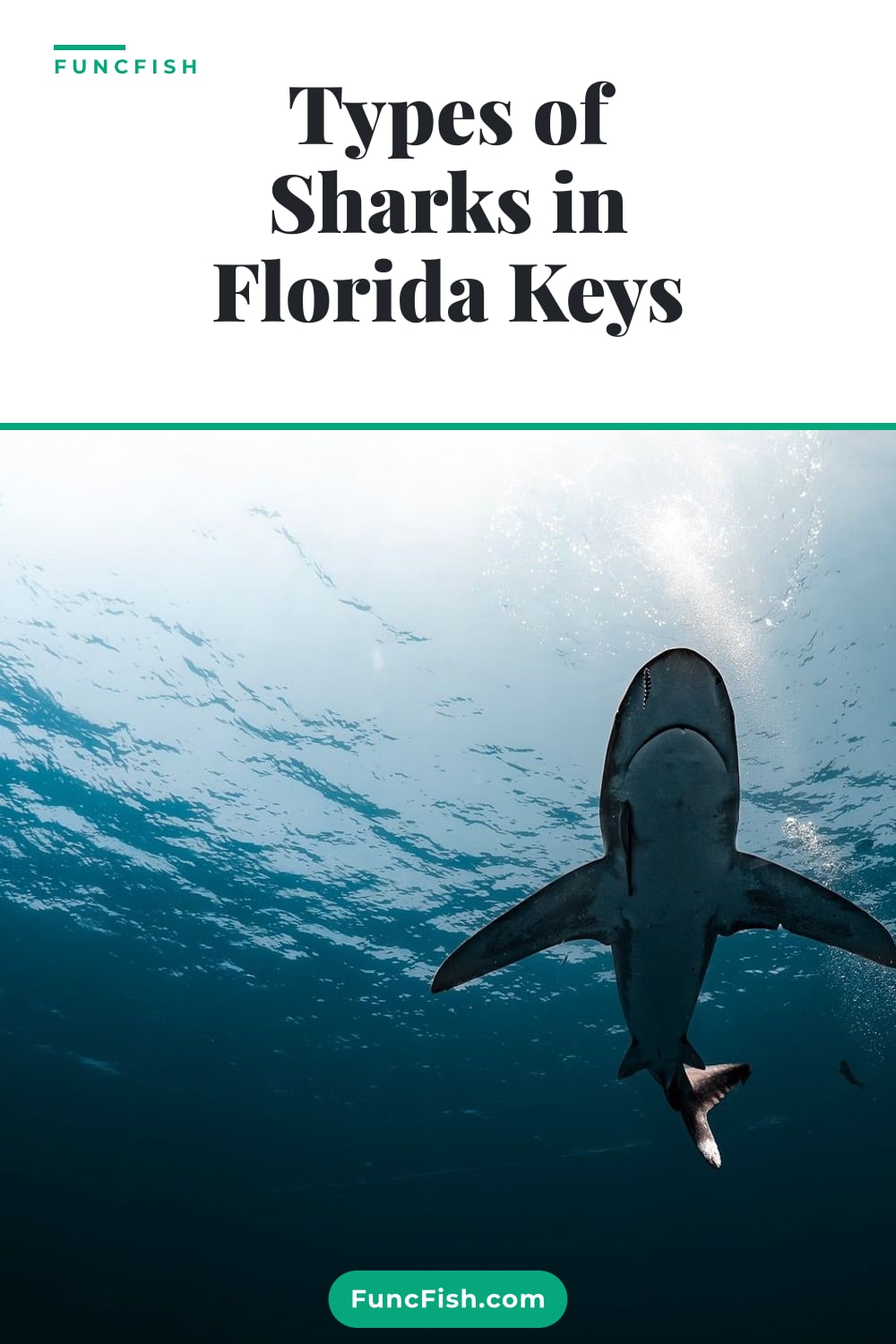
The waters surrounding the Florida Keys contain a large variety of sharks. Many people who visit the Florida Keys do not expect to see sharks in there travels. The waters of the Florida Keys function as a highway for sharks, these waters function as a nursery for sharks, and these waters function as a hunting ground for sharks.
Various species of sharks has traveled through these shallow waters for millions of years. Whether you are snorkeling over a patch reef, diving a wreck, or even wading near the mangroves, you might encounter a shark in the Florida Keys. The possibility of encountering a shark in these waters is one of the characteristic of the Florida Keys.
If you understand which species of sharks live in the Florida Keys, you will change the way in which you move through the environment of these sharks. Some shark species remains small and are harmless to humans that swim in the waters of the Keys. Other species of sharks require that travelers and humans maintain a respectful distance from these predators.
Some shark species pass through the Florida Keys during their migrations to different locations around the Keys. Other species of sharks lives in the Florida Keys throughout the year. If you understand the differences between the species of sharks that live in these keys, you will feel appreciation for the encounters with these animals rather than fear.
The sharks that you are most likely to encounter while traveling through the Florida Keys are the subjects of the list that follows. The list begins with the sharks that you will most often encounter and ends with the sharks that are the rarest in the Keys. The lemon shark species glides over the sandy flats in the Florida Keys.
Common Shark Species Found In The Florida Keys
1. Lemon Shark
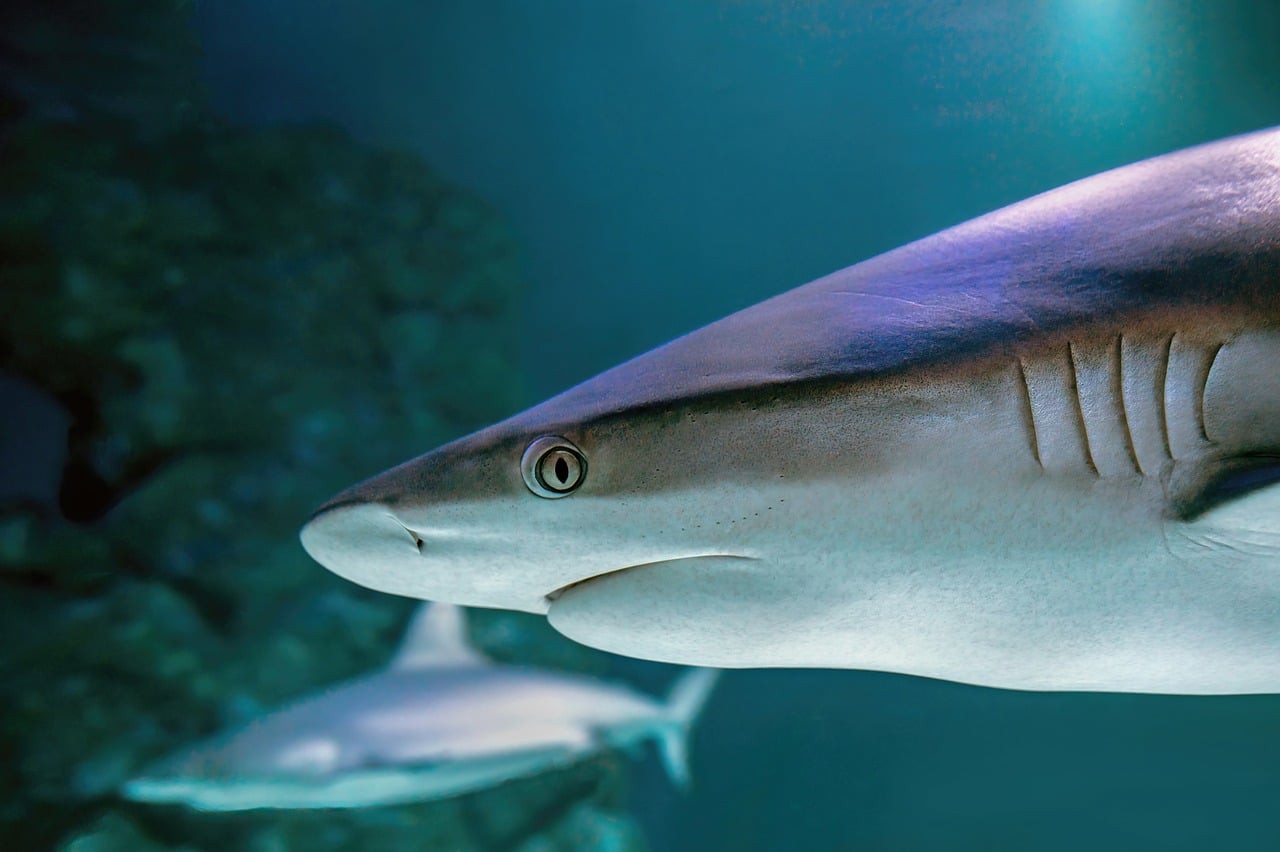
They have a physical appearance that may leave onlookers thinking they are living bronze statues. Their unique yellowish tint to their bodies allow them to blend with the turtle-grass beds where they hunt for their meals. These sharks can reach length of eight to ten feet.
The blunt snout of the lemon shark gives the species a friendly look. People often spot lemon sharks in shallow waters near the mangroves of the Florida Keys. People often see these sharks in locations such as Big Pine Key and the Content Keys.
These species are quite curious of other life in the Keys but rarely show aggression toward humans. If you visit the Florida Keys, remember that you should keep your hand to yourself around lemon sharks because guides suggest that you should keep your hands to yourself around these species and enjoy the sight of the lemon sharks. The nurse shark species live on the ocean floor of the Florida Keys.
2. Nurse Shark
These sharks have a physical appearance that may leave onlookers thinking they are giant spotted carpets. These sharks use barbels near their mouth, much like a mustache, to explore the ocean floor for crustaceans and small fish. Nurse sharks live on the ocean floor in locations such as under ledges of the coral reefs or even inside the shipwrecks of the Florida Keys, such as the Duane or the Spiegel Grove.
These species are active hunter during the night but have small teeth and a lazy temperament, ranking them as not among the worlds most dangerous animals. However, if a person steps on a nurse shark or provokes the animal, these sharks can deliver a powerful suction bite. Therefore, people should look at the nurse shark but should not touch the animal.
3. Blacktip Shark
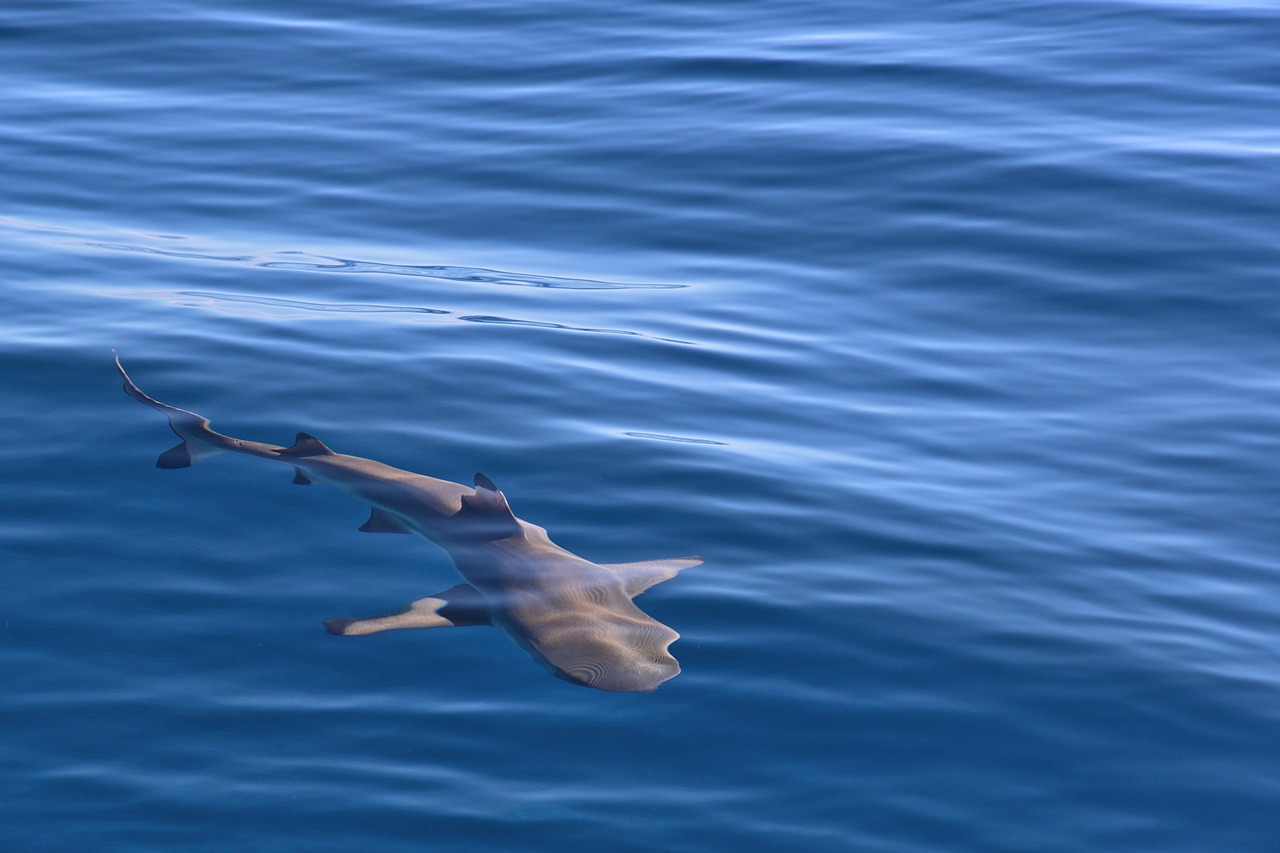
The blacktip shark species live in the shallow waters of the Florida Keys. The blacktip shark species have a physical appearance that may leave onlookers thinking they are silver arrow moving through the water. These distinct sharks has black tips on their dorsal fins and tail fins.
They also have a black band along the edge of their pectoral fins. Blacktip sharks like the channels between the islands of the Keys. These sharks often chase the baitfish in the water that is waist-deep in these channels.
The behavior of chasing baitfish is referred to as nervous water and is something that fishermen watch for when they are fishing in the Keys. These sharks give birth in the protected bays of the Florida Keys during the spring and summer months when people may spot the two-foot-long pups of blacktip sharks. The blacktip sharks are known to be strong athlete and jump out of the water on occasion.
However, these species do not pose a threat to the swimmers who visit the beaches of the Florida Keys unless people throw baitfish into the water near the swimmers. The reef sharks patrol the deeper edges of the coral reefs of the Florida Keys. These species act as a watch over the reefs.
4. Caribbean Reef Shark
The most common reef shark species in the Florida Keys is the Caribbean reef shark. These sharks grow to sizes of up to nine feet in length. They cruise the drop-offs at locations such as Molasse Reef or Alligator Reef to hunt for snappers and grunts.
Divers often spot these species making slow passes by coral reefs at a respectful distance from other divers. Humans should remain calm around these species and know that they are simply performing their biological function within the Keys’ coral reefs. Reef sharks play an important role in the keeping of the coral reef ecosystem in balance and therefore, sightings of these predators are reassuring rather than scary to onlookers.
5. Great Hammerhead Shark
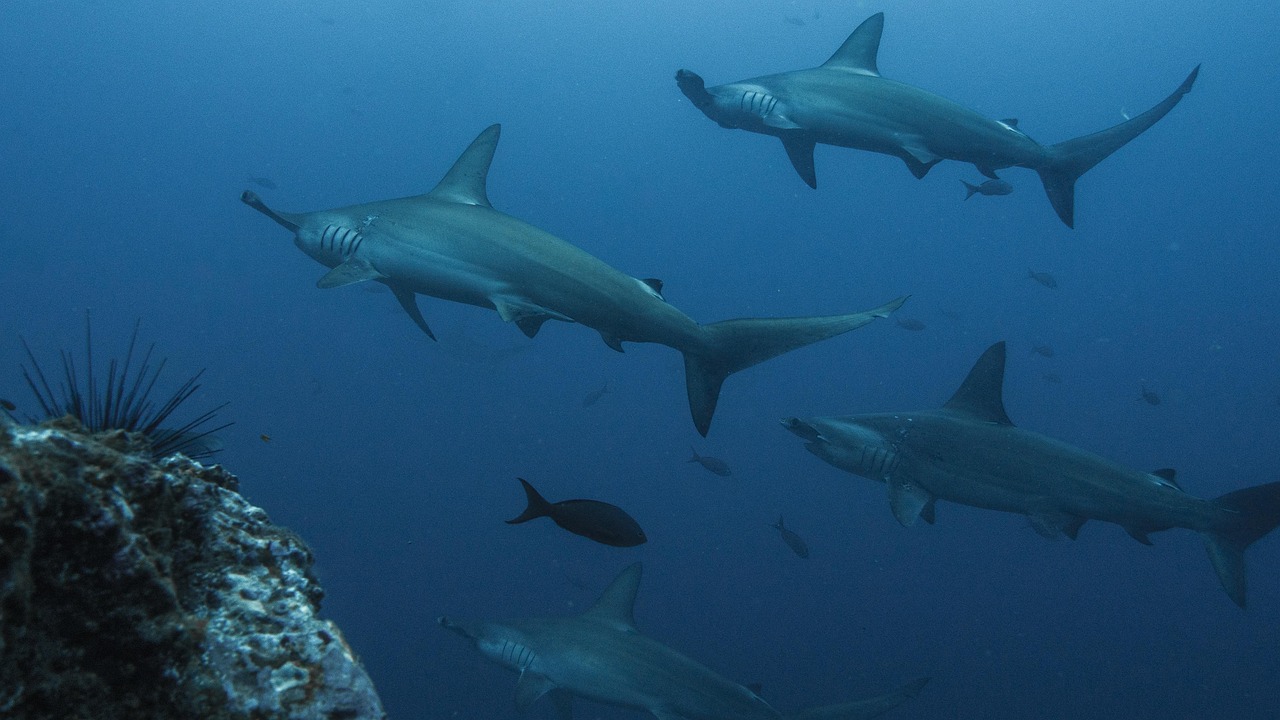
The hammerhead sharks are among the most memorable shark encounters in the Florida Keys. The great hammerhead shark has a T-shaped head that is distinctive and can reach lengths of fourteen feet. People occasionally spot these sharks in the Keys near deep wrecks or along the edge of the Gulf Stream.
The wide field of vision that the great hammerhead shark has is made possible by its T-shaped head as well as the shark’s ability to use the head to sense the electrical signal of its prey such as stingrays.
6. Bonnethead Shark
Smaller sharks of the bonnethead genus look like miniature version of the great hammerhead sharks. The bonnethead sharks are more common in the grassy bays of the Keys.
Both species of hammerhead sharks tend to be wary of humans. Therefore, people should move slowly when they spot a hammerhead shark in the Keys to allow the shark to determine if it would like to get any closer to them.
7. Bull Shark
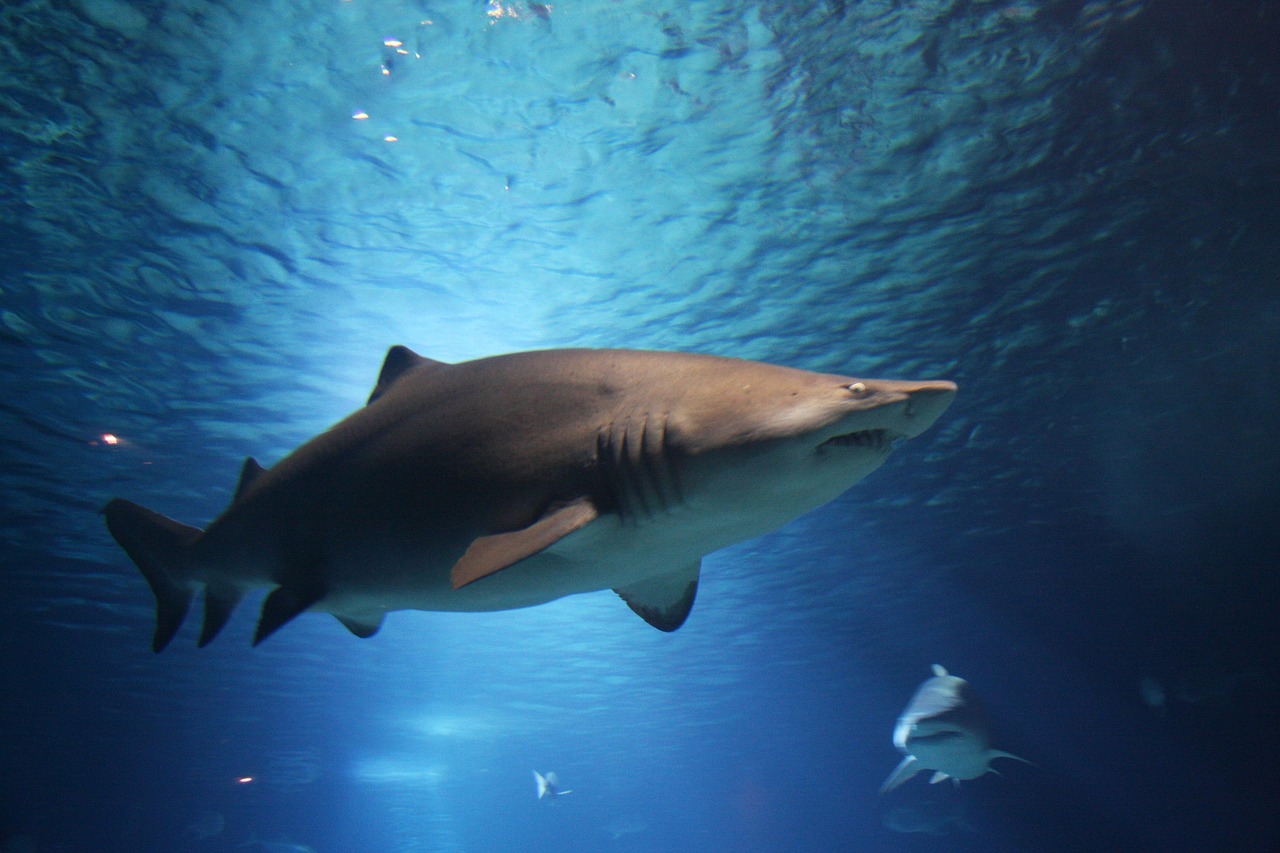
Bull sharks have a relatively stocky build and are well known for their aggressiveness.
Bull sharks can enter the mangrove creeks in the Upper Keys because their bodies can tolerate fresh water. These sharks has a blunt nose and small eyes that give them the same look as their aggressive reputation. Bull sharks are responsible for the most unprovoked bite of any shark species in the world.
However, they mostly stick to the deeper channels in the Keys where mullet and tarpon live in the open waters of the Florida Keys. If you spot a bull shark in the Keys it is best to simply exit the water in a calm manner around the shark. Most encounters between humans and bull sharks end without incident.
However, it is best to respect the power of the bull shark.
8. Tiger Shark
The tiger shark species may appear to be ghosts from the deep blue waters of the Keys. The dark stripe along their bodies fade as they age.
However, the broad head and wide jaw of the tiger shark remain. These sharks are scavengers and can digest item as varied as sea turtles and license plates. These animals live in the shallow waters near the reefs of the Keys or near deep drop-offs in the Keys.
Tiger sharks has also been spotted following fishing boats during the nighttime hours. These species are some of the largest in the Keys with lengths of twelve to fifteen feet. Therefore, when people spot a tiger shark in the Florida Keys their initial reaction is likely to be one of awe at the size of the predator.
Sightings of tiger sharks are among the most uncommon of all the shark species in the Keys but when they are spotted the people on the boat will likely talk about the encounter with the tiger shark for several weeks after their encounter.
9. Spinner Shark
Spinner sharks are often spotted leaping out of the water or spinning in a corkscrew pattern before they splash back into the water. This behavior is part of the hunting behavior of these sharks.
Spinner sharks live in large school and will drive the baitfish towards the surface of the water. The best places to spot these sharks are on the beaches of Bahia Honda in the summer or on kayaks in the backcountry of the Florida Keys. Spinner sharks do not show much interest in humans.
However, people should give these sharks plenty of room when they are in the water.
10. Atlantic Sharpnose Shark
Atlantic sharpnose sharks are small sharks in the Florida Keys. These sharks rarely reach lengths of more than three feet.
They tend to congregate around the baited hooks where anglers fish with the children who is learning to fish from the fishing piers. Atlantic sharpnose sharks have slender bodies with white-tipped fins that identify them as a species. These sharks are too small to be a threat to humans in the Florida Keys waters.
However, their presence in such numbers is a sign of the productivity of the Keys’ water.
11. Oceanic Whitetip Shark
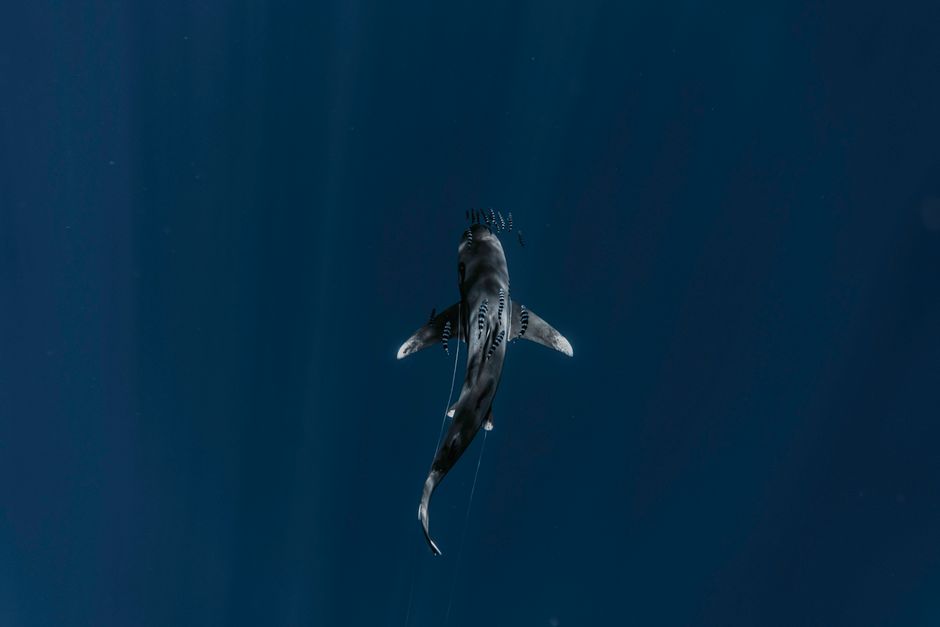
The oceanic whitetip shark is not a resident of the Florida Keys but it does drift in from the Atlantic Ocean on occasion. These sharks have long pectoral fins and a white-tipped dorsal fin that identify them in the water.
The oceanic whitetip shark is not native to the Keys but might appear near the surface of the water in years after strong storm. All of the shark species that live in the Florida Keys serve an important role in the ecosystem in which they live. The next time you enter the water in the Florida Keys you should take a few minutes to look for the shapes of the sharks that live in the Keys or to look for their shadow in the water.
These predators have been waiting for you for eons and have endured the changes to the Keys over time. Therefore, people should respect the space of the sharks and admire the grace of the sharks as they move through the water. When people do these things they will always remember their encounter with the shark species that inhabit the Florida Keys.