
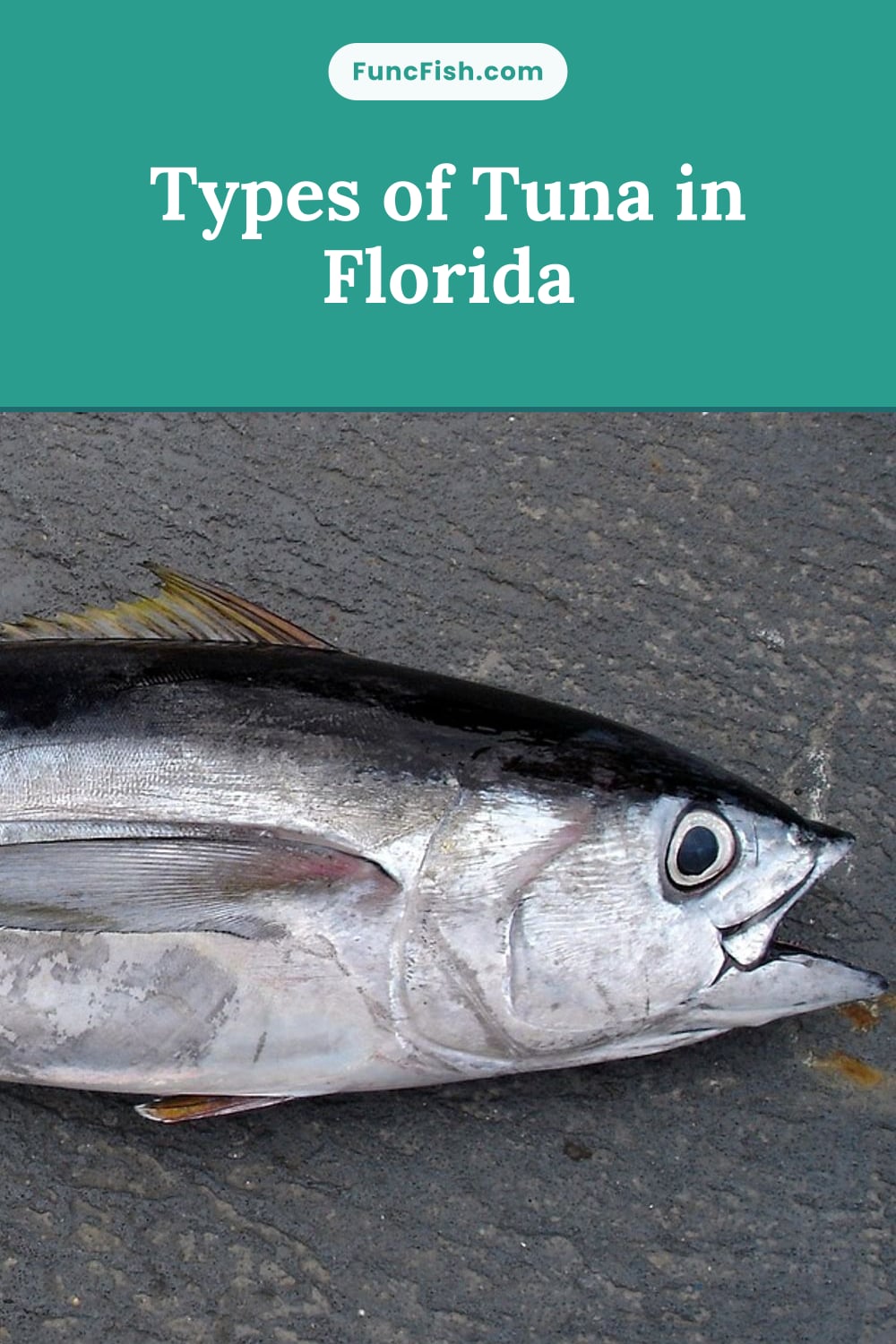
The waters of Florida is the location of many species of tuna. From the emerald shallows of the Gulf of Mexico to the cobalt depths of the Gulf Stream, the waters of Florida exhibit a variety of tuna species that either commercial fishing fleets or chartered fishermen who go on vacation to the area can harvest. Depending upon the species of tuna that one hooks or orders from a restaurant located at a dock, the experience with the fish can vary significant.
For instance, one species of tuna is known for fighting with alot of power, while another species of tuna have meat that melts on the palate when sliced. Such different species of tuna can lead to differences in the fishing gear that is required to catch those fish, the type of bait required to entice those species of tuna to be caught, and the expectations of those fishermen in relation to the fish that is hooked. Each of the seasons in the state of Florida exhibit a variety of tuna species that both fishermen who live on the coast and those who come to the state with a boat and a good fishing guide can encounter to find the best spots for catching tuna.
Some of the species of tuna that are located in the state of Florida only appear in the spring, while other species of tuna are the prize catches of the fishermen who travel to the state of Florida to add to their collections of fish that they have caught. Knowing the differences between the various species of tuna that live in Florida can aid in each fisherman in targeting the correct species of tuna at the correct times of the year, and in developing an appreciation for each of the types of tuna that are placed upon there plates. The types of tuna that live in the waters of Florida can be covered in a list that ranges from the most common of tuna species to the most prized trophy tuna species that the most experienced of fishermen target.
Common Types of Tuna Found in Florida
1. Yellowfin Tuna
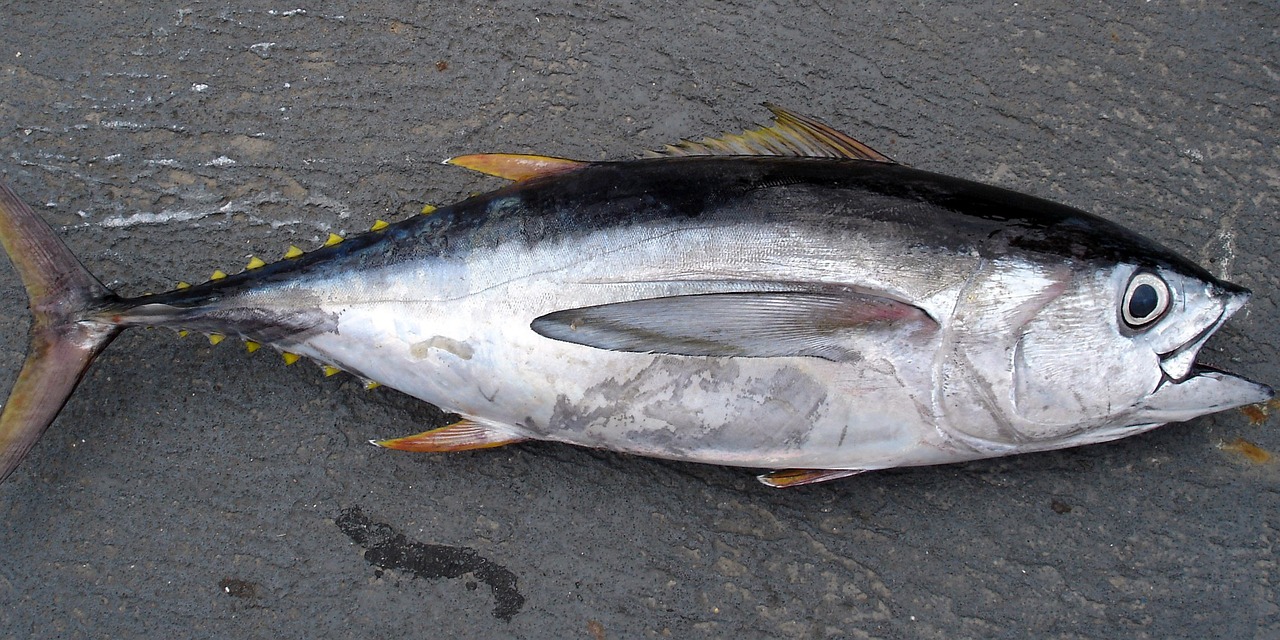
Yellowfin tuna are some of the primary species of tuna that fishermen who go fishing in the waters of Florida target. Yellowfin tuna species are characterized by the color of their species, yellowfin tuna are sleek and torpedo shape with bright yellow dorsal and anal fins. Yellowfin tuna species are known to live in the Gulf Stream and travel in schools that can include as many as hundreds of yellowfin tuna species.
The weight of yellowfin tuna species can range from twenty to sixty pounds, but there are also yellowfin tuna species that can weigh over one hundred pounds. The brightly colored fins of yellowfin tuna make them easily identifiable by fishermen even when the species of tuna are still traveling through the water. Beyond the physical characteristics of yellowfin tuna, there are other attributes of the species that make the yellowfin tuna special.
For instance, yellowfin tuna are known for having a balance of the power that the species puts into fighting anglers with the fishing lines, and the flavor of the red meat of the yellowfin tuna is mild enough for even beginner fishermen, yet strong enough for those who enjoy sushi. Yellowfin tuna can be found from cities like Miami to the area around Pensacola. The best times of year to target yellowfin tuna species in the Gulf of Mexico are during the spring and fall.
The downside to targeting yellowfin tuna species is that they tend to travel in schools, so there can be long periods during which there are no yellowfin tuna to catch that quickly become periods where there is abundant numbers of tuna species. Thus, yellowfin tuna species are the gateway to understanding tuna fishing in Florida.
2. Blackfin Tuna
Blackfin tuna species are a species of tuna that is often the most fun to catch with light tackle while fishing in the blue waters of Florida.
Blackfin tuna species are smaller than yellowfin tuna species, typically weighing between ten and twenty pounds, though blackfin tuna species that weigh thirty pounds or more have been seen. Blackfin tuna species have almost black dorsal and anal fins and are generally recognized by fishermen when they spot groups of tuna due to the color of their fins. Blackfin tuna species are generally seen in schools near bay areas and wreck sites where they can gather around the bait that the other fish species use to attract predators.
Blackfin tuna species are often sighted within a few miles of the shore in Florida. The taste of blackfin tuna meat is darker than yellowfin tuna species yet contains more flavor and is best prepared by searing the tuna to rare doneness. Blackfin tuna species exhibit great fighting power for their size and novice fishermen in Florida often use them to gain experience with the tuna species.
The downside of blackfin tuna is that they are picky about the temperature of the water in Florida’s Gulf. Blackfin tuna species will disappear if the Gulf waters is either too warm or too cold. Thus, during the times when blackfin tuna are seen in the gulf waters near Florida, the fishing can be nonstop.
3. Skipjack Tuna
Skipjack tuna species are the fastest of the tuna species that live in the waters of Florida. While many fishermen may tend to ignore the skipjack tuna for their lack of size and may consider them to be bait stealers, the skipjack tuna species deserve more respect than they are often given to the tuna species. Skipjack tuna species have streamlined bodies and deeply forked tails which allow them to travel at high speeds through the water.
The weight of skipjack tuna is between five and fifteen pounds. Though they lack the size of other tuna species, skipjack tuna species are present in large numbers in the waters of Florida and exhibit a strong fighting spirit when fisherman harvest them. The meat of the skipjack tuna is strong and the meat of the skipjack tuna is dark so the best uses for this tuna are for canning or as fresh bait for the larger predators.
The real value of the skipjack tuna is what the skipjack tuna reveal to a person. If you find skipjack tuna working on the surface of the water, bigger tuna will typically be located not far beneath the location of the skipjack tuna. Thus, skipjack tuna are an excellent fish to use as a scouting tool for tuna waters.
4. Albacore Tuna
Albacore tuna tend to visit Florida less frequently than some of the other tuna species, but when they do show up, they create excitement among those who are on the water searching for tuna action. Albacore tuna have longer fins than some of the other tuna species and prefer cooler waters to those that live in the tropics. Most albacore tuna that are found in Florida typically weigh between twenty and forty pounds, although albacore tuna can grow to be much larger in other parts of the world.
The flesh of the albacore tuna is snow-white in color and among the mildest and most delicate of all tuna species. Thus, albacore tuna is the species that is most often featured in cans of tuna meat. Albacore tuna are a bonus catch when fishing for yellowfin tuna in Florida waters if the temperature drops into the low seventies.
Albacore tuna typically live at deeper waters than other species, so divers must either spend more time trolling along deep divers or use chunk bait on their downriggers to catch albacore tuna. The bright white meat of albacore tuna when it jumps over the rail of a boat is an exciting reward for the extra time and effort required to catch these tuna.
5. Bigeye Tuna
Bigeye tuna is the tuna species that separates the weekend fisherman from the regular fisherman who fishes off the coast on a regular basis.
Bigeye tuna have enormous eyes that allow them to hunt for their prey in low light levels at depths that most fishermen do not fish to. Bigeye tuna that visit Florida can weigh more than two hundred pounds, but most bigeye tuna weigh between sixty and one hundred pounds. Bigeye tuna are strong and demand respect from the fishermen who attempt to catch them.
The shoulders and tails of bigeye tuna are strong, allowing their runs to empty a fishing reel in a matter of seconds. The deep red meat of bigeye tuna is considered by many to be the finest eating of all tuna species. Bigeye tuna live farther offshore than other tuna species and fish near the continental shelf.
Offshore waters must be fished near the edge of the continental shelf and at night or during the early dawn hours when bigeye tuna are most active. Thus, bigeye tuna require investment in special fishing gear yet provide the satisfaction of landing these strong fish.
6. Bluefin Tuna
Bluefin tuna is the ultimate prize that can be caught in the waters of Florida.
As the giants of the tuna family, bluefin tuna are the largest of all tuna species with the massive size and strength of the bluefin tuna. While bluefin tuna can weigh more than one thousand pounds when they are caught, the specimens that visit Florida typically weigh between two hundred and six hundred pounds. Bluefin tuna are typically spotted in Florida during the winter months when they are on a migratory journey along the Atlantic coast.
While most of the bluefin tuna that are spotted in Florida are young tuna, there are larger specimens from time to time. The meat of the bluefin tuna is dark yet deeply flavorful and prized by sushi chefs and traditional tuna cooks. Thus, bluefin tuna requires special fishing gear and requires patience and luck in the weather to be spotted.
For most fishing captains, the memory of the bluefin tuna jumping out of the water and cresting over the side of their boat is the reason that they continue to fish every year. Each of these tuna species has its own personality and features in the waters of Florida. Yellowfin tuna is known for its action and the flavor of its meat.
Blackfin tuna features exciting fights with lighter fishing gear and closer to the shore. Skipjack tuna teach fishermen how to read the ocean, while albacore tuna offer the delight of the delicate white meat of the tuna. Bigeye tuna and bluefin tuna both test the skill of the fishermen and leave behind stories that last for decades.
The next time you are on the water in Florida with your fishing gear, take a minute to appreciate the different species of tuna on the other end of your fishing line. The fight that the tuna will have with your fishing gear, the flavor of the tuna’s meat and the memories that you create while fishing for tuna will change depending on what species of tuna you are fishing for. This is part of the beauty of tuna fishing in Florida.
Every fishing trip offers an opportunity to encounter a different type of tuna and learn more about the waters that many people love.