
Saltwater kayak fishing require specific preparation due to the different challenges of saltwater kayak fishing as compared to freshwater kayak fishing. Saltwater kayak fishing involve tides, currents, and predators of the fish. By mastering the basics of saltwater kayak fishing techniques and strategies, saltwater kayak anglers can find the fish that shore angler cannot reach.
Essential Tips For Saltwater Kayak Fishing
1. Saltwater Kayak Models
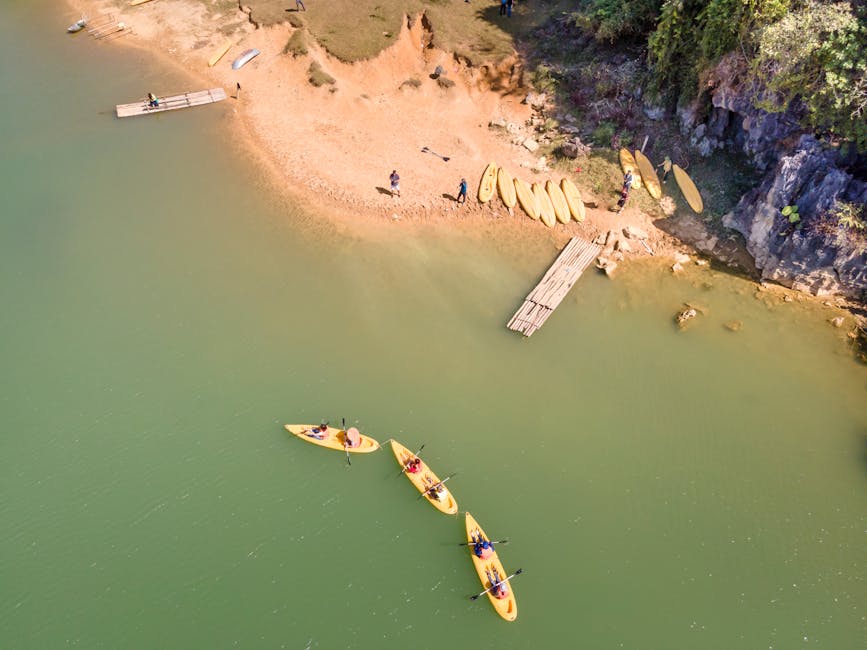
One of the first piece of equipment that should be purchased for saltwater kayak fishing is a saltwater kayak model that is specifically build for ocean waters. Sit on top kayak are the preferred model for several reasons, one of which include the fact that sit-on-top kayaks have sealed bulkheads. Twelve feet is generally the ideal length of kayak for saltwater fishing.
Shorter kayaks are considered to be less stable in choppy water, while the longer lengths of kayaks are more difficult to maneuver. The weight of the kayak is another purchase consideration; heavy kayaks is difficult to transport. A thirty-five pound plastic kayak model is one of the lighter options available.
However, the additional weight of a fish finder, rod holders, and fishing tackle may be an additional consideration when selecting a kayak. Kayaks should be tested prior to purchase. In addition to the kayak, the paddle for the kayak is another purchase consideration.
2. Efficient Kayak Paddles
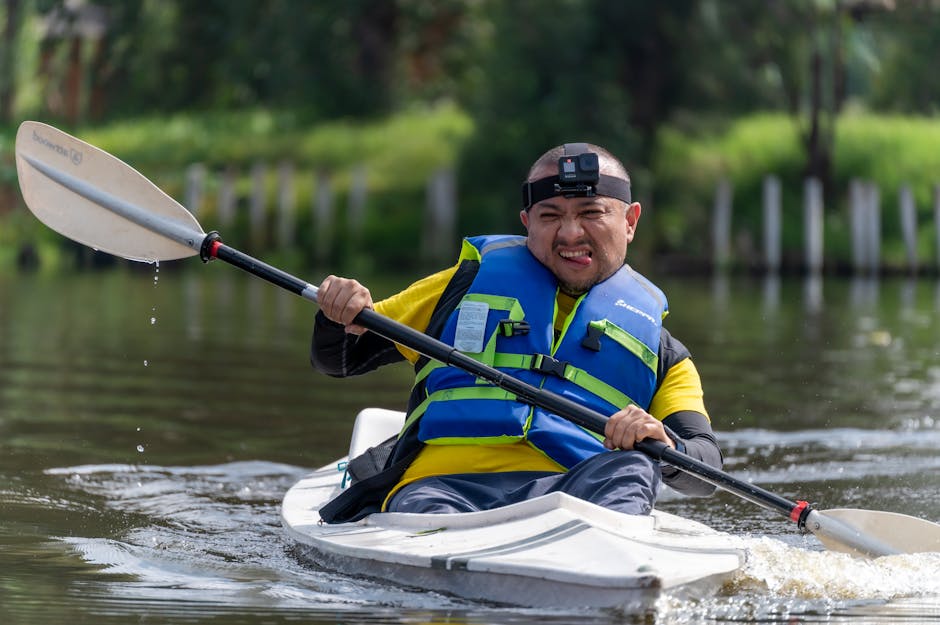
The paddle will impact the amount of effort that the kayak fisherman must expend while fishing. A paddle that has fiberglass shafts and asymmetrical blade requires less effort when kayaking over long distances. Kayaks may have to contend with headwinds and currents that work against the kayak, so a lightweight paddle is beneficial to those factors.
It is also important to have a spare kayak paddle strapped to the kayak; kayaks may lose there paddle while on the water.
3. Kayak Rigging and Accessories
Kayaks can be rigged in a variety of ways to improve fishing efforts. Rod holders should be mounted on the kayak behind the seat to allow anglers to effectively cast their line without contacting the plastic of the kayak.
The front hatch or tankwell of the kayak can be used to store an anchor and buoy. An anchor allow the kayak to remain in one location over an underwater fishing structure. Many anglers utilize a rudder or skeg on their kayak to aid in the movement of the kayak in crosswinds.
4. Essential Safety Gear
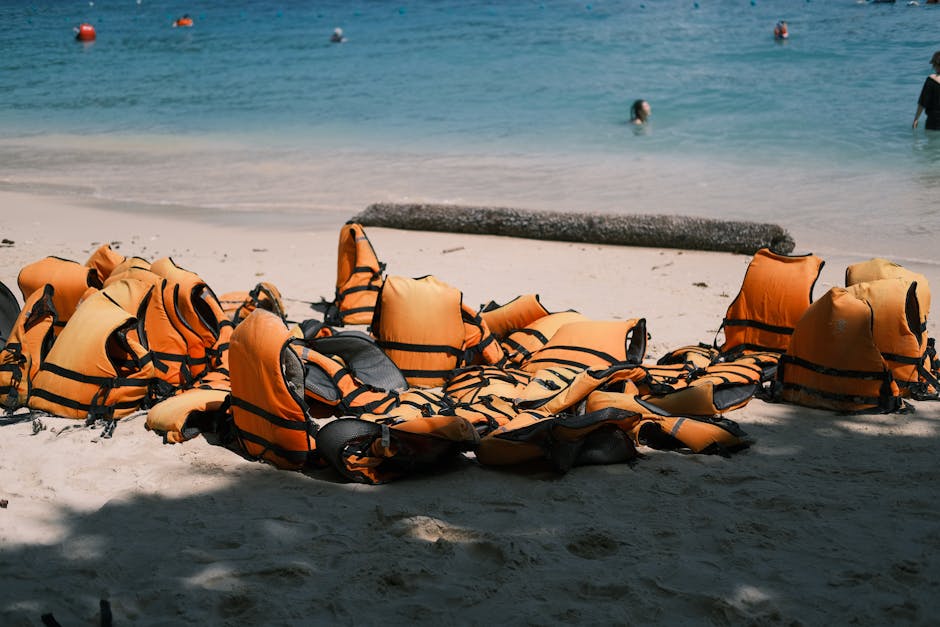
Safety gear is mandatory for all saltwater kayak anglers as the gear will protect the kayaker should they fall into the water. Safety gear such as a Type III inflatable personal flotation device (PFD) should be worn at all times when on the kayak. In addition to the PFD, a waterproof VHF radio, bilge pump, whistle, and signaling mirror are also recommend.
These items can all be stored in a deck bag that is attached to the kayak. The marine weather forecast should be regularly checked to ensure that the water conditions are not too dangerous for the kayaker.
5. Tides and Water Reading

Tides and currents play a major role in where saltwater kayak anglers should fish and where they should move their kayak to find the fish.
Anglers should arrive at the fishing spot two hours prior to the tide turning. Fish tend to congregate near areas with oyster bars, ledges, and channels in the water where the tides move the fish bait. Anglers need to be able to read the water for color change and boils, which are indications of where the tides move through the water.
If ignored, tide charts will waste the kayakers time fishing in circles.
6. Live Bait Options
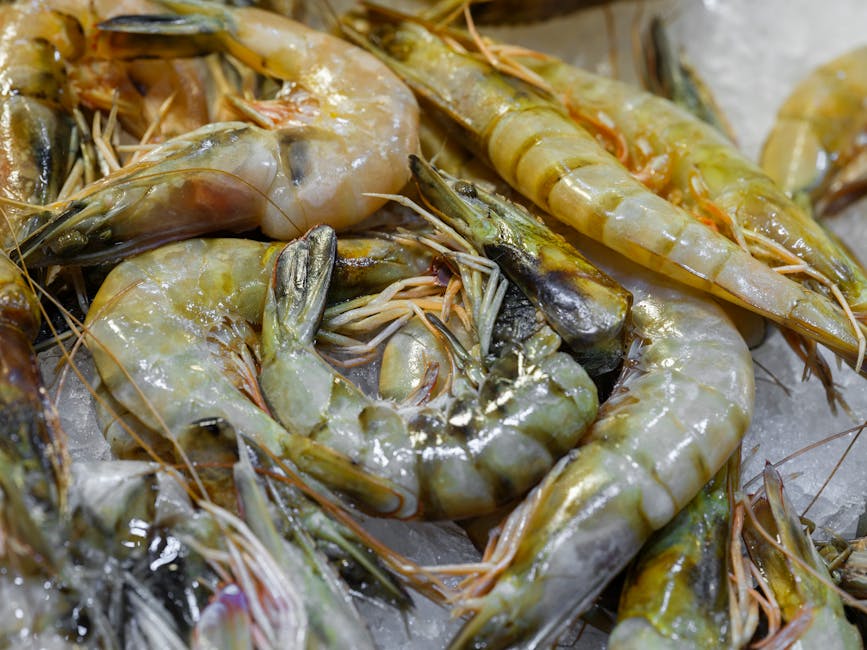
In addition to knowing where to find the fish, anglers should also be aware of the types of bait that should be used to catch the fish. Live bait options include pinfish and shrimp.
7. Artificial Lures
Artificial fishing lures are another type of bait that can be used to catch the saltwater fish species. Topwater fishing plugs can be used to catch fish during the early and late hour of the day. Soft plastic fishing bait will mimic the baitfish species that live in the areas where the anglers intend to fish.
8. Casting Techniques from a Kayak
The technique for casting the fishing line from a seated position on a kayak involve specific movements with the body. The tip of the fishing rod should be low during a back cast to avoid hooking the line behind the kayak. The torso should be used to rotate when casting to allow for better movement of the fishing line.
Rather than using the arm when casting, the kayaker should allow the rod and reel to perform the work of casting the line. The kayakers should brace their feet against the kayak hull and lean in the opposite direction of the fish when the fish begin to pull on the fishing line to maintain their balance.
9. Landing and Handling Fish
The various tools that are required to properly land the caught fish include a large landing net with a short handle to allow for easy reaching of the fish while remaining on the kayak.
The use of long pliers or a lip grip tool may be required to land toothy fish species such as bluefish or mackerel. The fish should not be placed across the kayakers lap as the movement of the fish may result in the kayaker fall into the water. A stringer or collapsible cooler may be used to hold the fish while on the kayak.
The fish should be kept in the water while being landed to preserve the quality of the fish.
10. Electronic Fish Finders
A variety of electronics can be utilized to assist those who is saltwater kayak fishing. An electronic fish finder with side imaging technology can reveal the presence of bait ball in the water.
The fish finder may be mounted on a pole to raise or lower the transducer. The battery for the fish finder will have a limited lifespan in the presence of salt and water. A backup power bank should be brought by the kayaker.
All wiring should be secured in place to avoid a short circuit.
11. Personal Protective Clothing
Kayakers must dress appropriately for the weather conditions in which they will be fishing. A long sleeve sun shirt and a buff will protect the kayaker from the suns damaging UV rays.
Kayakers should wear neoprene booties with grippy sole to prevent their feet from slipping on the kayaks wet deck. Polarized sunglasses will allow the kayaker to better see fish near the ocean floor. A wide brim hat with a chin strap will keep the kayakers hat from being blown away by the wind while on the water.
12. Finding Fish with Birds
Kayak anglers can use the presence of birds to find the fish. Diving terns and pelicans crashing into the water indicate that fish bait is near the water’s surface. Anglers should position their kayak upwind from the birds to allow the water currents to carry them to the fish.
When the birds stop diving, the location of the fish may be an indication for anglers of where to move the kayak to a new spot. Finally, anglers should respect the environment where the fish are located. All line, plastic, and fishing tackle should be packed out of the fishing spot to avoid pollution of the water.
Kayakers should avoid loud noises or splashing in areas where baby fish live so as not to spook the fish. By respecting the fishing spot and its environment, anglers will ensure that the fish will still be available to fish for future fishing trips.